
Finding Inspiration from Life Events for Fiction Writing
Transforming Everyday Experiences into Compelling Fictional Narratives

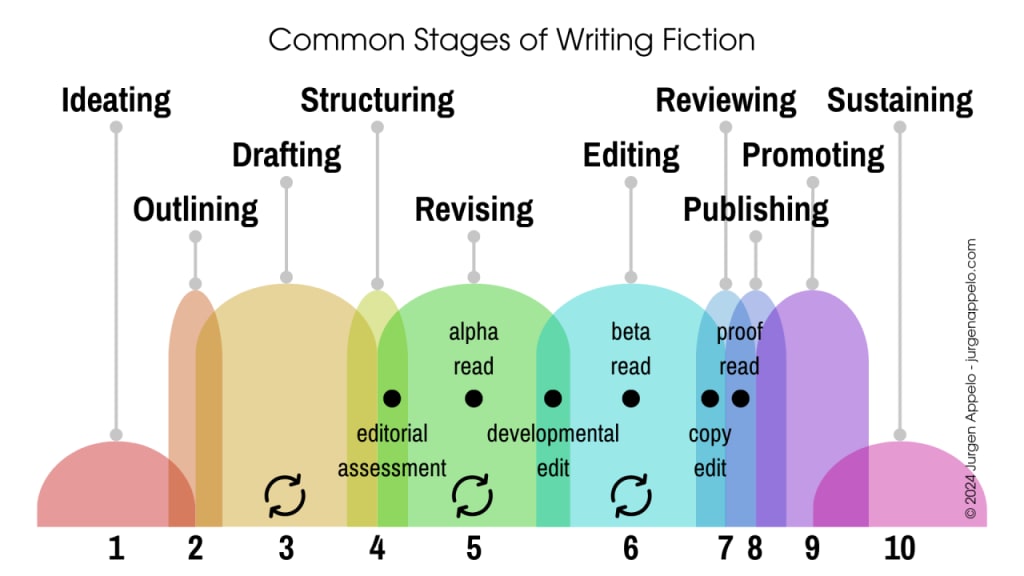
Fiction, while a creation of imagination, often finds its roots deeply embedded in the realities of life. For writers, the challenge and opportunity alike lie in transforming personal experiences, historical events, and everyday observations into compelling narrative arcs in their novels. Here's a guide on how writers can harness life events to fuel their creative endeavors in fiction writing.
1. Draw from Personal Experiences
Every writer has a cache of personal stories, emotions, and experiences unique to them. These personal moments, whether monumental or fleeting, can serve as a powerful foundation for fiction. For example, a writer who has experienced loss may channel their grief into a character's journey through bereavement, thereby adding depth and authenticity to the narrative. Personal experiences can also help writers create relatable characters, as they infuse their creations with real human emotions and motivations.
2. Observe the World Around You
Inspiration is often right in front of us, in the mundane activities of daily life. Observing people in different environments can spark ideas for characters and settings. For instance, a conversation overheard in a café might inspire a dialogue-heavy scene, or the dynamics within a family gathering might provide the blueprint for a novel centered on familial relationships. Writers should keep a notebook or digital app handy to jot down observations and thoughts—these notes can later evolve into plots or character sketches.

3. Explore Historical Events
History is rich with stories waiting to be retold with a fresh perspective. Writers can delve into different historical periods to find settings and events that can be woven into their narratives. Whether it’s reimagining the life of a lesser-known historical figure or creating a fictional story set against the backdrop of a major historical event, such as a war or revolution, history offers a wealth of material. These stories can resonate deeply, providing a sense of place and time that enriches the narrative.
4. Engage with Other Art Forms
Art begets art. Engaging with other forms of creativity—be it paintings, films, music, or theatre—can offer new ways of seeing the world and might inspire a fresh approach to a story. A piece of music might evoke a mood that a writer wants to convey through a scene, or a painting might inspire the setting for a novel. Interdisciplinary inspiration is often a wellspring of creativity for writers looking to break conventional molds.
5. Travel to New Locations
Travel exposes writers to new cultures, landscapes, and peoples, broadening their perspective and deepening their understanding of the world. A city’s architecture, a rural landscape, or a bustling market can all provide fresh settings for a novel. Furthermore, the experience of being an 'outsider' can lead to profound reflections on identity and belonging, themes that can add considerable weight to a narrative.

6. Read Widely and Deeply
Reading not only offers relaxation and enjoyment but also serves as an instructional tool for writers. By reading a diverse range of materials, writers can learn how others have transformed similar life events into compelling stories. It’s also a way to understand different writing styles, narrative structures, and character development techniques.
7. Reflect and Reinterpret
Sometimes, the best ideas come from introspection. Reflecting on one's life and reinterpreting past events through the lens of fiction can lead to powerful insights and narratives. This process allows writers to explore 'what if' scenarios, providing a safe space to tackle complex emotions and situations that might be too difficult to address directly in non-fiction.
8. Maintain a Routine
Consistency in writing can help in nurturing inspiration. A routine encourages writers to constantly think creatively, making it easier to notice and develop ideas from everyday experiences. Whether it’s writing for an hour each morning or brainstorming ideas before bed, a disciplined approach can turn sporadic inspiration into a steady stream of creative output.
Conclusion
For fiction writers, life itself is a canvas waiting to be painted with words. By staying observant, reflective, and engaged with the world, writers can transform ordinary life events into extraordinary fictional tales that captivate and resonate with readers. The key is to remain open to experiences and to see the potential stories that lie within them, ready to be crafted into novels that might one day touch the hearts and minds of readers around the globe.
About the Creator
Hannah miller
I’m an author dedicated to weaving engaging narratives across a variety of genres to resonate with readers.
Keep reading
More stories from Hannah miller and writers in BookClub and other communities.
Building an Effective Author Brand: Key Strategies for Success
In the ever-evolving world of publishing, establishing a strong author brand has become crucial for both new and seasoned writers. An author brand is more than just a marketing tool; it's the personal and professional identity that sets an author apart in a crowded marketplace. This identity encompasses not only the books one writes but also the way they interact with their audience and present themselves online and offline. Here, we explore key strategies for effectively building an author brand.
By Hannah millerabout a year ago in BookClub
My New Book is Finally Here
My poetry collection Beautiful and Brutal Things is done. It's actually done and finally published over 270 pages. Over a year of my life went into this book. More than a year, really. Long days at my computer, sometimes seven days a week because I couldn't stop even when I probably should have. Then two months of editing that felt harder than the writing itself. But it's finished, and I'm still standing, and the book is real.
By Tim Carmichael2 days ago in BookClub
Stars, Scandals & Sirens
Welcome to The Chapter Café, where every story unfolds like the pages of a gripping novel—and today’s menu is anything but ordinary. We’re serving up a bold blend of true crime and celebrity biographies, a literary tasting that pairs red-carpet glamour with the grit of real-life investigations.
By Kristen Barenthaler4 days ago in BookClub




Comments
There are no comments for this story
Be the first to respond and start the conversation.