
Do Book Covers Influence Sales?
Exploring the Visual Impact of Cover Design on Reader Engagement and Sales


In the competitive world of publishing, where thousands of titles hit the shelves (both virtual and physical) every month, the cover of a book plays a pivotal role in its marketability and, consequently, its sales. The adage "Don't judge a book by its cover" may hold moral weight, but the reality is that consumers often do make snap judgments based on visual presentation. This article delves into the multifaceted relationship between book covers and sales, exploring psychological, cultural, and marketing perspectives.
The Psychology of First Impressions
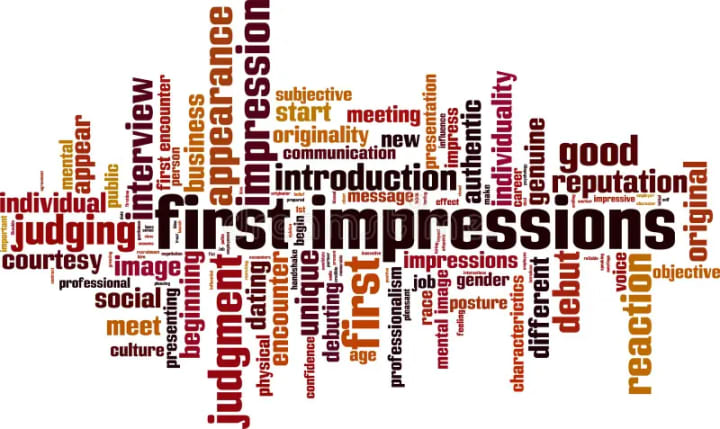
First impressions matter; research shows that people are quick to make assumptions about a product’s quality based on its visual appeal. The same holds true in the realm of literature. A study published in the Journal of Consumer Research found that consumers often equate visual attractiveness with higher quality. When faced with a book, potential readers typically assess its cover within half a second. This rapid judgment can significantly influence their decision to pick up the book or explore it further.
Colors and Fonts Matter
Color psychology plays an essential role in consumer behavior. Different colors evoke different emotions; for example, red can create excitement or urgency, while blue may instill a sense of trust and calm. Font choice also conveys information about a book's genre or tone—elegant scripts may indicate romance, while bold letters suggest action or adventure.
Genre Expectations
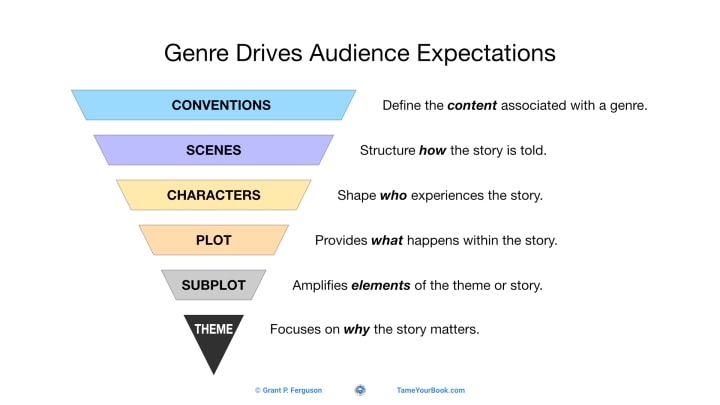
Readers often have preconceived notions about genres, and covers are designed to signal these expectations. Romance novels typically feature warm colors and soft images, while thrillers might incorporate darker hues and more aggressive typography. An effective cover that aligns with these genre conventions can attract the right readers, while a misleading cover might result in disappointment and lower sales.
Cultural and Societal Influences
Cultural contexts can also influence how covers are perceived. A cover that works well in one market may fail entirely in another. For instance, the portrayal of characters or themes on the cover may resonate differently based on cultural norms and values. International authors often adapt their covers to suit specific markets, illustrating the importance of cultural sensitivity in design.
Trends and Target Audiences
Just as fashion trends evolve, so too do book cover designs. The rise of minimalism, for example, has seen a shift towards simpler, more understated designs that focus on typography rather than imagery. Publishers often monitor these trends to ensure their titles remain relevant. Moreover, understanding the preferences of target audiences—whether they be young adults, middle-aged readers, or specific subcultures—can dictate the cover's design elements.

Marketing and Promotions
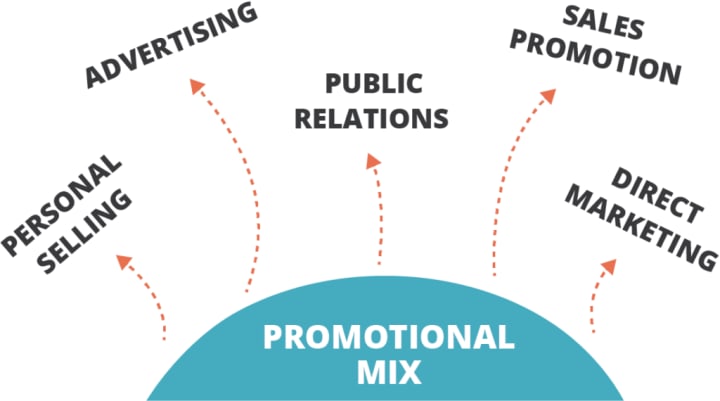
In today’s digital age, the visual allure of a book cover can be the difference between a reader clicking to purchase or scrolling past. Online platforms like Amazon showcase book covers prominently, making them one of the first things a potential buyer sees. An eye-catching cover can enhance visibility and lead to higher sales, especially when coupled with effective marketing strategies.
A/B Testing in Cover Design
Some publishers utilize A/B testing, where two different cover designs are tested against each other in a marketing campaign to determine which garners more interest. This empirical approach allows publishers to make data-driven decisions about which cover will likely drive sales, underscoring the importance of design in the broader marketing strategy.
Social Media and Word of Mouth
With the rise of platforms like Instagram, Bookstagrammers (users who share book-related content) have become influential in promoting titles. An aesthetically pleasing cover is more shareable, leading to organic marketing when users post about their latest reads. In contrast, a poorly designed cover may not only fail to attract attention but could also deter readers who seek visual appeal.

Famous Examples
Several high-profile case studies provide insights into the impact of book cover design:
The Original vs. Re-Designed Covers: Take the classic example of "The Great Gatsby." The original cover art by Francis Cugat was a striking design that perfectly encapsulated the Jazz Age spirit. In contrast, various reissues over the years, some with less inspired designs, have resulted in fluctuating sales and reader interest.
Self-Publishing Success Stories: Authors in the self-publishing arena often testify to the necessity of professional cover design. Books like Amanda Hocking's paranormal romance series gained traction in online markets largely due to their appealing covers, demonstrating how savvy design can lead to remarkable success.
The Final Word
While it is clear that a book’s cover has a significant impact on its sales potential, it is crucial to understand that a cover is just one aspect of a larger strategy that includes quality writing, effective marketing, and reader engagement. A stunning cover can attract readers and generate interest, but it cannot compensate for a lack of substance between the covers.
In conclusion, book covers undeniably influence sales. They serve as the first point of interaction between the author’s story and the reader, and their design can either lure in potential readers or turn them away. In an age where visual content is king, investing in effective and stylish book cover design is not just recommended; it is essential for success in the literary marketplace. As the adage suggests, while you may not judge a book solely by its cover, in the eyes of many readers, a book's cover is its first—and perhaps only—chance to make a lasting impression.
About the Creator
Hannah miller
I’m an author dedicated to weaving engaging narratives across a variety of genres to resonate with readers.
Keep reading
More stories from Hannah miller and writers in BookClub and other communities.
How Does It Feel to Be the Protagonist?
The Art of Second-Person Novel Writing When diving into the world of storytelling, writers often explore various narrative perspectives. Among these is the relatively rare second-person perspective, a technique that engages readers in a unique and immersive way. This article seeks to unravel the concept of writing a novel in the second person, exploring its intricacies, advantages, and challenges.
By Hannah millerabout a year ago in BookClub
My New Book is Finally Here
My poetry collection Beautiful and Brutal Things is done. It's actually done and finally published over 270 pages. Over a year of my life went into this book. More than a year, really. Long days at my computer, sometimes seven days a week because I couldn't stop even when I probably should have. Then two months of editing that felt harder than the writing itself. But it's finished, and I'm still standing, and the book is real.
By Tim Carmichael2 days ago in BookClub
7 Marketing Books You Must Read In 2026
In today’s fast-paced digital landscape, marketing is more than just selling—it’s about building trust, connecting with your audience, and creating lasting impact. With so many strategies, tools, and platforms at our disposal, it can be overwhelming to know where to start or which insights are truly transformative. That’s where books come in. A well-chosen marketing book doesn’t just offer theory; it provides actionable strategies, timeless principles, and real-world examples that can reshape how we approach campaigns, branding, and customer relationships.
By Diana Meresc3 days ago in BookClub




Comments (1)
This insightful analysis masterfully explores the critical role of book covers in the modern publishing landscape. You've effectively demonstrated how a well-designed cover transcends aesthetics to become a powerful marketing tool. The emphasis on the importance of aligning cover design with the book's genre and target audience is particularly valuable. In today's competitive market, a cover that resonates with the intended readership is crucial for success. Very well done!👍😊