
Declutter Your Life Guide
Tired of living in a cluttered mess?
Step 1: Decluttering Your Physical Space
A cluttered home can make it difficult to focus and relax. To begin the process:
Start Small: Tackle one area at a time, such as a drawer, a closet, or a single room. This prevents the process from becoming overwhelming.
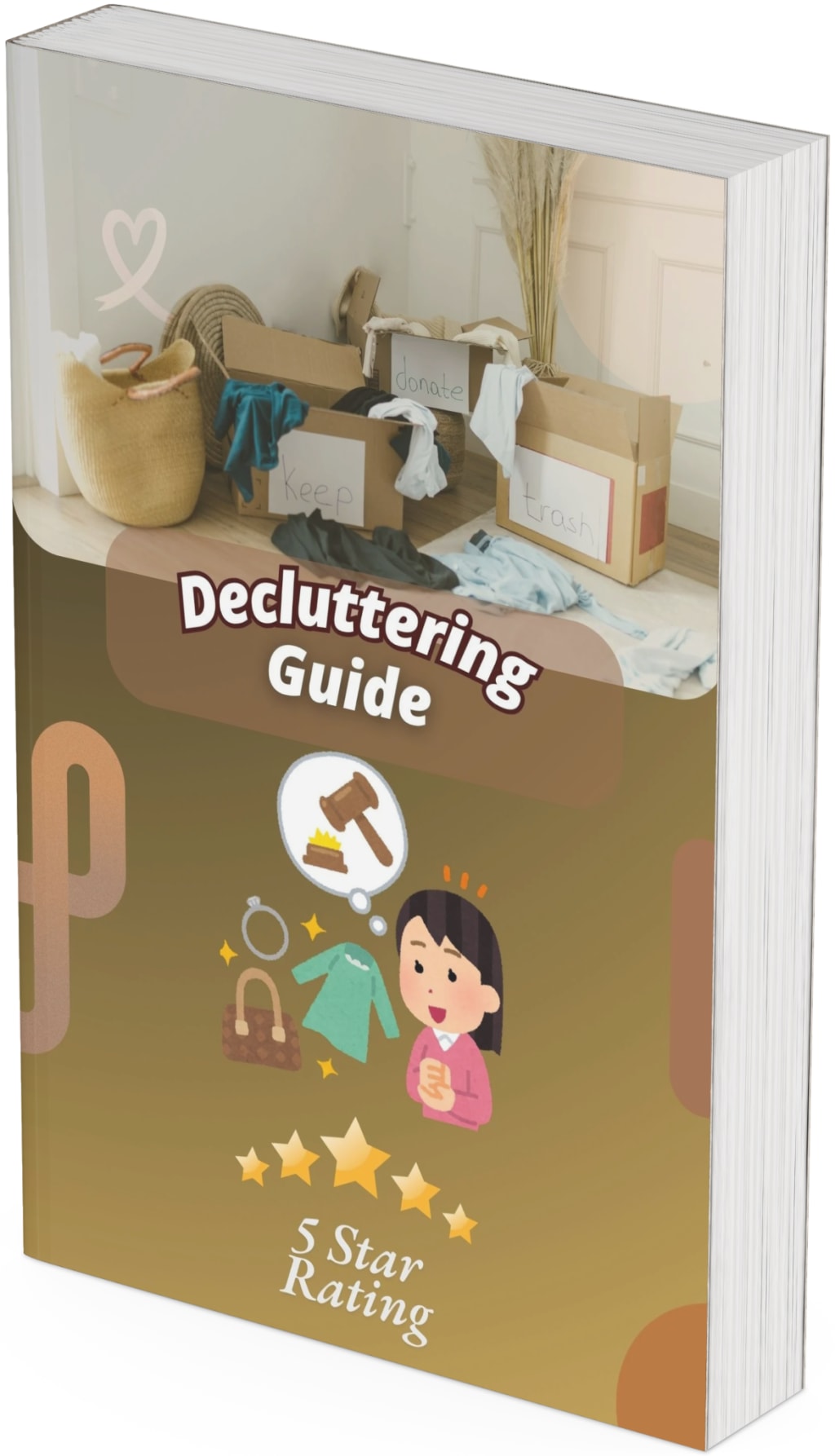
Sort and Categorize: Use the “keep, donate, discard” method to separate items. If you haven’t used something in the past year, consider letting it go.
Create Functional Storage Solutions: Use bins, shelves, and organizers to ensure everything has its place.
Adopt a Minimalist Mindset: Be mindful of what you bring into your home. Avoid unnecessary purchases and prioritize quality over quantity.
Maintain Regular Clean-Ups: Set aside time each week to tidy up and ensure clutter doesn’t build up again.
Step 2: Organizing Your Digital Life
In today's world, digital clutter can be just as stressful as physical clutter. To declutter your digital space:
Clean Up Your Inbox: Unsubscribe from unnecessary emails, delete old messages, and organize emails into folders.
Declutter Your Files: Delete duplicate or outdated files and organize important documents into clearly labeled folders.
Streamline Your Apps and Social Media: Remove unused apps and limit time spent on social media to avoid digital distractions.
Back-Up Important Data: Use cloud storage or external drives to safeguard essential files while keeping your main devices clutter-free.
Set Screen-Free Time: Designate specific times in the day to disconnect from screens and focus on real-world activities.
Step 3: Simplifying Your Schedule
An overloaded schedule can lead to exhaustion and burnout. To declutter your time:
Prioritize Your Commitments: List your obligations and eliminate activities that don’t add value to your life.
Use a Planner or Digital Calendar: Plan tasks ahead to avoid last-minute stress and maintain a balanced routine.
Learn to Say No: Don’t feel obligated to accept every invitation or request. Protect your time and energy by setting boundaries.
Adopt a Routine: Establish daily habits that promote efficiency and reduce decision fatigue.
Schedule Downtime: Make time for relaxation and activities that bring joy, ensuring a healthier work-life balance.
Step 4: Decluttering Your Mind
Mental clutter can be just as overwhelming as physical mess. To achieve mental clarity:
Practice Mindfulness: Engage in meditation, deep breathing, or journaling to clear your thoughts.
Limit Multitasking: Focus on one task at a time to improve efficiency and reduce stress.
Declutter Your Relationships: Surround yourself with supportive and positive people while distancing from toxic influences.
Reduce Negative Self-Talk: Challenge negative thoughts and replace them with constructive affirmations.
Engage in Meaningful Activities: Pursue hobbies and passions that bring fulfillment and a sense of purpose.
Step 5: Maintaining a Decluttered Life
Decluttering is an ongoing process, not a one-time event. To sustain a clutter-free life:
Adopt the One-In, One-Out Rule: For every new item brought in, remove an old one.
Perform Regular Check-Ins: Set monthly or seasonal reviews to assess areas that need decluttering.
Stay Intentional: Continuously evaluate your habits, possessions, and commitments to ensure they align with your goals.
Celebrate Progress: Acknowledge your efforts and enjoy the benefits of a more organized, stress-free life.
By following these steps, you can create a simpler, more intentional lifestyle that enhances your well-being and productivity. Start small, stay consistent, and enjoy the peace that comes with decluttering your life
About the Creator
My New Book is Finally Here
My poetry collection Beautiful and Brutal Things is done. It's actually done and finally published over 270 pages. Over a year of my life went into this book. More than a year, really. Long days at my computer, sometimes seven days a week because I couldn't stop even when I probably should have. Then two months of editing that felt harder than the writing itself. But it's finished, and I'm still standing, and the book is real.
By Tim Carmichael10 days ago in BookClub
Artists of the Arcane: Pamela Colman Smith and Arthur Edward Waite
The Visionaries Behind the Rider‑Waite Tarot Few artistic and mystical collaborations in history have left a mark as profound as the partnership between Pamela Colman Smith and Arthur Edward Waite. The Rider‑Waite Tarot deck, first published in 1909, has become a cornerstone of modern tarot, its imagery instantly recognizable and widely studied. Unlike earlier decks, which often relied heavily on abstract symbolism or esoteric shorthand, this deck transformed tarot into a narrative and visual experience accessible to both practitioners and casual observers. Every card is infused with intentional symbolism, storytelling, and emotional resonance, reflecting a fusion of artistic skill and mystical scholarship rarely achieved in a single work.
By Marcus Hedare7 days ago in BookClub




Comments
There are no comments for this story
Be the first to respond and start the conversation.