
"Columbine" by David Cullen (Book Club Research)
Trigger Warnings!

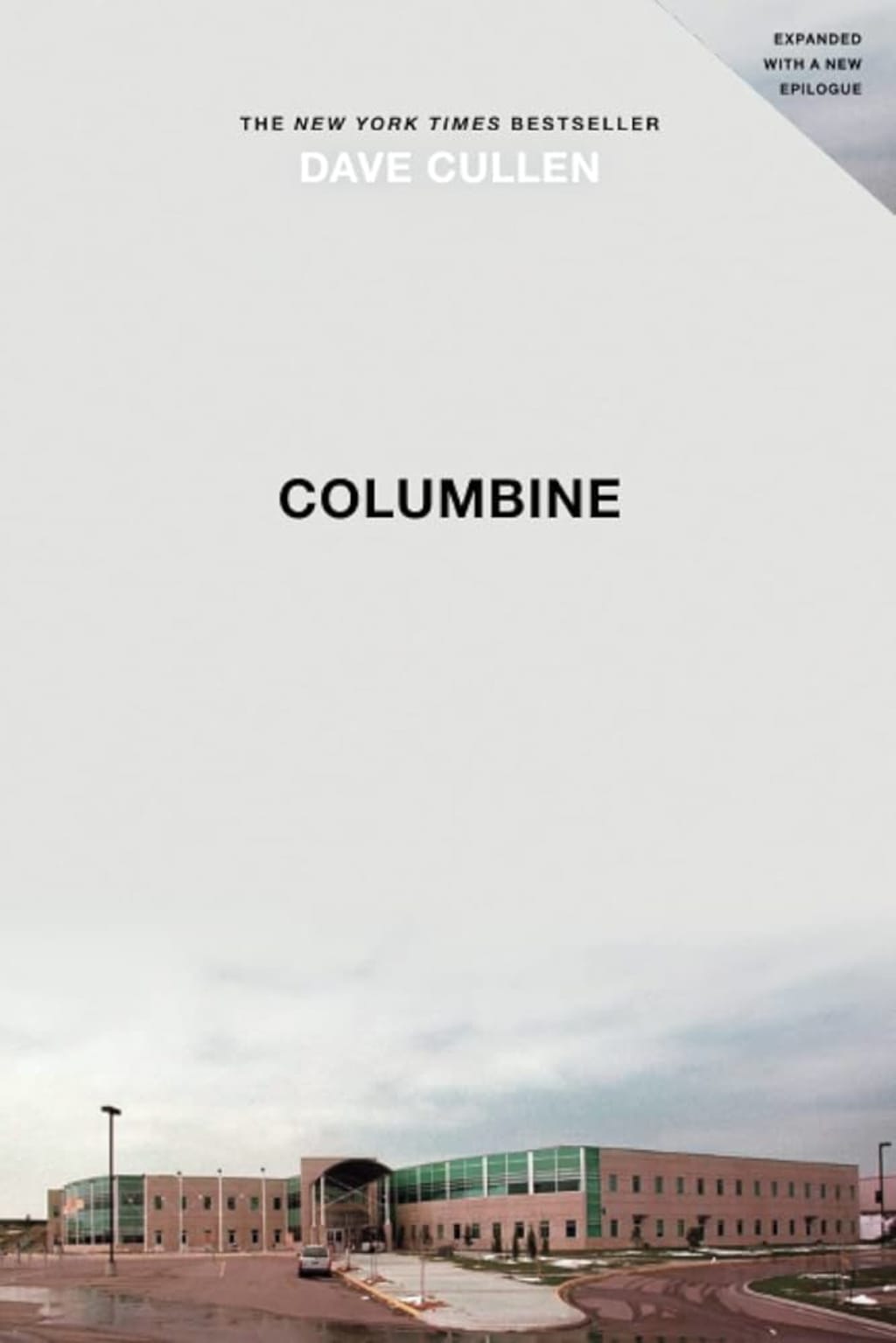
Synopsis:
It is a false script, seized upon by a generation of new killers. In the wake of Newtown, Aurora, and Virginia Tech, the imperative to understand the crime that sparked this plague grows more urgent every year. What really happened April 20, 1999? The horror left an indelible stamp on the American psyche, but most of what we "know" is wrong. It wasn't about jocks, Goths, or the Trench Coat Mafia. Dave Cullen was one of the first reporters on scene, and spent ten years on this book-widely recognized as the definitive account. With a keen investigative eye and psychological acumen, he draws on mountains of evidence, insight from the world's leading forensic psychologists, and the killers' own words and drawings-several reproduced in a new appendix. Cullen paints raw portraits of two polar opposite killers. They contrast starkly with the flashes of resilience and redemption among the survivors.
Discussion Questions:
- How does the book critique the media's coverage of the Columbine High School massacre? In what ways did media narratives shape public perception and understanding of the events?
- Explore the psychological profiles of the perpetrators, Eric Harris and Dylan Klebold, as presented in the book. How does Cullen navigate the challenge of understanding their motivations and mental states?
- How does the book address the issue of bullying and the school culture at Columbine High School? To what extent do you think these factors played a role in the tragedy?
- Discuss the law enforcement response to the Columbine shooting. What were the strengths and weaknesses of the response, and what lessons can be learned from it?
- Analyze the book's exploration of the gun control debate in the aftermath of Columbine. How did the events influence discussions and policies related to gun control?
- Cullen challenges some commonly held beliefs about the Columbine massacre. Discuss instances where the book dispels myths or misconceptions surrounding the events.
- Examine how the Columbine shooting impacted American society, particularly in terms of school safety measures, public perceptions of violence, and the media's approach to reporting on similar incidents.
- The book discusses various warning signs exhibited by the perpetrators. How does Cullen address the issue of identifying and responding to warning signs in potential cases of school violence?
- Explore the cultural and societal influences that may have contributed to the mindset of Eric Harris and Dylan Klebold. How do larger societal issues intersect with the personal struggles of the perpetrators?
- Based on the insights provided in the book, discuss potential strategies for preventing and intervening in similar incidents of school violence. What changes could be made at the societal, institutional, and individual levels?
About the Author:
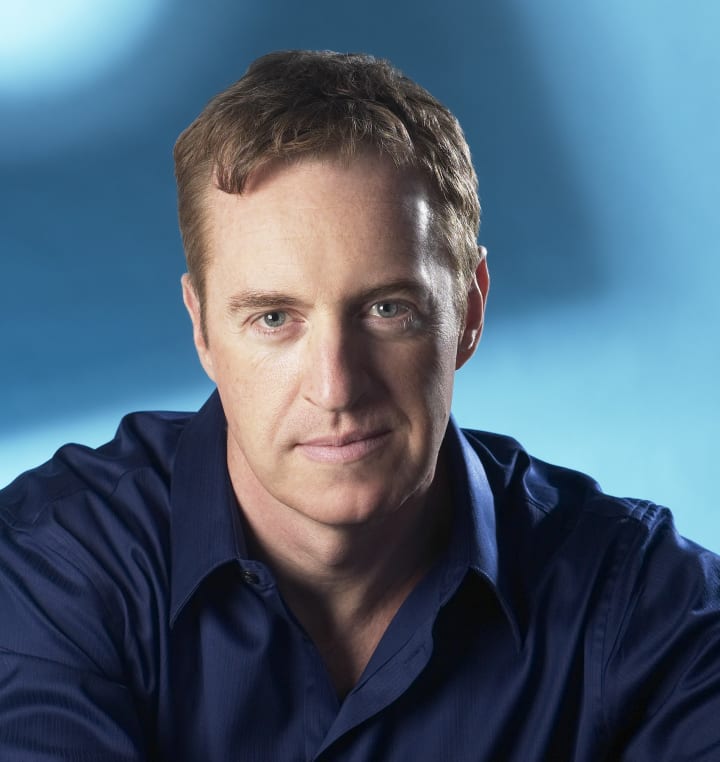
Dave Cullen has a background in journalism and has written for several major publications. He gained widespread recognition for his coverage of the tragic events at Columbine High School in 1999. He spent years researching and reporting on the incident, providing in-depth analysis and debunking certain myths and misconceptions surrounding the event.
In 2009, Dave Cullen published his critically acclaimed book "Columbine," which delves into the details of the Columbine High School massacre and its aftermath. The book offers a comprehensive examination of the tragedy, exploring the lives of the perpetrators, the response of law enforcement, and the impact on American society.
Apart from his work on Columbine, Cullen has contributed to various publications, including The New York Times, Slate, and Salon. His writing often focuses on topics related to crime, violence, and societal issues.
About the Case:
- The Columbine High School shooting occurred on April 20, 1999, in Columbine, Colorado, and it was one of the deadliest school shootings in U.S. history. The perpetrators, Eric Harris and Dylan Klebold, both students at Columbine High School, carried out a planned attack that resulted in the loss of 13 lives (12 students and 1 teacher) and numerous injuries before they took their own lives.
- Harris and Klebold spent months planning the attack, creating homemade bombs and obtaining firearms. They kept their plans largely hidden from their families and friends.
- On the morning of April 20, 1999, Harris and Klebold arrived at Columbine High School armed with firearms, knives, and homemade bombs.
- They initially planted two small propane bombs in the school cafeteria but failed to detonate them as planned.
- Shortly after, they began shooting in the school's hallways and library, targeting both students and faculty.
- Law enforcement and emergency services responded to the scene quickly, and the school was evacuated.
- The SWAT team entered the school and engaged in a tense standoff with the perpetrators.
- In the library, where a majority of the casualties occurred, Harris and Klebold took their own lives around noon.
- The aftermath of the Columbine shooting led to significant discussions and debates on issues such as gun control, school safety, bullying, and the influence of media and entertainment on youth.
- The incident prompted changes in law enforcement tactics and school security measures nationwide.
- The investigation into the motives of Harris and Klebold revealed a complex set of factors, including feelings of alienation, anger, mental health issues, and a desire for notoriety.
- It was determined that the attackers did not specifically target individuals based on characteristics like race or social status, but rather sought to cause widespread harm.
- The Columbine High School shooting had a profound impact on the United States and led to increased awareness and changes in how schools approach issues of safety and mental health. It also triggered ongoing discussions about gun violence prevention and the identification of potential warning signs in troubled individuals.
About the Creator
Kristen Barenthaler
Curious adventurer. Crazed reader. Librarian. Archery instructor. True crime addict.
Instagram: @kristenbarenthaler
Facebook: @kbarenthaler
Keep reading
More stories from Kristen Barenthaler and writers in BookClub and other communities.
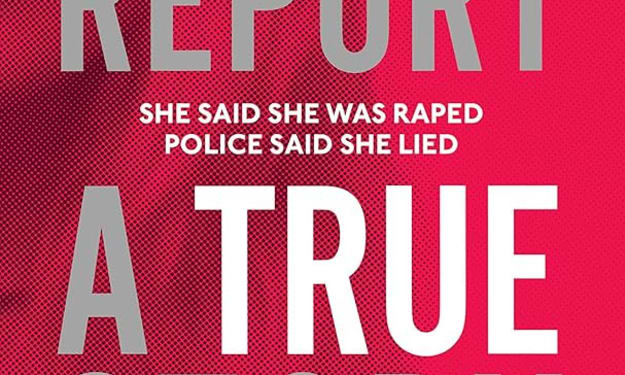
"A False Report" by T. Christian Miller & Ken Armstrong (Book Club Research)
To Synopsis: On August 11, 2008, eighteen-year-old Marie reported that a masked man broke into her apartment near Seattle, Washington, and raped her. Within days police and even those closest to Marie became suspicious of her story. The police swiftly pivoted and began investigating Marie. Confronted with inconsistencies in her story and the doubts of others, Marie broke down and said her story was a lie--a bid for attention. Police charged Marie with false reporting, and she was branded a liar. More than two years later, Colorado detective Stacy Galbraith was assigned to investigate a case of sexual assault. Describing the crime to her husband that night, Galbraith learned that the case bore an eerie resemblance to a rape that had taken place months earlier in a nearby town. She joined forces with the detective on that case, Edna Hendershot, and the two soon discovered they were dealing with a serial rapist: a man who photographed his victims, threatening to release the images online, and whose calculated steps to erase all physical evidence suggested he might be a soldier or a cop. Through meticulous police work the detectives would eventually connect the rapist to other attacks in Colorado--and beyond. Based on investigative files and extensive interviews with the principals, A False Report is a serpentine tale of doubt, lies, and a hunt for justice, unveiling the disturbing truth of how sexual assault is investigated today--and the long history of skepticism toward rape victims.
By Kristen Barenthaler10 months ago in BookClub
My New Book is Finally Here
My poetry collection Beautiful and Brutal Things is done. It's actually done and finally published over 270 pages. Over a year of my life went into this book. More than a year, really. Long days at my computer, sometimes seven days a week because I couldn't stop even when I probably should have. Then two months of editing that felt harder than the writing itself. But it's finished, and I'm still standing, and the book is real.
By Tim Carmichael2 days ago in BookClub
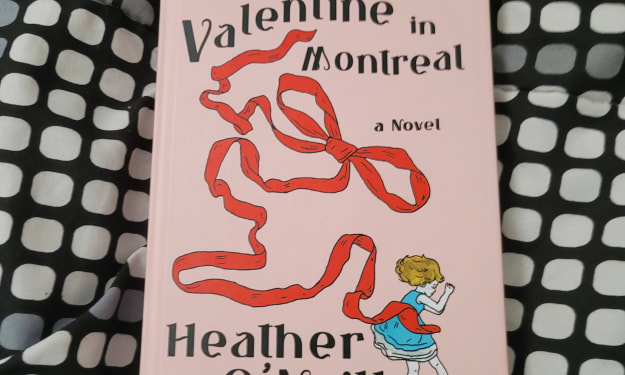
Valentine in Montréal
Don't be fooled by the title. The story is actually very interesting: My name is Valentine. I am twenty-three years old and I work at a little store at Berri-UQAM métro. I am very ordinary-looking and Barney, who works the same shift as me at the store, says I do not know how to dress. I have been working there for four years, and I have never missed a day. This is why sometimes I seem familiar to people, even though they can't place me.
By Kendall Defoe 4 days ago in BookClub
PERCEIVE
I remember as a child growing up, I always look forward to night times where I could go to bed, close my eyes and imagine things. Every night was a continuation from where I left before dozing off the previous night. I imagined all kinds of things that I even created a vision board without realizing it. I imagined myself as someone from a particular family, having a certain skin tone and hair color and going to places with my parents. I remember cutting out pictures from magazines and sticking them onto one of my exercise books dedicated for that purpose. It was enjoyable doing it and I loved it! I don't know when I stopped and why I did. But that was my world of being a child, free from worries and stress, free in my mind, free to create an imaginary world where I found my excitement in. Now if you ask me to tap into this child in me and redo those things, the experience would be different. I would look forward to night times so I can get good night rest.
By Emos Sibu Poriei (Kaya)about 9 hours ago in Chapters


Comments
There are no comments for this story
Be the first to respond and start the conversation.