
"Carrie" by Stephen King
Page to Screen Book Club


About the Book/Movie:
A modern classic, Carrie introduced a distinctive new voice in American fiction -- Stephen King. The story of misunderstood high school girl Carrie White, her extraordinary telekinetic powers, and her violent rampage of revenge, remains one of the most barrier-breaking and shocking novels of all time.
Book vs. Movie:
Time Period:
- Book: Originally published in 1974, the novel is set in that time period.
- Kimberly Peirce's 2013 Version: The film updates the story to a more contemporary setting, reflecting changes in technology, fashion, and societal norms.
Character Portrayals:
- Book: Stephen King's descriptions of characters serve as the basis for readers' mental images.
- Kimberly Peirce's 2013 Version: The film features a new cast, and the actors bring their interpretations to the characters. Some character dynamics and personalities may be portrayed differently.
Expanded Character Backgrounds:
- Book: King's novel provides detailed backgrounds for characters, including Carrie and her classmates.
- Kimberly Peirce's 2013 Version: The film includes additional scenes that delve into characters' backgrounds and experiences, providing more context for their actions.
Modernization of Themes:
- Book: The novel addresses issues of bullying, adolescence, and the abuse of power, relevant to the 1970s.
- Kimberly Peirce's 2013 Version: The film updates these themes to align with contemporary issues and concerns, incorporating elements of cyberbullying and social media.
Prom Scene:
- Book: The climactic prom scene is depicted as a pivotal moment in Carrie's life.
- Kimberly Peirce's 2013 Version: While the overall events of the prom are similar, the film may include variations in the sequence of events, character interactions, or visual presentation.
Ending:
- Book: King's novel concludes with an aftermath that includes some reports and excerpts from interviews.
- Kimberly Peirce's 2013 Version: The film's ending may differ in its presentation and focus compared to the book.
Visual Style and Special Effects:
- Book: As a literary work, the novel relies on written descriptions to evoke images in the reader's mind.
- Kimberly Peirce's 2013 Version: The film employs visual effects to bring Carrie's telekinetic abilities to life, presenting a more direct and visceral interpretation of the events.
Character Empathy:
- Book: Readers form connections with characters through King's narrative style and detailed characterizations.
- Kimberly Peirce's 2013 Version: The film emphasizes character relationships and empathy, providing a visual and emotional depth that complements the source material.
Portrayal of Carrie's Mother:
- Book: Margaret White, Carrie's mother, is depicted with the details provided by King.
- Kimberly Peirce's 2013 Version: Julianne Moore, who plays Margaret White in the film, brings her interpretation to the character, and the film may explore certain aspects of their relationship differently.
Tone and Atmosphere:
- Book: Readers experience the story through King's narrative tone and style.
- Kimberly Peirce's 2013 Version: The film's direction, cinematography, and music contribute to its unique tone and atmosphere.
Discussion Questions:
General Questions:
Adaptation Choices:
- How did the filmmakers interpret Stephen King's novel in their respective adaptations? Discuss the choices made in terms of storytelling, pacing, and characterization.
Character Portrayals:
- How do the portrayals of Carrie and other characters in the movies compare to your mental images while reading the book? Do the actors capture the essence of the characters as described in the novel?
Visual Representation:
- Consider the visual representation of Carrie's telekinetic abilities. How did your imagination compare to the special effects used in the films? Do you think the visual aspects added or detracted from the story?
Brian De Palma's 1976 Version:
Cinematic Style:
- Discuss Brian De Palma's directorial style in the 1976 adaptation. How does his approach contribute to the horror and suspense elements in the film?
Changes in Plot or Ending:
- Analyze any significant changes or deviations from the book's plot in the 1976 version. Were there alterations to the ending, and if so, how did they impact the overall story?
Impact of Music:
- The film's musical score, especially the use of the song "Carrie," is notable. How does the music contribute to the atmosphere and tone of the film? Does it align with the emotional experience you had while reading the book?
Kimberly Peirce's 2013 Version:
Modernization and Updates:
- How does the 2013 adaptation update the story for a more contemporary audience? Are there changes in technology, social dynamics, or cultural references that stand out?
Character Empathy:
- Kimberly Peirce's adaptation places a greater emphasis on character relationships and empathy. Discuss how this affects the emotional impact of the film compared to the book and the 1976 version.
Additional Scenes or Background:
- The 2013 version includes some scenes that delve into Carrie's background and experiences. How do these additional scenes contribute to the character development and narrative?
Comparative Questions:
Faithfulness to the Source Material:
- Compare the faithfulness of each adaptation to Stephen King's original novel. Which version do you feel stays truer to the source material, and why?
Impact of Different Endings:
- If there are differences in the endings between the book and the two movies, discuss the impact of these variations on the overall message and tone of the story.
Cultural and Social Context:
- Consider the cultural and social context of each adaptation's release. How do the films reflect or respond to the societal concerns or attitudes of their respective times?
About the Creator
Kristen Barenthaler
Curious adventurer. Crazed reader. Librarian. Archery instructor. True crime addict.
Instagram: @kristenbarenthaler
Facebook: @kbarenthaler
Keep reading
More stories from Kristen Barenthaler and writers in BookClub and other communities.
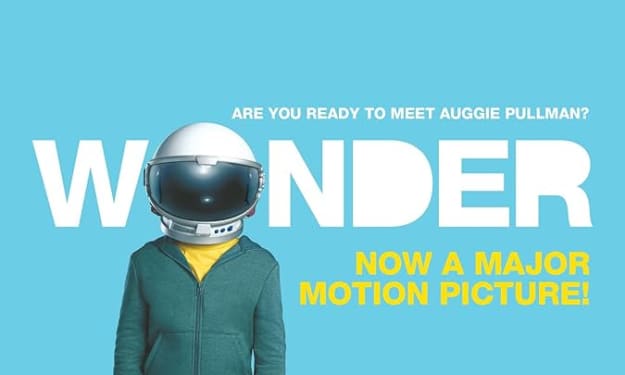
"Wonder" by R.J. Palacio
About the Book/Movie: I won't describe what I look like. Whatever you're thinking, it's probably worse. August Pullman was born with a facial difference that, up until now, has prevented him from going to a mainstream school. Starting 5th grade at Beecher Prep, he wants nothing more than to be treated as an ordinary kid--but his new classmates can't get past Auggie's extraordinary face. Beginning from Auggie's point of view and expanding to include his classmates, his sister, her boyfriend, and others, the perspectives converge to form a portrait of one community's struggle with empathy, compassion, and acceptance. In a world where bullying among young people is an epidemic, this is a refreshing new narrative full of heart and hope. R.J. Palacio has called her debut novel "a meditation on kindness" --indeed, every reader will come away with a greater appreciation for the simple courage of friendship. Auggie is a hero to root for, a diamond in the rough who proves that you can't blend in when you were born to stand out.
By Kristen Barenthalerabout a year ago in BookClub
8 Self-Help Books You Must Read In 2026
In a world defined by rapid change, constant noise, and rising mental health challenges, self-help books have become trusted companions for millions seeking clarity, resilience, and purpose. We’ve seen how the right book, read at the right moment, can act like a compass—quietly but powerfully redirecting the course of a life.
By Diana Merescabout 4 hours ago in BookClub



Comments
There are no comments for this story
Be the first to respond and start the conversation.