
Bringing Stories to Life: The Art of a Children's Book Illustrator
The Art of a Children's Book Illustrator
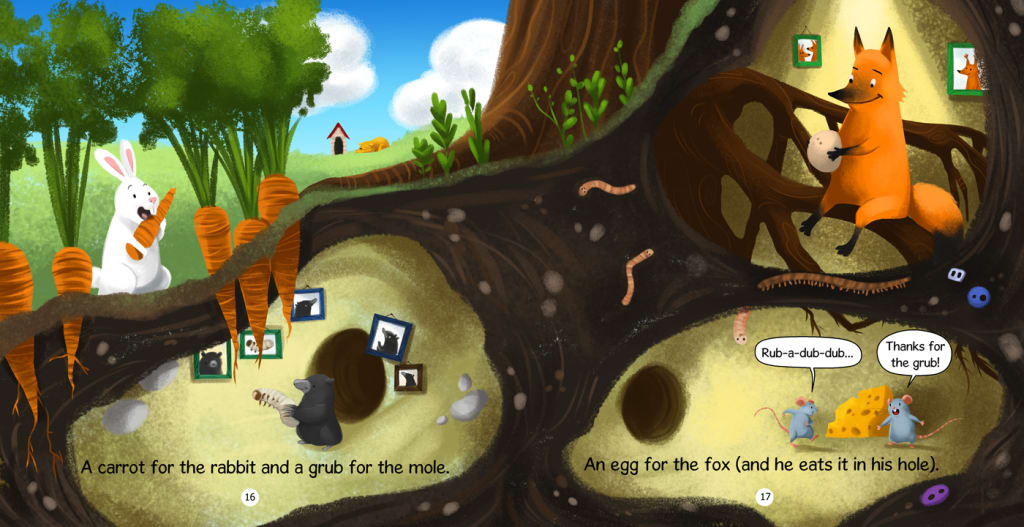
Through children's books, readers discover magical doorways that lead them to imaginative realms that offer endless, fresh adventures. Each beloved story needs a skilled artist who uses illustrations to animate words while molding how children experience the story's narrative. Children's book illustrators combine an extensive creative skill set with essential responsibilities to form images that teach and engage their audience through meaningful illustrations.
This article examines the creative process behind children's book illustration, including its unique nature and the techniques artists use to animate written stories.
The Magic of Children’s Book Illustration
Children's literature functions through illustrations, which act as its core components. The main way young readers who may not know how to read understand stories comes through illustrations. The artwork of a proficient children's book illustrator goes beyond creating pleasant drawings to establish visual storytelling that strengthens the book's content while potentially expanding the author's message.
Illustrations can:
Set the Mood: Through their combination of color palettes, texture choices, and artistic styles, illustrators generate emotional responses from readers just as effectively as a feeling of warmth in a snug home or depth of mystery in a concealed forest.
Clarify the Story: Illustrations teach Children complex concepts, unfamiliar environments, and new vocabulary.
Encourage Imagination: Their colorful, creative pictures and illustrations draw readers into experiencing the narrative firsthand.
Promote Diversity: When illustrations include different perspectives and cultures, they help children identify with themselves and their peers in the narrative they read.
The Creative Process: From Concept to Final Art
Book illustration development for children's literature combines artistic creativity with mutual work between creators. The following steps demonstrate how illustration work moves from conceptual stages toward finished artwork.
1. Understanding the Story
The illustrator performs a meticulous reading of the manuscript, which they do repetitively before beginning their drawings. The artist identifies crucial story elements that require visual importance for maximum impact. Successfully representing a children's story requires awareness of the author's goals and accurately identifying the target readers' age level.
2. Character Design
Children's books rest entirely on the shoulders of their characters. Illustrators draw multiple versions of their main characters while testing expressions alongside body movements and dressing choices to discover the most suitable look. Story readers need consistent character representation because it provides recognition from one page to the next.
3. Thumbnail Sketches and Storyboarding
Illustrators develop blueprint sketches named thumbnails, which help plan the sequence of pages throughout the book. A well-organized visual pattern in the book becomes possible because of this preparation process.
4. Color and Style Exploration
The choice of art medium, between watercolor, digital, collage, and mixed media, determines how a book will feel based on its artistic direction. Throughout their work, illustrator users try different color schemes and texture applications that match the narrative's emotional tenor, whether cheerful or relaxed.
5. Final Illustrations
The approved sketches trigger the illustrator to begin creating final artwork. During this development stage, the user needs extreme accuracy, steady composure, and exact visual perception. Each illustration needs professional attention to present as a printed or digital art piece.
6. Collaboration and Revision
Artists collaborate continuously with authors, editors, and art directors during production. The author and publisher work together to implement feedback, guaranteeing that illustrations match the narrative and satisfy publishing requirements.
Pivotal Elements for Exceptional Children's Book Illustrators
The distinct requirements of children's book illustration fit only certain types of artists. To work in children's book illustration, one must possess a particular combination of essential abilities and character traits.
Strong Drawing and Composition Skills: Illustrators must design captivating images whose aesthetic works with a book's page limitations.
Versatility: To cater to different publishing requirements such as genre, age demographics, and cultural perspectives, illustrators need flexible artistic practices.
Empathy and Sensitivity: Understanding child psychology helps artists develop artwork that connects emotionally with audiences of different ages.
Storytelling Ability: Illustrators are visual storytellers who translate emotion, action, and meaning into their artwork.
Attention to Detail: All story elements, including facial expressions and background components, create essential parts of the story's cumulative effect.
Collaborative Spirit: Successful projects require authors, editors, and publishers to work with you.
The visualization art inside children's literature significantly affects their reading comprehension.
Book illustrations mold children's reading comprehension and their interpretations of world elements. Here's how:
1. Building Literacy Skills
Emergent readers can use illustrations to decode written text, alongside building their vocabulary through visual learning. As a result, children learn to make story forecasts and ask story-related inquiries while they develop a better relationship with the content.
2. Fostering Emotional Intelligence
Visual content in illustrations teaches kids to identify feelings while showing how emotions look when experienced by themselves or others. Through well-drawn illustrations, we learn about emotions to better understand our feelings and those of others.
3. Encouraging Creativity and Imagination
Children develop their storytelling abilities through vibrant illustrations while simultaneously developing skills in drawing and dreaming. Art is a transformative tool that demonstrates infinite possibilities while pointing out how powerful expression through art can be.
4. Promoting Diversity and Inclusion
Through illustration, artists can depict diverse cultures with different abilities and family styles. Books depicting children reflect their identity, leading to elevated self-esteem and emotional connection to their community.
Tips for Aspiring Children’s Book Illustrators
Build a Strong Portfolio: Create multiple illustrations showing different styles and subjects that reflect your broad capabilities.
Study Children's Books: Learn how various illustrators manage character design while building composition and developing storytelling methods.
Practice Storytelling: Prepare illustrated story sequences while adapting traditional narratives through your distinctive artwork.
Network and Collaborate: Access online communities while attending workshops to connect with both authors and publishers in your industry.
Stay Open to Feedback: Constructive feedback requires you to embrace the revision process for your work.
Keep Learning: Explore new methods, digital instruments, and innovative mediums to maintain the freshness and innovation in your artwork.
Conclusion: The Enduring Magic of Illustration
Children's book illustration requires a harmonious coexistence of artistic skill, heart, and creativity. Illustrator work provides young readers new worlds while igniting imagination until the artwork creates enduring memories. Through their artwork, illustrators demonstrate how visual storytelling functions and the fundamental pleasure of story animation.
Any member of the community or aspirant artist can find beauty when they observe how children's book illustrators skillfully depict their artwork one picture at a time. Children's book illustrations both enhance reading enjoyment and play a role in developing the emotional and intellectual outlook of future generations.
About the Creator
Keep reading
More stories from Deveostudio Illustration & Animation and writers in BookClub and other communities.
Rise of "Naïve" Style in Children's Book Illustrator Works
In recent years, the world of children's book illustration has seen a delightful surge in the popularity of the "naïve" style. Simple colors, loose lines, and an overall childlike aesthetic characterize this approach to illustration.
By Deveostudio Illustration & Animation9 months ago in BookClub
Rachel Reviews: The Spiral Archive by Pieter Hendrik
It's difficult for me to know where to start with a review of this book as it was, for me, an entirely unique experience and one that I'll probably never have again. I don't want that to be interpreted as unenjoyable but it has left me scratching my head a little and ruminating on its content, its themes and its characters.
By Rachel Deeming7 days ago in BookClub
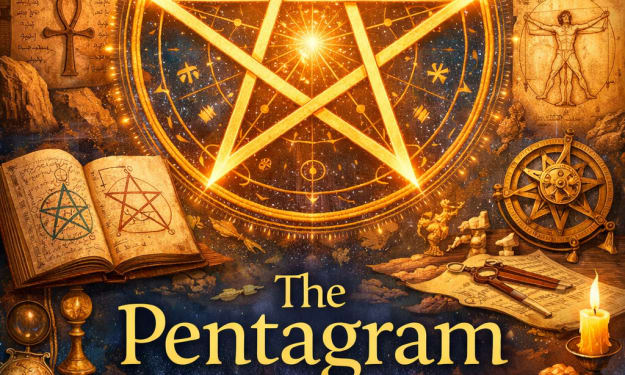
The Pentagram
A Symbol Older Than Written Memory The pentagram ranks among the oldest geometric symbols known to human civilization. Defined as a five-pointed star formed by a single unbroken line, the figure appears in material culture dating back more than five thousand years. Archaeological evidence places early examples in Mesopotamian inscriptions, where the form carried associations with celestial order, spatial direction, and authority. From those earliest appearances, the pentagram moved fluidly across cultures, languages, and belief systems, adapting its meaning while retaining its distinctive structure.
By Marcus Hedare4 days ago in BookClub
The CEO of Everything
They say "jack of all trades, master of none," but they forgot to mention the part where the jack of all trades is also the camera woman, the makeup artist, and the person currently yelling at a tangled Wii microphone cable in a her own bathroom while recording herself singing and trying to make it look realistic and professional. (As professional as you can make it with nothing but a cell phone camera and a mic that doesn't work)
By Sara Wilson7 days ago in Humans



Comments
There are no comments for this story
Be the first to respond and start the conversation.