
Rise of "Naïve" Style in Children's Book Illustrator Works
Children's Book Illustrator

In recent years, the world of children's book illustration has seen a delightful surge in the popularity of the "naïve" style. Simple colors, loose lines, and an overall childlike aesthetic characterize this approach to illustration.
As we explore this trend, it is essential to understand the naïve style and why its rise matters for authors, publishers, and anyone looking to become a children's book illustrator for hire.
Whether you are seeking a children's book illustrator for your latest project or are interested in how this trend can impact storytelling, read on to discover the charm and significance of this unique artistic style.
What is the "Naïve" Style?
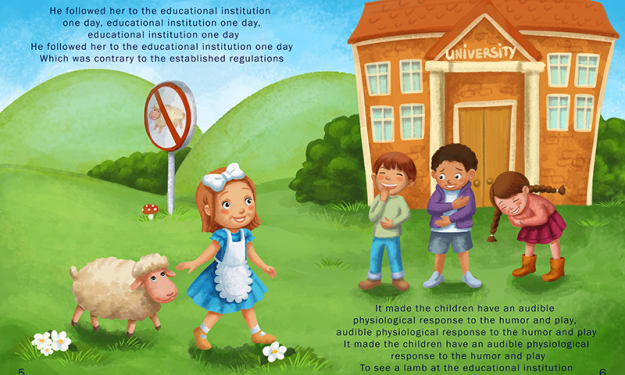
The naïve style of illustration is a celebration of simplicity in design. It welcomes rough strokes and little detail and even looks like children's drawings. The defining characteristic of this style is its easy-going lines, which may be achieved through felt-tip pen marks or pencil scratches, and a restricted but expressive color scheme. These images convey an impression of honesty, warmth, and approachability, making stories more accessible and inviting to young readers.
This style's emotional resonance is powerful; it can evoke the sincerity of childhood innocence and purity, creating a bond between the illustration and the story. Children are immediately drawn to imagery that reflects their self-expression as artists; thus, the naïve style is ideally suited for children's books.
Why is the Naïve Style Popular in 2025?
The naïve style trend of children's book illustration was front and center during the Bologna Children's Book Fair, one of the most prestigious international exhibitions of children's literature. There, numerous prize-winning artists had their work exhibited in this style, emphasizing the increasing visibility.
Culturally, the pendulum has swung from ultra-smooth computer art to more genuine, hand-drawn looks. Today's Parents and teachers appreciate creativity, expressiveness, and familiarity; they see these elements in the naïve aesthetic. Computer programs have also brought about this change, enabling artists to combine traditional methods with new technology and create layered, textured graphics that retain a handmade quality.
Today's themes in children's books- inclusivity, diversity, and emotional literacy; find themselves perfectly harmonious with the naïve style. Such stories, told in a naïve style, tend to become more genuine and friendly, creating a setting where tricky subjects can be presented to kids with warmth and sensitivity.
Characteristics of the Naïve Style
The naïve style has many characteristics to its name:
• Color Schemes: Illustrations have simple, subdued, or pale color bases with sharp accent colors added to highlight the focus.
• Lines and Brush Strokes: Lines are free and spontaneous, much like a child's artwork lacks strict guidelines.
• Negative Space: The careful application of negative space and restraint engages the imagination, inviting children to complete the blanks with creative interpretations.
• Imperfect Forms: This technique concentrates on natural, imperfect forms. The focus is on the emotion expressed rather than technical accuracy, allowing children to associate more thoroughly with the visual content.
Why Authors and Publishers Love the Naïve Style
Naïve style has been luring authors and publishers more often these days because:
• Engagement: The technique tends to render tales more familiar and visually appealing, ensuring kids remain engaged throughout the reading content.
• Market Differentiation: In a saturated market, a clean, contemporary appearance is eye-catching and attractive to children and parents.
• Theme Versatility: The naïve style is versatile enough to accommodate a broad spectrum of themes, from fun adventures to delicate subjects such as diversity and mental health.
• Accessibility for Self-Publishing: As self-publishing increases, more writers can find a children's book illustrator to provide this in-demand style.
Naïve Style in Action: Prominent Examples
Several famous artists illustrate the naïve style quite well. Andrea Antinori, for example, has gained fame for her award-winning art, which applies basic shapes and emotive lines to portray childhood.
Children’s book illustrators tend to blend classic media, such as watercolor, pencil, and engraving, with computer enhancements so that they can still have their desired look without losing the whimsical appeal of the naïve style.
Book covers and spreads created using this art style instantly communicate mood and story, enticing children to enter their pages.
How to Find Children's Book Illustrator for Hire in the Naïve Style
If you need a children's book illustrator for hire specializing in naïve style, these are some tips:
• Portfolio Review: Look for portfolios featuring loose lines, simple colors, and childlike compositions.
• Request Samples: If you find an artist who looks promising, ask for sample sketches to ensure that their interpretation aligns with what you have in mind for the project.
• Balance of Techniques: Ask the children’s book illustrator to explain how they balance old and new techniques for attaining texture and feeling.
• Discuss Practicalities: Address frequent pricing, contracts, and rights questions to ensure smooth collaboration.
Impact on Storytelling and Child Development
The naïve illustration style has a significant influence on child development and storytelling. Naïve style illustration promotes empathy and emotional attachment, enabling children to connect more personally with the story. The artwork's minimalism strengthens a sense of safety and security, facilitating easy connections with the themes and characters by younger readers.
In addition, visually stimulating books have the potential to help children understand complex themes, ranging from inclusion to mental health issues. Illustrations that facilitate imagination and creativity enable children to understand stories in their way, developing critical thinking and fostering interactive learning.
Future Directions: Where is the Naïve Style Headed?
Looking to the future, it appears that naïve style is set to keep increasing popularity in children's books. Writers and publishing companies will seek this medium due to its expressiveness and simplicity. Combining digital and interactive elements, such as AR, will enhance the capabilities of naïve style while remaining appealing and refreshing to the viewer.
In addition, as art movements change, the naïve style will most certainly merge with new technologies, opening the door to new stories that continue to value the hand-drawn charm that characterizes this popular style.
Takeaway
The rise of the naïve style in book illustration highlights a significant trend towards warmth, honesty, and inclusivity in storytelling. For authors, publishers, and anyone seeking a children's book illustrator for hire, considering this artistic approach can significantly enhance the impact of their projects. It bridges the gap between art and storytelling, creating lasting connections with young readers and shaping the future of children's literature. As we celebrate this style, we also recognize the enduring value of art that resonates with the innocence and curiosity of childhood.
About the Creator
Keep reading
More stories from Deveostudio Illustration & Animation and writers in BookClub and other communities.
Networking Tips for Children’s Book Illustrators to Get Clients
Being a talented children’s book illustrator is only half the battle. You can have a sketchbook full of faeries, enchanted forests, and swoon-worthy character faces—but if nobody is looking at your work, it's like tossing confetti in an empty room. Okay, yeah, it's pretty, but nobody's partying.
By Deveostudio Illustration & Animation9 months ago in BookClub
Rachel Reviews: The Spiral Archive by Pieter Hendrik
It's difficult for me to know where to start with a review of this book as it was, for me, an entirely unique experience and one that I'll probably never have again. I don't want that to be interpreted as unenjoyable but it has left me scratching my head a little and ruminating on its content, its themes and its characters.
By Rachel Deeming7 days ago in BookClub
7 Books That Take Less Than a Week to Finish
In a world overflowing with information, notifications, and endless to-do lists, finding time to read can feel like a luxury. Yet reading remains one of the most powerful ways to sharpen our thinking, deepen our empathy, and expand our perspective—often in just a few hours a day. The good news? You don’t need months to finish a life-changing book.
By Diana Meresc6 days ago in BookClub


Comments
There are no comments for this story
Be the first to respond and start the conversation.