
Boost Your Productivity and Well-Being
3 Must-Read Books for Remote Workers


The world of work has undergone a significant transformation in recent years, with remote work becoming the new norm for many professionals. As we continue to adapt to this flexible work arrangement, it's essential to recognize the unique opportunities it presents, including the chance to cultivate personal growth, productivity, and well-being from the comfort of our homes. One powerful tool that can help us harness these opportunities is reading.
Books have the remarkable ability to transport us to different worlds, challenge our thinking, and inspire personal development. For those who work from home, the right books can serve as both a source of motivation and a toolkit for success in this remote landscape. In this article, we'll explore three such books that are must-reads for anyone looking to thrive while working remotely.
The Book You Wish Your Parents Had Read
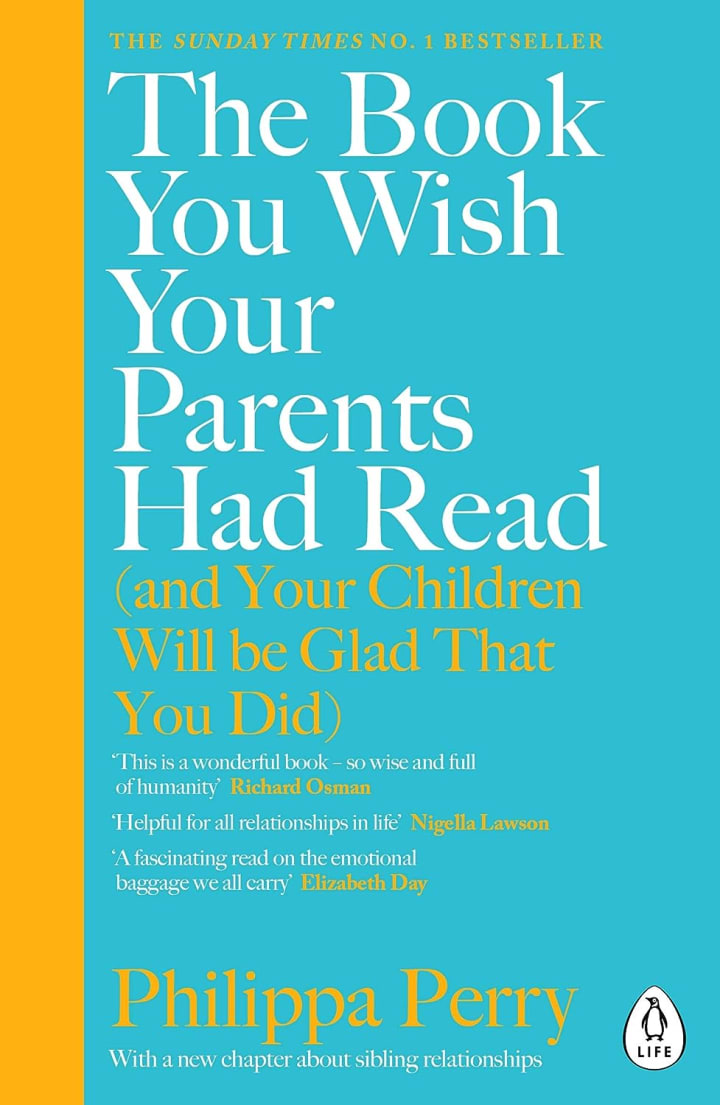
"The Book You Wish Your Parents Had Read (and Your Children Will Be Glad That You Did)" is a non-fiction book written by British psychotherapist and author Philippa Perry. Published in 2019, this book delves into the complex dynamics of parent-child relationships, offering guidance and insights aimed at fostering healthier and more nurturing connections between parents and their children.
Overview:
In "The Book You Wish Your Parents Had Read," Philippa Perry draws upon her extensive experience as a psychotherapist to explore various aspects of parenting. Her approach is compassionate and empathetic, and she combines psychological research with personal anecdotes to offer a holistic perspective on raising children.
Key themes and concepts explored in the book include:
Emotional Resonance: Perry emphasizes the importance of emotional attunement between parents and children. She discusses how parents can create an emotionally supportive environment where children feel seen, heard, and valued.
Attachment: The book delves into attachment theory and how secure attachments are crucial for a child's emotional development. Perry provides practical advice on fostering healthy attachment relationships.
Communication: Effective communication is a cornerstone of any healthy relationship. Perry offers guidance on how parents can improve their communication with their children, including tips on active listening and empathetic responses.
Boundaries: Perry explores the necessity of setting clear and appropriate boundaries for children, balancing freedom with structure, and providing a sense of safety and consistency.
Empathy and Understanding: Throughout the book, the author underscores the importance of empathy, understanding, and validation in a child's life. She encourages parents to acknowledge their own emotional responses and triggers, which can lead to more empathetic parenting.
Parenting Styles: Perry examines different parenting styles and their potential impacts on children's development. She helps parents reflect on their own parenting approaches and make positive adjustments.
Resilience and Growth: The book acknowledges that parenting can be challenging, and Perry reassures parents that making mistakes is part of the process. She emphasizes that a willingness to learn and grow as a parent is essential.
"The Book You Wish Your Parents Had Read" is not a prescriptive parenting manual but rather a thoughtful exploration of the emotional landscape of parenting. Philippa Perry encourages parents to reflect on their own experiences and emotional baggage, fostering a deeper understanding of how their upbringing may influence their parenting style.
How to Win Friends and Influence People
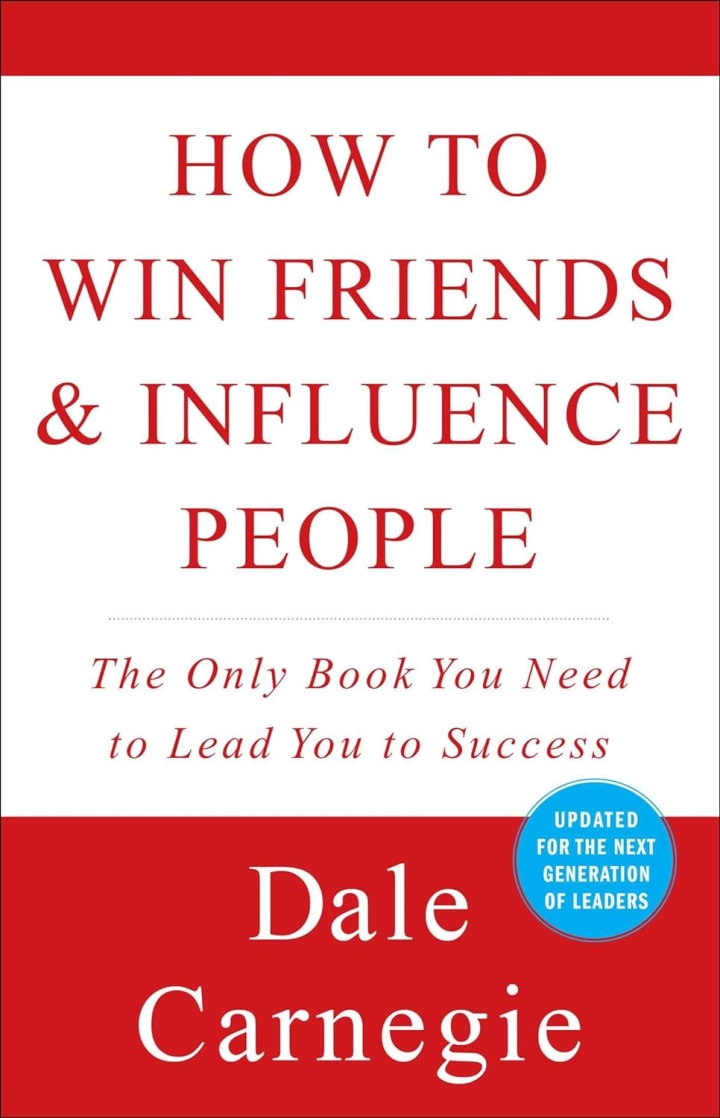
"How to Win Friends and Influence People" is a timeless self-help book written by Dale Carnegie. Originally published in 1936, this book has become one of the most influential and bestselling books of all time. It provides valuable insights and principles on building meaningful relationships, improving communication skills, and becoming more influential in both personal and professional life.
Overview:
Dale Carnegie's book is divided into several sections, each containing principles and guidelines for achieving success in various aspects of life. Here's an overview of the key themes and principles explored in "How to Win Friends and Influence People":
Fundamental Techniques in Handling People: The book begins by emphasizing the importance of understanding human nature. It introduces the concept that people's actions are primarily driven by their desires and interests. Carnegie stresses the need to show genuine appreciation, avoid criticism, and arouse enthusiasm in others.
Six Ways to Make People Like You: Carnegie discusses six fundamental principles for winning people over, including showing a genuine interest in others, smiling, remembering and using people's names, and talking in terms of their interests.
How to Win People to Your Way of Thinking: This section explores effective communication techniques, such as avoiding arguments, showing respect for others' opinions, and allowing people to save face when they are wrong. Carnegie also emphasizes the power of asking questions and letting others express their ideas.
Be a Leader: How to Change People Without Giving Offense or Arousing Resentment: Carnegie offers strategies for becoming a more influential and effective leader. This includes encouraging cooperation, inspiring enthusiasm, and providing praise and appreciation.
Letters That Produced Miraculous Results: The book provides real-life examples of letters that led to remarkable transformations in people's lives, demonstrating the practical application of the principles discussed.
Seven Rules for Making Your Home Life Happier: Carnegie extends the principles of effective communication and relationship-building to the realm of family and home life, offering guidance on creating a harmonious and loving environment.
Throughout the book, Carnegie illustrates his principles with compelling anecdotes and real-life stories of individuals who applied his advice to achieve personal and professional success. He emphasizes the importance of sincerity, empathy, and a genuine interest in others as key ingredients for building positive relationships.
In summary, "How to Win Friends and Influence People" remains a classic guide to improving interpersonal skills, communication, and influence. Its enduring popularity is a testament to the enduring relevance of Carnegie's principles in fostering more meaningful and harmonious relationships, whether in the workplace, social settings, or personal life. Readers continue to find value in its timeless advice on how to connect with people, earn their respect, and positively impact their lives.
The Boy, the Mole, the Fox and the Horse
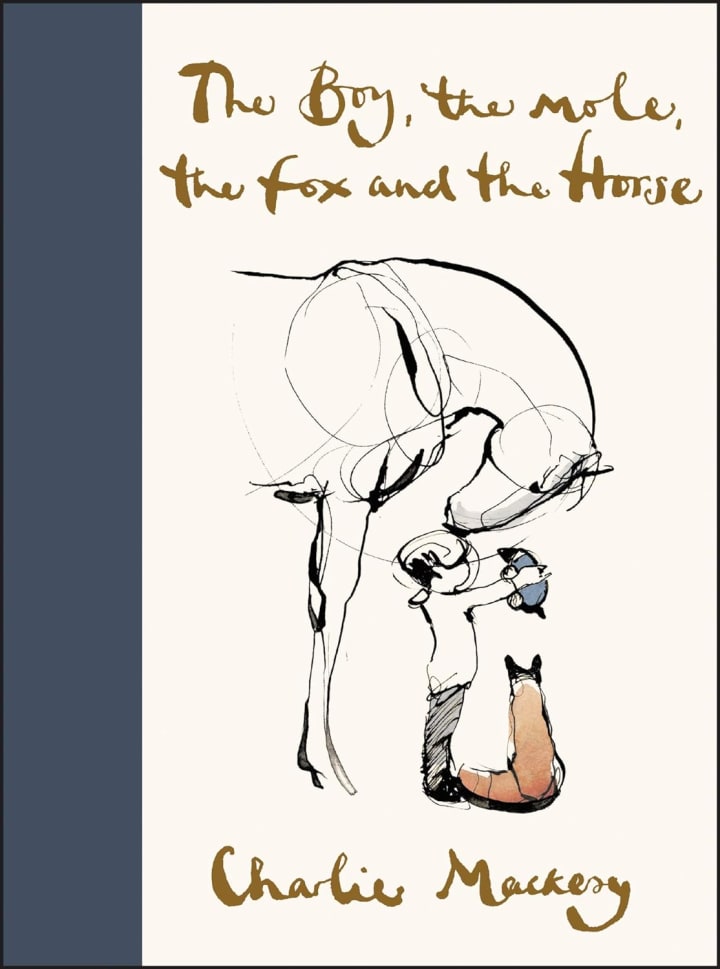
"The Boy, the Mole, the Fox, and the Horse" is a heartwarming and visually stunning illustrated book by British artist and author Charlie Mackesy. Published in 2019, this book has garnered widespread acclaim for its messages of friendship, kindness, and resilience. It combines Mackesy's beautiful watercolor illustrations with simple yet profound text to tell a touching and uplifting story.
Overview:
The book follows the journey of four unlikely friends: a young boy, a mole, a fox, and a horse. Each character possesses unique qualities that make them endearing and relatable to readers of all ages. Together, they embark on an adventure through a whimsical and sometimes challenging landscape.
Key themes and messages explored in "The Boy, the Mole, the Fox, and the Horse" include:
Friendship: At its core, the book is a celebration of friendship and the power of human connection. The characters support and care for one another, demonstrating that genuine bonds can form between even the most different of beings.
Kindness: Throughout their journey, the characters demonstrate acts of kindness and empathy, emphasizing the importance of treating others with compassion and understanding.
Resilience: The characters face adversity and uncertainty during their adventure, highlighting the importance of resilience and the ability to overcome life's challenges.
Acceptance and Self-Love: The characters learn to accept themselves and each other, embracing their flaws and imperfections. This message encourages readers to practice self-compassion and self-acceptance.
Courage: The book encourages readers to face their fears and confront difficult situations with courage and a positive outlook.
Appreciation of the Present Moment: The characters often engage in conversations about the beauty of the present moment, reminding readers to savor the simple pleasures in life.
What sets this book apart is Charlie Mackesy's enchanting artwork, which complements the text beautifully. His watercolor illustrations are both charming and evocative, bringing the characters and their world to life. The simplicity of the text combined with the depth of the illustrations makes the book accessible to readers of all ages, including children and adults.
"The Boy, the Mole, the Fox, and the Horse" is a timeless and emotionally resonant book that has touched the hearts of readers around the world. It offers a poignant reminder of the enduring values of friendship, kindness, and resilience and serves as a source of comfort and inspiration during challenging times. Whether read individually or shared with loved ones, this book continues to spread its message of love, hope, and the beauty of the human spirit.
About the Creator
Keep reading
More stories from buddhaBeWell and writers in BookClub and other communities.
Discovering Air Fryers and the Ideal Brand
In recent years, a remarkable kitchen gadget has taken the culinary world by storm—the air fryer. It's not just another kitchen appliance; it's a game-changer that promises to revolutionize the way you cook. If you're still using traditional frying methods, it's time to discover the incredible benefits of the air fryer.
By buddhaBeWell2 years ago in Humans
The Planned Obsolescence of the Jedi Order
“Bound by temples and codes, the Force grows thin, for flow it must, not sit in stone. When orders cling to their names, blind they become to the living light. Only when the old walls fall does the Force remember how to breathe.”
By Peter Ayolov3 days ago in BookClub




Comments
There are no comments for this story
Be the first to respond and start the conversation.