
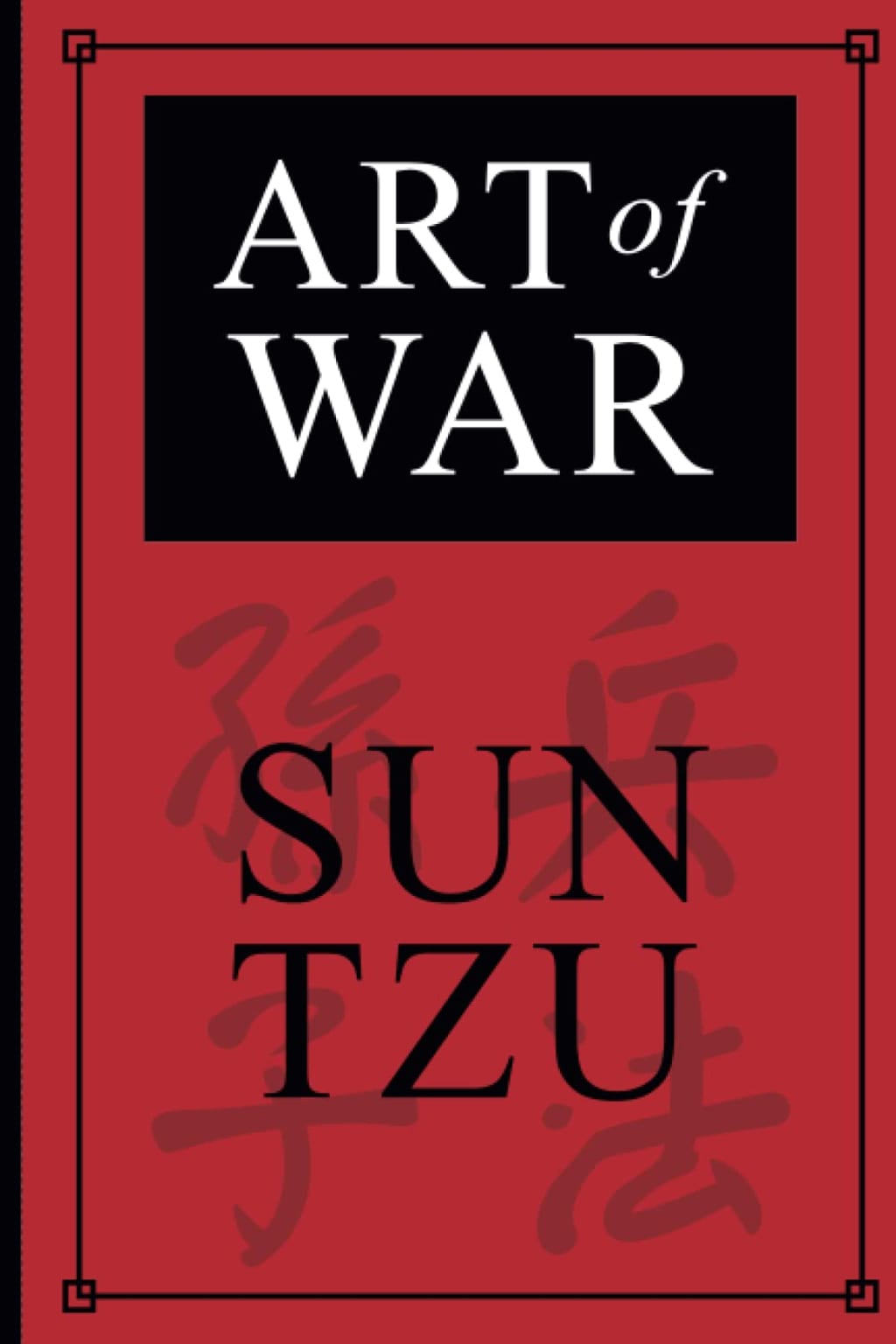
Book Review: The Art of War by Sun Tzu - Timeless Strategies for Success in Business, Life, and Leadership
The Most Influential Book of Strategy in the World Absorb this book, and you can throw out all those contemporary books about management leadership.

Introduction
Sun Tzu’s The Art of War is one of the oldest and most revered works on strategy, leadership, and conflict resolution. Written in ancient China, it has transcended centuries and continents to become an essential guide not only for military commanders but also for business leaders, entrepreneurs, and anyone seeking to gain an edge in competitive environments.
The wisdom of The Art of War is not limited to the battlefield; its principles can be applied to nearly every aspect of life. Whether in business, personal growth, or leadership, the strategies laid out by Sun Tzu offer valuable insights into decision-making, overcoming obstacles, and winning the war of life.
This comprehensive review will explore the core themes, lessons, and actionable takeaways from The Art of War, demonstrating how its time-tested strategies can help you navigate modern challenges and emerge victorious.
Core Themes of The Art of War
1. The Importance of Strategy
One of the central themes in The Art of War is the importance of having a clear, well-thought-out strategy. Sun Tzu teaches that winning a war (or achieving any significant goal) starts with careful planning. Before entering any battle, leaders must analyze the terrain, the strengths and weaknesses of both themselves and their opponents, and the best ways to leverage available resources.
The Importance of Strategy One of the central themes in The Art of War is the importance of having a clear, well-thought-out strategy. Sun Tzu teaches that winning a war (or achieving any significant goal) starts with careful planning. Before entering any battle, leaders must analyze the terrain, the strengths and weaknesses of both themselves and their opponents, and determine the most effective ways to leverage available resources.
Key takeaways:
Preparation is Key: Success in any endeavor requires understanding your situation deeply and planning accordingly.
Know Your Enemy and Yourself: The famous phrase “If you know the enemy and know yourself, you need not fear the result of a hundred battles” highlights the importance of self-awareness and understanding your competition.
2. Adaptability and Flexibility
One of the most significant lessons from The Art of War is the need for flexibility. Sun Tzu stresses that circumstances change, and rigid strategies often lead to failure. Successful leaders and warriors must be adaptable, ready to change tactics as situations evolve.
Key takeaways:
Adapt to Changing Conditions: Embrace the fluidity of life and adjust your plans when new information or circumstances arise.
Respond Rather Than React: Instead of being trapped by preconceived ideas, approach challenges with a mindset of flexibility, allowing yourself to adapt as needed.
3. The Power of Deception
Sun Tzu introduces the concept of deception as an essential tool for gaining the upper hand. He states that “All warfare is based on deception,” meaning that in both business and life, the element of surprise, misdirection, and subtlety can be powerful strategies.
Key takeaways:
Use Misdirection to Your Advantage: In business and negotiations, it’s often useful to withhold your true intentions or capabilities to create an advantage when the time is right.
Control Perception: Sun Tzu’s emphasis on deception teaches us that how others perceive you can be just as important as what you are doing.
4. Efficient Use of Resources
Sun Tzu emphasizes the importance of resource management and efficiency. A good strategist understands how to use resources, such as time, energy, and manpower, effectively, ensuring that they are not wasted.
Key takeaways:
Don’t Overextend Yourself: Sun Tzu warns against excessive expansion and spreading oneself too thin. Focus your energy on the most critical battles and opportunities.
Leverage Strengths, Minimize Weaknesses: Whether in business or personal growth, focus on your strengths and delegate or minimize the impact of your weaknesses.
5. The Importance of Timing
Timing is a critical factor in The Art of War. Sun Tzu advocates waiting for the right moment to strike, rather than rushing in without preparation. In business, as in warfare, timing can make or break success.
Key takeaways:
Patience and Timing Are Critical: Sun Tzu’s teaching on timing encourages leaders to wait for the opportune moment to take action, ensuring that when they strike, they are poised for maximum impact.
Avoid Rushing Into Conflict: In business negotiations, personal decisions, and even leadership challenges, rushing can result in mistakes. Take time to evaluate and strike when the moment is right.
Lessons from The Art of War Applied to Modern Life
1. Leadership and Influence
Leadership is one of the most powerful concepts in The Art of War. Sun Tzu advocates for leaders who lead by example, inspire their teams, and earn their respect. In modern business and life, this translates to leading with integrity, vision, and respect for others.
Key takeaways for leaders:
Lead by Example: Great leaders don’t just give orders; they show others how it’s done.
Cultivate Respect and Trust: Gain the trust of your team by showing competence and fairness.
2. Negotiation and Conflict Resolution
One of the most famous pieces of advice in The Art of War is: “The supreme art of war is to subdue the enemy without fighting.” This principle can be applied to negotiation, where the best outcome is often reached without confrontation.
Key takeaways:
Avoid Unnecessary Conflict: In both business and personal relationships, it’s better to find mutually beneficial solutions rather than engage in conflict.
Win Through Influence, Not Force: Sun Tzu suggests using negotiation, persuasion, and understanding to achieve your goals without resorting to hostile action.
3. Mindfulness in Decision-Making
Sun Tzu stresses the importance of making decisions with a clear, calm mind. In modern business, decisions made in haste or under pressure are often poor ones. Sun Tzu’s advice encourages us to take a step back, evaluate our options, and think critically before acting.
Key takeaways:
Strategic Thinking: Always assess the long-term consequences of your decisions.
Avoid Emotion-Driven Decisions: Take the time to consider the facts before making big choices, especially in high-pressure situations.
4. Personal Growth and Self-Mastery
The essence of The Art of War extends beyond conflict and strategy into personal development. Sun Tzu encourages individuals to understand their strengths and weaknesses deeply and continuously improve themselves. This concept is directly applicable to modern personal growth.
Key takeaways:
Self-Awareness: Constantly evaluate your capabilities and limitations to grow as a person and a leader.
Continuous Improvement: Like any great strategist, always strive to learn more and improve your skills.
Why The Art of War Is Still Relevant Today
1. Timeless Wisdom for the Modern World
Despite being written over 2,500 years ago, The Art of War remains incredibly relevant. Its principles of strategy, leadership, and psychological insight transcend time and culture. In today’s fast-paced, ever-changing world, the book’s teachings provide a stable foundation for decision-making, leadership, and personal growth.
2. Practical Application Across Fields
Though it’s rooted in military strategy, The Art of War has been widely adopted in business, sports, personal development, and even politics. Its principles can be used to improve your approach to negotiations, relationships, and overcoming personal challenges.
3. Universal Principles of Strategy
At its core, The Art of War presents universal principles of strategy that apply to virtually every situation where planning, competition, or conflict is involved. By internalizing these strategies, you can improve your chances of success in any field, whether business, entrepreneurship, or personal life.
Who Should Read The Art of War?
Business Leaders and Entrepreneurs: Those who are leading teams, growing a business, or managing high-stakes projects can gain powerful insights from Sun Tzu’s strategic principles.
Aspiring Leaders: If you want to develop strong leadership skills, The Art of War provides timeless wisdom on how to inspire and lead effectively.
Students of Strategy: Whether in military history, business strategy, or personal development, The Art of War is essential reading for anyone interested in the art of strategic thinking.
Personal Development Enthusiasts: If you’re interested in mastering decision-making, self-awareness, and achieving personal goals, Sun Tzu’s teachings are invaluable.
Conclusion: Mastering Strategy with The Art of War
Sun Tzu’s The Art of War is much more than just a military treatise; it’s a comprehensive guide to strategy, leadership, and personal mastery. The book’s enduring wisdom provides essential insights for anyone seeking to navigate the complexities of life, business, or personal development.
By applying the principles from The Art of War, you can elevate your approach to challenges, improve your decision-making, and gain a competitive edge in every aspect of life. Whether you’re facing personal obstacles, business conflicts, or leadership challenges, the timeless lessons of Sun Tzu offer invaluable tools for success.
Get Your Copy Today
Ready to master the art of strategy and leadership? The Art of War by Sun Tzu is available on Amazon. Click the link below to purchase your copy and begin your journey toward greater success.
About the Creator
TAPHA
Hi! Whether you're looking for insightful answers or a fresh perspective on a topic,I'm here to provide engaging, accurate,and thought-provoking content tailored just for you. Stick around, and let's explore the world of knowledge together!
Rachel Reviews: The Spiral Archive by Pieter Hendrik
It's difficult for me to know where to start with a review of this book as it was, for me, an entirely unique experience and one that I'll probably never have again. I don't want that to be interpreted as unenjoyable but it has left me scratching my head a little and ruminating on its content, its themes and its characters.
By Rachel Deeming2 days ago in BookClub



Comments
There are no comments for this story
Be the first to respond and start the conversation.