
Book Review: Flexible Visual Systems by Martin Lorenz
Why systems, not logos, are the future of graphic design

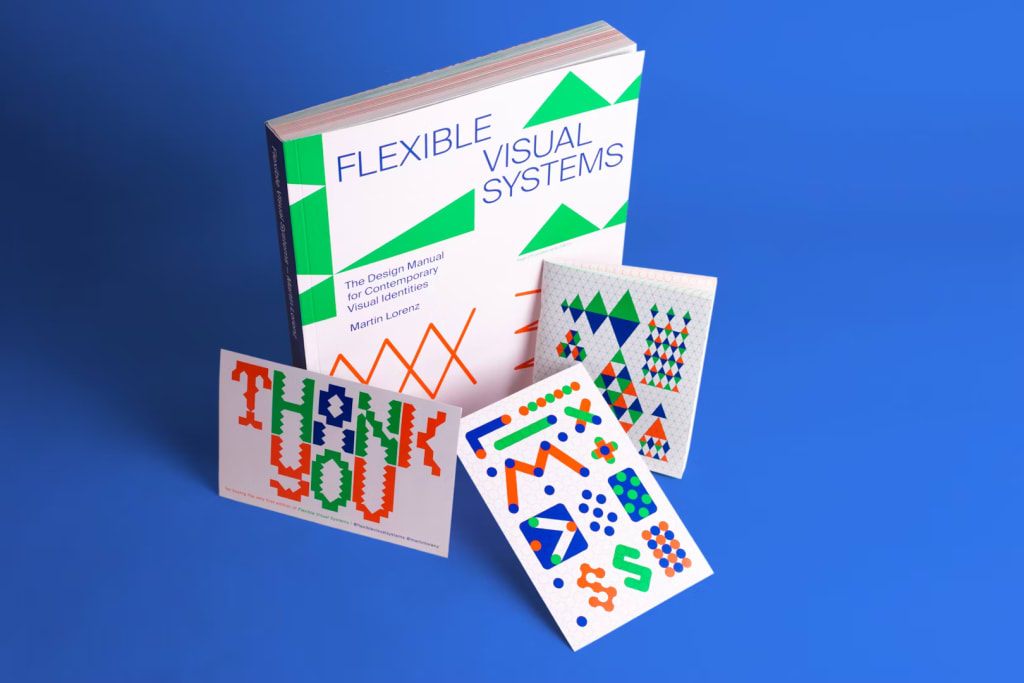
Hello, fellow designers! In the ever-evolving world of graphic design, where adaptability is essential, Flexible Visual Systems by Martin Lorenz stands out as a revolutionary design manual. Published by Slanted Publishers, this book isn’t just a guide to crafting dynamic visual identities!
It represents a shift in how designers approach the creative process itself. With 320 pages packed with insights drawn from Lorenz’s 10 years of research at the University of Barcelona, 20 years of design work at TwoPoints.Net, and nearly two decades of teaching, the book is an essential resource for any designer looking to expand their understanding of systems in design.
A New Way of Design Thinking
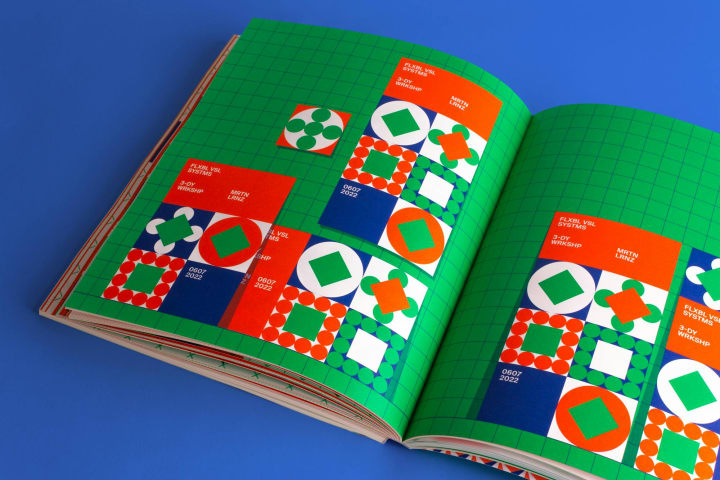
What sets Flexible Visual Systems apart is its emphasis on a systematic approach to design. Rather than merely focusing on technical skills or specific tricks, the book introduces a design philosophy. The core idea is to move beyond static, one-off designs and embrace systems that can adapt, expand, and respond to various contexts over time.
It’s never just about solving a problem; but about creating a framework that anticipates the need for flexibility in an evolving world.
The book advocates for a shift in how designers approach visual identities. Instead of producing a fixed logo or branding element, Lorenz suggests creating systems that can accommodate multiple applications — be it in print, digital, or other media. This flexibility is especially crucial in an age where brands need to be consistent across platforms, from websites to social media to physical products.
Lorenz argues that system design is not just a skill; it’s a mindset that can be applied to any discipline. Whether you’re working on corporate branding, user experience design, or something more experimental, adopting a flexible, systemic approach can help you create work that stands the test of time.
Structure and Approach
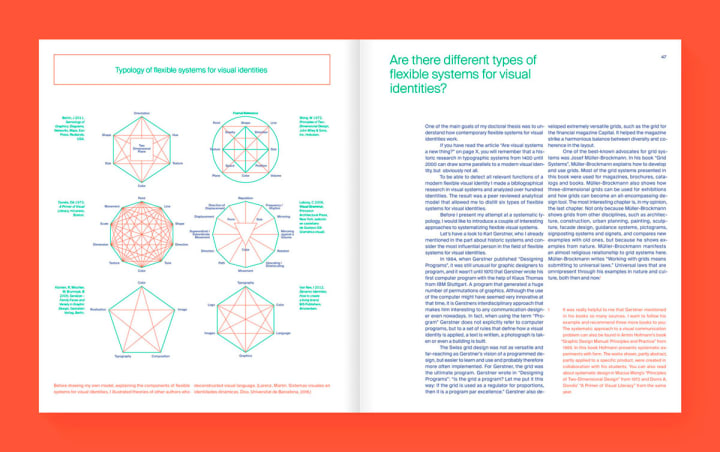
Divided into three sections, Flexible Visual Systems offers both theoretical grounding and practical tools. The first section explores the history and theory of flexible systems, tracing their use through time and emphasizing how they shape design today. Lorenz’s writing provides historical context and explains why systems thinking is more relevant now than ever. It’s a deeply illustrated section, showing how flexibility wasn’t just an afterthought in past design solutions but an integral part of how creative minds worked.
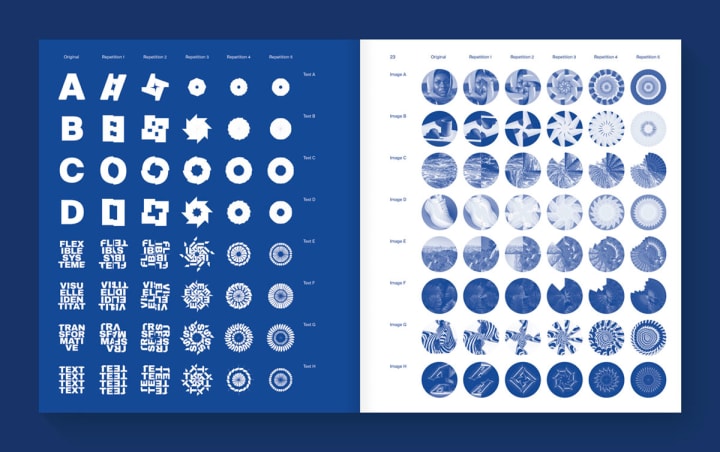
The second section moves from theory to practice. Lorenz demonstrates how simple geometric forms — circles, squares, triangles — can serve as the basis for flexible visual systems. He walks readers through these exercises, offering clear visual explanations that demystify the process. This section’s accessibility and clarity are valuable for both students and professionals, making it easy to follow along and apply these concepts to real-world projects.
The final section addresses transformation processes, particularly appealing to creative coders, motion designers, and anyone interested in experimentation. Lorenz moves beyond static design to explore how systems can evolve, offering guidance on how to create systems that remain coherent while being endlessly adaptable. This chapter opens new possibilities for motion design and interactive media, where flexibility is not just an option but a necessity.
More Than a Design Guide: A New Philosophy
Flexible Visual Systems is as much a teaching tool as it is a design manual. It’s an essential read for students, educators, and professionals alike. For those new to design, it offers a new perspective on what visual identity work can be. Instead of focusing on the result, it emphasizes the importance of the process and the system behind it.
For educators, the book provides a framework for teaching flexible systems in a classroom setting. System design, often neglected in traditional curriculums, becomes central to the learning experience. Lorenz’s approach encourages students to think beyond individual projects and consider how their work can adapt over time and across media.
Experienced professionals will find value in the book’s practical examples and tutorials. Even if you’re already well-versed in system design, Lorenz’s work offers new ways of thinking about flexibility and adaptability. The book pushes readers to move away from rigid, one-size-fits-all solutions and embrace a more fluid approach to design.
This adaptability makes the book particularly relevant in today’s fast-paced design environment. As brands expand their presence across multiple platforms, the need for flexible, scalable systems becomes even more critical. Flexible Visual Systems provides the tools and insights necessary to meet that challenge.

Design and Production
Beyond its content, Flexible Visual Systems is also a beautifully produced book. The 21 × 25 cm format makes it easy to navigate, while the use of Invercote G paper for the cover and Coral Natural M.1.2 paper for the interior pages gives it a premium feel. The use of three Pantone spot colors adds to the aesthetic appeal without overwhelming the reader. The design of the book mirrors its content, presenting a clean, functional, and adaptable layout that enhances the reading experience.
The attention to detail in the book’s production is a testament to Lorenz’s commitment to design excellence. The matte varnishing on the soft cover adds a layer of sophistication, while the high-quality printing by Agpograf in Barcelona ensures that the visuals are as clear and vibrant as possible.
My Thoughts
This book fills a gap in design education, where the emphasis is often on achieving polished, finished work rather than developing adaptable, system-based solutions. By focusing on flexibility, Lorenz’s methodology provides a new foundation for designers in any field, from corporate branding to interactive media.
Flexible Visual Systems represent a major shift in how design can function. It encourages a fluid, systemic approach that makes it possible to create work that can change and grow while remaining grounded in a cohesive visual strategy. This makes it not just relevant but essential for today’s designers.
Happy designing!
About the Creator
Gading Widyatamaka
Jakarta-based graphic designer with over 5 years of freelance work on Upwork and Fiverr. Managing 100s logo design, branding, and web-dev projects.
Keep reading
More stories from Gading Widyatamaka and writers in BookClub and other communities.
Book Review: Process: Visual Journeys in Graphic Design by Banker Wessel
Hello, fellow designers! The second edition of Process: Visual Journeys in Graphic Design by BankerWessel is a must-read for graphic designers, students, and visual enthusiasts looking for a deeper dive into the craft of creating logos and marks. Unlike most design books that focus solely on the final, polished logo or graphic, Process gives readers something even more valuable — the opportunity to peer behind the curtain and see the hard work, experimentation, and countless sketches that go into creating professional design work.
By Gading Widyatamakaabout a year ago in BookClub
Rachel Reviews: Lakefront Wolves by Joseph Deegan
Meet Finn. He's an 18 year old kid who has potential. He's bright with great school scores and he's also an athlete, a footballer of some prowess. He has it all going for him, it would seem, and yet, he's determined to send what could be a well-planned, stable existence firmly off the rails. He drinks, he smokes, he takes drugs, he has violent tendencies and he's in danger of losing not only his mind but all that he holds dear.
By Rachel Deeming10 days ago in BookClub
8 Books Worth Sitting Down and Reading
In a world dominated by scrolling feeds and endless notifications, reading a book has become a radical act of focus and self-enrichment. Books are not just vessels of stories—they are gateways to knowledge, empathy, and critical thinking. But with thousands of titles published every year, which books truly deserve our time?
By Diana Merescabout 3 hours ago in BookClub


Comments (1)
Hello, just wanna let you know that if we use AI, then we have to choose the AI-Generated tag before publishing 😊