
Book Review: Process: Visual Journeys in Graphic Design by Banker Wessel
Unveiling the Creative Pathways Behind Stunning Graphic Design Projects

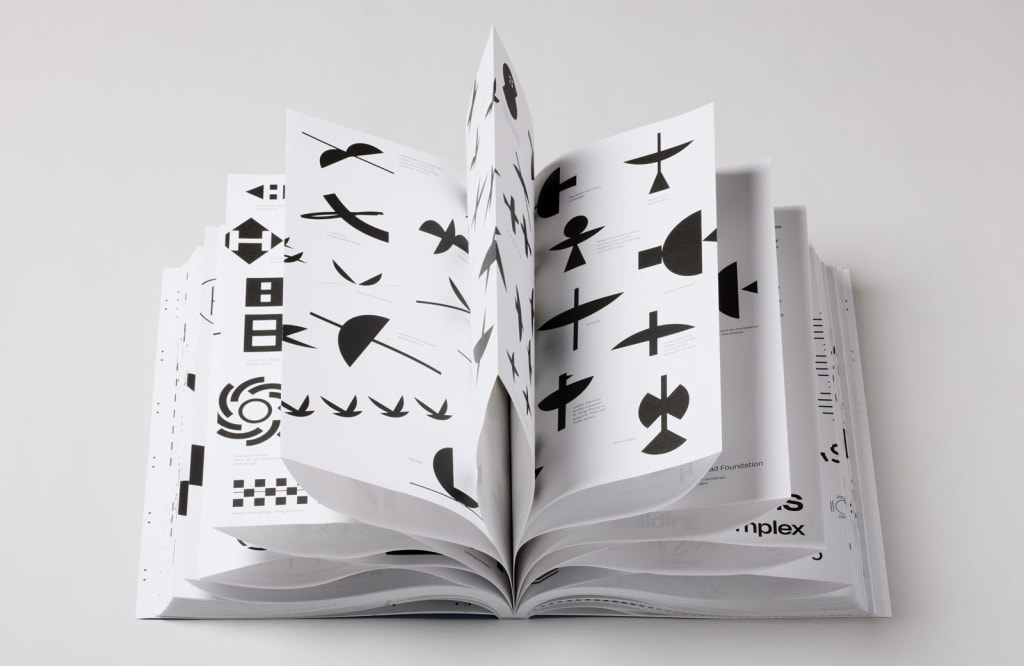
Hello, fellow designers! The second edition of Process: Visual Journeys in Graphic Design by BankerWessel is a must-read for graphic designers, students, and visual enthusiasts looking for a deeper dive into the craft of creating logos and marks. Unlike most design books that focus solely on the final, polished logo or graphic, Process gives readers something even more valuable — the opportunity to peer behind the curtain and see the hard work, experimentation, and countless sketches that go into creating professional design work.
For graphic designers who thrive on inspiration, this 2022 edition of Process reveals the raw, authentic journey from concept to completion in a visual format that celebrates the rough, hand-drawn sketches often hidden in the shadows of design studios. The book’s French-folded softbound design adds a tactile, aesthetic element that enhances the overall experience of engaging with this process-oriented narrative.
Unveiling the Design Process
One of the most significant aspects of Process is how it strips away the veneer of perfection to reveal the messy, non-linear path that every designer follows when creating visual identities. As designers, we often show clients the polished final versions of logos and visual marks, but rarely do we expose the multiple iterations, re-draws, and half-baked ideas that lead to the result.
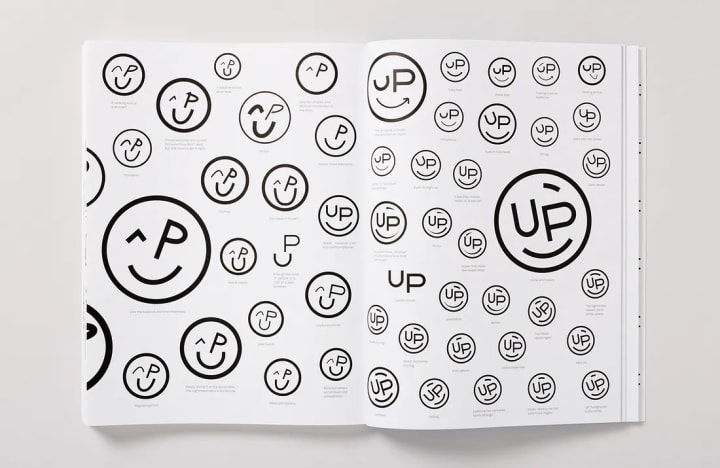
In Process, you’ll find 14 different projects meticulously documented with over 1,700 individual sketches. These sketches are accompanied by annotations that offer insight into the thought process behind each mark. Unlike other design books, which might focus more on theory or historical context, Process leans into the practical, showing how ideas evolve organically through trial and error.
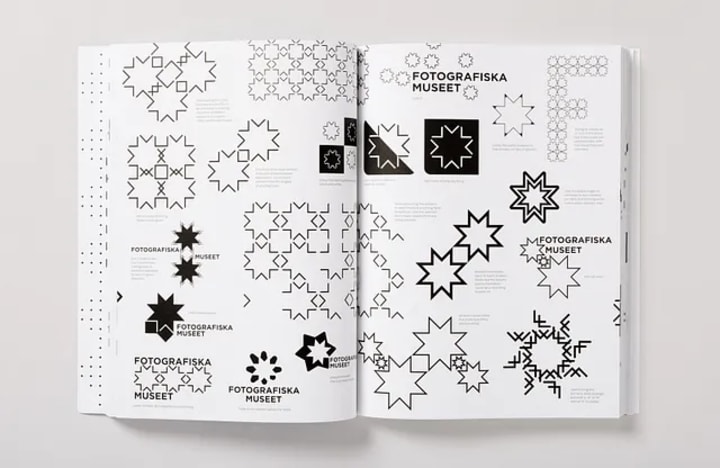
This expanded second edition is a visual feast, filled with logo sketches for clients in the fields of art, music, and fashion, including notable brands such as the Hasselblad Foundation and Fotografiska. It gives a rare glimpse into the back-and-forth between the designer and client, the shifts in direction, and the fine-tuning required to reach a logo that successfully conveys a brand’s identity.
The Art of Sketching and Exploration
For graphic designers and visual communicators, sketching is the backbone of creativity. The sketches in Process are more than rough drafts — they are snapshots of a designer’s mind at work, experimenting with forms, testing out different shapes, and exploring the possibilities of a single idea.
What makes this second edition even more compelling is the added depth that comes from the sheer volume of sketches presented. Over 1,700 sketches demonstrate the importance of repetition, the exploration of multiple angles, and the willingness to discard ideas that don’t work. These sketches emphasize that great design rarely happens in a straight line; rather, it’s a journey filled with wrong turns, detours, and re-drafts.
Each project shows a commitment to experimentation, encouraging young designers to embrace their mistakes and not rush to the finish line. For seasoned designers, it’s a reminder of the sheer amount of work it takes to create something simple and beautiful.
A Visual Feast
Physically, Process is a striking book. Its size — 240x320mm — makes it large enough to showcase the intricate sketches, while the French-folded softbound cover offers a unique tactile experience that complements the theme of exploration and hands-on work. There’s something special about turning the pages and seeing each sketch unfold, knowing the effort that went into even the simplest marks.
The book’s design feels intentional in its minimalism, allowing the sketches to take center stage. The softbound format gives it a work-in-progress feel, much like the content inside. It’s a perfect representation of the theme — the book itself feels like part of the design process.
Richard Baird’s Essay: In Search of Originality
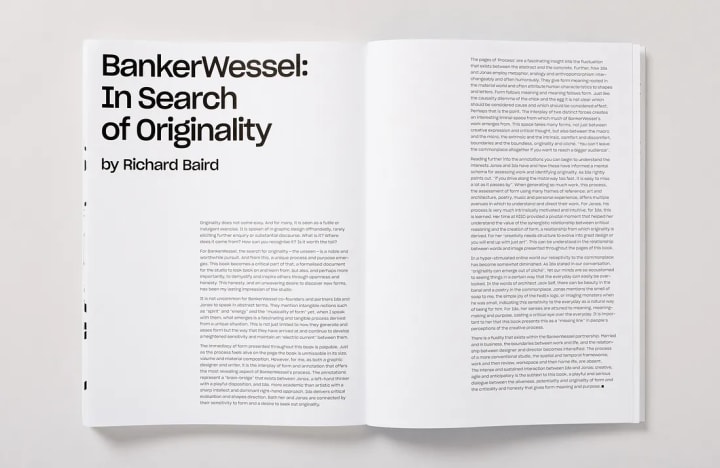
In addition to the sketches and annotations, the second edition includes a compelling essay by designer Richard Baird titled In Search of Originality. The essay adds a thoughtful layer to the book, offering a critical examination of what it means to create original work in a world oversaturated with visual stimuli.
Baird’s essay acts as a guidepost for designers who struggle with the pressure to be original in a world where so much has already been done. It encourages designers to dig deeper, to search for authenticity and innovation within their process. The essay is a welcome addition that elevates the book beyond just a visual collection, adding a philosophical dimension to the journey of design.
A Deeper Look into Design Industries
The projects featured in Process highlight marks for companies in art, music, and fashion — industries where aesthetics, identity, and emotional connection are paramount. Each case study reflects how the client’s needs and vision inform the design process, but also how the designer brings their unique perspective to the table.
For example, logos created for art foundations like the Hasselblad Foundation require a balance of visual simplicity and intellectual depth. The final designs may appear effortless, but the sketches reveal the complex decisions behind them. The logos created for Fotografiska, an international photography museum, show how the use of negative space, balance, and form can transform a simple idea into a powerful brand identity.
Lessons for Designers
There are many takeaways for designers who engage with Process. First, it reminds us to slow down and value each step of the creative process. Too often, we are pressured to produce perfect designs on a deadline, skipping over the necessary exploration that leads to truly innovative work. This book celebrates the design process in all its imperfect glory.
Second, Process emphasizes the importance of sketching. Whether you prefer digital tools or pencil and paper, sketching allows you to think freely and explore multiple concepts. It’s easy to get stuck in a single idea when working digitally, but sketching offers an immediate, tactile experience that encourages flexibility.
Lastly, the book encourages perseverance. With over 1,700 sketches featured, you can’t help but recognize that great design doesn’t happen overnight. It requires patience, persistence, and the willingness to throw out dozens of ideas before landing on the right one.
My Final Thoughts for Designers
For those of us who live and breathe graphic design, Process: Visual Journeys in Graphic Design (Second Edition) is more than just a book — it’s an essential tool for fostering creativity. It provides a rare look into the inner workings of a design studio, reminding us that the path to a great design is often winding and full of obstacles.
If you’re a graphic designer, illustrator, or even a creative thinker in general, I highly recommend this book. It’s not just about admiring beautiful logos, but about understanding the journey that takes us there.
So the next time you’re stuck on a design problem or feeling the pressure to be perfect, remember that the process is where the magic happens. Flip through the pages of Process and be reminded that every sketch, every re-draft, and every failed idea brings you one step closer to something extraordinary.
Happy designing!
About the Creator
Gading Widyatamaka
Jakarta-based graphic designer with over 5 years of freelance work on Upwork and Fiverr. Managing 100s logo design, branding, and web-dev projects.
Keep reading
More stories from Gading Widyatamaka and writers in BookClub and other communities.
Book Review: How To by Michael Bierut
Hello, design enthusiasts! If you’re like me, always on the hunt for insightful reads that can elevate your design game, you’ve probably come across “How To” by Michael Bierut. This book isn’t just a manual; it’s a treasure trove of wisdom from one of the most renowned graphic designers of our time. Let’s dive into what makes this book a must-read for anyone passionate about design.
By Gading Widyatamaka12 months ago in BookClub
My New Book is Finally Here
My poetry collection Beautiful and Brutal Things is done. It's actually done and finally published over 270 pages. Over a year of my life went into this book. More than a year, really. Long days at my computer, sometimes seven days a week because I couldn't stop even when I probably should have. Then two months of editing that felt harder than the writing itself. But it's finished, and I'm still standing, and the book is real.
By Tim Carmichael2 days ago in BookClub
7 Books About Psychology That Are Impossible To Put Down
Psychology is not just an academic discipline—it’s a mirror held up to our inner world. It explains why we think the way we do, why we fall in love, why we sabotage ourselves, and why some habits cling to us like gravity. The best psychology books don’t feel like textbooks; they feel like conversations that change how we see ourselves and others.
By Diana Meresc2 days ago in BookClub




Comments (1)
Hello, just wanna let you know that if we use AI, then we have to choose the AI-Generated tag before publishing 😊