
BookReview: Designing Brand Identity by Alina Wheeler
Review: Designing Brand Identity by Alina Wheeler

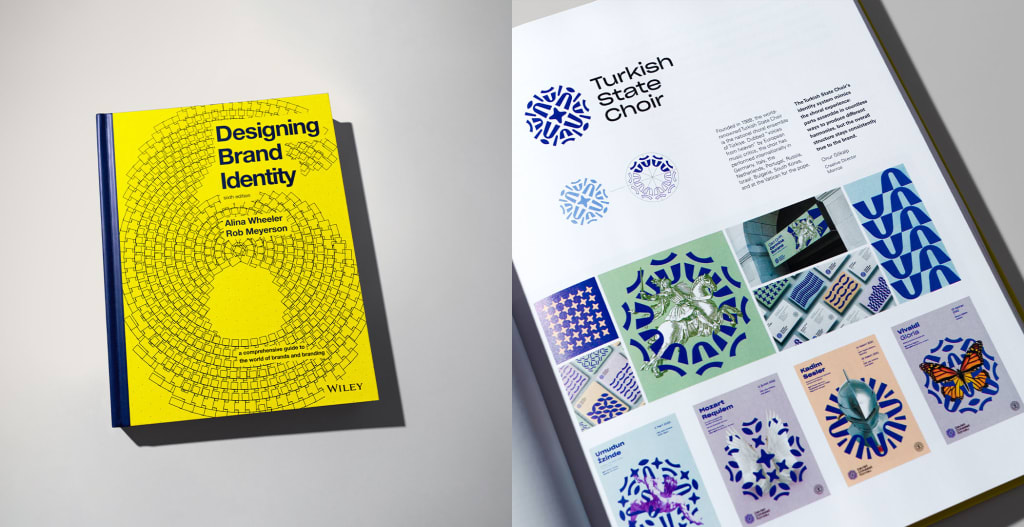
Hello there, fellow designers! If you’re familiar with branding, Designing Brand Identity by Alina Wheeler is familiar. This book is frequently praised as an essential resource for anyone serious about branding. I was eager to go through Wheeler’s observations and add my own as someone who has worked in the trenches of brand design.
So take a cup of coffee and let’s investigate what makes this book a branding industry classic!
The Overview
Designing Brand Identity can be considered as the branding bible. Alina Wheeler provides a thorough road map for developing and preserving a powerful brand identity. The book is divided into five main sections:
- Conducting Research
- Developing Touchpoints
- Designing Identity
- Clarifying Strategy
- Managing Assets
Each section is jam-packed with detailed steps, real-world examples, and practical advice.
Wheeler’s technique is highly commendable due to its accessibility. Regardless of experience level, this book simplifies difficult ideas into manageable chunks. It is comparable to having a mentor lead you through the maze-like process of brand building.

Phase 1: Conducting Research
Wheeler begins by highlighting the significance of research. Understanding the landscape is essential before you even consider logos and color schemes. This includes anything from audience insights to competition analysis. Wheeler emphasizes that a strong foundation is essential to a successful brand and offers strategies and resources to collect the required data.
Phase 2: Clarifying Strategy
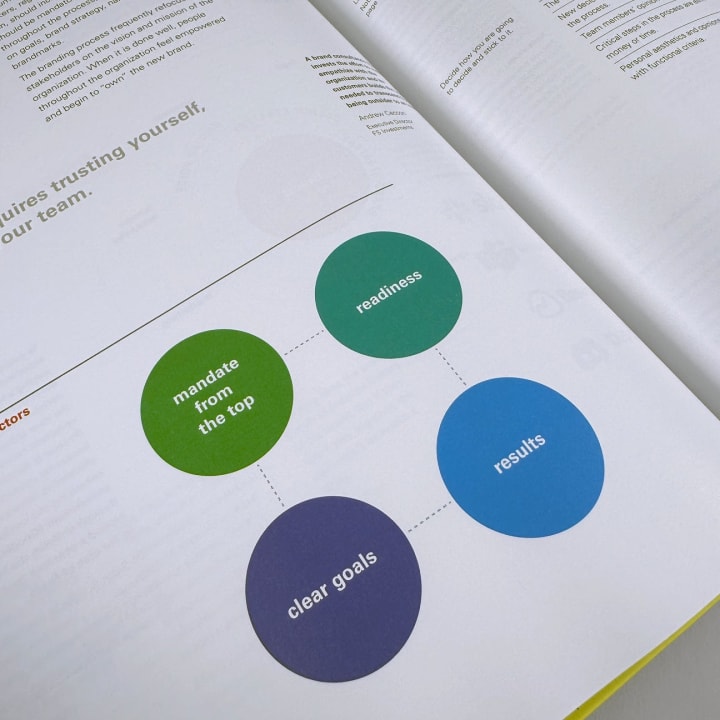
Once you’ve done your homework, it’s time to clarify the brand strategy. Wheeler breaks this down into defining the brand’s core values, vision, mission, and positioning. This phase is all about distilling the essence of the brand into clear and compelling statements that guide all future design decisions.
Wheeler’s advice on creating a brand brief is particularly useful. She provides templates and examples that help streamline the process, ensuring that all stakeholders are aligned. This brief becomes the North Star for the entire branding project, keeping everyone on track and focused.
Phase 3: Designing Identity
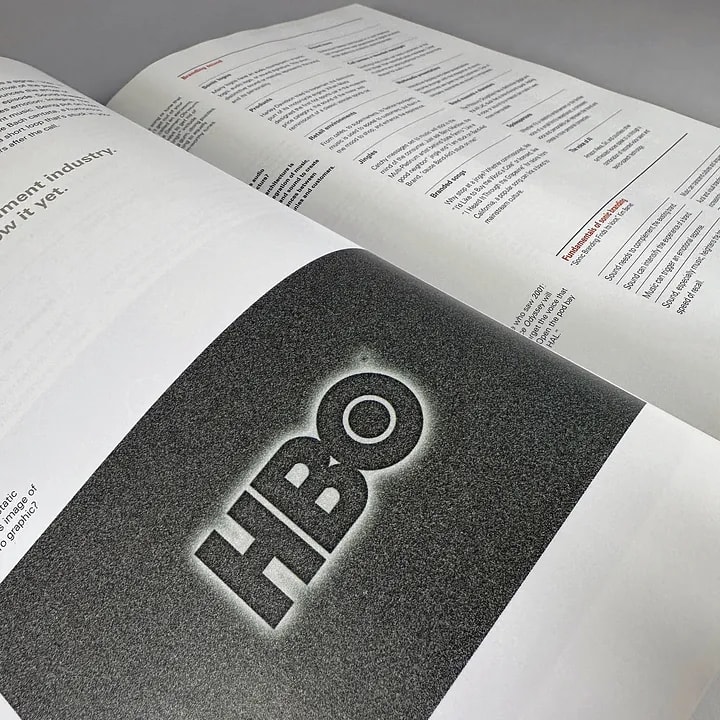
Now comes the fun part — developing the brand identity. Wheeler covers everything from logos and typography to color schemes and graphics. She dives into design fundamentals, providing advice and best practices for producing visual components that are not only aesthetically beautiful but also strategically in line with the brand’s essential values.
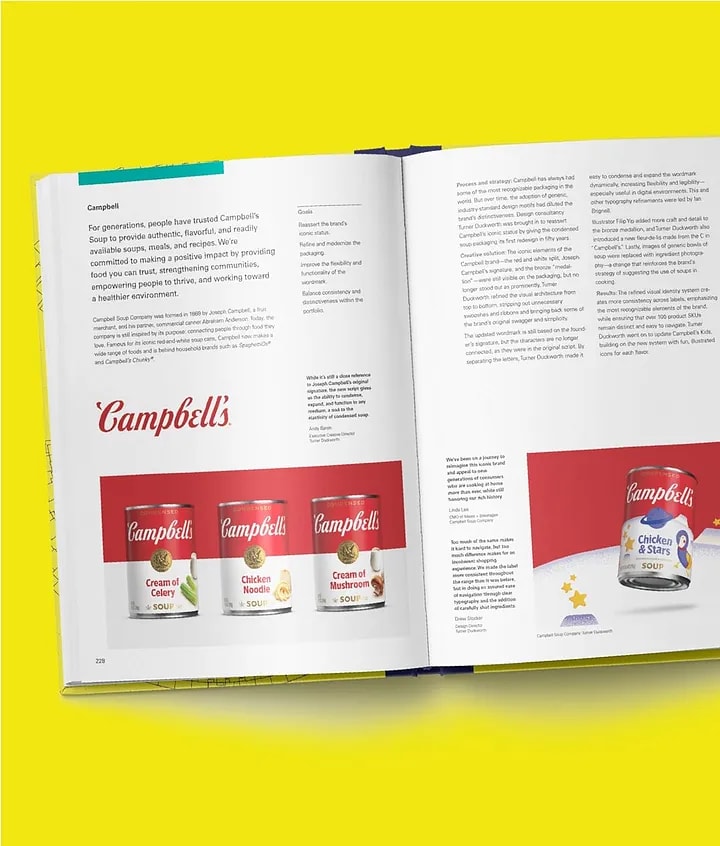
Wheeler’s case studies were particularly useful to me. Theories are put into practice by these real-world examples from well-known companies like Google, Starbucks, and Nike. Seeing how these brands approached the design process provides inspiration and practical insights that can be applied to the projects I do.
Phase 4: Creating Touchpoints
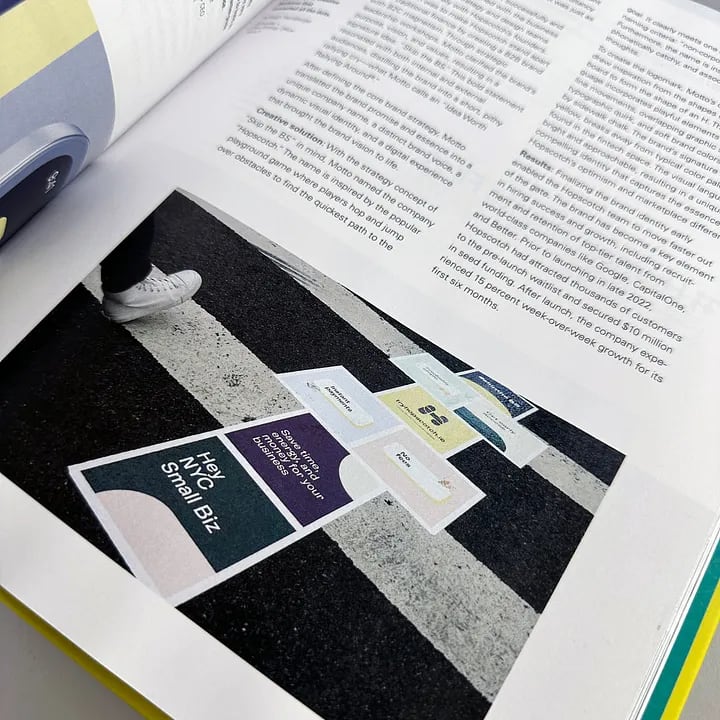
A brand’s identity encompasses all of an audience’s interactions with the brand, not simply the logo. Wheeler investigates a range of touchpoints, such as social media, websites, packaging, and more. She emphasizes uniformity across all platforms, ensuring that the brand identity is consistent and identifiable wherever it appears.
This book provides helpful guidance on how to modify the brand identity while preserving its integrity across a variety of media. This section is a goldmine for anyone interested in establishing a brand across numerous channels, as it provides techniques for dealing with the unique characteristics of each platform.
Phase 5: Managing Assets
Finally, Wheeler addresses the ongoing task of managing brand assets. Once the brand identity is established, it needs to be maintained and protected. This involves creating brand guidelines, training employees, and monitoring the brand’s use over time.
Wheeler’s advice on creating a brand center — a centralized repository for all brand assets and guidelines — is particularly useful. This ensures that everyone involved in the brand’s implementation has access to the resources they need to keep things consistent.
My Thoughts
As a graphic designer and brand manager, I believe that Alina Wheeler’s Designing Brand Identity goes beyond being a mere how-to manual. Instead, it offers an in-depth examination of the ideas and concepts that form the foundation of excellent brand design. Wheeler’s book serves as both a guide for those who want to comprehend the ideas underlying influential design and a reflection on a noteworthy career.
One of the key takeaways from Wheeler’s book is that branding is an ongoing journey. Books, like brands, are built over time. Whether you’re climbing the ladder or have already arrived at the top, whether you’re a solo freelancer or part of an in-house team or agency, this book serves as a fantastic resource. It provides a reference point for the brand identity process of major brands from various touchpoints, offering insights that can elevate your branding projects.
Designing Brand Identity is a book I recommend to improve your branding abilities or need a trustworthy source for your upcoming project. Accept the ideas presented in this book, and you’ll see your brand prosper in the cutthroat market of today.
Happy designing!
About the Creator
Gading Widyatamaka
Jakarta-based graphic designer with over 5 years of freelance work on Upwork and Fiverr. Managing 100s logo design, branding, and web-dev projects.
Keep reading
More stories from Gading Widyatamaka and writers in BookClub and other communities.
Monogram Logo Reimagined: The 10th-Anniversary Edition
Hello, fellow designers! Counter-Print’s Monogram Logo has long been a staple in the libraries of graphic designers, brand managers, and typographers worldwide. Originally published in 2014, this collection of monogram logos from across the globe became a vital resource for anyone interested in the art of crafting identity through initials and symbols.
By Gading Widyatamaka11 months ago in BookClub
My New Book is Finally Here
My poetry collection Beautiful and Brutal Things is done. It's actually done and finally published over 270 pages. Over a year of my life went into this book. More than a year, really. Long days at my computer, sometimes seven days a week because I couldn't stop even when I probably should have. Then two months of editing that felt harder than the writing itself. But it's finished, and I'm still standing, and the book is real.
By Tim Carmichael2 days ago in BookClub
The Other Woman in My Marriage Wasn’t a Stranger
When I first picked up "MY HUSBAND'S WIFE" book to read, I expected a dramatic story about betrayal and rivalry. The title suggests something bold and emotional, but what I found instead was a much more reflective and human narrative. This is not just a story about two women connected by one man. It is a story about how people understand themselves through love, memory, and comparison.
By Rosalina Janea day ago in BookClub




Comments
There are no comments for this story
Be the first to respond and start the conversation.