
Monogram Logo Reimagined: The 10th-Anniversary Edition
A Decade of Celebrating the Power and Precision of Monogram Design

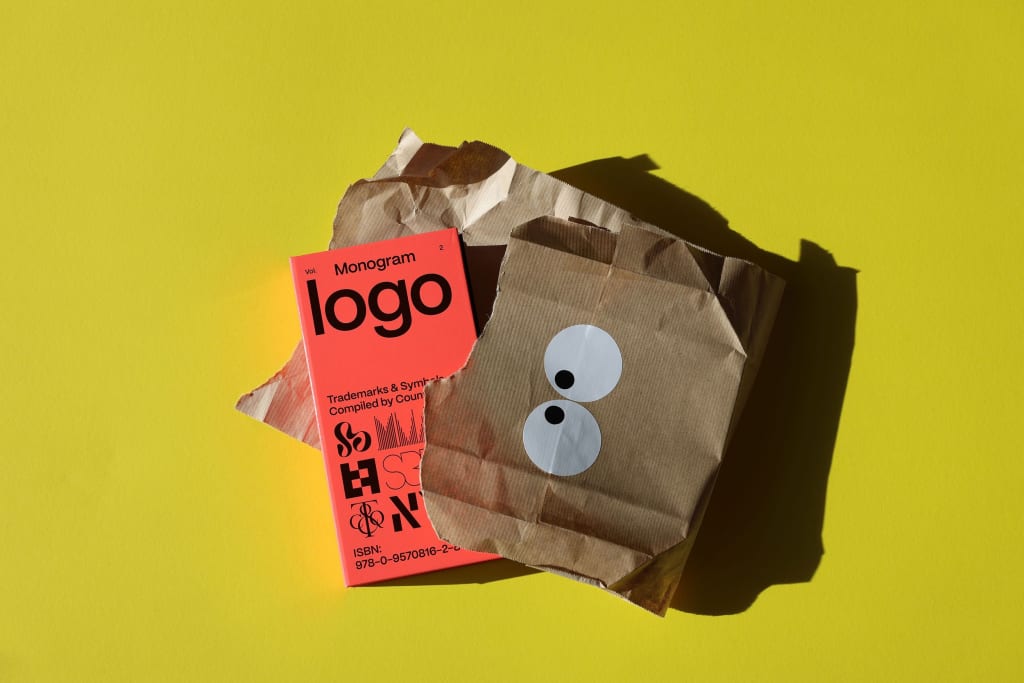
Hello, fellow designers! Counter-Print’s Monogram Logo has long been a staple in the libraries of graphic designers, brand managers, and typographers worldwide. Originally published in 2014, this collection of monogram logos from across the globe became a vital resource for anyone interested in the art of crafting identity through initials and symbols.
Now, in celebration of Counter-Print’s 10th anniversary, the book has been revised and expanded for 2024, offering an even more comprehensive and updated look at this intricate design niche.
The Revival of a Design Classic
Monogram Logo is not just a collection of logos; it’s a celebration of the artistry, precision, and innovation that goes into creating these compact yet powerful symbols. The 2024 edition takes the essence of the original publication and builds on it, adding new works that reflect the evolving trends and creative approaches in monogram design over the past decade.
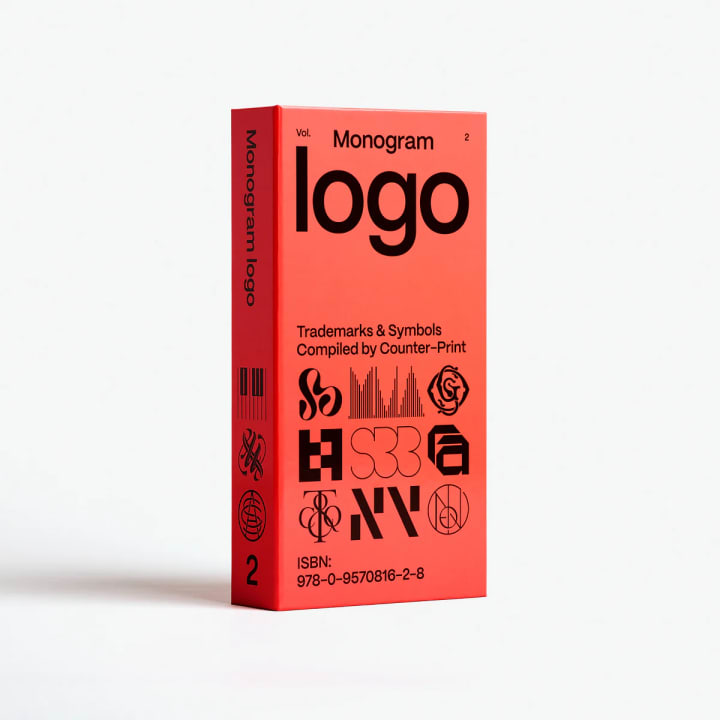
At 320 pages, this edition is more extensive than its predecessor, making room for an even broader array of styles, techniques, and cultural influences. The book’s size — 105x210mm — remains compact and portable, yet it packs an impressive punch in terms of content. Its Swissbound binding, featuring a lay-flat cover with an exposed spine, is both a functional and aesthetic choice, allowing the book to stay open on your desk as you reference it during your design process.
What’s Inside?
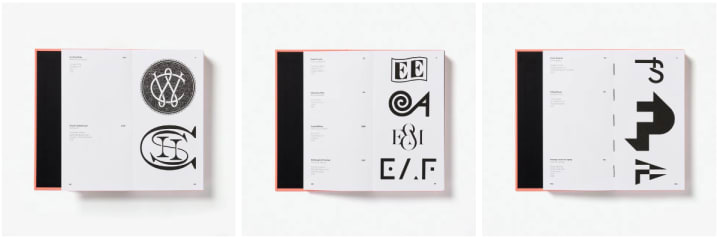
The heart of the Monogram Logo lies in its stunning collection of monograms. The 10th-anniversary edition doesn’t just revisit the logos from the original publication; it expands upon them with new contributions, reflecting the evolving trends and innovations in monogram design over the past decade.
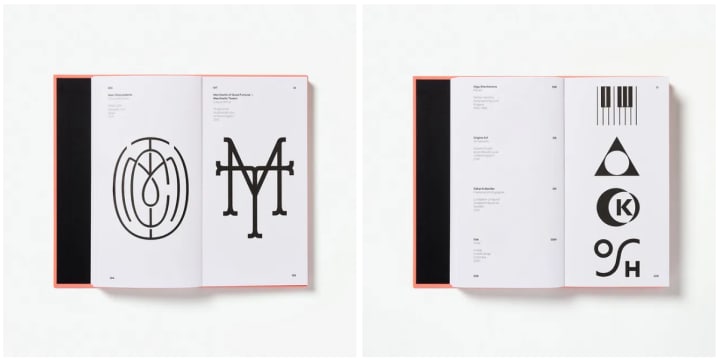
One of the strengths of this book is its global perspective. The collection includes monograms from a wide variety of industries and cultures, showcasing how this ancient form of branding continues to be relevant and adaptable in today’s digital world. The diversity of styles — from minimalist, and modern designs to more ornate and traditional approaches — offers something for every designer, no matter their aesthetic preference.
Each monogram is presented with ample white space, allowing the designs to speak for themselves without distraction. The book’s layout is clean and straightforward, with a clear focus on the logos. This simplicity ensures that the designs take center stage, making it easy for readers to study the details and nuances of each monogram.
A Global Perspective
In an era where branding often leans towards the bold and the brash, monograms offer a timeless alternative. They distill the essence of a brand into a simple, often typographic form, conveying both elegance and authority. Monogram Logo serves as a reminder of the power of this design approach, particularly for brands looking to establish a strong, memorable identity.
Monograms are not just about initials; they are about creating a visual shorthand that represents the entire brand. This book offers countless examples of how designers have successfully navigated this challenge, making it an invaluable resource for anyone involved in branding or identity design.
One of the standout features of Monogram Logo is its global reach. The logos included come from designers and studios across various continents, offering a rich tapestry of cultural interpretations of monogram design. This international perspective is invaluable, especially in today’s globalized world where brands often need to appeal to diverse audiences.
For example, you’ll find Japanese designers who seamlessly blend traditional calligraphy with modern aesthetics, as well as European studios that play with negative space and symmetry in ways that feel distinctly modern yet timeless. The book doesn’t just showcase Western design; it truly captures the global zeitgeist of monogram creation.
Highlights and Notable Inclusions
particularly caught my attention. The inclusion of monograms that blend traditional techniques with modern aesthetics is particularly impressive. These designs serve as a bridge between the past and the present, showing how the monogram can evolve while retaining its core principles.
Another highlight is the book’s exploration of monograms across different industries. Whether it’s fashion, technology, or finance, the book illustrates how versatile the monogram can be. This variety not only inspires but also demonstrates the broad applicability of monograms in branding.
A Timeless Resource for Everyone
Whether you’re a seasoned designer or just starting your journey in the world of branding, Monogram Logo serves as an invaluable resource. For professionals, it offers a comprehensive catalog of inspiration that can be referenced during client projects or personal explorations. For students and enthusiasts, it provides a visual education on how to distill a brand’s identity into a simple, memorable mark.
The revised and expanded content makes this edition even more relevant in 2024 than it was a decade ago. As the design world continues to evolve, so does the way we approach identity and branding. This book captures that evolution, making it not just a retrospective of past designs, but a forecast of where monogram design might be headed.
For Designers Today
As a designer who has worked on numerous brand activations and identity projects, I can attest to the importance of having a resource like Monogram Logo on hand. The revised edition is not just a retrospective; it’s a relevant and timely guide that reflects the current landscape of design.
Monograms are particularly useful in today’s branding strategies because they offer a level of simplicity and recognition that is hard to achieve with more complex logos. In a world where brands are vying for attention across multiple platforms and devices, the clarity and precision of a well-designed monogram can set a brand apart.
Moreover, Monogram Logo is a testament to the idea that good design doesn’t age. The book includes logos from the past decade that still feel fresh and innovative, underscoring the enduring appeal of monograms in visual identity.
Final Thoughts: A Must-Have for Any Designer’s Library
Monogram Logo by Counter-Print is more than just a book; it’s a celebration of design excellence. The 10th-anniversary edition, with its expanded content and refined presentation, is a fitting tribute to the art of monogram design. Whether you’re a seasoned designer, a brand manager, or simply a lover of great design, this book deserves a place on your shelf.
The monograms featured in this book are not just logos — they are stories, each one a distilled narrative of a brand’s identity. And in a world where brands are constantly looking for new ways to connect with their audiences, the lessons contained within Monogram Logo are as relevant today as they were ten years ago.
If you’re looking for inspiration, or if you’re simply curious about the enduring power of monograms, I highly recommend picking up a copy of this 10th-anniversary edition. It’s a resource that you’ll return to time and again, each time discovering something new and inspiring.
Happy designing!
About the Creator
Gading Widyatamaka
Jakarta-based graphic designer with over 5 years of freelance work on Upwork and Fiverr. Managing 100s logo design, branding, and web-dev projects.
Keep reading
More stories from Gading Widyatamaka and writers in BookClub and other communities.
Fedrigoni 365–2023: A Love Letter to Design
Hello, fellow designers! The 2023 edition of Fedrigoni 365 is an exemplary celebration of creativity, collaboration, and craftsmanship. Known for uniting designers under a singular vision, this project has long been a symbol of love — for paper, print, and the sheer power of design. The latest edition elevates this commitment to connection, using love as its thematic core, leading to a uniquely emotional and visually stunning result.
By Gading Widyatamakaabout a year ago in BookClub
Rachel Reviews: Lakefront Wolves by Joseph Deegan
Meet Finn. He's an 18 year old kid who has potential. He's bright with great school scores and he's also an athlete, a footballer of some prowess. He has it all going for him, it would seem, and yet, he's determined to send what could be a well-planned, stable existence firmly off the rails. He drinks, he smokes, he takes drugs, he has violent tendencies and he's in danger of losing not only his mind but all that he holds dear.
By Rachel Deeming13 days ago in BookClub
7 Astrology Books You Need To Read In 2026
Astrology has captivated human imagination for millennia, offering insight into personality, destiny, and the subtle influences of the cosmos on our lives. Whether you're a curious beginner or an experienced astrologer, the right books can transform your understanding from superficial knowledge to profound wisdom.
By Diana Merescabout 13 hours ago in BookClub


Comments
There are no comments for this story
Be the first to respond and start the conversation.