
Amazon Must Read Books
10 Books for Teens: Navigating Identity, Acceptance, and Tough Realities
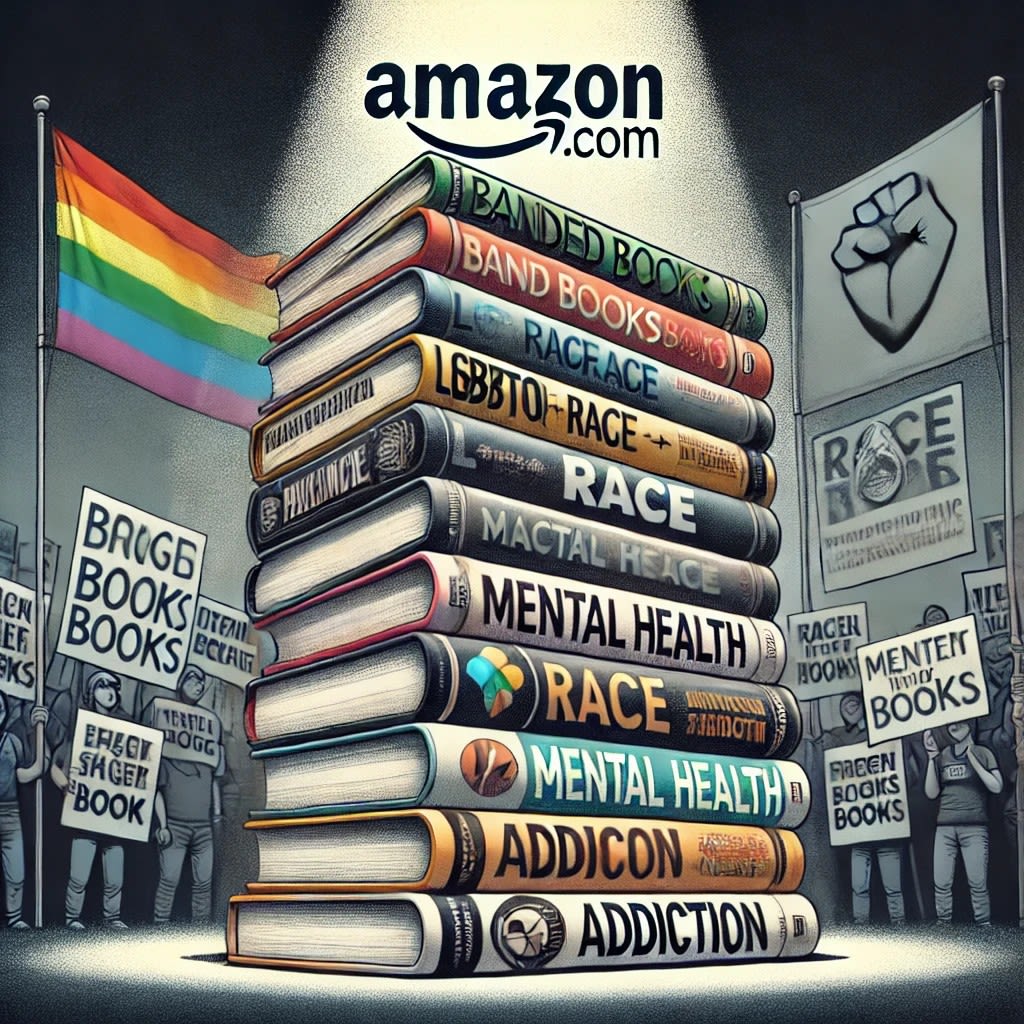
An In-Depth Guide to Controversial Books Addressing LGBTQ+, Race, Mental Health, and Self-Discovery
Literature for young adults often tackles intense and thought-provoking themes, allowing readers to confront, question, and understand the world around them. Some books, however, touch on topics that spark controversy due to their candid portrayal of identity, mental health, race, and sexuality. In this post, we’ll explore ten influential books, examining their intended age groups, central themes, and the reasons behind their divisive receptions.
1. "Gender Queer: A Memoir" by Maia Kobabe
Age group: 16+
Genre: Graphic Memoir
Why it’s banned: This graphic memoir tackles the themes of gender identity, sexual exploration, and self-acceptance, which has led to its frequent bans. Critics argue that it includes sexually explicit imagery and discussions, while supporters highlight its value in addressing gender and sexuality, especially for LGBTQ+ youth.
Summary: Maia Kobabe’s graphic memoir is an intimate exploration of gender identity, sexual orientation, and self-acceptance. Told through vivid illustrations and personal anecdotes, Kobabe recounts their experience growing up and struggling to fit within the binary notions of gender. The book delves into Kobabe’s early confusion about body image, coming out as nonbinary and asexual, and navigating the complexities of relationships with family, friends, and society. The memoir also explores Kobabe's struggles with societal expectations of femininity and masculinity, as well as the challenges of using gendered pronouns. While celebrated for giving a voice to underrepresented experiences, "Gender Queer" has been frequently banned for its graphic depictions of sexual exploration, nudity, and LGBTQ+ themes, which some critics deem inappropriate for younger audiences. Despite this, the memoir remains a significant text for those exploring or learning about gender diversity and self-expression.
2. "All Boys Aren't Blue" by George M. Johnson
Age group: 14+
Genre: Young Adult Memoir
Why it’s banned: Johnson's memoir is often challenged for its explicit depictions of sexual abuse and LGBTQ+ content. Despite this, the book is widely praised for its honest portrayal of Black and queer identities, offering a necessary perspective that is often overlooked.
Summary: This powerful memoir-in-essays chronicles George M. Johnson’s journey of growing up Black and queer. From navigating bullying and homophobia to coming to terms with their sexual identity, Johnson sheds light on the intersection of race and LGBTQ+ identity. Each essay shares personal experiences, from first relationships to traumatic encounters, such as sexual abuse and police brutality, with candid reflections on masculinity and queerness in a world that often silences both. While the book is lauded for being a raw, honest account of Johnson’s experiences, it has been challenged and banned in schools for its explicit language and discussions of sexual abuse. However, Johnson’s work fills a critical gap in literature, providing representation for young Black, queer readers and fostering broader conversations about identity, self-worth, and community.
3. "This Book Is Gay" by Juno Dawson
Age group: 13+
Genre: Nonfiction, LGBTQ+ Guide
Why it’s banned: This guide is frequently banned for its explicit discussions of sexuality and LGBTQ+ issues, including sex education. Critics argue that it's inappropriate for younger audiences, but it remains a key resource for LGBTQ+ youth seeking guidance and understanding.
Summary: Juno Dawson’s "This Book Is Gay" is a no-holds-barred guide aimed at teenagers exploring their gender and sexual identity. The book is informative and accessible, covering everything from the spectrum of sexuality to coming out, navigating relationships, and sex education. Dawson’s humorous and engaging tone makes this a go-to resource for teens (and adults) seeking answers to questions that might otherwise be difficult to ask. The book is often challenged for its explicit sexual content and descriptions of sexual practices, which critics argue make it unsuitable for young readers. However, the book’s comprehensive approach to LGBTQ+ identity provides a much-needed resource for teenagers, offering both reassurance and education for those grappling with their sexual and gender identities.
4. "The Perks of Being a Wallflower" by Stephen Chbosky
Age group: 14+
Genre: Coming-of-Age Fiction
Why it’s banned: Chbosky’s novel is often challenged for its depictions of suicide, drug use, and sexual abuse. While controversial, the book is beloved for its candid exploration of adolescent mental health and emotional growth.
Summary: Told through a series of letters, "The Perks of Being a Wallflower" follows Charlie, a shy and introspective high school freshman, as he navigates the turbulent waters of adolescence. The book explores themes of mental health, trauma, and sexual identity as Charlie builds friendships with older students Sam and Patrick, who introduce him to new experiences, from parties to relationships. The novel touches on heavy topics, including suicide, abuse, and drug use, making it a frequent target for censorship. However, its portrayal of adolescent struggles and the search for belonging has resonated with many young readers. The novel’s iconic line, "We accept the love we think we deserve," speaks to the universal need for acceptance and understanding, especially during the tumultuous teenage years.
Age group: 14+
Genre: Graphic Novel
Why it’s banned: The book's LGBTQ+ themes, including depictions of bullying and internalized homophobia, have led to frequent bans. However, its candid portrayal of self-discovery is invaluable for teens grappling with their identity.
Summary: Set in the summer of 1995, "Flamer" tells the story of Aiden Navarro, a young boy attending a Boy Scout camp. Aiden grapples with his identity as he begins to recognize feelings for other boys and struggles with bullying and self-acceptance. The novel, told in a graphic format, powerfully captures Aiden’s internal battles with religion, masculinity, and homophobia in a world that often feels hostile to his true self. The artwork poignantly reflects Aiden's emotional turmoil, capturing the intensity of adolescence and the pressure to conform. "Flamer" has been banned for its LGBTQ+ themes and explicit discussions of sexuality, but it has received critical acclaim for its honest portrayal of growing up and coming to terms with one’s identity.
6. "The Bluest Eye" by Toni Morrison
Age group: 16+
Genre: Literary Fiction
Why it’s banned: Morrison’s seminal work has faced frequent bans due to its graphic depictions of sexual abuse, incest, and racism. Despite these challenges, the novel remains a classic for its unflinching portrayal of Black girlhood and societal beauty standards.
Summary: "The Bluest Eye" is Toni Morrison’s harrowing debut novel that tells the story of Pecola Breedlove, a young African American girl in 1940s Ohio who yearns for blue eyes, believing that they will bring her beauty and acceptance. The novel confronts deeply troubling issues of racism, sexual abuse, and internalized self-hatred. Pecola’s life unravels as she becomes the victim of incestuous rape by her father, leading to a devastating psychological breakdown. The book explores the impact of white beauty standards on Black identity, as Pecola’s desire for blue eyes symbolizes her desperation to escape a world that devalues her because of her skin color. Despite its literary significance, "The Bluest Eye" has been banned for its graphic depictions of violence and sexual content, particularly the scenes of incest and rape. Morrison’s searing portrayal of systemic racism and its psychological toll on Black communities continues to make this a challenging yet essential read.
7. "Me and Earl and the Dying Girl" by Jesse Andrews
Age group: 14+
Genre: Young Adult Fiction
Why it’s banned: This book is frequently challenged for its explicit language and irreverent take on serious issues such as illness and death. However, it resonates with teens for its humorous yet heartfelt approach to life’s tough moments.
Summary: This unconventional coming-of-age novel follows Greg Gaines, an awkward and self-deprecating high schooler who is reluctantly drawn into a friendship with Rachel, a classmate diagnosed with terminal cancer. Alongside his crude but loyal friend Earl, Greg tries to bring some levity to Rachel’s final days by making amateur films, but nothing goes as planned. The book is known for its irreverent humor, offbeat narrative style, and refusal to sentimentalize Rachel’s illness. It has been banned for its use of profanity and frank discussions of death and illness, but its refreshing take on friendship and coping with loss has resonated with many readers. "Me and Earl and the Dying Girl" is often praised for its raw, realistic depiction of teenage life without falling into the cliches of typical cancer narratives.
Age group: 16+
Genre: Verse Novel
Why it’s banned: "Tricks" has been widely banned for its explicit portrayal of teen prostitution, sexual abuse, and drug use. Hopkins’s raw, free-verse storytelling exposes the grim realities of survival, making it both powerful and controversial.
Summary: Ellen Hopkins’ "Tricks" is a hard-hitting novel that tells the intertwined stories of five teenagers, each of whom is drawn into prostitution for different reasons. Written in free verse, the novel explores the lives of Eden, Seth, Whitney, Ginger, and Cody, each dealing with personal issues ranging from drug addiction to abusive family dynamics. As their stories unfold, readers are exposed to the dark, gritty realities of sex work, exploitation, and survival. "Tricks" has been banned for its explicit depictions of sexual abuse, prostitution, and drug use, but it is also praised for giving a voice to young people on the margins. Hopkins doesn’t shy away from the harsh truths of these teens’ lives, making this a compelling and often heart-wrenching read.
Age group: 13+
Genre: Graphic Guide, Sex Education
Why it’s banned: Banned for its explicit discussions of sex and relationships, this guide aims to educate teens on important but often taboo topics, from consent to body positivity. Critics argue that its content is too mature for younger readers.
Summary: This graphic guide offers teens an accessible, non-judgmental exploration of sex, relationships, body image, and consent. Moen and Nolan tackle topics that are often considered taboo in sex education, including LGBTQ+ identities, safe sex practices, and navigating relationships in the digital age. The book uses inclusive language and relatable illustrations to break down complex topics in a way that is easy to understand. It has been banned for its explicit discussions of sex, but many view it as a critical resource for teenagers seeking accurate, inclusive information about their bodies and relationships.
Age group: 16+
Genre: Verse Novel
Why it’s banned: Based on the author’s own experiences with her daughter’s drug addiction, "Crank" is frequently banned for its graphic depiction of substance abuse. The novel’s raw portrayal of addiction offers a harrowing look at its devastating effects on teens and their families.
Summary: "Crank" is a gripping novel based on Ellen Hopkins' own daughter's battle with crystal meth addiction. Written in free verse, the novel chronicles the descent of Kristina, a seemingly average teenager, into the depths of drug addiction. Kristina’s transformation into her alter ego, Bree, leads her down a dark path of dangerous behavior, including drug use, risky sexual encounters, and defiance toward her family. The novel has been frequently banned for its explicit depiction of drug use and its portrayal of Kristina’s sexual experiences. However, "Crank" is celebrated for its unflinching look at addiction and the devastating impact it has on both the user and their loved ones.
Why These Books Matter
Each of these controversial titles provides readers with perspectives on diverse and challenging topics. While their content may provoke discomfort or debate, these books allow readers to explore complex themes that might otherwise remain unaddressed. Their honest portrayals encourage empathy, broaden understanding, and offer support to teens navigating similar journeys, highlighting literature’s vital role in representing all aspects of the human experience.
About the Creator
Mr. Hedare
I'm just a person who loves technology. From computers to gaming, big brands like HP, Lenovo, Anker, and more...
Keep reading
More stories from Mr. Hedare and writers in BookClub and other communities.
Amazon Must Read Books
A Curated Guide to Embracing Wicca’s Magic, Philosophy, and Natural Wisdom In recent years, modern Wicca and witchcraft have seen a resurgence, drawing the curious, the spiritual, and those yearning for a deeper connection to nature and the mystical. This ancient yet evolving path is rich with tradition, self-discovery, and empowerment. For anyone venturing into this world of spellcraft, ritual, and philosophical reflection, the right guidebooks can make all the difference. Below, we explore ten essential books that offer a range of perspectives on Wicca and modern witchcraft. Whether you're a solitary practitioner, a green witch, or simply curious, each of these works provides valuable insights, wisdom, and practical guidance.
By Mr. Hedareabout a year ago in BookClub
Rachel Reviews: The Spiral Archive by Pieter Hendrik
It's difficult for me to know where to start with a review of this book as it was, for me, an entirely unique experience and one that I'll probably never have again. I don't want that to be interpreted as unenjoyable but it has left me scratching my head a little and ruminating on its content, its themes and its characters.
By Rachel Deeming4 days ago in BookClub



Comments
There are no comments for this story
Be the first to respond and start the conversation.