
A Comprehensive Guide to Cheap Injection Molding: Everything You Need to Know
Cheap Injection Molding

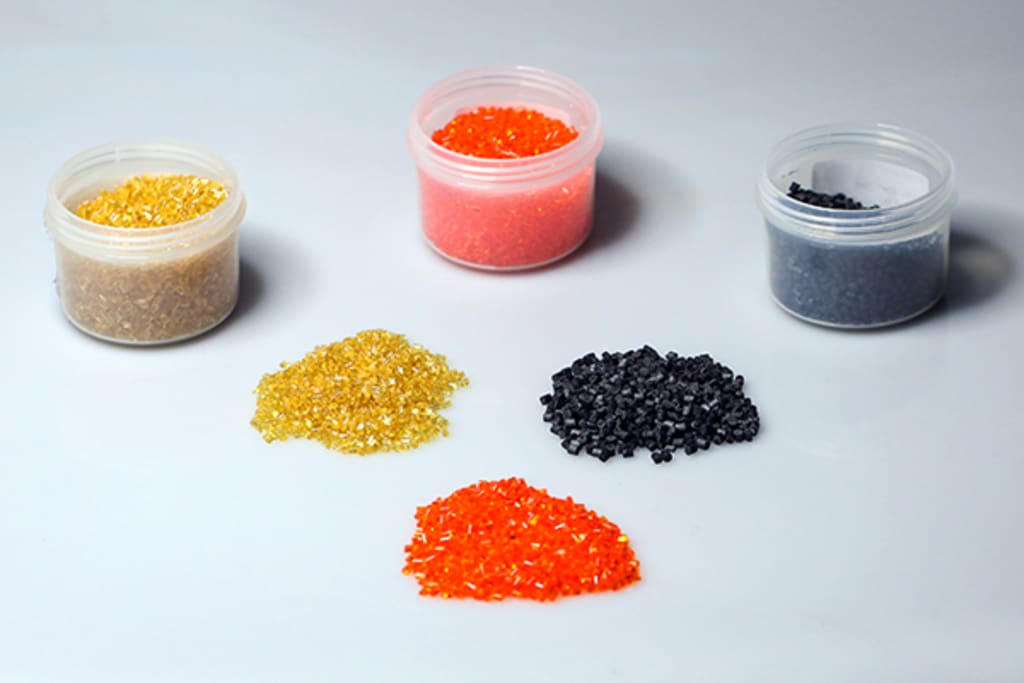
Injection molding has become a cornerstone in the manufacturing world, particularly for producing large quantities of plastic parts. While injection molding can be a highly efficient and cost-effective production method, there’s often a perception that it's an expensive process. However, with proper planning, sourcing, and design, cheap injection molding can be achieved without compromising on quality. In this extensive blog post, we’ll dive deep into everything you need to know about cheap injection molding, from the basics of the process to cost-saving strategies, and much more.
Table of Contents:
1. What is Injection Molding?
2. Factors Affecting Injection Molding Costs
3. Strategies to Reduce Injection Molding Costs
4. Low-Cost Materials for Injection Molding
5. Cheap Injection Molding Machines: What to Look For
6. Design Considerations for Cost Reduction
7. Prototyping and Low-Volume Injection Molding Options
8. Outsourcing vs. In-House Injection Molding: Which is Cheaper?
9. Injection Molding vs. 3D Printing: Which is More Affordable?
10. Final Thoughts
________________________________________
1. What is Injection Molding?
Injection molding is a manufacturing process that involves injecting molten material (typically plastic) into a mold to create a part or product. Once the material cools and solidifies, it takes the shape of the mold, and the finished part is ejected.
Key Components of Injection Molding:
• Mold: The cavity into which the molten material is injected.
• Injection Unit: This melts the plastic and injects it into the mold.
• Clamping Unit: Holds the mold together during the injection and cooling processes.
• Ejection System: Pushes the finished part out of the mold once it has cooled.
Injection molding is popular because of its ability to produce high volumes of parts quickly and with a high degree of repeatability. It's used in various industries, from automotive to medical devices and consumer products.
________________________________________
2. Factors Affecting Injection Molding Costs
While injection molding can be a cost-effective way to produce parts, several factors influence the overall cost of the process. Understanding these factors is crucial if you're aiming to reduce costs and find cheap injection molding solutions.
2.1 Mold Costs
The mold itself is one of the most significant upfront expenses in injection molding. Molds are typically made from steel or aluminum and require precise machining. Depending on the complexity of the part, the cost of molds can range from a few thousand dollars to over $100,000.
2.2 Material Costs
The type of plastic used also plays a significant role in the overall cost. Some plastics are more expensive than others, and specialty materials, such as high-strength or heat-resistant plastics, can significantly increase the cost.
2.3 Part Complexity
Complex parts require more intricate molds, which can increase both the cost of the mold and the cycle time (the time it takes to produce one part). More complex parts may also require more finishing and secondary operations, such as trimming or drilling, which can further drive up costs.
2.4 Production Volume
Injection molding is typically most cost-effective at high production volumes. The high upfront cost of the mold is spread out over the number of parts produced. For low-volume runs, other manufacturing methods may be more affordable.
2.5 Cycle Time
The cycle time, or the time it takes to complete one injection molding cycle, can affect labor and machine costs. Longer cycle times mean fewer parts can be produced per hour, increasing the overall cost per part.
________________________________________
3. Strategies to Reduce Injection Molding Costs
There are several strategies you can employ to reduce the costs associated with injection molding. While some of these strategies may require upfront investment, they can save significant money in the long run.
3.1 Simplify Part Design
One of the most effective ways to reduce injection molding costs is to simplify the design of the part. Complex designs often require more expensive molds, longer cycle times, and additional finishing work. By simplifying the design, you can reduce the cost of both the mold and the part itself.
3.2 Use Aluminum Molds for Low-Volume Production
If you’re working with low-volume production runs, consider using aluminum molds instead of steel molds. Aluminum molds are cheaper to manufacture and are often sufficient for producing a few thousand parts. While they may not last as long as steel molds, they can significantly reduce upfront costs.
3.3 Optimize Material Usage
Choosing the right material is crucial for keeping costs low. High-performance plastics may be necessary for some applications, but they’re not always needed. By selecting cheaper, more widely available materials, you can reduce the overall cost of your parts.
Another strategy is to optimize the amount of material used in each part. Reducing the wall thickness of the part or designing it to use less material can result in significant cost savings.
3.4 Reduce Cycle Time
Reducing the cycle time can lead to lower labor and machine costs. This can be achieved by optimizing the mold design, improving cooling times, and automating as much of the process as possible.
3.5 Choose the Right Manufacturer
One of the easiest ways to reduce injection molding costs is to choose the right manufacturer. Different manufacturers have different overhead costs, capabilities, and efficiencies, so it’s essential to shop around and get multiple quotes. Offshore manufacturing can sometimes offer significant cost savings, but be mindful of potential quality control issues, shipping costs, and lead times.
________________________________________
4. Low-Cost Materials for Injection Molding
Selecting low-cost materials is a great way to save money on injection molding. Here are some commonly used plastics that offer good performance at a reasonable price:
4.1 Polypropylene (PP)
Polypropylene is one of the most commonly used plastics in injection molding due to its low cost, flexibility, and chemical resistance. It’s often used for packaging, automotive parts, and consumer goods.
4.2 Polyethylene (PE)
Polyethylene is another affordable option. It’s durable, lightweight, and resistant to moisture, making it ideal for a wide range of applications, including packaging, medical devices, and toys.
4.3 Polystyrene (PS)
Polystyrene is cheap and easy to mold, making it a popular choice for products like disposable cutlery, packaging, and consumer electronics housings.
4.4 Acrylonitrile Butadiene Styrene (ABS)
ABS offers a good balance of toughness, impact resistance, and machinability, making it a popular choice for automotive parts, toys, and electronic enclosures. While it’s slightly more expensive than polypropylene and polyethylene, its versatility often justifies the cost.
________________________________________
5. Cheap Injection Molding Machines: What to Look For
The type of injection molding machine you use will also impact costs. While high-end machines offer advanced features and higher production speeds, you don’t always need the most expensive equipment to achieve good results. Here’s what to look for when seeking a cheap injection molding machine:
5.1 Used Machines
One of the most cost-effective ways to reduce capital costs is to purchase a used injection molding machine. Many used machines are in good working condition and can be acquired at a fraction of the cost of new equipment.
5.2 Smaller Machines
If you’re producing smaller parts, you may not need a large injection molding machine. Smaller machines are generally cheaper to purchase and operate and may be more than sufficient for your needs.
5.3 Automation and Efficiency
While some automated features may add upfront costs, they can significantly reduce labor costs in the long run. Look for machines that offer automation, fast cycle times, and energy-efficient operation, as these can help you achieve lower production costs over time.
________________________________________
6. Design Considerations for Cost Reduction
Designing your part with cost reduction in mind can help you achieve cheap injection molding without sacrificing quality.
6.1 Minimize Part Complexity
Simpler designs generally result in cheaper molds and faster production times. Avoid intricate geometries, undercuts, and tight tolerances whenever possible, as these features can increase mold costs and cycle times.
6.2 Standardize Components
Using standardized components or features can reduce both tooling costs and production times. For example, instead of designing custom threads or fasteners, opt for off-the-shelf components whenever possible.
6.3 Optimize Wall Thickness
Thicker walls require more material and longer cooling times, which can drive up costs. By optimizing the wall thickness of your part, you can reduce both material and cycle time costs.
6.4 Incorporate Draft Angles
Draft angles allow parts to be easily ejected from the mold without causing damage. Including draft angles in your design can reduce the likelihood of defects and improve overall production efficiency.
________________________________________
7. Prototyping and Low-Volume Injection Molding Options
Prototyping and low-volume production runs can be expensive with traditional injection molding due to the high cost of molds. However, there are several cost-effective alternatives for small production runs.
7.1 3D Printing for Prototyping
3D printing can be a great alternative for producing prototypes or small batches of parts. While it’s not as fast or efficient as injection molding for large-scale production, it allows for rapid iteration and design validation without the need for expensive molds.
7.2 Soft Tooling
Soft tooling refers to molds made from less durable materials, such as silicone or urethane. These molds are cheaper to produce than traditional steel or aluminum molds but are not suitable for high-volume production. They can be a good option for low-volume runs or prototyping.
________________________________________
8. Outsourcing vs. In-House Injection Molding: Which is Cheaper?
Deciding whether to outsource injection molding or bring it in-house depends on your specific needs and resources.
8.1 Outsourcing
Outsourcing injection molding can save money by avoiding the upfront costs of machinery, molds, and labor. Many manufacturers, particularly offshore, offer competitive pricing and high production capacity. However, outsourcing can introduce challenges with communication, lead times, and quality control.
8.2 In-House Production
If you have the capital and expertise, bringing injection molding in-house can offer long-term cost savings, particularly for high-volume production runs. You’ll have greater control over quality and lead times, but you’ll also need to invest in equipment, molds, and trained personnel.
________________________________________
9. Injection Molding vs. 3D Printing: Which is More Affordable?
3D printing has gained popularity in recent years, but it’s not always the most cost-effective option, especially for large production runs.
9.1 3D Printing for Low-Volume Production
For low-volume production, 3D printing can be more affordable because it eliminates the need for expensive molds. It also allows for rapid prototyping and iteration, making it ideal for small batches and custom parts.
9.2 Injection Molding for High-Volume Production
For high-volume production, injection molding is generally more cost-effective due to its ability to produce parts quickly and efficiently. While the upfront costs of molds are high, the cost per part decreases significantly as production volumes increase.
________________________________________
10. Final Thoughts
Cheap injection molding is possible with the right strategies in place. By simplifying part design, optimizing material usage, reducing cycle times, and carefully selecting manufacturers and equipment, you can significantly reduce the costs associated with injection molding without sacrificing quality. Whether you’re producing prototypes, low-volume batches, or high-volume runs, understanding the key factors that influence costs will help you make informed decisions and achieve your production goals affordably.
While there are always trade-offs when it comes to balancing cost, quality, and efficiency, the tips in this guide can help you navigate the world of injection molding and find cost-effective solutions that meet your needs. Whether you're a small business looking to produce your first run of parts or an established manufacturer seeking to optimize production costs, cheap injection molding is within reach with the right approach.
About the Creator
Holloway Group
Holloway Group is a proudly Australian owned innovation facilitator and Australian manufacturer, which aims to redefine what's possible to engineer a better tomorrow for our partners, clients and community.
Keep reading
More stories from Holloway Group and writers in BookClub and other communities.
Small-Scale Plastic Recycling: Innovative Solutions for Individuals and Communities
Plastic pollution is one of the most pressing environmental issues of our time. With over 300 million tons of plastic produced annually worldwide, much of it ends up in landfills, oceans, and other natural environments, causing significant harm to ecosystems and human health. Large-scale industrial recycling plays a crucial role in managing plastic waste, but small-scale plastic recycling can also offer powerful, community-driven solutions to this global problem.
By Holloway Groupabout a year ago in BookClub
Rachel Reviews: The Spiral Archive by Pieter Hendrik
It's difficult for me to know where to start with a review of this book as it was, for me, an entirely unique experience and one that I'll probably never have again. I don't want that to be interpreted as unenjoyable but it has left me scratching my head a little and ruminating on its content, its themes and its characters.
By Rachel Deeming7 days ago in BookClub
7 Books That Teach You How to Make Better Decisions
Making the right decisions consistently is one of the most powerful skills we can develop in life. Every choice we make—whether in business, personal finance, relationships, or daily habits—shapes our future. Yet, decision-making is rarely straightforward. Cognitive biases, emotional impulses, and incomplete information often cloud our judgment. Fortunately, there are resources that can help us navigate this complex terrain. Books on decision-making not only provide frameworks for better choices but also equip us with insights from psychology, economics, and behavioral science.
By Diana Meresc6 days ago in BookClub


Comments
There are no comments for this story
Be the first to respond and start the conversation.