
Small-Scale Plastic Recycling: Innovative Solutions for Individuals and Communities
Innovative Solutions for Individuals and Communities

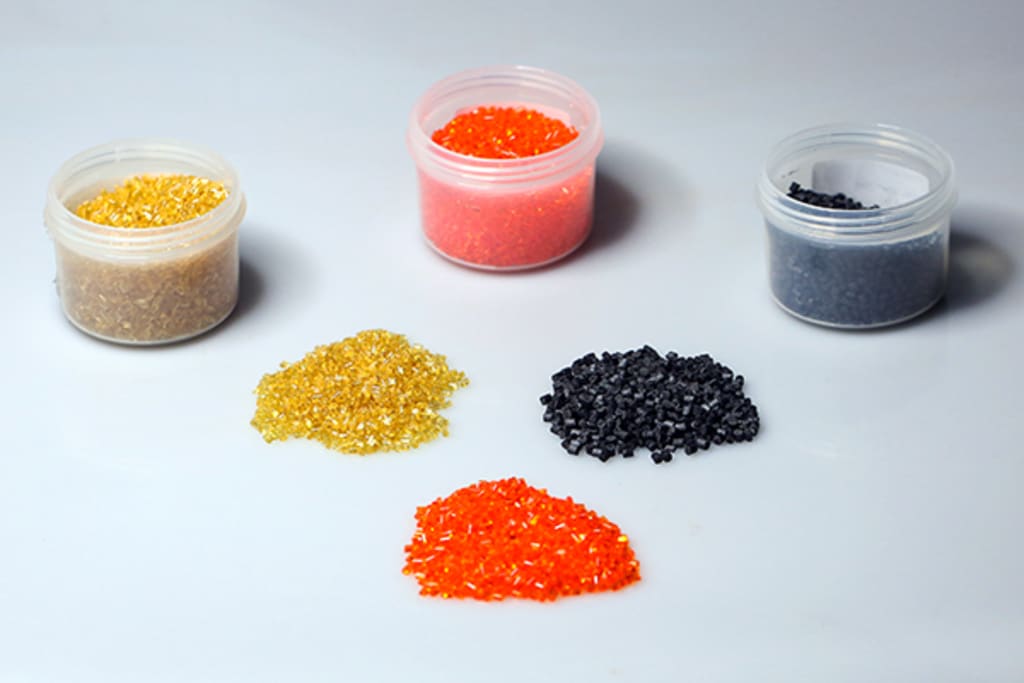
Plastic pollution is one of the most pressing environmental issues of our time. With over 300 million tons of plastic produced annually worldwide, much of it ends up in landfills, oceans, and other natural environments, causing significant harm to ecosystems and human health. Large-scale industrial recycling plays a crucial role in managing plastic waste, but small-scale plastic recycling can also offer powerful, community-driven solutions to this global problem.
Small-scale plastic recycling is essential for communities, businesses, and individuals looking to make a meaningful impact on reducing plastic waste. Whether it’s reducing your own waste footprint, supporting local businesses, or creating innovative products from recycled materials, small-scale recycling offers numerous opportunities for people to participate in the circular economy. In this blog, we will explore some of the best solutions for small-scale plastic recycling, how these methods work, and how they can be implemented in everyday life.
1. Home-Based Recycling Solutions
Home-based plastic recycling is an accessible way for individuals to reduce plastic waste and contribute to recycling efforts directly from their homes. While traditional recycling programs managed by municipalities may not recycle all types of plastics, home-based systems give people the ability to recycle different kinds of plastics, like bottle caps, bags, and packaging, that often aren't accepted in curbside programs.
a. Manual Sorting and Cleaning
Before any plastic can be recycled at home, it must be sorted and cleaned. Sorting plastic by type (e.g., PET, HDPE, PP, etc.) is crucial since different types of plastics require different processing methods. Washing the plastic is also essential to remove any food residue or contaminants that could interfere with the recycling process. While this method is labor-intensive, it is a fundamental step in any recycling process.
b. Shredding Plastic at Home
Shredding plastic is a critical step in home recycling. Small, affordable plastic shredders are available in the market that allow you to break plastic items into smaller, more manageable pieces. Shredded plastic is easier to melt or mold into new products. Shredding machines for home use vary in size and price, making it a viable option for households looking to reduce their plastic waste footprint.
c. Melting and Repurposing Plastic
Once plastic is shredded, it can be melted down and repurposed into new items. Small-scale plastic extruders and injection molding machines are available for home use, allowing individuals to melt shredded plastic and turn it into new products such as containers, tools, and household items. Some systems are specifically designed to work with DIY molds, making it easier to create custom products.
2. Community-Based Recycling Initiatives
While individual efforts are essential, collective action in the form of community-based recycling can have an even broader impact. Community recycling initiatives bring people together to work towards reducing plastic waste on a local level. These initiatives often involve education, workshops, and shared recycling equipment to allow for more efficient processing.
a. Precious Plastic: A Global Movement
One of the most well-known community-based small-scale recycling projects is Precious Plastic, a global initiative that empowers individuals and communities to start their own small-scale recycling workshops. Precious Plastic offers open-source blueprints for building plastic recycling machines, including shredders, extrusion machines, and injection molders, which can be built using locally available materials.
Precious Plastic workshops can be set up in community centers, schools, or even garages, allowing people to recycle plastic waste into new products such as furniture, building materials, and decorative items. The initiative encourages the creation of local businesses based on recycling, providing economic opportunities while promoting sustainability.
b. Collection Hubs and Drop-Off Points
Another effective community-based solution is setting up plastic collection hubs where individuals can drop off their plastic waste for recycling. These hubs can be located at community centers, schools, or local businesses. Once the plastic is collected, it can be sorted and sent to local recycling facilities or processed at community workshops using shredders and extruders.
c. Recycling Co-ops
Recycling co-ops are organizations where members pool resources to set up small-scale recycling operations. These co-ops can invest in shared equipment, such as shredders and extruders, which members use to process plastic waste. The co-op can then sell the recycled plastic or products made from it, with profits reinvested into the co-op to support further recycling efforts.
3. Plastic Recycling for Small Businesses
Small businesses can play a crucial role in reducing plastic waste by integrating recycling into their operations. There are several ways that small-scale plastic recycling can benefit businesses, from reducing waste management costs to creating new revenue streams through the sale of recycled plastic products.
a. In-House Recycling Systems
Small-scale plastic recycling systems, such as shredders and extruders, can be integrated directly into business operations. For example, businesses that generate a lot of plastic waste, such as packaging or plastic bottles, can set up an in-house recycling system to process that waste into reusable materials. These recycled materials can then be used to manufacture new products, reducing the need for virgin plastics and cutting down on waste disposal costs.
b. Creating Recycled Plastic Products
Many small businesses are using recycled plastic to create innovative products. For instance, companies are producing everything from eco-friendly furniture to fashion accessories using recycled plastic. Businesses can take advantage of small-scale recycling machinery to turn plastic waste into raw material for new products, allowing them to reduce their environmental impact while tapping into the growing demand for sustainable products.
c. Partnerships with Local Recycling Workshops
Small businesses that may not have the resources to set up their own recycling systems can partner with local recycling workshops, such as Precious Plastic workspaces, to handle their plastic waste. This can be a mutually beneficial relationship, as businesses can reduce their waste management costs while supporting local recycling initiatives, and workshops gain access to more plastic material to process.
4. Innovative Technologies for Small-Scale Plastic Recycling
Technology is playing an increasingly important role in small-scale plastic recycling, with innovative solutions emerging that make it easier, more efficient, and more accessible to individuals and communities.
a. Desktop Recycling Machines
Desktop plastic recycling machines, such as the ProtoCycler, are compact systems designed for home or office use. These machines can shred, melt, and extrude plastic, turning it into filament for 3D printers. The ability to recycle plastic waste into 3D printing filament opens up opportunities for individuals, hobbyists, and small businesses to create custom products, prototypes, or tools from their plastic waste.
b. Plastic-to-Fuel Systems
Another emerging technology in small-scale plastic recycling is plastic-to-fuel systems. These systems use pyrolysis to break down plastic waste into liquid fuel, which can then be used as an energy source. While these systems are still in the early stages of development, they hold promise as a way for individuals and communities to reduce plastic waste while producing renewable energy.
c. Micro Recycling Factories
Micro recycling factories, like those pioneered by researchers at the University of New South Wales in Australia, aim to turn plastic waste into valuable materials using small, portable systems. These modular, scalable recycling systems can be deployed in local communities or even remote areas to recycle plastic waste into usable raw materials like plastic filaments, pellets, or other industrial inputs.
5. Education and Awareness Initiatives
Education and awareness are vital components of small-scale recycling efforts. Many people are still unsure of how to recycle plastic correctly or are unaware of the possibilities for small-scale recycling. Educational initiatives, workshops, and outreach programs can help empower individuals and communities to take action.
a. Workshops and Training Programs
Hosting workshops on small-scale recycling methods can teach people how to sort, clean, and recycle plastic effectively. These workshops can include hands-on demonstrations of shredding, melting, and repurposing plastic into new products. Training programs can also teach individuals how to build and operate small-scale recycling machines, such as those designed by Precious Plastic.
b. Awareness Campaigns
Local governments, businesses, and community organizations can launch awareness campaigns to encourage more people to get involved in plastic recycling. These campaigns can provide practical tips on reducing plastic waste, information on local recycling options, and details on how individuals can start their own small-scale recycling projects.
Conclusion
Small-scale plastic recycling offers a range of solutions for individuals, businesses, and communities to reduce plastic waste and promote sustainability. From home-based recycling systems and community workshops to innovative technologies and educational programs, there are many ways to get involved in the circular economy and make a positive impact on the environment.
As the world continues to grapple with the challenge of plastic pollution, small-scale recycling represents a powerful tool for reducing waste, conserving resources, and fostering a culture of sustainability. By embracing these solutions, we can all contribute to a cleaner, greener future.
About the Creator
Holloway Group
Holloway Group is a proudly Australian owned innovation facilitator and Australian manufacturer, which aims to redefine what's possible to engineer a better tomorrow for our partners, clients and community.
Keep reading
More stories from Holloway Group and writers in BookClub and other communities.
Leading Companies in Australia Offering High-Quality Injection Moulding Services
Injection moulding is one of the most widely used manufacturing processes for producing plastic parts and components in large quantities with precision. Australia, being home to a dynamic manufacturing industry, is rich in companies that specialize in offering high-quality injection moulding services. These companies cater to various industries, including automotive, medical, packaging, electronics, and consumer goods. In this blog, we will take a detailed look at the leading injection moulding companies in Australia, their services, expertise, and how they stand out in this competitive field.
By Holloway Groupabout a year ago in BookClub
Rachel Reviews: The Spiral Archive by Pieter Hendrik
It's difficult for me to know where to start with a review of this book as it was, for me, an entirely unique experience and one that I'll probably never have again. I don't want that to be interpreted as unenjoyable but it has left me scratching my head a little and ruminating on its content, its themes and its characters.
By Rachel Deeming7 days ago in BookClub
7 Books That Take Less Than a Week to Finish
In a world overflowing with information, notifications, and endless to-do lists, finding time to read can feel like a luxury. Yet reading remains one of the most powerful ways to sharpen our thinking, deepen our empathy, and expand our perspective—often in just a few hours a day. The good news? You don’t need months to finish a life-changing book.
By Diana Meresc6 days ago in BookClub


Comments
There are no comments for this story
Be the first to respond and start the conversation.