
A Book That Changed the Life of My Best Friend
How Man’s Search for Meaning by Viktor E. Frankl Transformed a Perspective on Purpose and Resilience

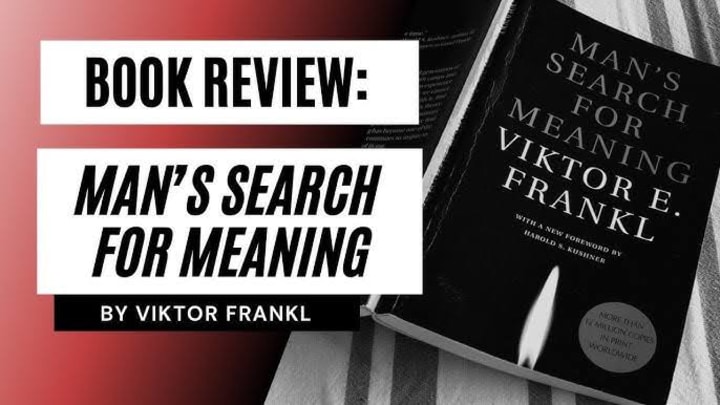
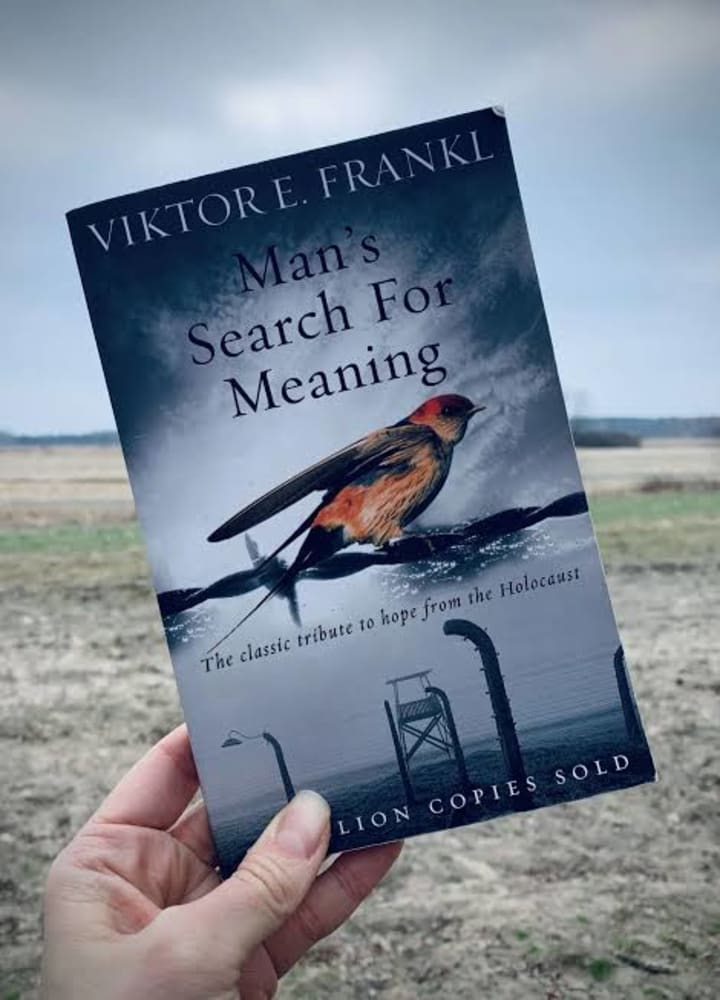
Books have an extraordinary ability to reshape our understanding of the world, and for my best friend, Alex, that transformative power came from Man’s Search for Meaning by Viktor E. Frankl. This profound work, part memoir and part psychological exploration, left an indelible mark on Alex’s life, shifting how they approach challenges, find purpose, and navigate suffering. Below, I’ll explore the book’s impact, its key points, and why it resonated so deeply, along with an overview of its author and a summary of its core message.
The Impact on Alex
Alex was going through a rough patch a couple of years ago—job stress, personal loss, and a sense of aimlessness had left them feeling unmoored. They described feeling like life was a series of repetitive tasks without deeper meaning. Then, a mutual friend recommended Man’s Search for Meaning. Alex wasn’t much of a reader, but the slim volume and its compelling premise drew them in. Within days of finishing it, Alex was different—more reflective, intentional, and, surprisingly, hopeful. They began journaling about their purpose, reevaluating priorities, and even volunteering at a local community center. The book didn’t just inspire fleeting motivation; it fundamentally changed how Alex viewed their existence.
Key Points from Man’s Search for Meaning
- The Power of Purpose: Frankl argues that having a “why” to live for enables individuals to endure almost any “how.” He observed that prisoners in concentration camps who held onto a sense of purpose—whether it was reuniting with loved ones or contributing to others—were more likely to survive.
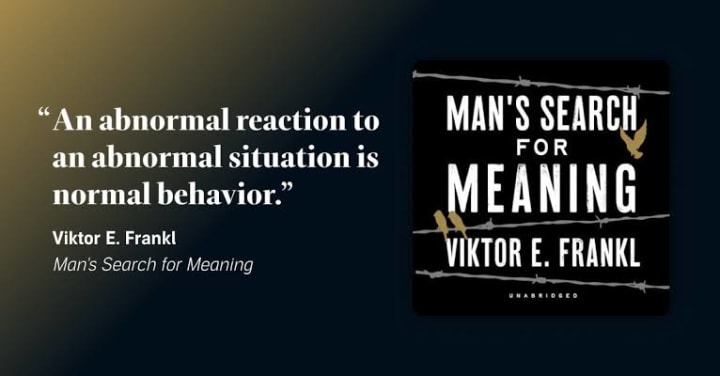
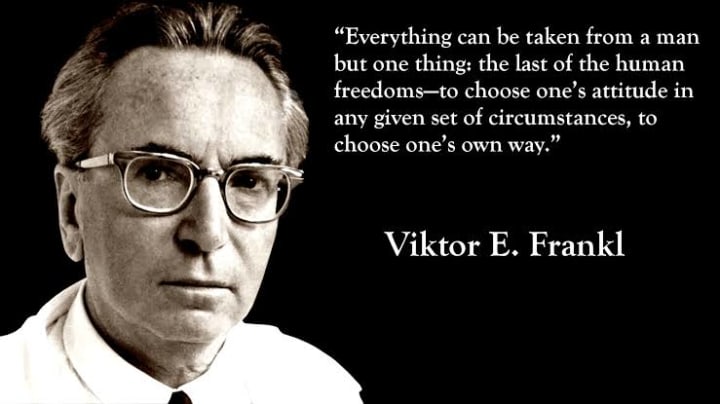
- Freedom of Choice: Even in the face of suffering, we retain the freedom to choose our attitude. This inner freedom, Frankl writes, is what no external force can take away.
- Logotherapy: Frankl introduces his psychological approach, logotherapy, which focuses on finding meaning in life rather than pleasure or power. It emphasizes that meaning can be discovered through creative work, experiences, or how we respond to unavoidable suffering.
- Suffering as a Teacher: Frankl posits that suffering, when inevitable, can be a source of growth if we find meaning in it. This idea challenges the notion that happiness is the ultimate goal, prioritizing purpose instead.
- Hope Amid Despair: Despite losing his family and enduring the Holocaust, Frankl’s resilience and hope underscore the human capacity to find light in the darkest times.
About the Author: Viktor E. Frankl
Viktor E. Frankl (1905–1997) was an Austrian psychiatrist, neurologist, and Holocaust survivor. Born in Vienna, he developed logotherapy, a form of existential psychotherapy, before being deported to Nazi concentration camps, including Auschwitz. His experiences there shaped Man’s Search for Meaning, first published in 1946. Frankl’s work blends psychological insight with philosophical depth, drawing from his observations of human behavior under extreme conditions. He authored over 30 books and became a leading figure in existential psychology, leaving a lasting legacy on how we understand resilience and purpose.
Why It Resonated
For Alex, the book’s raw honesty about suffering was a revelation. Frankl didn’t sugarcoat the horrors he faced, yet his focus on meaning rather than despair gave Alex a framework to process their own pain. The idea that purpose isn’t a grand, cosmic answer but can be found in everyday acts—like creating art or helping a stranger—made it accessible. Alex began applying this by setting small, meaningful goals, like reconnecting with old friends or mentoring at-risk youth. The book also challenged Alex’s tendency to seek happiness as an end goal, shifting their focus to living with intention.
Summary
Man’s Search for Meaning is a two-part work: Frankl’s memoir of surviving Nazi concentration camps and an introduction to logotherapy. In the first part, he recounts his experiences, observing how prisoners who found purpose—through hope, love, or small acts of defiance—were more resilient. The second part outlines logotherapy, emphasizing that meaning can be found in creativity, experiences, or how we face suffering. Published in 1946, the book has sold millions, resonating globally for its universal message: life’s meaning is not given to us; we create it through our choices. For Alex, this book was a lifeline, transforming despair into purpose and proving that even in suffering, we can find a reason to keep going.
About the Creator
Am@n Khan
I'm educational storyteller passionate about turning knowledge into engaging narratives.
I write about topics like science, history and life skills.
Contact
WhatsApp : +923336369634
My New Book is Finally Here
My poetry collection Beautiful and Brutal Things is done. It's actually done and finally published over 270 pages. Over a year of my life went into this book. More than a year, really. Long days at my computer, sometimes seven days a week because I couldn't stop even when I probably should have. Then two months of editing that felt harder than the writing itself. But it's finished, and I'm still standing, and the book is real.
By Tim Carmichael2 days ago in BookClub
Cursed Pages & Candlelight
Welcome, brave souls, to The Chapter Cafe—where stories steep like tea and mysteries simmer in the shadows. Tonight, under the flicker of candlelight and the watchful gaze of a harvest moon, we invite you to pull up a chair and sip from our Halloween Mystery Brew.
By Kristen Barenthaler4 days ago in BookClub




Comments
There are no comments for this story
Be the first to respond and start the conversation.