
7 Sad Books You Need To Read In 2026
Explore Heartbreaking Stories That Will Stay With You: 7 Sad Books You Need to Read In 2026 for Emotional Depth and Insight.


Sad books have a unique power. They don’t just make us cry; they change us. They hold up a mirror to grief, love, loss, injustice, and the fragile beauty of being human. We don’t read sad books to feel worse—we read them to feel understood, to process emotions we don’t always have words for, and to remind ourselves that suffering is universal, survivable, and meaningful.
Below is a list of 7 sad books you need to read in 2026. These stories linger long after the final page, shaping how we see relationships, mortality, and empathy itself. Each book below is accompanied by a detailed review explaining its emotional impact, core themes, and why it earns a place on this list.
1. A Little Life – Hanya Yanagihara
A Little Life is a profoundly painful exploration of trauma, friendship, and endurance. The novel follows four friends, but centers on Jude St. Francis, whose childhood abuse shapes every aspect of his adult life. Yanagihara examines chronic pain, self-harm, shame, and the limits of love with relentless honesty. What makes the book so devastating is its refusal to offer easy healing; love helps, but it does not erase trauma. Readers are forced to sit with discomfort and compassion. This novel is important because it challenges romanticized ideas of recovery and asks how much suffering one life can hold.
2. The Book Thief – Markus Zusak
Set in Nazi Germany and narrated by Death, The Book Thief tells the story of Liesel Meminger, a young girl who finds refuge in words during wartime. The novel explores loss, moral courage, and the redemptive power of storytelling amid unimaginable brutality. Its sadness comes not just from death, but from stolen childhoods and quiet acts of resistance. Zusak humanizes history by focusing on ordinary people trying to remain kind in an inhumane world. The contrast between lyrical prose and tragic events makes the emotional impact linger long after the final page.
3. Flowers for Algernon – Daniel Keyes
Flowers for Algernon is a heartbreaking meditation on intelligence, dignity, and loneliness. Told through progress reports, it follows Charlie Gordon, who undergoes an experimental procedure that dramatically increases—and later decreases—his intelligence. As Charlie becomes more aware, he also becomes more isolated, realizing how cruelly he was once treated. The novel’s power lies in its emotional irony: greater intelligence brings greater pain. Frequently referenced in psychology and ethics, this book forces readers to question how society defines worth and success. Its sadness is quiet, inevitable, and deeply human.
4. Never Let Me Go – Kazuo Ishiguro
Never Let Me Go is a subtle, haunting novel about fate, memory, and mortality. Kathy, Ruth, and Tommy grow up in a seemingly idyllic boarding school, only to slowly discover the dark truth about their purpose. Ishiguro’s restrained prose amplifies the tragedy—there is no rebellion, only acceptance. The sadness comes from what is not said, from lives shaped by forces beyond their control. The novel raises ethical questions about humanity and exploitation while capturing the ache of lost innocence. Its emotional weight builds gradually, leaving readers quietly devastated.
5. The Road – Cormac McCarthy
The Road is a bleak yet tender portrayal of love in a broken world. Following a father and son through a post-apocalyptic landscape, the novel strips life down to survival, morality, and hope. McCarthy’s sparse language mirrors the desolation, while the bond between father and child provides emotional warmth. The sadness lies in constant loss and looming death, but also in the fear of losing one’s humanity. This book matters because it asks a fundamental question: What does it mean to be good when everything else is gone?
6. A Thousand Splendid Suns – Khaled Hosseini
A Thousand Splendid Suns tells the intertwined stories of Mariam and Laila, two Afghan women bound by suffering and resilience. Set against decades of war and political upheaval, the novel explores oppression, sacrifice, motherhood, and female solidarity. Hosseini shows how systemic injustice shapes personal tragedy, making the sadness both intimate and global. The emotional impact comes from witnessing endurance in the face of relentless cruelty. This book is essential because it gives voice to silenced lives and reminds readers that love and courage can exist even in the harshest conditions.
7. The Kite Runner – Khaled Hosseini
The Kite Runner is a deeply emotional story of friendship, betrayal, and redemption. Amir’s childhood betrayal of Hassan becomes a lifelong burden of guilt, unfolding against the backdrop of Afghanistan’s political turmoil. The sadness stems from moral failure rather than death alone—the pain of knowing one did wrong and cannot undo it. Hosseini explores loyalty, shame, and the possibility of atonement with clarity and compassion. This novel resonates because it reflects a universal truth: our earliest choices often shape who we become, and redemption always comes at a cost.
Conclusion
Reading sad books is an act of courage. These stories won’t always comfort you—but they will honor your emotions, challenge your assumptions, and deepen your understanding of humanity. Whether you’re seeking catharsis, connection, or perspective, the books on this list offer something rare: emotional truth.
Our recommendation? Don’t binge them. Read slowly. Reflect often. Let the sadness teach you what joy alone never could.
About the Creator
Diana Meresc
“Diana Meresc“ bring honest, genuine and thoroughly researched ideas that can bring a difference in your life so that you can live a long healthy life.
Keep reading
More stories from Diana Meresc and writers in BookClub and other communities.
7 Most Beautiful Books Ever Written
What does it mean for a book to be beautiful? Is it the elegance of its language, the depth of its ideas, the emotional resonance it leaves behind—or something even more ineffable? We believe the most beautiful books ever written are those that change us. They reshape how we see love, suffering, time, identity, and the human condition. These are the books that linger in our minds long after the final page, like a melody we can’t quite forget.
By Diana Meresc17 days ago in BookClub
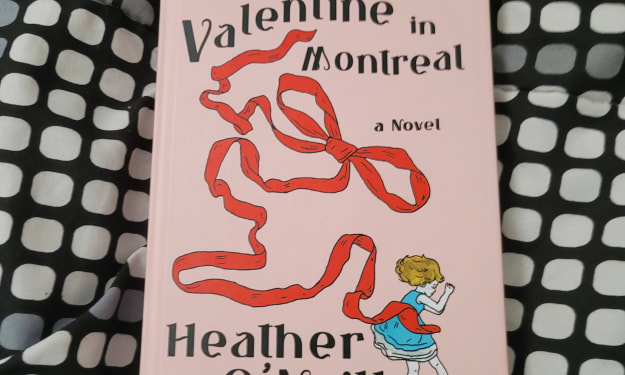
Valentine in Montréal
Don't be fooled by the title. The story is actually very interesting: My name is Valentine. I am twenty-three years old and I work at a little store at Berri-UQAM métro. I am very ordinary-looking and Barney, who works the same shift as me at the store, says I do not know how to dress. I have been working there for four years, and I have never missed a day. This is why sometimes I seem familiar to people, even though they can't place me.
By Kendall Defoe 3 days ago in BookClub



Comments
There are no comments for this story
Be the first to respond and start the conversation.