
7 Common Mistakes to Avoid When Restoring a Vintage Car
Restoring a vintage car is a thrilling and rewarding project that allows car enthusiasts to breathe new life into timeless machines. Whether you're working on a beloved classic or a rare model, a well-executed restoration can make all the difference in both the vehicle's appearance and value.

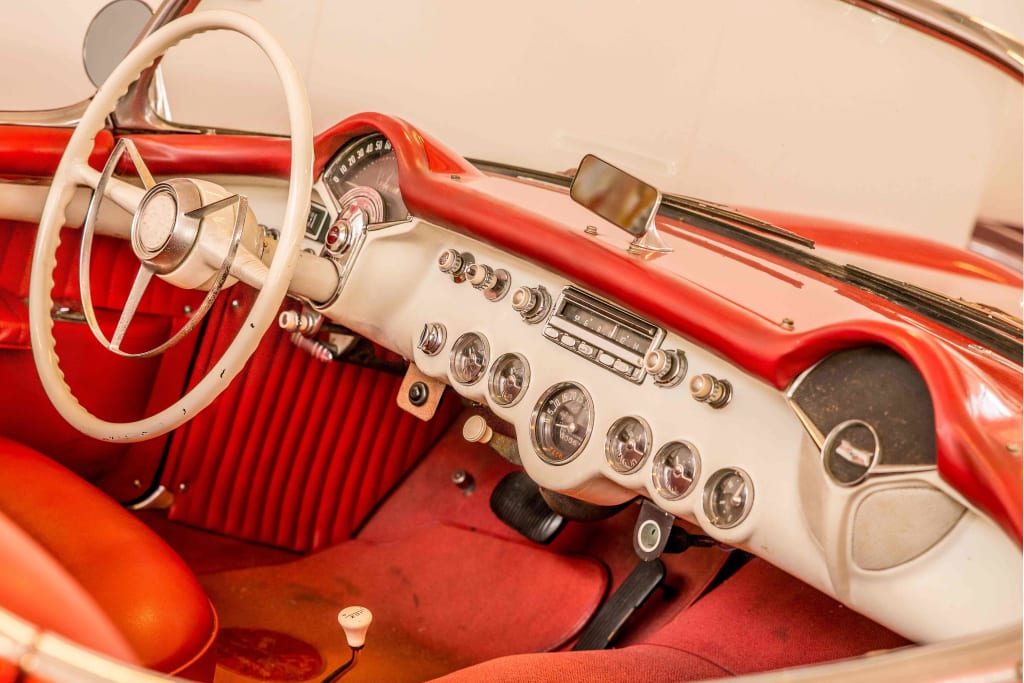
Restoring a vintage car is a thrilling and rewarding project that allows car enthusiasts to breathe new life into timeless machines. Whether you're working on a beloved classic or a rare model, a well-executed restoration can make all the difference in both the vehicle's appearance and value. However, the process can be complex, and even seasoned restorers can make mistakes that can compromise the project. To help you achieve the best results, we’ve compiled a list of 7 common mistakes to avoid when restoring a vintage car restoration.
Restoring a Vintage Car
1. Underestimating the Scope of the Project
One of the most common mistakes made when restoring a vintage car is underestimating the time, effort, and costs involved. Many people start with high expectations, only to find that their project quickly spirals out of control. A full restoration isn’t just about fixing a few cosmetic issues – it often involves overhauling the engine, suspension, wiring, and even the bodywork.
What to do instead:
Before starting, take the time to properly assess the car's condition. Create a detailed plan that outlines the scope of the restoration, including parts replacement, costs, and estimated time. Be realistic about the work involved and have contingency plans for any unforeseen problems. Consulting with a professional restorer can also help give you a clearer understanding of what you're getting into.
2. Ignoring the Importance of Original Parts
When restoring a vintage car, using original parts is crucial to preserving the authenticity and value of the vehicle. While modern parts may seem like an easier or more cost-effective option, using non-original components can drastically affect the car’s originality and potentially reduce its resale value.
What to do instead:
Whenever possible, source original parts for your restoration. If original parts are no longer available, try to find high-quality aftermarket parts that match the original specifications. Keep in mind that some rare parts may need to be custom-made, so take your time to find the right fit. Preserving the integrity of the vehicle is key to maintaining its value and historical importance.
3. Overlooking the Car’s Structural Integrity
It’s easy to get caught up in the aesthetics of a vintage car restoration – such as the paintwork and upholstery – but it’s essential not to overlook the car's structural integrity. Rust, corrosion, and worn-out suspension components can often be hidden underneath layers of paint or upholstery, but neglecting these issues can lead to serious safety concerns down the line.
What to do instead:
Start with a thorough inspection of the car’s frame, suspension, and undercarriage. Address any rust or corrosion early in the restoration process before they can spread and cause irreparable damage. Depending on the extent of the rust, it may be necessary to replace sections of the body or frame. Structural issues should never be ignored, as they can compromise the safety and longevity of the car.
4. Cutting Corners with Bodywork and Paint
While bodywork and paint are often the most noticeable aspects of a vintage car restoration, cutting corners in these areas can significantly impact the quality of the finished product. Skimping on the prep work or using low-quality paint can result in uneven surfaces, poor durability, and a lacklustre finish.
What to do instead:
Properly prepare the bodywork by addressing dents, scratches, and rust before applying new paint. If possible, opt for professional bodywork services to ensure that the finish is smooth and flawless. Choose high-quality paints that are suited for your car’s materials and climate conditions. Remember that the paintwork should not only look good but should also protect the car's metal surfaces for years to come.
5. Neglecting the Electrical System
Restoring the electrical system of a vintage car is an often-overlooked but crucial part of the process. Over time, the wiring, switches, and fuses in classic cars can deteriorate, leading to electrical failures. A faulty electrical system can cause a range of issues, from malfunctioning lights to engine problems.
What to do instead:
Take the time to inspect and upgrade the car’s electrical system. Replace old wiring with modern, durable wires that meet current safety standards. Ensure that the alternator, battery, and starter motor are all in good working condition. If necessary, consider upgrading the electrical system to accommodate modern-day accessories, but be sure not to compromise the car’s originality.
6. Not Budgeting for Unexpected Costs
A vintage car restoration can quickly become a money pit if you don’t plan for unexpected costs. From discovering hidden rust and engine issues to sourcing hard-to-find parts, costs can quickly escalate beyond your initial budget. Failing to account for these additional expenses can lead to frustration and, in some cases, the abandonment of the project.
What to do instead:
Set aside a contingency fund to cover unexpected costs. It’s recommended to allocate an additional 10-20% of your original budget for any surprise expenses that arise during the restoration. This will help you stay on track and avoid financial strain. Keep detailed records of all your spending, and make sure you're aware of costs at every stage of the project.
7. Rushing the Restoration Process
Restoring a vintage car is a labour of love, and it requires patience and attention to detail. Rushing through the process in order to finish the project quickly can result in mistakes, missed details, and a lower-quality outcome. It’s important to give each part of the restoration the time and care it deserves.
What to do instead:
Take your time and work at a steady pace. Prioritise quality over speed, and don’t be afraid to take breaks when necessary. If you’re working with a restoration shop, ensure they share your vision and attention to detail. Remember, a well-restored car is a product of time, effort, and skill, so don’t rush to meet deadlines at the expense of quality work.
Conclusion
Vintage car restoration is a rewarding endeavour that allows you to preserve a piece of automotive history. However, it’s important to be aware of the common mistakes that many restorers make to ensure the success of your project. By avoiding these pitfalls, such as underestimating the scope of the restoration, ignoring structural integrity, and rushing through the process, you’ll be better equipped to bring your classic car back to life in the best possible way.
Restoring a vintage car takes patience, skill, and attention to detail, but the satisfaction of completing the project and enjoying a beautiful, fully restored car is worth the effort. Take your time, plan thoroughly, and enlist the help of professionals when necessary, and you’ll have a classic car that’s ready to turn heads for years to come.
About the Creator
White’s Bodyworks
White's Bodyworks is one of the leading specialists in restoring, repairing, and maintaining cars, bikes, and classic vehicles. we ensure that your vehicle looks and performs at its best.
Keep reading
More stories from White’s Bodyworks and writers in BookClub and other communities.
Vintage Car Restoration: How to Bring Classic Cars Back to Life
Classic cars are more than just vehicles; they are symbols of automotive history, craftsmanship, and engineering excellence. Whether it’s a shiny 1960s Jaguar E-Type, a vintage Porsche 911, or an old Ford Mustang, restoring these iconic machines is a labour of love that brings them back to their former glory. Vintage car restoration, however, is a detailed, time-consuming, and expensive process that requires both technical expertise and an appreciation for the heritage of the vehicle. In this article, we will explore the steps involved in restoring a classic car, the skills required, and the challenges you may face along the way.
By White’s Bodyworksabout a year ago in BookClub




Comments
There are no comments for this story
Be the first to respond and start the conversation.