
Vintage Car Restoration: How to Bring Classic Cars Back to Life
Restoring a vintage car is a challenging yet rewarding process that requires technical expertise, passion, and patience. From disassembly and bodywork to engine overhauls and interior refurbishing, every step plays a crucial role in reviving a classic car. This guide explores the key stages of vintage car restoration, offering insights on how to preserve automotive history while achieving stunning results.

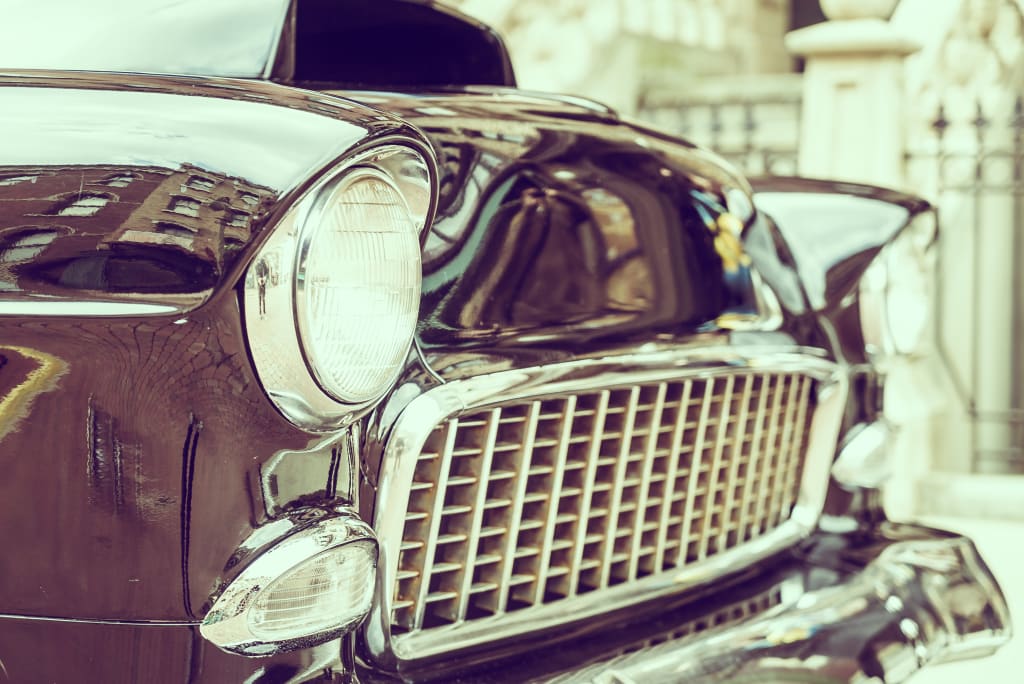
Classic cars are more than just vehicles; they are symbols of automotive history, craftsmanship, and engineering excellence. Whether it’s a shiny 1960s Jaguar E-Type, a vintage Porsche 911, or an old Ford Mustang, restoring these iconic machines is a labour of love that brings them back to their former glory. Vintage car restoration, however, is a detailed, time-consuming, and expensive process that requires both technical expertise and an appreciation for the heritage of the vehicle. In this article, we will explore the steps involved in restoring a classic car, the skills required, and the challenges you may face along the way.
The Allure of Classic Cars
Before diving into the intricacies of car restoration, it's important to understand why classic cars are so appealing. To many, these vehicles represent more than just transportation; they evoke nostalgia and the golden era of motoring. The design, sound, and driving experience of vintage cars are unmatched by modern-day vehicles. This is why people are willing to invest considerable time, effort, and money into restoring a classic car.
Restoring a vintage car allows enthusiasts to preserve not only a piece of automotive history but also to enjoy the thrill of working with their hands and applying their knowledge of cars. Whether you plan to keep the car for personal enjoyment or sell it at a profit, a well-restored classic can increase in value significantly.
The Basics of Vintage Car Restoration
Restoring a classic car is a multifaceted process. It involves several stages, including disassembly, bodywork, mechanical repair, reassembly, and finishing touches. Each stage requires precision, patience, and access to the right tools and parts.
1. Assessing the Condition of the Car
The first step in any restoration project is to assess the condition of the car. You need to know exactly what you're working with before starting the restoration. Look for signs of rust, frame damage, engine condition, and the overall state of the body and interior. For example, while surface rust can often be removed with cleaning and sanding, severe rust in critical structural areas, such as the chassis or floorboards, may require more extensive repairs or even replacement.
This stage may also involve consulting with professionals or experts who specialise in specific makes and models. Their insights can help you understand the car’s historical value and guide you in maintaining its authenticity during the restoration process.
2. Planning the Restoration
Once you’ve assessed the car’s condition, it's time to plan the restoration. This stage involves deciding how far you want to take the project. Are you restoring the car to concours-level (showroom condition), or are you aiming for a driver-quality restoration, which focuses more on mechanical functionality and less on cosmetic perfection? The answer to this question will largely dictate the materials you use and the amount of time you invest.
You should also budget for the restoration. A vintage car restoration can cost anywhere from a few thousand pounds for a basic restoration to tens of thousands for a complete, concours-quality job. Break down the project into smaller tasks—bodywork, engine rebuild, electricals, upholstery—and estimate how much each component will cost, taking into account labour and parts.
3. Disassembly
Restoring a car involves taking it apart piece by piece. This stage requires careful documentation of how each part is removed. Take photographs, label components, and keep track of every nut, bolt, and screw. It’s a good idea to have a dedicated workspace with ample storage and a detailed inventory to keep things organised.
During disassembly, you will likely encounter unexpected problems. For example, rusty bolts might break, or parts may be missing or beyond repair. Depending on the car’s age, many parts may no longer be available, which could force you to have custom parts made or search for replacements from specialist suppliers or scrap yards.
4. Bodywork and Paint
The bodywork is often one of the most complex and time-consuming aspects of a restoration project. Many vintage cars suffer from rust, dents, and damage caused by years of wear and tear. In some cases, it may be necessary to replace entire panels or sections of the body. This requires skill in welding and metalwork, as well as the ability to work with various materials, such as steel, aluminium, or fiberglass.
After any structural repairs, the body must be properly prepared for painting. This involves sanding down the old paint, filling any imperfections, and smoothing out the surface. Once the body is in perfect condition, the new paintwork can be applied. Choosing the right colour is important, as classic cars are often expected to be restored in their original hues to maintain authenticity. If you are restoring a car to concours level, the paint finish must be flawless, which means paying close attention to detail and ensuring a professional standard of work.
5. Engine and Transmission Overhaul
One of the most critical aspects of restoring a vintage car is bringing the engine and transmission back to life. Over time, engines can become clogged with dirt, oil, and carbon deposits, while seals and gaskets can degrade. A complete engine rebuild might be necessary, which involves disassembling the engine, cleaning each component, and replacing worn-out parts.
Common tasks during an engine rebuild include:
- Cylinder head inspection: Checking for cracks, warping, or worn-out valve seats.
- Piston and cylinder inspection: Replacing pistons and honing cylinders if needed.
- Valve train overhaul: Replacing worn camshafts, timing belts, and lifters.
- Carburettor or fuel injection system rebuild: Cleaning or replacing fuel delivery systems.
Similarly, the transmission may need to be disassembled, cleaned, and rebuilt. This can involve replacing worn gears, seals, or bearings to restore proper shifting functionality.
It’s also a good time to check the fuel system, cooling system, and exhaust system. Restoring the engine can be an expensive part of the project, but it’s crucial for the car to run smoothly and reliably once it’s back on the road.
6. Electrical System
The electrical system of classic cars often needs a full overhaul. Many older cars used 6-volt electrical systems, while modern vehicles have 12-volt systems. Converting to a 12-volt system can be a good idea for improving reliability, especially if the car will be driven regularly. This process might involve replacing the battery, alternator, and wiring.
It’s also important to restore or replace components such as the dashboard instruments, lights, and indicators. Electrical connections should be thoroughly checked to ensure there are no faulty wires or shorts, as these could pose a serious safety risk once the car is operational.
7. Interior Restoration
Restoring the interior is another vital part of the process, as it directly impacts the car’s aesthetic and comfort. Upholstery, seats, carpets, and dashboard components can all deteriorate over time. Depending on the car's age and original materials, replacing upholstery may involve finding period-correct fabrics or leather.
The dashboard and instruments should be cleaned and refurbished, while any worn-out or damaged trim should be repaired or replaced. Restoring the interior can be a time-consuming and delicate task, but it’s important to preserve the car’s original character.
8. Reassembly and Testing
Once all parts have been restored and rebuilt, it’s time to reassemble the car. This is a meticulous process that requires you to put everything back together according to the original specifications. Make sure to double-check your work to ensure everything is in place, from electrical connections to the correct fitting of body panels.
After reassembly, the car should be thoroughly tested. Check for proper engine operation, smooth shifting, functional electrical systems, and correct suspension and braking. Test drive the car in a safe, controlled environment to ensure everything works as expected.
9. Final Touches
After the car has been reassembled and tested, it’s time to focus on the final touches. This includes detailing the car to bring out its shine, polishing the chrome, and installing any missing badges or decals. If your car has aftermarket parts that were replaced during the restoration, you might want to consider upgrading to more authentic or period-correct items.
For concours-level restorations, every detail counts. Ensuring that the car looks as close as possible to its original state, down to the smallest details, is key to achieving the highest level of restoration.
Challenges in Vintage Car Restoration
Restoring a classic car can be a rewarding experience, but it also comes with its fair share of challenges. These challenges include sourcing rare or discontinued parts, dealing with unexpected damage, and the sheer amount of time required to complete the restoration. Additionally, the financial cost can be high, especially if you’re restoring a particularly rare or valuable car.
Conclusion
Vintage car restoration is a highly detailed and rewarding process that combines craftsmanship, engineering, and passion for preserving automotive history. Whether you’re tackling a modest restoration or embarking on a full, concours-quality rebuild, the effort you put into bringing a classic car back to life will result in a timeless piece of automotive art. By following a structured process and paying close attention to detail, you can restore these machines to their former glory, ensuring that they continue to inspire and captivate for generations to come.
ChatGPT can make mistakes. Check important info.
About the Creator
White’s Bodyworks
White's Bodyworks is one of the leading specialists in restoring, repairing, and maintaining cars, bikes, and classic vehicles. we ensure that your vehicle looks and performs at its best.
Keep reading
More stories from White’s Bodyworks and writers in BookClub and other communities.
7 Common Mistakes to Avoid When Restoring a Vintage Car
Restoring a vintage car is a thrilling and rewarding project that allows car enthusiasts to breathe new life into timeless machines. Whether you're working on a beloved classic or a rare model, a well-executed restoration can make all the difference in both the vehicle's appearance and value. However, the process can be complex, and even seasoned restorers can make mistakes that can compromise the project. To help you achieve the best results, we’ve compiled a list of 7 common mistakes to avoid when restoring a vintage car restoration.
By White’s Bodyworksabout a year ago in BookClub
My New Book is Finally Here
My poetry collection Beautiful and Brutal Things is done. It's actually done and finally published over 270 pages. Over a year of my life went into this book. More than a year, really. Long days at my computer, sometimes seven days a week because I couldn't stop even when I probably should have. Then two months of editing that felt harder than the writing itself. But it's finished, and I'm still standing, and the book is real.
By Tim Carmichael11 days ago in BookClub
The Fisherman by John Langan
A book about traversing grief in its many forms, as seen through the lens of cosmic horror. TLDR: Two widowers bonded by loss seek solace in fishing, only to stumble upon an ancient, terrifying secret hidden in the Catskill Mountains.
By Justin Dayabout 12 hours ago in BookClub




Comments
There are no comments for this story
Be the first to respond and start the conversation.