
What is Considered Concrete?
What is Considered Concrete?
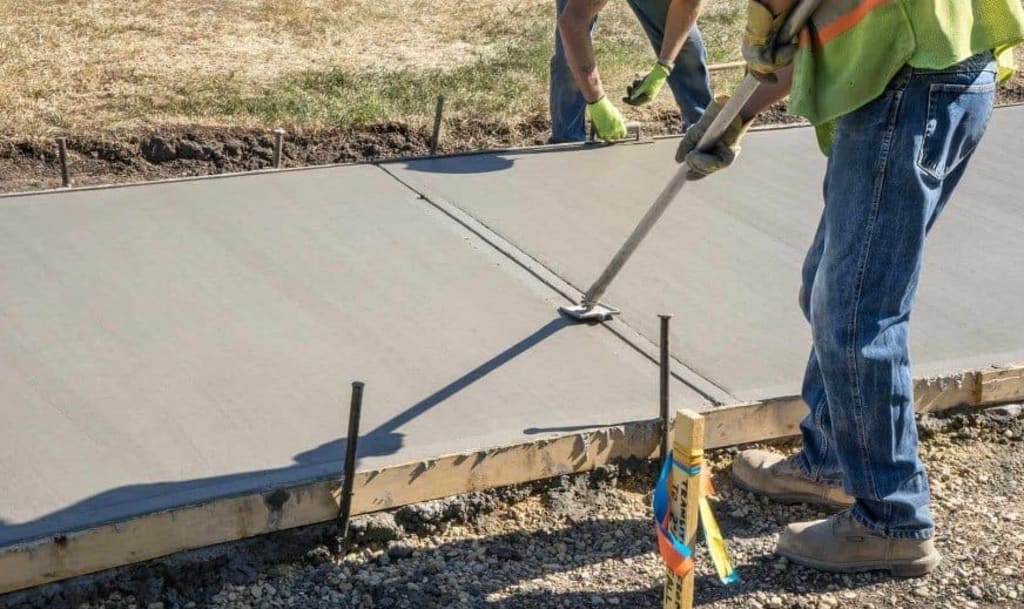
Concrete is one of the most widely used construction materials in the world. Its importance can be seen in almost every structure, from buildings and bridges to roads and dams. Concrete is essential because of its strength, durability, and adaptability, allowing it to be shaped into virtually any form. Despite its commonality, there’s more to concrete than meets the eye. This article will dive into what concrete is, its components, types, properties, and applications, making it much more than just a gray slab.
The Basics: What is Concrete?
At its core, concrete is a composite material composed of fine and coarse aggregates (like sand, gravel, or crushed stone) bound together by a binder, typically cement. When water is added to the mix, the cement reacts to form a paste that binds the aggregates into a solid mass. This process, known as hydration, transforms the mixture into a hard, stone-like material as it cures over time.
Though concrete installation may seem simple, there are many variations, formulations, and uses that make it versatile enough for nearly every construction need.
The Components of Concrete
Concrete is made up of three main ingredients:
Cement: The binder in concrete, typically Portland cement, is responsible for the chemical reaction that causes the mixture to harden. Cement is made from limestone and clay, which are heated in a kiln and ground into a fine powder. When water is added to cement, it undergoes a chemical reaction called hydration, which leads to the hardening of the material.
Aggregates: Aggregates form the bulk of the concrete mixture and are typically divided into two types: fine and coarse. Fine aggregates include sand, while coarse aggregates consist of larger materials like gravel, crushed stone, or recycled concrete. The type and size of aggregates used can significantly impact the strength, durability, and appearance of the final concrete.
Water: Water is essential for the hydration process, helping to activate the cement and allowing it to bind the aggregates. The amount of water used is critical because it affects the workability, strength, and durability of the concrete. Too much water can weaken the final product, while too little can make it difficult to mix and pour.
How Does Concrete Work?
The magic of concrete happens during the hydration process. When water is added to cement, a chemical reaction occurs, causing the cement particles to form bonds with the aggregates. This process starts almost immediately after mixing and continues over time, typically taking about 28 days for concrete to reach its full strength. However, concrete doesn't stop curing once it's set; it continues to harden over years, albeit at a much slower pace.
Types of Concrete
Concrete isn't a one-size-fits-all material. Depending on the application, various formulations and types of concrete are used. Here are some of the most common types:
Normal Strength Concrete: This is the most basic form of concrete, composed of cement, water, and aggregates. It is used in many everyday construction projects like sidewalks, floors, and building foundations. Normal strength concrete typically has a compressive strength of 20 to 40 MPa (megapascals).
High-Strength Concrete: High-strength concrete is designed to have a higher compressive strength, typically above 40 MPa. This type of concrete is used in structures that require exceptional durability and load-bearing capabilities, such as bridges, high-rise buildings, and industrial facilities.
Lightweight Concrete: Lightweight concrete uses lightweight aggregates, such as expanded clay or shale, to reduce the overall density. This type of concrete is often used in projects where weight is a concern, like in roofing, bridge decks, or high-rise construction.
Self-Consolidating Concrete (SCC): SCC is a highly fluid type of concrete that can flow and spread into place without the need for mechanical vibration. This makes it ideal for complex forms or areas with congested reinforcement, as it fills gaps and crevices with ease.
Reinforced Concrete: Reinforced concrete contains steel bars (rebar) or fibers to strengthen the material. The combination of concrete's compressive strength and steel's tensile strength makes reinforced concrete one of the most widely used construction materials for buildings, bridges, and infrastructure.
Precast Concrete: Precast concrete is cast and cured off-site, then transported to the construction site. This allows for greater control over the quality and finish of the concrete. Precast concrete is commonly used for structural components like beams, columns, and panels.
Shotcrete: Shotcrete is a type of concrete that is sprayed onto surfaces at high velocity. It's commonly used for slope stabilization, tunnel linings, and pool construction. Shotcrete can be applied to vertical or overhead surfaces, making it ideal for specialized projects.
Properties of Concrete
Concrete is valued for a number of key properties, which make it suitable for a wide range of applications.
Compressive Strength: Concrete is known for its high compressive strength, making it ideal for load-bearing applications. The strength of concrete is typically measured in MPa and varies depending on the mix design and curing process. The higher the compressive strength, the more durable the material.
Durability: When properly mixed and cured, concrete can last for decades or even centuries. Its durability depends on factors such as the quality of materials, environmental conditions, and maintenance. Concrete's durability is particularly important for infrastructure projects like bridges and highways, which must withstand the elements over time.
Workability: Workability refers to how easy it is to mix, place, and finish concrete. It can be adjusted by altering the water-to-cement ratio, using admixtures, or selecting different types of aggregates. Higher workability is essential for complex projects with intricate forms or reinforcement.
Tensile Strength: While concrete has high compressive strength, its tensile strength (resistance to being pulled apart) is relatively low. This is why concrete is often reinforced with steel bars or fibers, which provide the tensile strength needed for structural stability.
Thermal Properties: Concrete has excellent thermal mass, meaning it can absorb and store heat. This property makes it a popular choice for energy-efficient buildings, as it helps regulate indoor temperatures by absorbing heat during the day and releasing it at night.
Fire Resistance: Concrete is naturally fire-resistant due to its non-combustible nature. In fact, concrete structures can withstand intense heat without collapsing, making it a popular material for fireproofing and fire-resistant structures.
Permeability: Concrete is not completely waterproof, but its permeability can be controlled through the mix design and additives. Lower permeability is essential for structures exposed to water or moisture, such as dams, bridges, and foundations.
Applications of Concrete
Concrete's versatility is evident in the wide range of applications it serves:
Buildings: From residential homes to skyscrapers, concrete is the backbone of modern architecture. Reinforced concrete is used for foundations, columns, walls, and floors due to its strength and durability.
Infrastructure: Bridges, roads, tunnels, and dams are often constructed using concrete due to its ability to withstand heavy loads and harsh environmental conditions. For instance, highways and airport runways are made with concrete because of its strength and durability under traffic loads.
Marine Structures: Concrete is commonly used in marine structures such as piers, seawalls, and docks due to its resistance to water and corrosion. Special additives can be used to improve its performance in saltwater environments.
Decorative Concrete: In addition to its structural applications, concrete is also used for aesthetic purposes. Stamped, stained, and polished concrete are popular choices for decorative flooring, countertops, and outdoor spaces.
Specialized Structures: Concrete is often used in specialized structures such as nuclear power plants, water treatment facilities, and underground storage tanks. These projects require concrete that can withstand extreme conditions, such as radiation or chemical exposure.
Sustainability of Concrete
While concrete is a vital construction material, it also has a significant environmental impact. Cement production alone accounts for approximately 8% of global carbon dioxide (CO2) emissions. However, the industry is working to reduce its carbon footprint by exploring alternative binders, using recycled materials, and improving energy efficiency in production.
One emerging trend is the use of green concrete, which incorporates recycled materials like fly ash, slag, or crushed concrete to reduce the need for virgin materials. Additionally, innovations such as carbon capture technology and low-carbon cements are being developed to make concrete more sustainable.
Challenges and Limitations
Despite its many benefits, concrete does have limitations. These include:
Environmental Impact: As mentioned, cement production contributes to CO2 emissions, making the concrete industry a target for sustainability efforts.
Cracking: Concrete is prone to cracking due to its low tensile strength and shrinkage during curing. Proper reinforcement and curing practices can help mitigate this issue.
Heavy Weight: Concrete is a heavy material, which can limit its use in certain applications, such as in lightweight structures or renovations where additional weight is a concern.
Long Curing Time: Concrete takes time to reach its full strength, usually around 28 days. This can slow down construction schedules and require careful planning.
Conclusion
Concrete is much more than just a gray building material. Its components, properties, and versatility make it an essential part of modern construction. From skyscrapers and bridges to decorative surfaces and marine structures, concrete's adaptability has made it indispensable. As the world continues to advance, so too does the technology behind concrete, driving innovations that address environmental concerns and enhance its performance.
While challenges like sustainability and cracking repair, the ongoing research and development in the industry ensure that concrete will continue to play a vital role in the built environment for years to come.
About the Creator
Keep reading
More stories from Jane Smith and writers in Blush and other communities.
Is Solar Really a Good Investment?
In recent years, solar energy has captured the attention of homeowners, businesses, and governments around the world. As the push for sustainable, renewable energy sources grows, many are asking: Is solar really a good investment? While the answer can depend on a range of factors, from location to financial incentives, solar energy offers significant potential for long-term savings, environmental benefits, and energy independence.
By Jane Smith about a year ago in Blush
Hand-Tied vs. Machine Wefts: The Ultimate Guide to Choosing Your Perfect Extensions
In the world of professional hair extensions, "wefts" are the gold standard for adding significant length and volume. However, the choice between Hand-Tied Wefts and Machine Wefts often leaves clients—and even some stylists—uncertain.
By Emma Smitha day ago in Blush
The Modern Guide to Smooth, Healthy, and Confident Hair Care
Hair has always been more than just a physical feature. Across cultures and generations, it represents beauty, confidence, and personal identity. Whether long or short, natural or styled, hair plays a powerful role in how people express themselves. In recent years, advancements in beauty and grooming have transformed how individuals manage unwanted hair, especially with options like Laser Hair Removal in Islamabad, which reflects the growing demand for modern, effective solutions.
By Saad Imtiaz2 days ago in Blush



Comments
There are no comments for this story
Be the first to respond and start the conversation.