
Is Solar Really a Good Investment?
Is Solar Really a Good Investment? A Comprehensive Guide
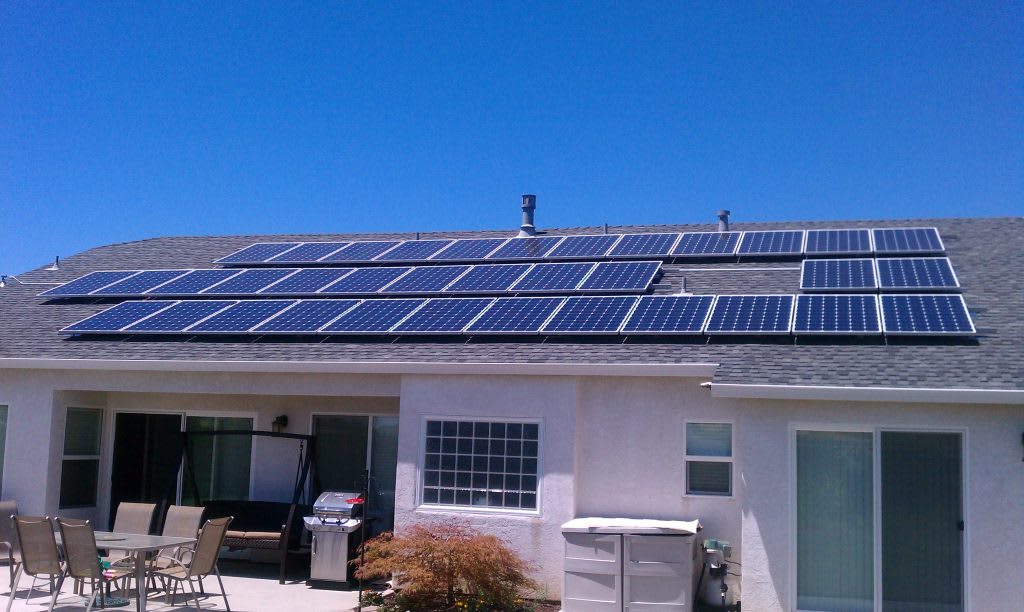
In recent years, solar energy has captured the attention of homeowners, businesses, and governments around the world. As the push for sustainable, renewable energy sources grows, many are asking: Is solar really a good investment? While the answer can depend on a range of factors, from location to financial incentives, solar energy offers significant potential for long-term savings, environmental benefits, and energy independence.
In this article, we'll dive deep into whether investing in solar energy is worth it by exploring the following topics:
Solar technology: How it works
Costs and savings associated with solar energy
Financial incentives and rebates
Environmental impact
Longevity and maintenance
Resale value of homes with solar installations
Potential risks and downsides
1. Understanding Solar Technology
At the core of solar energy is photovoltaic (PV) technology, which converts sunlight into electricity. Solar panels, made from silicon, absorb sunlight and create an electric current. This electricity can then be used to power homes and businesses.
The basic setup for a residential solar energy system includes:
Solar Panels: The primary units that convert sunlight into direct current (DC) electricity.
Inverter: Converts the DC electricity into alternating current (AC), which is used in most homes.
Metering System: Tracks how much energy is produced and consumed, and in some cases, allows for the sale of excess energy back to the grid.
Solar power systems can either be tied to the grid, where extra energy can be sent to the utility company for credit (net metering), or be off-grid, using batteries to store power for times when sunlight is not available.
2. Costs and Savings of Solar Energy
Initial Costs
One of the main concerns for potential solar investors is the upfront cost. Installing solar panels can be a significant expense, with the average U.S. residential installation ranging from $15,000 to $30,000 before incentives. Factors influencing the cost include:
The size of the system (measured in kilowatts)
The brand and type of panels
Labor and installation fees
Location and roof conditions
While these costs can seem high, it’s important to consider solar energy as a long-term investment.
Long-term Savings
The main appeal of solar power is the potential for long-term savings on electricity bills. The exact amount saved depends on a variety of factors, such as:
Energy consumption: The more electricity your household uses, the greater your potential savings.
Local electricity rates: In areas with high electricity prices, solar savings are more substantial.
System size and efficiency: Larger, more efficient systems generate more power and can offset a greater portion of your electricity bill.
In some cases, solar panels can eliminate electricity bills entirely. The average payback period for a solar investment (the time it takes to recover the initial cost through energy savings) is typically between 6 and 10 years. Given that solar panels can last 25-30 years or more, many homeowners enjoy two decades of free electricity after the payback period.
3. Financial Incentives and Rebates
Governments around the world have introduced various financial incentives to encourage solar adoption. These incentives can significantly reduce the upfront cost of solar panels, making the investment more attractive.
Federal and State Incentives (U.S.)
Federal Solar Tax Credit (Investment Tax Credit - ITC): In the U.S., homeowners can currently claim a federal tax credit of 30% of the total system cost for solar installations. This can result in substantial savings.
State and Local Incentives: Some states offer additional rebates or tax credits, which can further reduce costs. States like California and New York have particularly strong solar incentives.
Net Metering: Many utility companies offer net metering, which allows homeowners to sell excess solar power back to the grid, effectively lowering energy costs further.
Global Incentives
In other parts of the world, similar financial incentives are available. For example:
Germany: One of the world leaders in solar energy, Germany offers feed-in tariffs that allow homeowners to earn money by feeding surplus energy into the grid.
Australia: States in Australia provide incentives such as rebates and net metering, making solar energy a popular choice.
4. Environmental Impact
The environmental benefits of solar energy are a significant factor for many people when deciding whether to invest. Solar power is a clean, renewable energy source that produces electricity without emitting greenhouse gases or pollutants. By installing solar panels, homeowners can:
Reduce carbon emissions: Each solar-powered home prevents tons of CO2 from being released into the atmosphere each year.
Decrease reliance on fossil fuels: Transitioning to solar reduces the demand for coal, natural gas, and other non-renewable energy sources.
Promote energy independence: Widespread solar adoption can reduce dependence on foreign energy imports, promoting local energy production.
In addition to these benefits, many consumers appreciate knowing that they are contributing to a more sustainable future.
5. Longevity and Maintenance
Another consideration when assessing the value of a solar investment is the lifespan of the system and its maintenance requirements.
Longevity
Solar panels are incredibly durable and can last 25 to 30 years or more. Most come with warranties that guarantee performance for at least 20 years, and some high-quality panels may last even longer with only a slight decline in efficiency.
Maintenance
Solar panels require very little maintenance. They have no moving parts, so mechanical failures are rare. Most homeowners only need to clean the panels occasionally to remove dirt or debris that might reduce efficiency. Some systems may also require an inverter replacement after 10-15 years, but this is a relatively minor cost compared to the initial installation.
6. Resale Value of Homes with Solar Installations
In addition to energy savings, installing solar panels can increase the value of your home. Numerous studies have found that homes with solar energy systems sell for more than those without, with buyers often willing to pay a premium for properties with lower utility costs.
According to the Lawrence Berkeley National Laboratory, homes with solar panels in the U.S. sell for an average of 4.1% more than comparable homes without them. Additionally, solar homes tend to sell faster than non-solar homes, making them attractive to potential buyers.
7. Potential Risks and Downsides
While the benefits of solar energy are significant, there are some potential drawbacks to consider before making the investment.
Weather and Location
Solar panels perform best in sunny climates, but they still generate electricity on cloudy days. However, in areas with frequent overcast weather or long winters, the energy output may be lower, which can impact savings.
Upfront Costs
Although financial incentives and long-term savings make solar more affordable, the initial investment can still be steep. Not all homeowners have access to the capital required for installation, though solar loans and leasing programs can help.
Aesthetic Concerns
Some homeowners are concerned about the appearance of solar panels on their roofs. While modern solar panels are sleeker and more aesthetically pleasing than earlier models, they may not be suitable for everyone’s tastes or fit with all architectural styles.
Conclusion: Is Solar a Good Investment?
The answer to the question “Is solar really a good investment?” largely depends on individual circumstances, but for many homeowners and businesses, the answer is a resounding yes. Solar energy offers long-term financial savings, significant environmental benefits, and increased property value, all while promoting energy independence.
While there are upfront costs and potential downsides to consider, the combination of financial incentives, energy savings, and durability makes solar an increasingly attractive option. As technology improves and prices continue to fall, solar energy is expected to play a central role in the future of energy production.
If you're considering going solar, carefully assess your energy needs, local incentives, and solar potential to determine if now is the right time to make the switch. For many, solar is not just a good investment—it's a step toward a more sustainable and cost-effective future.
About the Creator
Keep reading
More stories from Jane Smith and writers in Blush and other communities.
How Much Can You Get a Private Loan For?
The prospect of securing a private loan often comes with the question, “How much can I actually borrow?” The answer, unfortunately, isn't straightforward. It's a complex interplay of several factors, including your financial health, the lender's policies, and the type of loan you're seeking.
By Jane Smith 2 years ago in Blush
Is the Viral 10-Step Korean Skincare Routine Really Helpful?
The 10-step Korean skincare routine has been one of the most trending in the beauty world lately. It is claimed to provide us with glass-like skin. The beauty regimen is based on prevention and frequency, and it is geared towards using lightweight products to improve the skin barrier. But it is as good as it is and cannot be allowed in all cases.
By Good health to everyone3 days ago in Blush
Korean Skincare Secrets: The Best Serums to Repair and Restore your Glow
You know that moment when your skin just looks tired, dull, uneven or not quite as radiant as it used to be? Trust me, we’ve all been there. Life happens, and our skin feels it in more ways than none. That effortless glow starts to fade, and suddenly your usual routine just isn’t doing enough.
By Good health to everyone5 days ago in Blush




Comments
There are no comments for this story
Be the first to respond and start the conversation.