
Understanding Skin Moles: What You Need to Know
Skin Moles
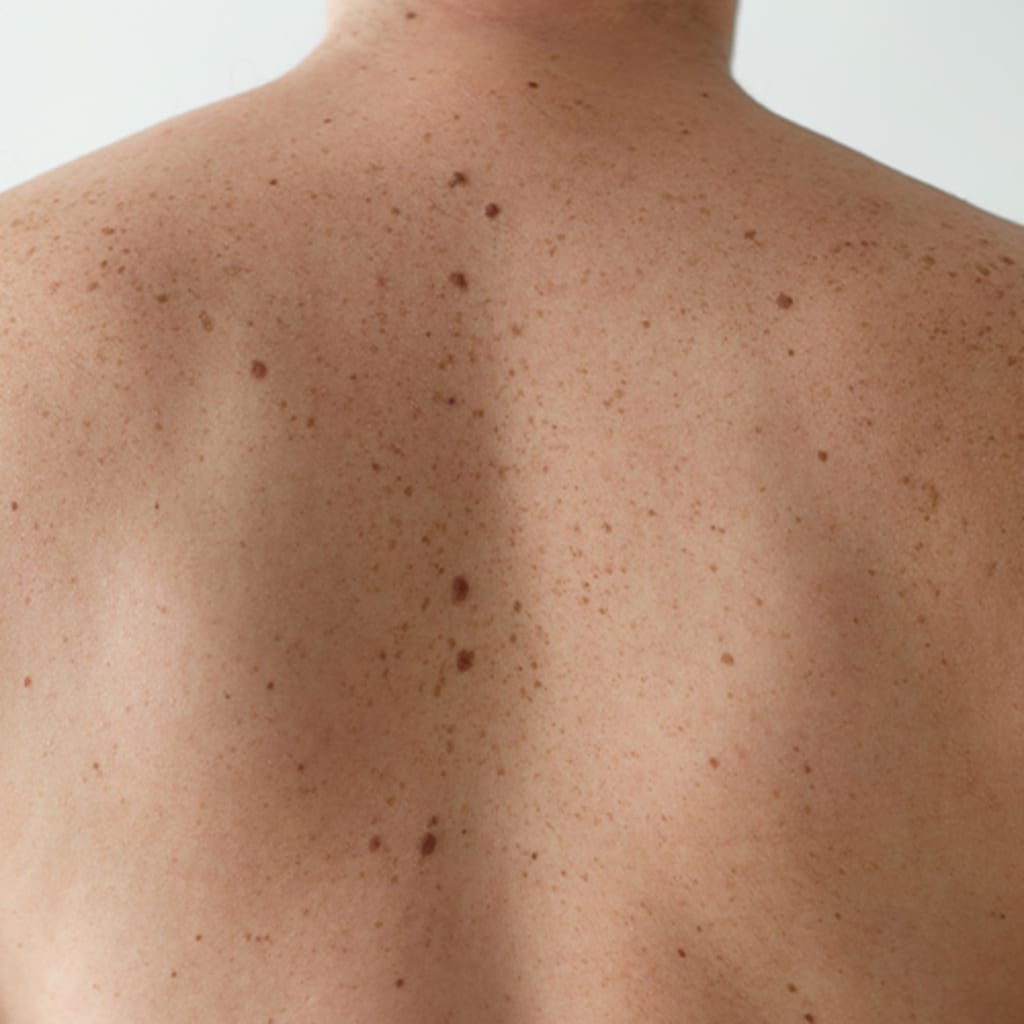
Skin moles, medically known as nevi, are a common occurrence for many people. These small growths can appear anywhere on the body and come in various colors, shapes, and sizes. While most moles are benign and harmless, it's essential to understand their characteristics, monitor any changes, and know when to seek professional advice. In this comprehensive guide, we'll explore what moles are, their types, the importance of monitoring them, and tips for maintaining healthy skin.
What Are Skin Moles?
Skin moles are typically small, dark brown spots that form when melanocytes—cells that produce pigment—clump together. Moles can appear anywhere on the skin and usually develop during childhood and adolescence, although they can continue to appear into adulthood.
Types of Moles
Congenital Moles: These moles are present at birth and can vary in size and color. Some congenital moles may have a higher risk of developing into melanoma, particularly if they are larger.
Acquired Moles: Most people develop these moles over time due to sun exposure or hormonal changes. They usually appear in childhood or early adulthood and are generally harmless.
Dysplastic Nevi: These are atypical moles that can be larger than regular moles and often have irregular borders and multiple colors. Dysplastic nevi can be a marker for an increased risk of melanoma.
Seborrheic Keratosis: Although not technically moles, these growths are often mistaken for moles. They are benign, rough patches that can vary in color and size and typically appear with age.
Why Do Moles Change?
It's important to note that moles can change over time. While some changes are normal, significant alterations in color, shape, or size may indicate a problem. Common factors that can lead to changes in moles include:
Sun Exposure: Prolonged exposure to UV rays can cause moles to darken or change shape.
Hormonal Changes: Puberty, pregnancy, and menopause can influence mole development and appearance.
Age: As we age, it's normal for moles to become raised or develop rough edges.
The ABCDEs of Mole Monitoring
To help identify potential warning signs, dermatologists recommend the ABCDE rule for monitoring moles:
Asymmetry: If you draw a line through the mole, the two halves don’t match.
Border: Irregular, ragged, or blurred edges.
Color: A mix of colors, including brown, black, red, white, or blue.
Diameter: Larger than 6mm (about the size of a pencil eraser).
Evolving: Any change in size, shape, color, or elevation, or any new symptoms like bleeding or itching.
If you notice any of these signs, it’s crucial to schedule an appointment with a dermatologist.
Risk Factors for Melanoma
While most moles are benign, certain risk factors can increase the likelihood of developing melanoma, a type of skin cancer. These include:
Family History: A family history of melanoma can increase your risk.
Skin Type: People with fair skin, light hair, and light eyes are at higher risk.
Sun Exposure: Excessive UV exposure, especially from tanning beds, significantly raises melanoma risk.
Number of Moles: Having more than 50 moles increases the likelihood of developing melanoma.
Previous Skin Cancer: A history of skin cancer increases the risk of melanoma.
Regular Skin Checks: A Key to Prevention
Regular self-examinations and professional skin checks are essential for maintaining skin health. Here’s how to conduct a self-exam:
Find a Well-Lit Area: Use natural light when possible.
Use a Mirror: Use both a full-length mirror and a handheld mirror to check all areas of your body, including hard-to-see spots like your back, scalp, and between your toes.
Document Changes: Take photos of your moles for comparison in future examinations.
Professional Skin Checks
It’s advisable to see a dermatologist for a full-body skin examination, especially if you have risk factors for skin cancer. During a professional check, the dermatologist will:
Evaluate your moles using a dermatoscope, a tool that allows for a closer look.
Discuss your personal and family medical history.
Recommend a follow-up schedule based on your skin type and mole characteristics.
How to Care for Your Skin and Moles
Taking care of your skin can reduce the risk of developing problematic moles and skin cancer. Here are some tips:
1. Sun Protection
Use Sunscreen: Apply a broad-spectrum sunscreen with at least SPF 30 daily, even on cloudy days.
Wear Protective Clothing: Opt for hats and long sleeves when outdoors.
Seek Shade: Avoid direct sunlight, especially between 10 a.m. and 4 p.m.
2. Avoid Tanning Beds
Tanning beds emit UV radiation, which can significantly increase the risk of melanoma. Opt for safer alternatives, like self-tanning lotions or sprays.
3. Healthy Lifestyle Choices
Stay Hydrated: Drinking plenty of water keeps your skin healthy.
Eat a Balanced Diet: Include fruits, vegetables, and antioxidants in your diet to support skin health.
Avoid Smoking: Smoking can negatively impact your skin's appearance and health.
When to Seek Medical Attention
If you notice any concerning changes in your moles or develop new moles, it’s crucial to consult a dermatologist promptly. Early detection of melanoma can significantly increase the chances of successful treatment.
Conclusion
Skin moles are a common part of many people's lives, but understanding their characteristics and monitoring any changes is vital for maintaining skin health. By being aware of the ABCDEs of mole monitoring and taking proactive measures to protect your skin, you can significantly reduce your risk of developing skin cancer. Regular skin checks, both self-examinations and professional evaluations, are essential components of a healthy skincare routine.
Stay informed, stay vigilant, and prioritize your skin health!
About the Creator
Keep reading
More stories from SKIN Clinics and writers in Blush and other communities.
Understanding Spider Veins: Symptoms, Treatment, and Prevention
Spider veins, medically known as telangiectasia, are a common yet often misunderstood condition that affects millions of people worldwide. Characterized by small, dilated blood vessels that appear close to the surface of the skin, spider veins can form anywhere on the body but are most frequently seen on the legs and face. This blog post will delve into the symptoms, treatment options, and preventive measures associated with spider veins, providing a comprehensive guide to understanding and managing this condition.
By SKIN Clinicsabout a year ago in Blush
The Story of Tyler and Charlie
JOHN BROWN V. HITLER In a world often divided by prejudice and misunderstanding, the meeting of two seemingly opposing figures, Tyler and Charlie, became a pivotal moment in their lives. Tyler, known for his compassionate heart, found himself in a position that challenged his beliefs and values. Charlie, who had lived a life filled with controversy and conflict, represented a past that many wished to forget. Yet, in this extraordinary encounter, Tyler saw an opportunity for redemption and forgiveness that could transcend their differences.
By Organic Products 5 days ago in Blush



Comments
There are no comments for this story
Be the first to respond and start the conversation.