
Understanding Melasma: A Comprehensive Guide
Melasma
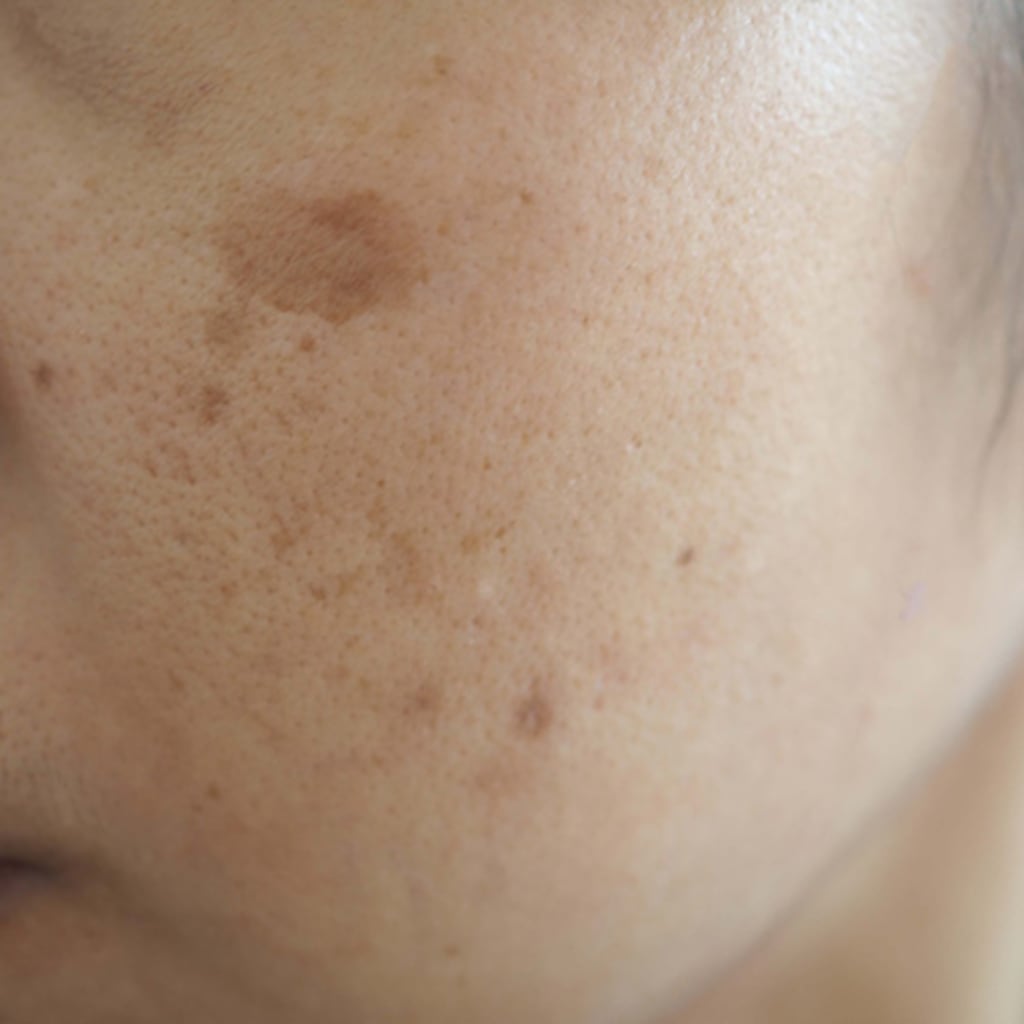
Melasma is a prevalent skin condition that affects many individuals, particularly women. Characterized by dark, irregular patches on the face, melasma can be both a cosmetic concern and a source of emotional distress. This blog post delves into the causes, symptoms, treatment options, and prevention strategies for melasma, offering a thorough understanding of this common skin disorder.
What is Melasma?
Melasma, often referred to as "the mask of pregnancy," is a skin condition that results in dark, discolored patches, typically appearing on the cheeks, forehead, nose, and chin. While it can affect anyone, it is most commonly seen in women, particularly those of darker skin tones. The patches can vary in size and shape, sometimes blending into each other, leading to larger areas of discoloration.
The Science Behind Melasma
The exact cause of melasma remains somewhat elusive, but it is believed to result from a combination of factors. The primary trigger is the overproduction of melanin, the pigment responsible for skin color. This overproduction can be stimulated by:
Hormonal Changes: Many women experience melasma during pregnancy due to increased hormone levels, especially estrogen and progesterone. Birth control pills can have a similar effect.
Sun Exposure: Ultraviolet (UV) rays from the sun can worsen melasma. Even minimal sun exposure can trigger the condition in susceptible individuals, which is why sun protection is crucial.
Genetic Predisposition: Individuals with a family history of melasma are more likely to develop the condition. Genetic factors play a significant role in melanin production.
Certain Medications: Some medications can trigger or exacerbate melasma. This includes hormonal treatments and certain drugs that increase sensitivity to sunlight.
Symptoms of Melasma
The primary symptom of melasma is the presence of dark patches on the skin. These patches:
Are usually symmetrical, appearing on both sides of the face.
May vary in color, ranging from light brown to dark brown.
Can be flat or slightly raised.
While melasma is not harmful and does not cause any physical discomfort, it can significantly impact an individual's self-esteem and emotional well-being, leading to feelings of frustration or embarrassment.
Diagnosis of Melasma
Diagnosis of melasma is generally straightforward. A dermatologist will perform a physical examination of the skin, taking into account the patient’s medical history, symptoms, and possible triggers. In some cases, a Wood's lamp may be used to examine the pigmentation more closely, determining whether the melasma is superficial or deeper within the skin layers.
Treatment Options for Melasma
While melasma may fade on its own, especially after pregnancy or hormonal changes, many individuals seek treatment to expedite the process or to address persistent discoloration. Here are some of the most effective treatment options:
1. Topical Treatments
Topical treatments are often the first line of defense against melasma. These include:
Hydroquinone: This is a skin-lightening agent that reduces melanin production. It is available in both prescription and over-the-counter formulations.
Tretinoin: A derivative of vitamin A, tretinoin promotes skin cell turnover and helps to fade discoloration.
Azelaic Acid: This acid has anti-inflammatory properties and can inhibit melanin production, making it an effective treatment for melasma.
Kojic Acid: Derived from fungi, kojic acid is another skin-lightening agent that can help reduce melasma.
2. Chemical Peels
Chemical peels involve applying a chemical solution to the skin to exfoliate the top layers. This can help reduce pigmentation and improve the overall texture of the skin. Glycolic acid and trichloroacetic acid (TCA) peels are commonly used for melasma treatment.
3. Laser Therapy
Laser treatments can target melasma more precisely than topical agents. Several types of lasers, including fractional lasers and intense pulsed light (IPL), are used to reduce pigmentation. However, results can vary, and there’s a risk of triggering post-inflammatory hyperpigmentation, especially in individuals with darker skin.
4. Microdermabrasion
This non-invasive procedure involves exfoliating the skin using tiny crystals to remove the outer layer. While it may not be as effective as other treatments, it can help improve skin texture and tone.
5. Oral Medications
In some cases, dermatologists may prescribe oral medications, such as tranexamic acid, which has been shown to reduce melasma by inhibiting melanin production. This option is generally considered for more severe cases.
6. Combination Therapies
A combination of treatments often yields the best results. For example, a patient might use topical treatments in conjunction with chemical peels or laser therapy for enhanced efficacy.
Prevention Strategies
While complete prevention of melasma may not be possible, several strategies can help minimize the risk of developing or worsening the condition:
1. Sun Protection
This is perhaps the most crucial preventive measure. Individuals with melasma should wear broad-spectrum sunscreen with an SPF of 30 or higher daily, even on cloudy days. Sunscreen should be reapplied every two hours, especially when spending time outdoors. Wearing hats and seeking shade can further protect the skin.
2. Avoid Hormonal Triggers
If possible, individuals should consider avoiding hormonal treatments that may exacerbate melasma. Consulting a healthcare provider about alternatives can help.
3. Skincare Routine
Using gentle skincare products that do not irritate the skin is essential. Avoid harsh scrubs or abrasive treatments that can worsen pigmentation.
4. Healthy Lifestyle Choices
Maintaining a balanced diet rich in antioxidants, staying hydrated, and managing stress can contribute to overall skin health. Some studies suggest that dietary changes, such as increasing the intake of fruits and vegetables, can benefit skin appearance.
5. Regular Dermatologist Visits
Routine check-ups with a dermatologist can help monitor skin changes and ensure that any treatment plan remains effective.
Living with Melasma
Living with melasma can be challenging, but it's essential for individuals to remember they are not alone. Many people experience similar struggles, and support is available. Joining support groups, either online or in-person, can provide encouragement and shared experiences.
Additionally, some individuals find that makeup can be a helpful tool for concealing melasma. Products specifically designed for sensitive skin can provide coverage without irritation.
Conclusion
Melasma is a common skin condition that can impact self-esteem and emotional well-being. While the exact causes remain complex, effective treatment options and preventive strategies are available. By understanding melasma and working with dermatologists, individuals can find the right approach to manage their condition and embrace their skin with confidence.
If you or someone you know is dealing with melasma, remember that support is available, and effective treatments exist. Don’t hesitate to seek professional advice and take proactive steps toward healthier, clearer skin.
About the Creator
Keep reading
More stories from SKIN Clinics and writers in Blush and other communities.
Tips to Tackle That Double Chin: You’re Not Alone!
A double chin is a common concern that many individuals face, often stemming from genetics, age, and weight fluctuations. While it can be frustrating, the good news is that there are effective strategies to address this issue and regain confidence! In this article, we’ll explore the causes of a double chin, various solutions, and inspiring examples to motivate those seeking change.
By SKIN Clinicsabout a year ago in Blush
Hand-Tied vs. Machine Wefts: The Ultimate Guide to Choosing Your Perfect Extensions
In the world of professional hair extensions, "wefts" are the gold standard for adding significant length and volume. However, the choice between Hand-Tied Wefts and Machine Wefts often leaves clients—and even some stylists—uncertain.
By Emma Smith3 days ago in Blush
The Modern Guide to Smooth, Healthy, and Confident Hair Care
Hair has always been more than just a physical feature. Across cultures and generations, it represents beauty, confidence, and personal identity. Whether long or short, natural or styled, hair plays a powerful role in how people express themselves. In recent years, advancements in beauty and grooming have transformed how individuals manage unwanted hair, especially with options like Laser Hair Removal in Islamabad, which reflects the growing demand for modern, effective solutions.
By Saad Imtiaz4 days ago in Blush



Comments (1)
bravo