
How to use milk for skin whitening?
Use milk for skin whitening

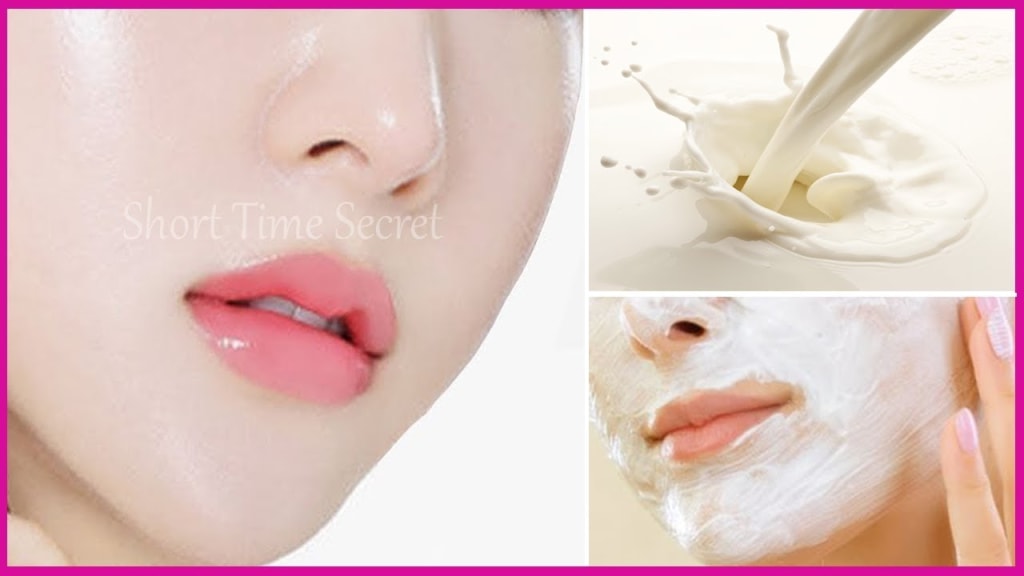
Milk, particularly raw milk, has been used for centuries as a natural remedy for skin care, including skin brightening and lightening. The lactic acid in milk acts as a gentle exfoliant, removing dead skin cells and promoting a brighter complexion. Here’s how you can use milk for skin whitening:
1. Raw Milk as a Cleanser
- What You Need: Raw milk
- How to Use:
- Soak a cotton ball in raw milk.
- Gently rub the cotton ball all over your face, focusing on areas with dark spots or uneven skin tone.
- Leave it on for 15-20 minutes.
- Rinse with lukewarm water.
Benefits: Regular use can help cleanse your skin, remove impurities, and gradually lighten dark spots.
2. Milk and Honey Face Mask
- What You Need: 2 tablespoons of milk, 1 tablespoon of honey
- How to Use:
- Mix the milk and honey to form a smooth paste.
- Apply the mixture evenly on your face.
- Leave it on for 20 minutes.
- Rinse off with lukewarm water.
Benefits: Honey is a natural humectant that helps keep the skin hydrated, while milk helps brighten the complexion.
3. Milk and Turmeric Mask
- What You Need: 2 tablespoons of milk, 1/2 teaspoon of turmeric
- How to Use:
- Mix the milk and turmeric to form a paste.
- Apply the paste to your face and neck.
- Leave it on for 15-20 minutes.
- Rinse with lukewarm water.
Benefits: Turmeric is known for its skin-brightening properties. Combined with milk, it can help reduce hyperpigmentation and promote an even skin tone.
4. Milk and Lemon Juice Mask
- What You Need: 2 tablespoons of milk, 1 teaspoon of lemon juice
- How to Use:
- Mix the milk and lemon juice.
- Apply the mixture to your face using a cotton ball.
- Leave it on for 10-15 minutes.
- Rinse off with lukewarm water.
Benefits: Lemon juice has natural bleaching properties that can help lighten dark spots and pigmentation. However, be cautious if you have sensitive skin, as lemon juice can be irritating.
5. Milk and Oatmeal Scrub
- What You Need: 2 tablespoons of milk, 1 tablespoon of oatmeal
- How to Use:
- Mix the milk and oatmeal to form a thick paste.
- Gently scrub your face with the paste in circular motions.
- Leave it on for 10 minutes.
- Rinse with lukewarm water.
Benefits: This scrub helps exfoliate dead skin cells, allowing the lactic acid in milk to penetrate more effectively, leading to a brighter complexion.
6. Milk Bath
- What You Need: 1-2 cups of milk
- How to Use:
- Add milk to your bathwater.
- Soak in the milk bath for 20-30 minutes.
- Rinse your body with clean water afterward.
Benefits: A milk bath can help lighten and soften the skin all over your body, leaving it smooth and radiant.
7. Milk and Rice Flour Mask
- What You Need: 2 tablespoons of milk, 1 tablespoon of rice flour
- How to Use:
- Mix the milk and rice flour to form a paste.
- Apply the paste to your face and leave it on for 15-20 minutes.
- Gently scrub off the mask using circular motions before rinsing with water.
Benefits: Rice flour has brightening properties and, combined with milk, can help reduce dark spots and even out skin tone.
Tips for Using Milk on the Skin:
- Consistency: For noticeable results, consistency is key. Incorporate these milk treatments into your skincare routine 2-3 times a week.
- Patch Test: Before applying milk or any milk-based mask to your face, do a patch test to ensure you don’t have an allergic reaction.
- Avoid Sun Exposure: If you’re using treatments with lemon juice or other citrus ingredients, avoid sun exposure immediately after, as they can make your skin more sensitive to the sun.
Conclusion:
Using milk for skin whitening can be an effective and natural method to achieve a brighter, more even complexion. The lactic acid in milk gently exfoliates the skin, while other natural ingredients like honey, turmeric, and lemon juice can enhance its skin-lightening effects. Regular use can help reduce dark spots, improve skin tone, and give you a radiant glow.
About the Creator
Muhammed yaman
Muhammad Yaman is a dedicated second-year student with a growing passion for writing and journalism. As an aspiring article writer, he combines academic insights with a keen interest in exploring diverse topics.
Keep reading
More stories from Muhammed yaman and writers in Blush and other communities.
The Remarkable Benefits of Goat Milk for Skin: A Comprehensive Guide
In recent years, goat milk has gained significant attention in the skincare industry, and for good reason. Known for its rich nutrients and gentle properties, goat milk offers a wide array of benefits for the skin. From hydration to anti-aging effects, it has become a preferred ingredient in various skincare products. This article delves deep into the remarkable benefits of goat milk for the skin, exploring its components, uses, and why it’s a game-changer in natural skincare.
By Muhammed yamanabout a year ago in Blush
A Story of ICE
Here’s a truthful, fact-based story that focuses on controversies, abuses, and documented misconduct involving Immigration and Customs Enforcement (ICE) officers — including real incidents, patterns of behavior, and criticisms grounded in reporting and investigations. This is not fiction but a narrative drawn from documented events and allegations.
By Organic Products 6 days ago in Blush
7 Common Types of Hair Extensions: Which One Is Best for Your Hair?
Hair extensions have revolutionized the beauty world, offering an instant transformation in length, volume, and even color without the commitment of chemical dyes. According to the comprehensive guide BELLECODE by New Times Hair (read the original here), selecting the right extension type is the secret to achieving a natural, comfortable, and seamless look.
By Emma Smithabout 24 hours ago in Blush




Comments (1)
Nice 👍