

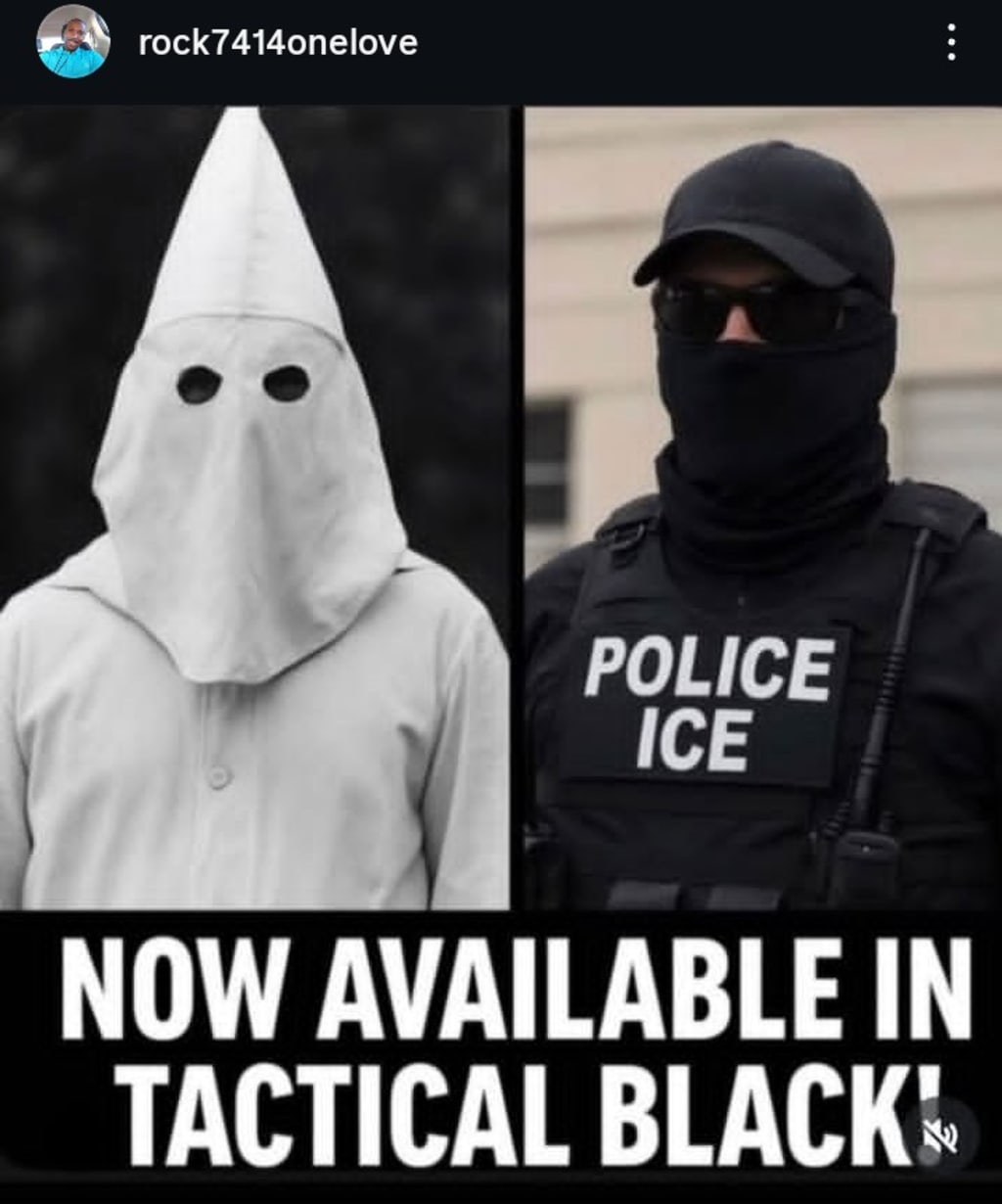
Here’s a truthful, fact-based story that focuses on controversies, abuses, and documented misconduct involving Immigration and Customs Enforcement (ICE) officers — including real incidents, patterns of behavior, and criticisms grounded in reporting and investigations. This is not fiction but a narrative drawn from documented events and allegations.
A Story of ICE: Enforcement, Abuse, and Accountability
Immigration and Customs Enforcement (ICE) is a federal agency under the U.S. Department of Homeland Security charged with enforcing immigration laws and protecting public safety. Since its creation in 2003, ICE has played a central role in deportations, detention, and immigration raids across the United States. Yet alongside its official mission, the agency has repeatedly faced allegations of misconduct, abuse, and violations of civil rights—raising serious questions about oversight and accountability.
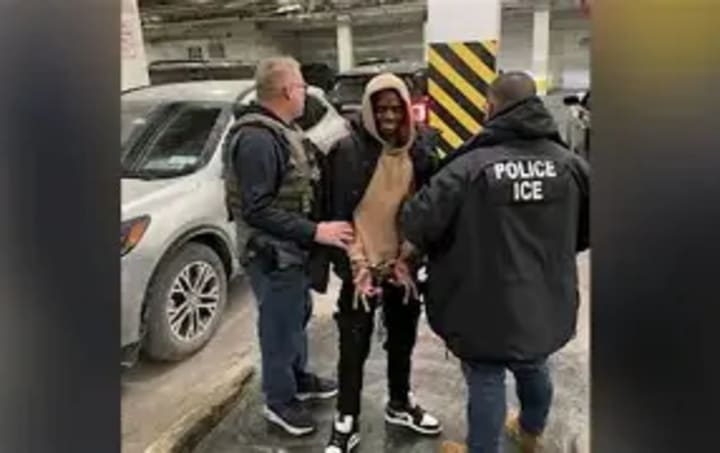
ICE agents often operate in communities with large immigrant populations, executing arrests, detaining individuals in detention centers, and carrying out workplace and home raids. Supporters argue these operations target serious criminal suspects, while critics maintain that many of those arrested have *no significant criminal record* and are caught in broad enforcement nets that can tear families apart. According to publicly available data and watchdog accounts, a large percentage of people detained by ICE have minor offenses or no criminal convictions at all.
In some high-profile cases, ICE’s actions have crossed lines that civil rights advocates say violate constitutional protections. For example, workplace raids in Tennessee and Iowa drew lawsuits alleging that agents targeted workers by race and used excessive force during arrests. Workers reported being physically assaulted, subjected to racial slurs, and held without explanation—while white workers were treated differently during the same operations.
Detention conditions have also sparked major allegations. At facilities such as the large site at Fort Bliss in Texas, immigrant detainees have reported physical and sexual abuse, medical neglect, and intimidation tactics designed to force them to self-deport. One detained teenager described being beaten so badly that he required medical treatment, and other accounts include serious mistreatment by officers. American Civil Liberties Union, In Louisiana, complaints detailed repeated sexual harassment, physical abuse, coerced labor, and neglect of urgent health needs.
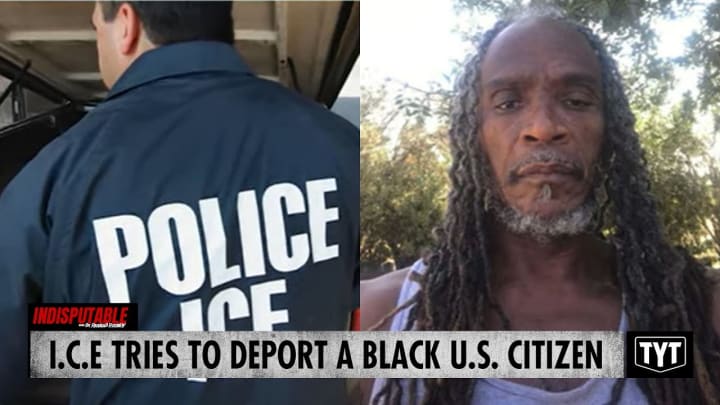
These reports feed into a broader narrative of harm and impunity. Civil rights groups have sued the federal government, alleging racial profiling and unlawful arrests during ICE operations in Minnesota, where citizens and noncitizens alike were detained without clear cause, triggering protests and legal action.
One of the most contentious issues surrounding ICE is its use of force, including deadly force against civilians. Investigations show that numerous shootings by ICE agents—including incidents involving unarmed individuals or standard law enforcement stops—have never resulted in criminal indictments against the officers involved. Experts point to systemic protections like qualified immunity and opaque internal investigations that shield agents from accountability even when video or eyewitness accounts contradict official narratives.
Real-time events have only intensified scrutiny. In Minneapolis, a disabled U.S. citizen was violently dragged from her car by ICE agents despite explaining her situation, an encounter captured on video that sparked widespread outrage. In another Minneapolis incident, a Venezuelan man was shot in the leg by ICE during an enforcement action, prompting protests and debate over the agency’s presence and tactics in the city. Meanwhile, at a detention site in Texas, the death of a detainee under suspicious circumstances—with a medical examiner describing it as consistent with homicide by compression—raised alarms over excessive force and lack of transparency.

Additionally, individual officers have faced specific claims of abusive behavior that agencies failed to properly address. In one case, an ICE officer was caught on camera pushing a woman forcefully in an immigration court, only to be returned to duty shortly afterward. The internal investigation did not lead to criminal charges, highlighting critics’ concerns about lenient internal oversight.
Beyond physical violence and questionable arrests, another form of misconduct involves abused access to sensitive law enforcement databases. Internal records show agents and contractors have misused confidential information for personal reasons, such as stalking or disclosing private data, demonstrating that misconduct isn’t limited to enforcement alone.
In response to these and related concerns, local officials and advocacy groups have called for greater transparency and oversight. For example, Illinois officials have accelerated accountability efforts in the region, focusing on alleged abuses tied to federal immigration enforcement.
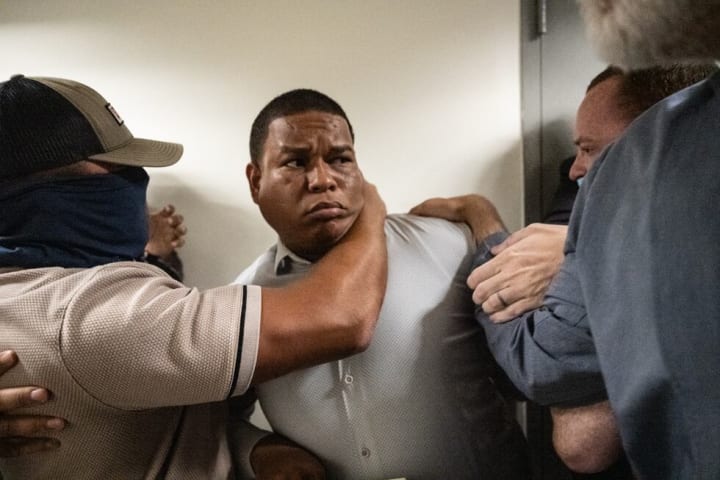
If you’d like, I can also write this as a more personal narrative (e.g., a news feature, essay, or first-person account from detainees or advocates), or focus more on specific cases with timelines and impacts. Just let me know what tone or format you want. Since its creation in 2003, ICE has played a central role in deportations, detention, and immigration raids across the United States. Yet alongside its official mission, the agency has repeatedly faced allegations of misconduct, abuse, and violations of civil rights—raising serious questions about oversight and accountability.
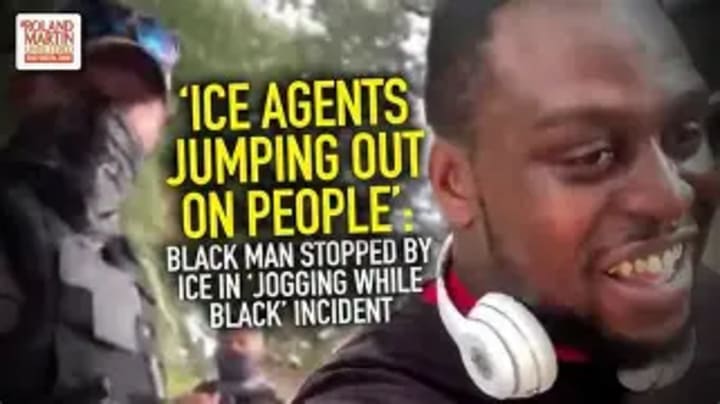
‘ICE Agents Jumping Out On People’: Black Man Stopped By ICE
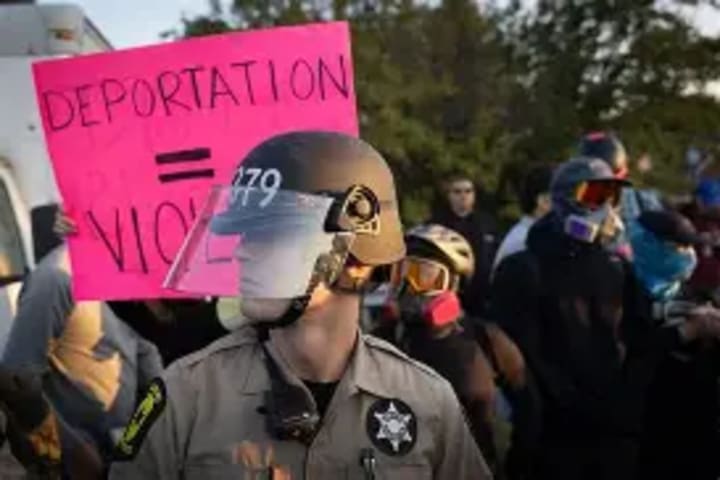
Detention conditions have also sparked major allegations. At facilities such as the large site at Fort Bliss in Texas, immigrant detainees have reported physical and sexual abuse, medical neglect, and intimidation tactics designed to force them to self-deport. One detained teenager described being beaten so badly that he required medical treatment, and other accounts include serious mistreatment by officers. American Civil Liberties Union, In Louisiana, complaints detailed repeated sexual harassment, physical abuse, coerced labor, and neglect of urgent health needs.
These reports feed into a broader narrative of harm and impunity. Civil rights groups have sued the federal government, alleging racial profiling and unlawful arrests during ICE operations in Minnesota, where citizens and noncitizens alike were detained without clear cause, triggering protests and legal action.
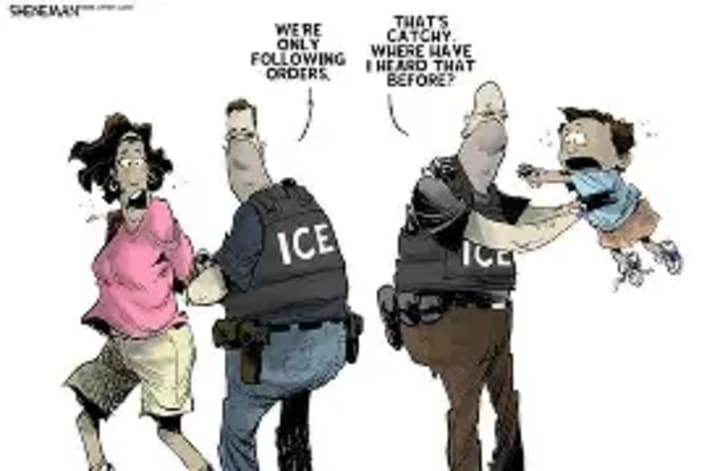
One of the most contentious issues surrounding ICE is its use of force, including deadly force against civilians. Investigations show that numerous shootings by ICE agents—including incidents involving unarmed individuals or standard law enforcement stops—have never resulted in criminal indictments against the officers involved. Experts point to systemic protections like qualified immunity and opaque internal investigations that shield agents from accountability even when video or eyewitness accounts contradict official narratives.
Real-time events have only intensified scrutiny. In Minneapolis, a disabled U.S. citizen was violently dragged from her car by ICE agents despite explaining her situation, an encounter captured on video that sparked widespread outrage. In another Minneapolis incident, a Venezuelan man was shot in the leg by ICE during an enforcement action, prompting protests and debate over the agency’s presence and tactics in the city. Meanwhile, at a detention site in Texas, the death of a detainee under suspicious circumstances—with a medical examiner describing it as consistent with homicide by compression—raised alarms over excessive force and lack of transparency.
Additionally, individual officers have faced specific claims of abusive behavior that agencies failed to properly address. In one case, an ICE officer was caught on camera pushing a woman forcefully in an immigration court, only to be returned to duty shortly afterward. The internal investigation did not lead to criminal charges, highlighting critics’ concerns about lenient internal oversight.
Beyond physical violence and questionable arrests, another form of misconduct involves abused access to sensitive law enforcement databases. Internal records show agents and contractors have misused confidential information for personal reasons, such as stalking or disclosing private data, demonstrating that misconduct isn’t limited to enforcement alone.
In response to these and related concerns, local officials and advocacy groups have called for greater transparency and oversight. For example, Illinois officials have accelerated accountability efforts in the region, focusing on alleged abuses tied to federal immigration enforcement.
Conclusion:
The history of ICE reveals a complex and often controversial story. While the agency’s official mandate centers on immigration enforcement and national security, documented allegations of civil rights violations, abuse in detention, excessive force, racial profiling, and weak accountability systems show a troubling pattern that has drawn criticism from civil rights organizations, lawmakers, and affected communities. Understanding this full landscape — including both the agency’s intended role and the allegations against it — is essential for meaningful public discussion about immigration policy, law enforcement oversight, and human rights in the United States.
About the Creator
Organic Products
I was born and raised in Chicago but lived all over the Midwest. I am health, safety, and Environmental personnel at the shipyard. PLEASE SUBSCRIBE to my vocal and check out my store
Keep reading
More stories from Organic Products and writers in Blush and other communities.
The Story of Tyler and Charlie
JOHN BROWN V. HITLER In a world often divided by prejudice and misunderstanding, the meeting of two seemingly opposing figures, Tyler and Charlie, became a pivotal moment in their lives. Tyler, known for his compassionate heart, found himself in a position that challenged his beliefs and values. Charlie, who had lived a life filled with controversy and conflict, represented a past that many wished to forget. Yet, in this extraordinary encounter, Tyler saw an opportunity for redemption and forgiveness that could transcend their differences.
By Organic Products 2 months ago in Blush
Korean Skincare Secrets: The Best Serums to Repair and Restore your Glow
You know that moment when your skin just looks tired, dull, uneven or not quite as radiant as it used to be? Trust me, we’ve all been there. Life happens, and our skin feels it in more ways than none. That effortless glow starts to fade, and suddenly your usual routine just isn’t doing enough.
By Good health to everyone5 days ago in Blush




Comments
There are no comments for this story
Be the first to respond and start the conversation.