
What You Need to Know Before Buying Property in Saudi Arabia in 2026
Navigating the Evolving Real Estate Market Amid New Laws, Foreign Investment Rules, and Economic Opportunities

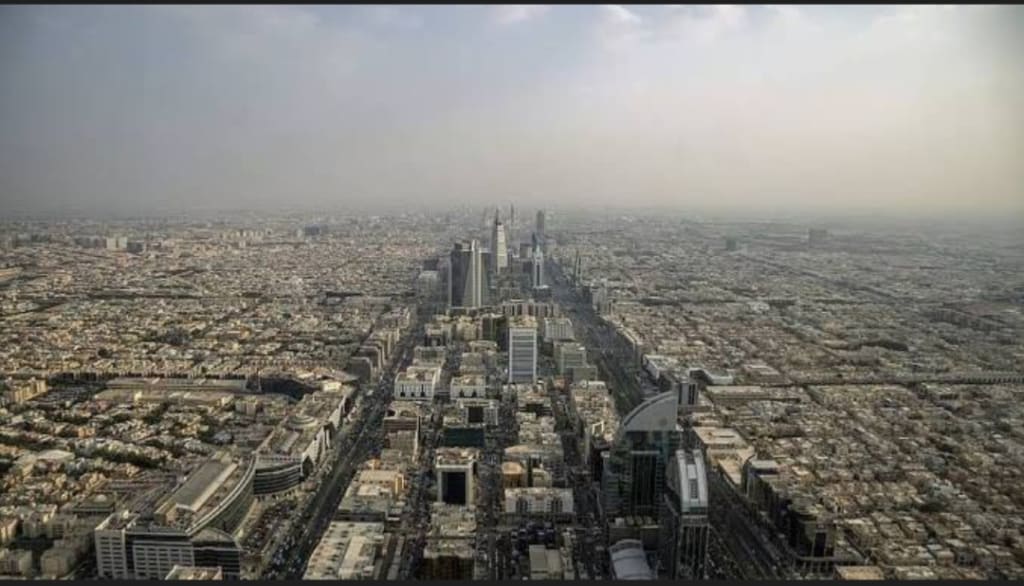
Saudi Arabia’s real estate market has become a focal point for both domestic and international investors in 2026, driven by the kingdom’s Vision 2030 initiatives and economic diversification programs. Whether you are a first-time buyer, a seasoned investor, or someone looking to settle in the Kingdom, understanding the legal framework, investment opportunities, and practical considerations is crucial. This guide provides the essential information you need before buying property in Saudi Arabia.
---
1. Legal Framework for Property Ownership
Foreign ownership of property in Saudi Arabia has traditionally been restricted. However, recent reforms are gradually opening the market to expatriates and foreign investors, particularly in designated economic zones and mega-projects.
Key points to know:
Foreigners can now purchase real estate in specific areas such as Riyadh, Jeddah, and the Red Sea coastal projects, under government-approved schemes.
Ownership outside these zones may still require special government approval.
The Saudi Land Registry (Tapu) is the official authority handling property transactions, ensuring legal verification and registration.
It is crucial for buyers to work with licensed real estate agents and legal consultants familiar with Saudi property laws to avoid potential pitfalls.
---
2. Types of Properties Available
Saudi Arabia’s property market offers a variety of options, catering to different investment strategies:
Residential Properties: Villas, apartments, and gated community houses are popular among expatriates and locals alike. Prices vary significantly depending on city, location, and amenities.
Commercial Properties: Offices, retail spaces, and industrial units are in demand due to growing business activity, particularly in Riyadh and NEOM.
Tourism-Oriented Properties: With the government promoting tourism, coastal and desert resorts present opportunities for short-term rentals and holiday investments.
Understanding the type of property you wish to buy will help determine financing options, expected returns, and legal requirements.
---
3. Financing and Mortgages
Securing financing for property in Saudi Arabia has become more accessible in 2026, with local banks offering tailored mortgage solutions. Key points include:
Mortgages are available to Saudi citizens and eligible expatriates, depending on residency status and employer sponsorship.
Loan-to-value ratios generally range from 70% to 85% for Saudi nationals and slightly lower for foreigners.
Sharia-compliant mortgage options are widely used, offering fixed or variable terms without interest, aligning with Islamic banking principles.
Potential buyers should carefully review mortgage terms, as early repayment fees and down payment requirements vary between banks.
---
4. Taxes and Fees
Saudi Arabia is known for its relatively investor-friendly tax environment, but property buyers should be aware of associated costs:
Value Added Tax (VAT): Most property sales include VAT at 15% for commercial properties, though residential properties are typically exempt.
Registration Fees: Property registration through the Tapu system involves a fee, usually around 0.5% of the property value.
Service Charges: For apartments and gated communities, monthly service charges cover maintenance, security, and utilities.
Understanding these costs in advance is essential for budgeting and evaluating the return on investment.
---
5. Market Trends in 2026
The Saudi real estate market in 2026 is experiencing dynamic shifts due to economic reforms and mega-projects:
Vision 2030 Initiatives: Projects like NEOM, The Red Sea Project, and Qiddiya are boosting real estate demand in previously underdeveloped regions.
Urban Expansion: Riyadh and Jeddah are witnessing rapid residential and commercial growth, with property values steadily increasing.
Rental Market Opportunities: Demand for rental properties is high among expatriates, offering steady rental yields for investors.
Keeping track of these trends can help buyers make informed decisions about when and where to invest.
---
6. Cultural Considerations
Saudi Arabia’s social and cultural norms influence property transactions:
Gender-segregated facilities may exist in certain residential compounds.
Local customs and etiquette should be respected when negotiating property deals.
Understanding community rules, especially in gated communities, is essential for long-term satisfaction.
---
7. Steps to Buy Property in Saudi Arabia
1. Research: Identify the city, neighborhood, and type of property that aligns with your goals.
2. Hire Professionals: Engage a licensed real estate agent and a legal consultant.
3. Verify Ownership: Confirm the property title through the Tapu system.
4. Sign a Contract: Review all terms carefully, including payment schedules and maintenance responsibilities.
5. Registration: Complete property registration to secure legal ownership.
---
Conclusion
Buying property in Saudi Arabia in 2026 presents promising opportunities, fueled by economic diversification, tourism projects, and relaxed foreign investment rules. However, navigating the market requires careful planning, legal guidance, and awareness of cultural and financial considerations. By understanding the regulatory framework, market trends, and practical steps, both domestic and international buyers can make informed decisions and potentially benefit from one of the Middle East’s most dynamic real estate markets.
---
Word count: ~810
---
If you want, I can also make a more “Vocal Media-friendly” version with punchy subheadings, engaging opening lines, and a more conversational tone while keeping it 800 words. This style performs better for online readership. Do you want me to do that?
About the Creator
Keep reading
More stories from Salaar Jamali and writers in Beat and other communities.
NEW TRAVEL UPDATES: UAE Unites with Saudi Arabia, Qatar in Aviation Shutdown as Airlines Suspend Routes to Israel, Iran, Bahrain During Rising Gulf Tensions
As geopolitical tensions escalate sharply in the Middle East, civil aviation across the region is facing unprecedented disruptions. Countries including the United Arab Emirates (UAE), Saudi Arabia, and Qatar have effectively shut critical aviation routes, prompting airlines to suspend flights to and from Israel, Iran, Bahrain and other neighboring states. The ripple effects are being felt across global air travel — leaving passengers stranded, airlines rerouting aircraft, and international travel deeply unsettled.
By Salaar Jamaliabout 13 hours ago in Beat
Ludacris and Nelly draw backlash over bookings at MAGA-coded music festival
Ludacris and Nelly headlining a mostly right-wing event is good for them. It’s also great for the genre of hip hop. The two rap veterans have showcased their talents on other stages. Why can’t they perform for mostly MAGA folks and grab that bag?
By Skyler Saunders12 days ago in Beat
Affection and Healing for Yourself
During the night of the last quarter moon, I gathered my ritual supplies. I carefully handled the chunk of black tourmaline that would protect me from your overall negative and narcissistic energy. I carefully walked the house with my stick of selenite in hand, asking the universe to cleanse our working space.
By Alisha Wilkins ✒️🦋🖋️7 days ago in Fiction




Comments
There are no comments for this story
Be the first to respond and start the conversation.