
The Soundtrack Saviors: How 80s Movies Became Cult Classics Through Music
80s Movies with Iconic Soundtracks: A nostalgic trip down memory lane


Put on your parachute pants, pull up the leg warmers, crank the DeLorean to eighty-eight miles an hour, and travel back with me to the eighties to explore some of my favorite mediocre movies made great by their soundtracks and theme songs. And many of these movies and songs trigger a flood of memories from my childhood whenever they’re on.
In an era when pop-collar was all the rage and every other teen movie was a John Hughes film, movies during the 1980s had a certain charm. However, there are a lot of mediocre movies from the 1980s that I love that probably shouldn’t see the light of day again. Yet, despite the bad acting, the cheesy dialogue, and a predictable plot, several movies from this era rose to pop-culture royalty only because of a great soundtrack.
The Karate Kid 2
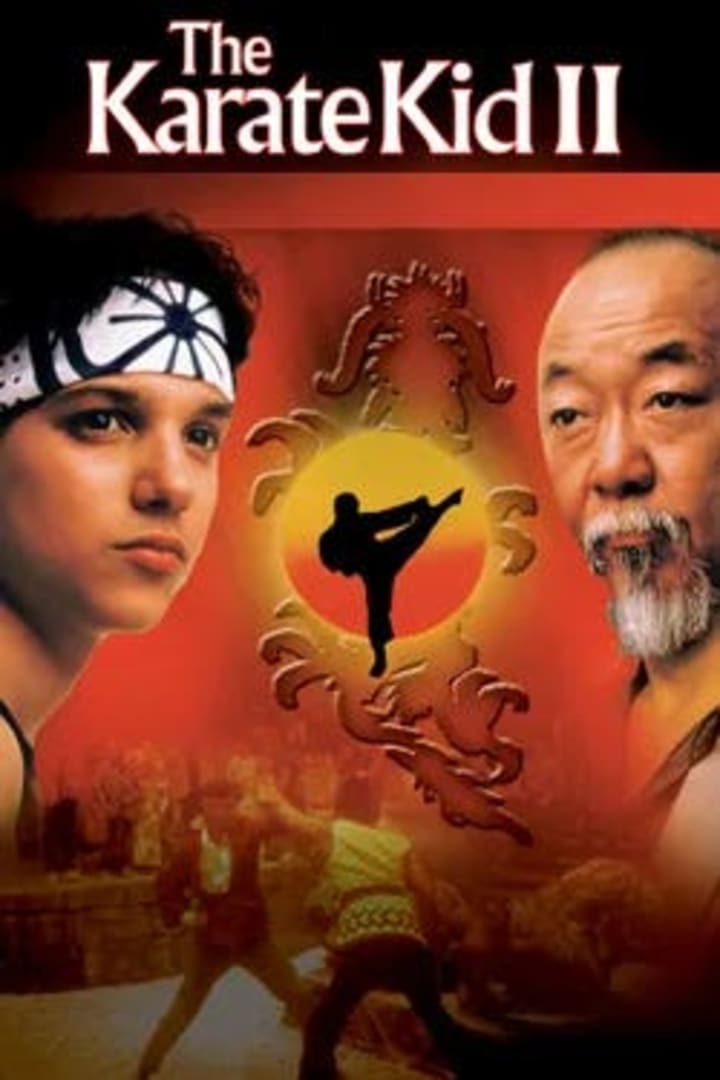
Our first stop is "The Karate Kid 2," starring Noriyuki Morita and Ralph Macchio as Daniel Russo, the kid with an awkward fighting style. The story of Daniel San and his mentor, Mr. Miyagi, is continued in this film. Karate Kid 2 was released on June 20th, 1986, and is a clumsy mash-up of different cultures. As was typical of movies from the 1980s, it was aimed at white adolescent males.
In the original film, Daniel transformed from a bullied teen to a one-hop kicking machine karate kid. Part 2 takes place in the land of the rising sun, the birthplace of Karate. In the second film, Mr. Miyagi, joined by Daniel, returns to Okinawa, Japan, to pay his last respects to his dying father while also rekindling a long-lost love affair and reluctantly confronts his once best friend turned rival, Sato. Daniel, however, falls in love and, unsurprisingly, makes a new enemy.
It wasn't as good as the original, in my opinion; however, it was a little more brutal. Nonetheless, Mr. Miyagi’s character is developed and explored in more detail, while the protagonist, Daniel Russo, remains one-dimensional.
Being an already established franchise helped push the film to the top of the box office on its opening weekend. Even so, it was its companion soundtrack that really drove its success and helped it become the second-highest-earning picture of the franchise. With songs like "The Glory of Love," written by Peter Cetera, who penned some of the 80s' most iconic songs, on constant rotation on the radio, a mediocre sequel went from being dead on arrival to grossing over 130 million dollars worldwide. The song was so good that it was nominated for an Oscar for best original song the following year.
Then there's Dirty Dancing
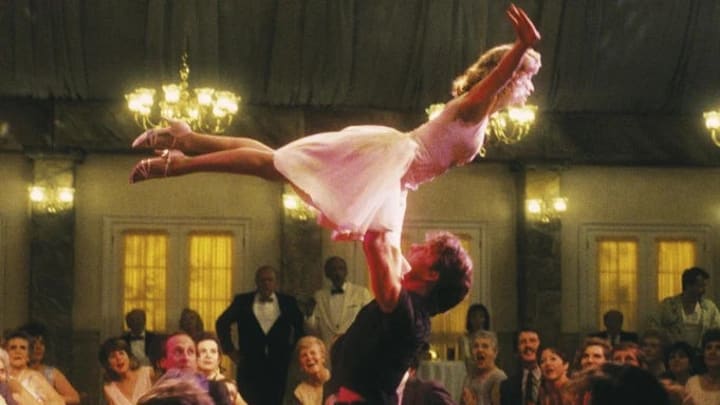
With Patrick Swayze and Jennifer Grey as the leads, the movie is about Francis "Baby" Houseman, who is spending the summer at a resort with her family and falls for Johnny Castle, the camp's dance teacher. The film is your standard Romeo and Juliet tale about two young people from different backgrounds falling in love, but without the dying.
Dirty Dancing opened in 1987 to tepid reviews, but thanks to word of mouth, a brilliant soundtrack, and desperate housewives' craving for intimacy, the film quickly became the year's highest grossing film, generating over 214 million dollars worldwide. The soundtrack to Dirty Dancing went multi-platinum, and many singles reached the top ten on the Billboard 100 chart, including the theme song "I’ve Had the Time of My Life," which reached number one in the United States on the pop chart.
The Dirty Dancing soundtrack pays homage to the 1960s with songs most of the film's audience grew up listening to. It resulted in a refreshing rebirth of popular songs from that era. "I've Had the Time of My Life," the theme song, complements the plot's basic concept beautifully; it's about accepting oneself, even if it means going against one's class and traditions.
From the montage of Johnny teaching Baby the dance routine to the rousing climactic third act, each song in the movie matched perfectly with the scene it played in. This marriage of song and scene transformed a run-of-the-mill dance film into a confluence of ecstasy and bacchanal because "Nobody puts baby in a corner." The soundtrack took the movie from the corner of ordinariness and danced its way into the hearts of millions.
Next we have Footloose.
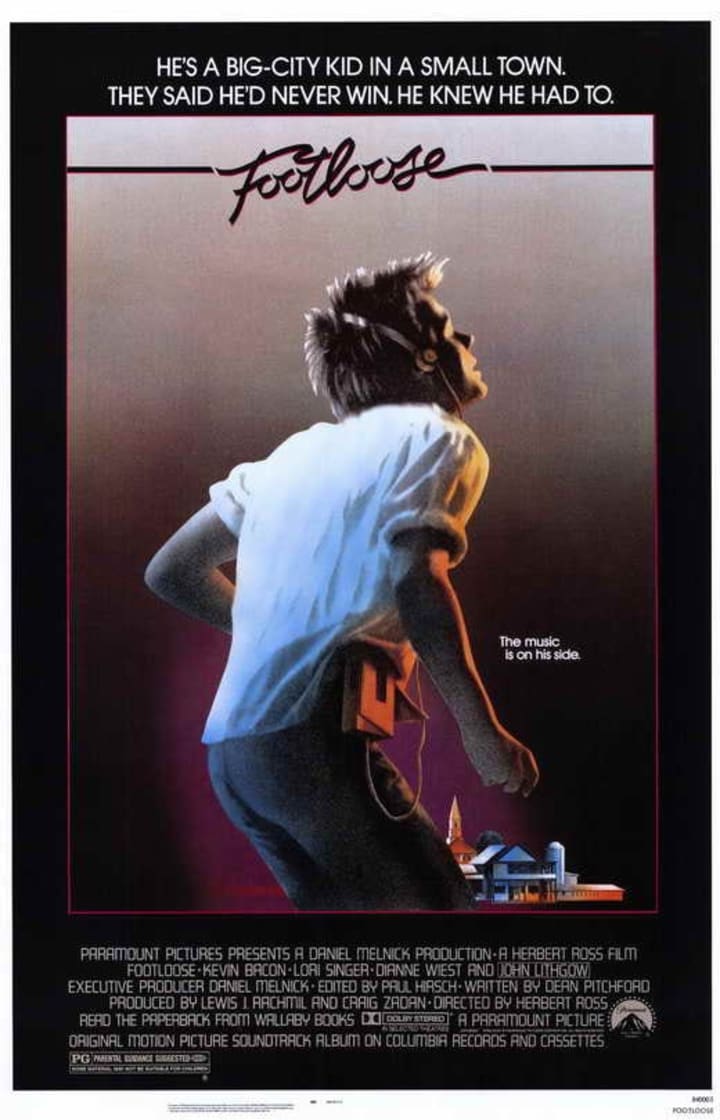
Footloose stars Kevin Bacon and Lori Singer. Back when high school dudes in movies looked like they were already on their third marriage and complaining about having to pay alimony to their two ex-wives, no other film summed it up better than Footloose. When the movie begins with feet breaking loose and then pivots to John Lithgow giving a passionate "sinners in the hands of an angry god" sermon, you know you're in for an epic ride.
The plot follows your typical new guy in town, shaking up the established order and eventually freeing the oppressed teenagers while also teaching the adults to just relax. Footloose took this overused concept and combined it with some slick dance moves and an amazing soundtrack, showing kids worldwide that when you’re down, all you have to do is break out into a series of choreographed dances, and all your problems will magically vanish.
The Footloose soundtrack was the most successful movie album in the 80s, going nine times platinum in the United States alone and producing two number-one songs, one of which was the title track "Footloose." The soundtrack cemented Footloose as one of the all-time great dance films.
The Last American Virgin
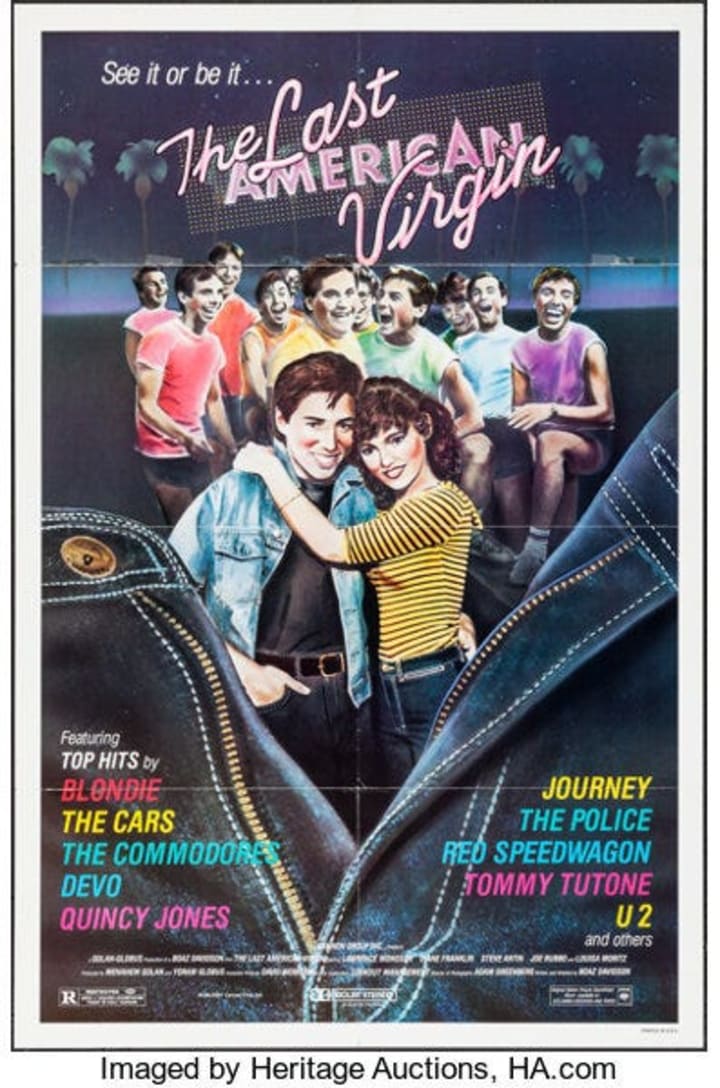
A lot of people think the ending of this next movie is cruel. However, it taught many young people in the 80s not to fall in love with someone who doesn’t love them. The good guys sometimes finish last. Life isn’t always fair. Rejection hurts, and all you can do is pick up your shattered dreams and drive away when they happen.
Released in 1982, The Last American Virgin, unlike other feel-good movies of the 1980s, is perhaps the most unforgiving teen film ever made. Starring Lawrence Monoson and Diane Franklin, the movie is an Americanized adaptation of the 1978 Israeli film "Lemon Popsicle." Oddly billed as a comedy, The Last American Virgin gives a heart-wrenching depiction of unrequited love and highlights the hard-cold truth about love-sick teenagers' crushed fantasies.
The narrative is low in substance and, like most late 70s and early 80s films, raunchy, overly sexualized, and based on the premise that a teenager's primary concern is sex and that women are incapable of recognizing a poisonous relationship.
With songs from the likes of REO Speedwagon, Journey, and The Commodores, the Last American Virgin soundtrack had many teenagers bawling their eyes out in their pillows, but none contextualized the theme of the movie more than Quincy Jones and James Ingram's "Just Once," a song that reassures love-sick teenagers that heartbreak hurts only for a moment and that everything will be fine eventually. "Just Once" is the film's theme condensed into just one song.
Back to the Future
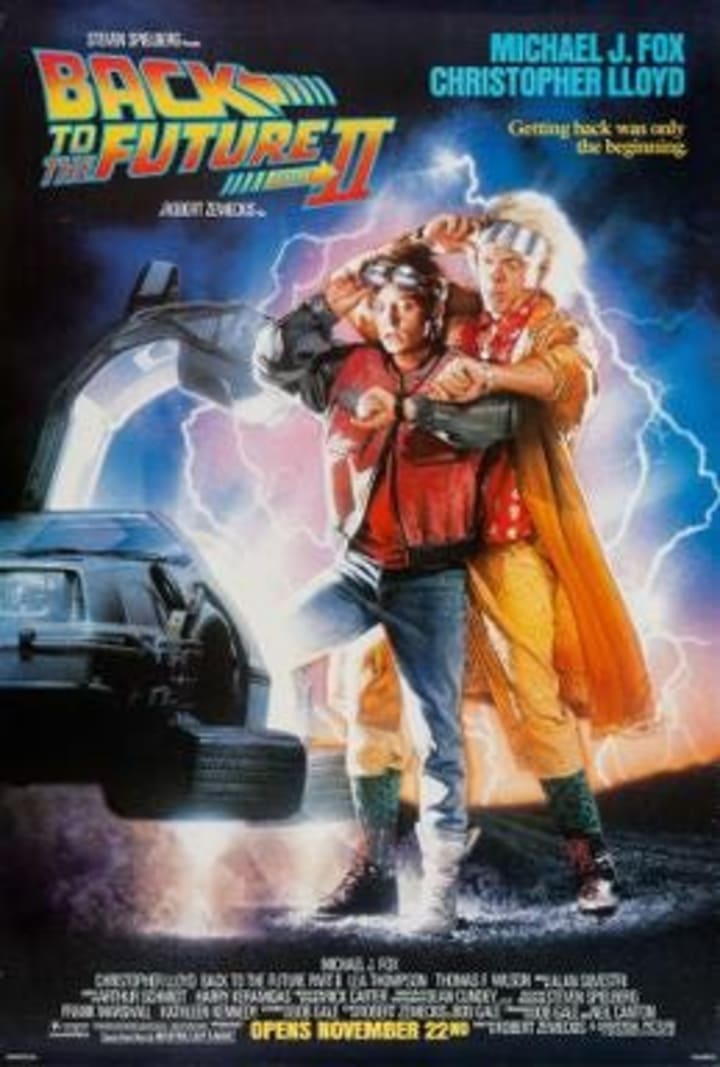
You're saying "Back to the Future" is a sham? Scott Lang, you are correct. Since we're in the DeLorean, let's travel back to 1985, the year that "Back to the Future" first premiered. The film, starring Michael J. Fox and Christopher Lloyd, tells the story of old Dr. Emmett Brown and his odd relationship with a teenager, Marty McFly, who accidentally travels back in time and almost prevents his parents' falling in love.
Although considered one of the great sci-fi movies, spawning two sequels, "Back to the Future" was, at best, mediocre. Michael J. Fox, then almost 30 years old, barely pulled off playing a high school kid. Furthermore, the film fostered a stereotype of Middle Eastern and North African terrorists seeking to build a weapon of mass destruction by any means necessary, even if that meant collaborating with a crackpot westerner.
Only the theme song, "The Power of Love," and the end credit track, "Back in Time," from the film's soundtrack album distinguish it as one of the better films of the 1980s. "The Power of Love," written by Huey Lewis and the News, won both favorite single and video single at the 13th annual Music Awards. Despite its chaotic plot and eccentric characters, the movie was well received by the audience and is still a favorite among many today.
Ghostbusters
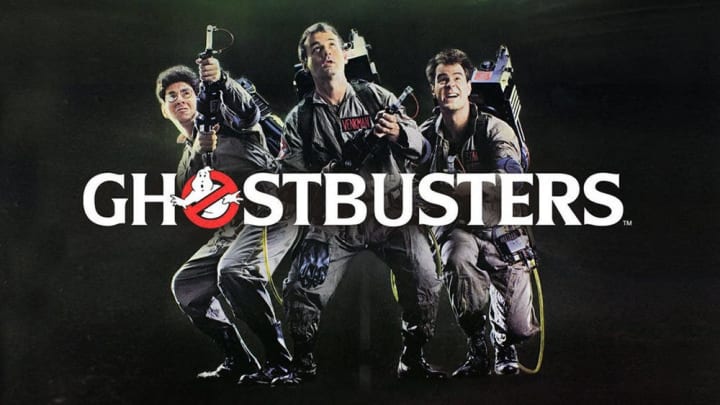
Ghostbusters premiered on June 8, 1984, starring Bill Murray, Dan Aykroyd, Harold Ramis, and Ernie Hudson. The movie is a mix of science fiction, horror, comedy, and action, yet it couldn’t find its place within any of those genres. Furthermore, if a giant marshmallow destroying New York doesn't scream, "This movie needs a script doctor," I'm not sure what does. No amount of revision would have helped the plot anyway; not even the sci-fi goddess Sigourney Weaver, who also appeared, could improve this menagerie of loosely stitched genres. However, thanks to the theme song and Bill Murray's dry humor, the movie was a massive success.
Written by Ray Parker Jr., who titled the theme song "Ghostbuster" after the film, it is one of the most plot-specific theme songs of any movie from the 80s. With its up-tempo beat and easily remembered lyrics, it helped pull more people to the theater and sent the song to the top of the U.S. Billboard Hot 100, where it spent three weeks at number one.
Mannequin
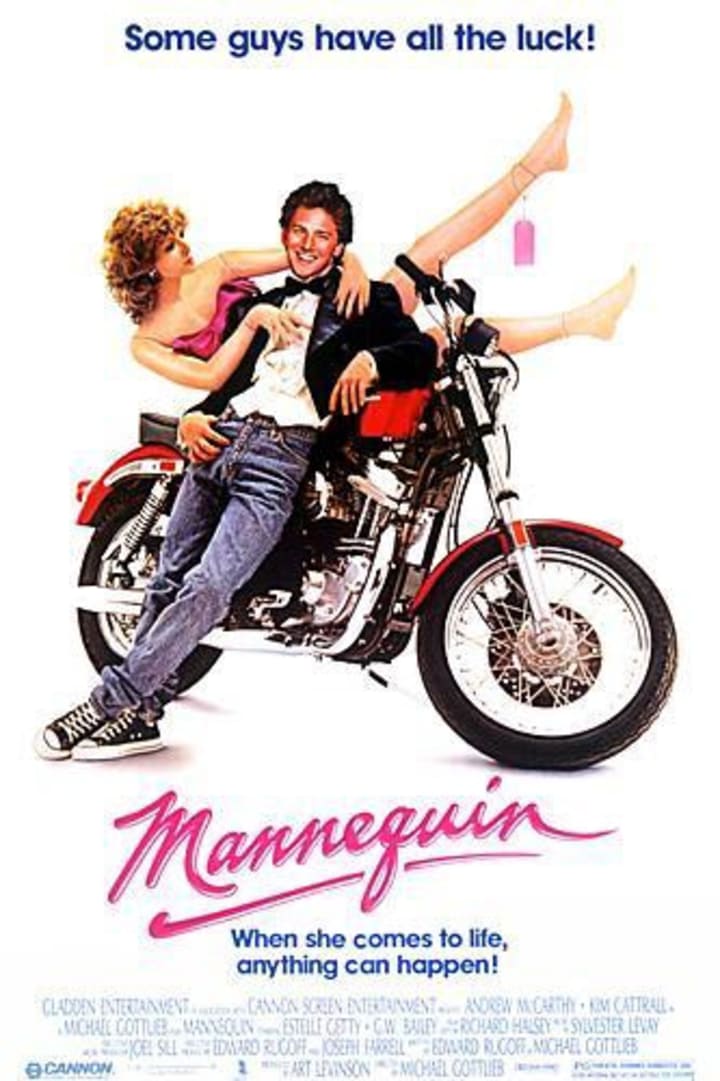
Mannequin, the most lifeless film of the 1980s—and perhaps my favorite—is next on our list. Kim Cattrall and Andrew McCarthy star in this 1987 fantasy romantic comedy. The film is about an artist named Jonathan Switcher who takes a job as a window designer at a department store and falls in love with a mystical mannequin who only comes alive when they're alone. The film's idea is a poor reinterpretation of an already overused, Eurocentric fable about curses being undone by true love or a miraculous kiss. Mannequin took this overused trope and turned it into a frog of a movie.
This film would have been better in the hands of Disney. There was no link between the cast members; they seemed to collide on purpose. Despite Mannequin’s ridiculous concept, overt “Judy” fetishism, and widespread condemnation from critics, the picture fared pretty well at the box office, debuting at number three on its opening weekend.
As a slap in the face to critics, the makers created a sequel that was even worse than the first. The one redeeming feature of Mannequin is its theme song, "Nothing's Gonna Stop Us Now," performed by the band Starship, which reached number one on America's Hot 100 Billboard list and infused new life into an otherwise lifeless film.
And there you have it, folks, some of my favorite mediocre 80s movies that are made better by their soundtracks.
These films, despite their lack of substance, had some great soundtracks that were on par with, if not better than, many of the standard albums of the 80s, elevating these movies to pop-culture royalty.
About the Creator
William Saint Val
I write about anything that interests me, and I hope whatever I write will be of interest to you too.
Keep reading
More stories from William Saint Val and writers in Beat and other communities.
The Movie that Played a Significant Role in Madonna's Vocal Upgrade
Anyone who grew up in the eighties and nineties knows the entire lyrics to at least one of Madonna’s songs. Nevertheless, despite Madonna’s popularity at the time, vocally, she was only an OK singer.
By William Saint Val2 years ago in Beat
Ludacris and Nelly draw backlash over bookings at MAGA-coded music festival
Ludacris and Nelly headlining a mostly right-wing event is good for them. It’s also great for the genre of hip hop. The two rap veterans have showcased their talents on other stages. Why can’t they perform for mostly MAGA folks and grab that bag?
By Skyler Saunders5 days ago in Beat



Comments (2)
Now I very much want to have an '80s movie weekend.
The play list is nostalgia. But, I actually had an aversion to 80s movies my entire life, until this year. I can't tell why. I just never liked them. I heard all the songs and saw them all come on TV, but something about the 80s always bothered me. lol. Now I've been watching all of them, including Footloose, the Karate Kid and Ghostbusters. It's my first time seeing all of them. If you don't mind me asking, how were you able to get the video and pictures to show in the article and not just the link?