
Rupin Pass Trek: The Ultimate Himalayan Crossover Adventure
Rupin Pass Trek
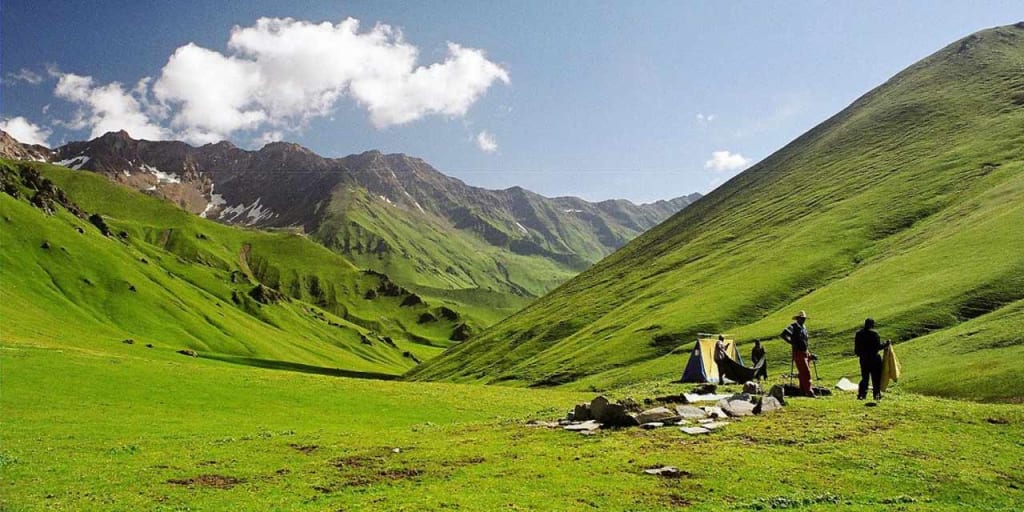
Nestled high in the Garhwal Himalayas, the Rupin Pass Trek stands out as one of India’s most exhilarating high-altitude adventures. Known for its dramatic landscapes, cultural immersion, and diverse terrain, this crossover trek begins in the state of Uttarakhand and concludes in Himachal Pradesh. The trek is not just a journey through the mountains—it's an unfolding story of changing vistas, rustic village life, and nature’s raw power.
In this article, we explore what makes the Rupin Pass Trek a must-do for serious trekkers, detailing its route, difficulty, highlights, and key tips for planning a successful expedition.
Overview of the Rupin Pass Trek
- Duration: 7–9 days
- Altitude: ~15,250 feet (4,650 meters)
- Difficulty: Moderate to Difficult
- Starting Point: Dhaula (Uttarakhand)
- Ending Point: Sangla (Himachal Pradesh)
- Best Season: May to June and mid-September to early October
Rupin Pass is a high mountain pass that links two culturally and geographically distinct regions. The trail is known for its sharp contrasts—from pine forests and glacial meadows to hanging villages and vertical snow gullies. Unlike circuit treks, the crossover nature of Rupin Pass adds to its appeal, as trekkers witness a dramatic transition in scenery, language, and lifestyle.
Landscape and Terrain: Nature’s Theater
What truly sets Rupin Pass apart is the variation in landscape within a short span. The trek starts with gentle walks through oak and deodar forests and progresses into adventurous ascents on rocky paths, snowfields, and hanging glaciers.
Key highlights include:
Rupin Waterfall: A three-stage cascading waterfall that appears almost surreal as you approach the upper valley. Trekkers typically camp near the lower waterfall, with the thundering sound providing an unforgettable backdrop.
Snow Bridges and Ice Fields: During the pre-monsoon season (May–June), snow bridges over icy streams offer a unique experience, making the journey both challenging and visually striking.
Alpine Meadows and Rhododendron Forests: These vibrant meadows erupt into a riot of color in late spring, especially near the village of Jakha. The forest trails are lined with pink and red rhododendrons, adding a dreamlike touch.
The Pass Crossing: The final ascent to the pass involves a steep climb on a snow gully. From the top, you get panoramic views of the Kinnaur Kailash range and other surrounding peaks. The descent into Himachal is equally dramatic and requires careful maneuvering on steep snow slopes.
Cultural Touchpoints
One of the lesser-discussed rewards of the Rupin Pass Trek is its cultural richness. The trail passes through traditional Himalayan villages like Sewa and Jakha. These settlements are predominantly inhabited by communities of mixed Indo-Tibetan origin, offering a unique blend of Hindu and Buddhist influences.
The temples, wooden carvings, and intricate architecture in villages like Sewa—home to the historic Someshwar Mahadev temple—offer a glimpse into the region’s spiritual fabric. Locals are often welcoming, and their folklore adds depth to the trekking experience.
When to Go
The Rupin Pass Trek is best attempted during two windows: late spring to early summer (May to June) and early autumn (mid-September to early October). During May and early June, trekkers can enjoy lingering snow fields and blooming rhododendrons. By September, the monsoon subsides, skies clear, and the trail becomes more navigable, though colder.
Avoid monsoon months (July and August) as landslides and slippery paths make the trek dangerous.
Preparation and Difficulty Level
While the trek does not require technical mountaineering skills, it is categorized as moderately difficult due to its altitude, long daily walks, and steep ascents and descents. Physical fitness is essential. A regimen of cardiovascular training, leg strengthening, and endurance exercises should begin at least 6–8 weeks prior.
Additionally, acclimatization plays a critical role. The trail gains altitude rapidly, especially after Jakha. Trekkers should be mindful of symptoms of Acute Mountain Sickness (AMS) and always carry medication like Diamox if advised by a medical professional.
Route Map and Itinerary (Sample 9-Day Plan)
- Day 1: Dehradun to Dhaula (Drive, 200 km)
- Day 2: Dhaula to Sewa (9 km, 5–6 hrs)
- Day 3: Sewa to Jakha (10 km, 6 hrs)
- Day 4: Jakha to Dhanderas Thatch (11 km, 7 hrs)
- Day 5: Acclimatization and exploration
- Day 6: Dhanderas to Upper Waterfall Camp (4 km, 3 hrs)
- Day 7: Upper Waterfall to Rupin Pass to Ronti Gad (12 km, 10 hrs)
- Day 8: Ronti Gad to Sangla (12 km, 6 hrs)
- Day 9: Sangla to Shimla (Drive)
This itinerary includes a day for acclimatization, which helps mitigate altitude sickness and enhances the overall experience.
Essential Gear Checklist
- Sturdy trekking boots with good ankle support
- Multiple layers of warm clothing (base layers, fleece, down jacket)
- Waterproof jacket and pants
- Trekking poles
- UV-protection sunglasses and sunscreen
- Sleeping bag (if not provided by trek operator)
- First aid kit, including altitude sickness medication
- Reusable water bottles and water purification tablets
For a comprehensive packing list, consider referencing guides from organizations like the Himalayan Mountaineering Institute or IndiaHikes.
Responsible Trekking Practices
As more trekkers explore high-altitude trails like Rupin Pass, it becomes crucial to practice Leave No Trace principles. Dispose of waste properly, avoid single-use plastics, and respect local customs. Trekkers are also encouraged to support local economies by hiring guides and porters from nearby villages.
Trekking with Agencies vs. Independently
While independent trekking offers flexibility, the logistical complexity and terrain of Rupin Pass make guided treks a safer and more efficient option. Reputable agencies usually offer packages that include transportation, permits, experienced guides, camping equipment, and meals.
When choosing a trekking operator, verify their environmental policies, safety standards, and reviews on platforms like IndiaHikes, Thrillophilia, or Adventure Nation. Avoid unlicensed operators, especially in remote zones.
Final Thoughts
The Rupin Pass Trek is not just another mountain trail—it’s a confluence of nature, adventure, and culture. From the roaring waters of Rupin to the quiet pine forests and snowy ridges, each day brings a fresh challenge and a deeper connection with the Himalayas.
Whether you're a seasoned trekker or a passionate explorer seeking your next big adventure, this trek offers a rewarding journey through some of the most scenic and culturally rich terrain in India.
For those willing to invest in the physical preparation and logistical planning, the Rupin Pass Trek delivers one of the most fulfilling high-altitude experiences the Indian Himalayas have to offer.
About the Creator
prince sain
Hey, I’m Prince, and I love traveling. Exploring new places and meeting new people is my jam. I get super excited about finding cool stuff in different places and learning about different cultures.
Keep reading
More stories from prince sain and writers in Beat and other communities.
Kareri Lake Adventure: Camp Under the Stars, Trek Through the Pines
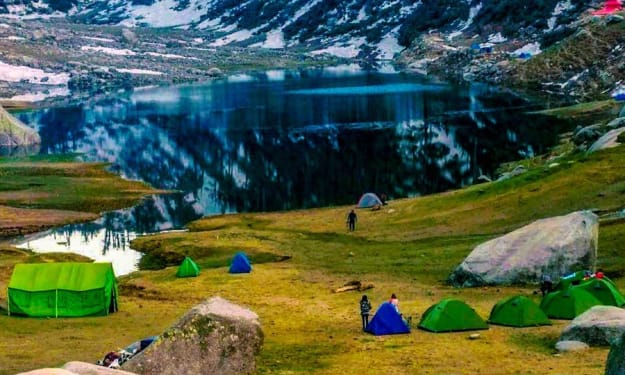
Tucked away in the Dhauladhar range of Himachal Pradesh, Kareri Lake is an alpine jewel that beckons adventurers, trekkers, and nature lovers. With its pristine glacial waters reflecting towering pine trees and rugged mountain silhouettes, this high-altitude lake (approximately 2,934 meters above sea level) offers an unforgettable experience. From trekking through pine-scented trails to camping beneath a canvas of stars, a Kareri Lake adventure delivers raw beauty and soulful solitude that few destinations can match.
By prince sain10 months ago in Beat
Review of 'Man on the Run'
My wife and I saw Man on the Run, a nearly 2-hour documentary on Amazon Prime, about Wings, Paul McCartney's group that flew around the world from shortly after The Beatles broke up in early 1970 to shortly after John Lennon was murdered at the end of 1980, making a Beatles reunion forever impossible.
By Paul Levinson9 days ago in Beat
Top Rappers in Charlotte, NC (2026 Update)
Charlotte has been building pressure. North Carolina used to orbit around a few breakout names, but in 2026 the state—and especially Charlotte—is producing artists who understand both sound and strategy. The city blends Southern bounce with melodic storytelling, and its streaming growth over the last few years proves it’s no longer just “regional.”
By RapRadarDigest7 days ago in Beat
The BAFTA Awards
By now, in a stunning departure from recent years, most of the world is aware of what happened at the BAFTA film awards. Social Media Headlines will tell you the bare bones: that John Davidson, a Tourette's Syndrome advocate, shouted a racial slur at two Actors of Colour, Michael B Jordan and Delroy Lindo.
By Natasja Rose6 days ago in Psyche



Comments
There are no comments for this story
Be the first to respond and start the conversation.