
Kareri Lake Adventure: Camp Under the Stars, Trek Through the Pines
Kareri Lake
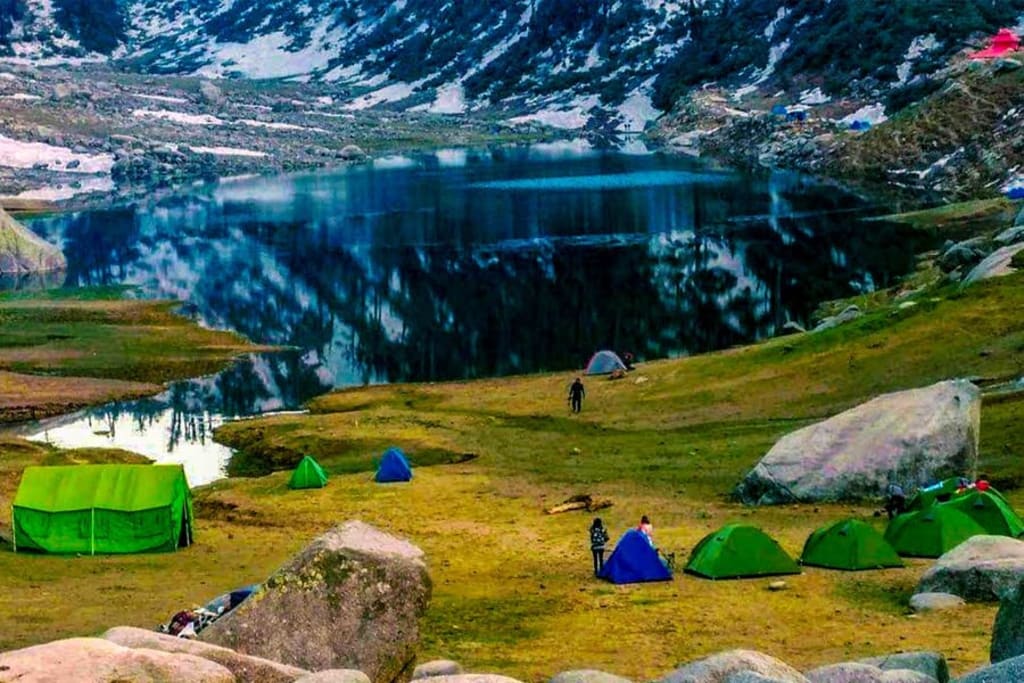
Tucked away in the Dhauladhar range of Himachal Pradesh, Kareri Lake is an alpine jewel that beckons adventurers, trekkers, and nature lovers. With its pristine glacial waters reflecting towering pine trees and rugged mountain silhouettes, this high-altitude lake (approximately 2,934 meters above sea level) offers an unforgettable experience. From trekking through pine-scented trails to camping beneath a canvas of stars, a Kareri Lake adventure delivers raw beauty and soulful solitude that few destinations can match.
The Journey Begins: Why Kareri Lake?
Unlike its more commercial counterparts like Triund or Kasol, Kareri Lake remains delightfully offbeat. It’s an ideal destination for those seeking a moderately challenging trek, rewarding views, and peaceful seclusion. Located about 9 km from Kareri village (which is itself accessible from Dharamshala), the lake can be reached via a scenic trail that meanders through mixed forests, alpine meadows, and clear streams.
For adventure travelers, Kareri Lake strikes the perfect balance: a wilderness escape without venturing too far from civilization.
The Trek: Trail Overview and What to Expect
The Kareri Lake trek typically spans 2–3 days and covers about 26 km round trip. The trail begins at Kareri village and gradually ascends through dense deodar and chir pine forests. As you hike higher, oak, rhododendron, and sprawling meadows take over the scenery.
Here’s a day-by-day breakdown of the standard itinerary:
Day 1: Kareri Village to Kareri Base Camp (approx. 6 km)
- The initial stretch is moderate and provides acclimatization to the altitude.
- You’ll follow the Nyund stream, crossing wooden bridges and hopping over boulders.
- Camping at the base allows for restful sleep amid peaceful pine groves.
Day 2: Base Camp to Kareri Lake and Back (approx. 12 km round trip)
- This day brings a steeper ascent with breathtaking backdrops.
- As you approach the lake, the landscape opens to rolling green fields and boulder-strewn terrain.
- Expect awe-inspiring views of Minkiani and Baleni Passes, both popular with more advanced trekkers.
Day 3: Return to Kareri Village
- Retracing your steps, the descent is quicker and offers a new perspective of the same trail.
Camping Under the Stars: A Himalayan Dream
What sets Kareri Lake apart is the opportunity to camp right by the lakeside, with the shimmering night sky above and snow-capped ridges surrounding you. The absence of light pollution means stargazers are in for a treat: constellations are vivid, and if you’re lucky, you might even catch a meteor shower.
To protect the delicate ecosystem, most campers pitch tents near the lake's edge but at a respectful distance. Local guides help set up camps and often cook hearty meals using regional produce and traditional recipes.
Flora, Fauna, and the Wild Silence
The biodiversity around Kareri is rich and largely undisturbed. Dense forests are home to Himalayan monals, barking deer, langurs, and elusive leopards (rarely seen but known to inhabit the region). Wildflowers bloom in spring and early summer, coloring the trails with hues of purple, red, and yellow.
The melodic hum of bees, birdsong echoing through the trees, and the occasional rustling of pine needles in the wind create a serene soundtrack that underscores the remote beauty of this Himalayan escape.
Practical Tips for Trekkers
Season: The best time to visit Kareri Lake is from April to June and then again from September to early November. Monsoons can make trails slippery, while winters often bring heavy snow and limited accessibility.
Fitness: While the trek is considered moderate, a basic level of fitness is necessary. The trail includes uneven surfaces, stream crossings, and a steady ascent.
Packing Essentials:
- Sturdy trekking shoes with good grip
- Warm clothing (even in summer, nights get chilly)
- Rain gear (weather changes fast in the mountains)
- Headlamp or torch
- Personal water bottle and purifier tablets
- Eco-friendly toiletries and waste bags
Permits and Guides:
While no special permits are usually required for Kareri Lake, hiring a local guide is recommended. Not only do they ensure safety, but they also enhance the experience with stories, cultural insights, and logistical support like campsite setup and food preparation.
Cultural Glimpses: The Gaddi Lifestyle
On your way to the lake, you’ll pass through villages inhabited by the Gaddi tribe, a semi-nomadic shepherd community with deep-rooted traditions. Their simple lifestyle, stone homes, and warm hospitality offer a refreshing contrast to urban living. Many trekkers opt for homestays in Kareri village before or after the trek to experience this culture firsthand.
Photography and Mindfulness: Capturing More Than Landscapes
Kareri Lake provides ample opportunities for shutterbugs. Sunrise and sunset reflections, morning mists over the water, grazing cattle against snow-draped mountains, and wildflowers dotting the trail are all moments worth capturing.
However, the true charm lies in putting down the camera and simply absorbing the atmosphere. Many trekkers speak of feeling a spiritual connection at Kareri — a mix of solitude, awe, and reverence for nature.
Responsible Trekking: Leave No Trace
As Kareri becomes more popular, preserving its fragile environment becomes crucial. Here are a few responsible practices:
- Carry back all non-biodegradable waste
- Avoid loud music and respect the natural quiet
- Don’t bathe in or pollute the lake
- Use reusable water bottles instead of plastic
- Support local businesses, guides, and homestays
By embracing eco-conscious travel, you ensure Kareri Lake remains pristine for future explorers.
How to Get There
Kareri Village is about 25 km from Dharamshala. Here's a quick travel guide:
- By Air: Fly into Gaggal Airport, Dharamshala. From there, hire a taxi or local bus to Kareri village.
- By Train: The nearest major railhead is Pathankot. From there, buses or cabs can take you to Dharamshala, then onward to Kareri.
- By Road: Taxis and shared jeeps are easily available from Dharamshala to Kareri village.
Final Thoughts: Why Kareri Lake Deserves a Spot on Your Bucket List
For those who crave an authentic Himalayan adventure without the crowd, Kareri Lake offers just that. It’s not just the scenery — it’s the entire experience. The trek tests your grit, the campsite soothes your soul, and the lake’s serene presence lingers in memory long after you return home.
Whether you're a seasoned trekker or a weekend warrior, this journey through whispering pines and star-strewn skies is a rejuvenating escape from the digital rush of everyday life.
About the Creator
prince sain
Hey, I’m Prince, and I love traveling. Exploring new places and meeting new people is my jam. I get super excited about finding cool stuff in different places and learning about different cultures.
Keep reading
More stories from prince sain and writers in Beat and other communities.
Wings Over the Himalayas: Your Guide to Bir Billing Paragliding
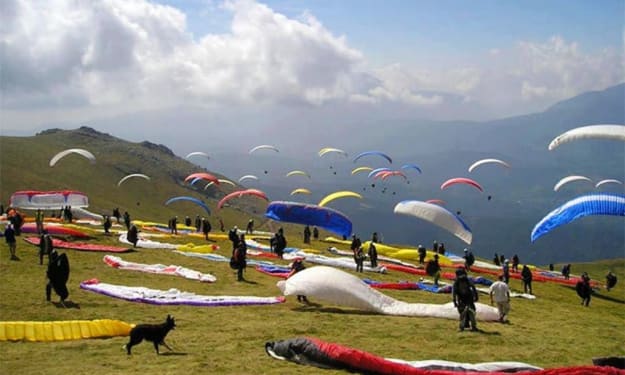
Perched high in the Kangra Valley of Himachal Pradesh, Bir Billing Paragliding has carved its name into the global map as one of the finest paragliding destinations in the world. With its perfect thermal winds, dramatic landscapes, and rich Tibetan culture, it offers a unique fusion of adventure and serenity. Whether you're a first-time flier or a seasoned paraglider, this guide provides an in-depth look at what to expect, how to prepare, and why Bir Billing deserves a spot on your bucket list.
By prince sain10 months ago in Beat
“I Got Blacker”: Jack Harlow’s Statement We Need to Talk About by NWO Sparrow
Jack Harlow “Got Blacker” and Still Didn’t Leave Hip-Hop Behind by NWO Sparrow Jack Harlow said it himself on the Times Popcast this week: “I got blacker.” He was talking about his new R&B-leaning album Monica, and how he approaches music that’s traditionally rooted in Black culture. I get what he was trying to say, even if the phrasing landed awkwardly. I know he didn’t mean to minimize anyone’s experience or make it sound like he can claim some kind of cultural badge. Still, the words themselves were striking, bold enough to make you pause.
By NWO SPARROW2 days ago in Beat


Comments
There are no comments for this story
Be the first to respond and start the conversation.