
Radio Stations Are About to Face a Rico , Money Laundering and Racketeering Storm by NWO Sparrow
Inside the Alleged Money Laundering and Racketeering That Could Bring Radio Down


Radio Is Facing A Lawsuit Storm That Could Change Everything
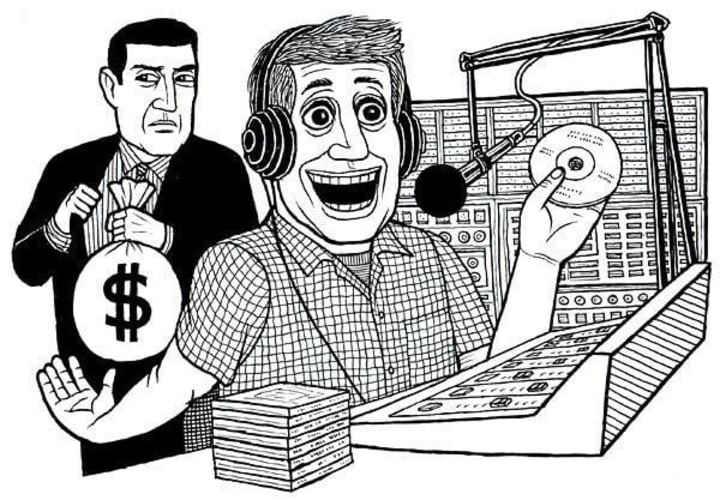
For the past few months I have been digging into what is happening behind the scenes in radio. What I found is not just a few messy lawsuits. It looks like the beginning of a shift that could change how music is played, how listeners are tracked, and how money flows in and out of the industry. It feels like the ground under radio is shaking and most people have no idea what is coming.
The Cost of Playing Music Is Rising
Radio stations live and die by the songs they play. Every time a song comes through the speakers there is a hidden cost that most listeners never think about. Performance rights organizations like BMI and ASCAP represent songwriters and musicians and they charge stations to license their work.
Until recently the fee was steady. Stations could predict what they owed. That comfort is gone now. BMI just settled a massive case with the Radio Music License Committee and nearly nine thousand stations are on the hook for higher payments. The royalty rate went from 1.78 percent of a station’s revenue to 2.14 percent. By 2029 it will creep to 2.20 percent. The settlement even reaches back to 2022, which means stations suddenly owe years of back money.
ASCAP quietly settled a similar lawsuit. The terms were not released, which leaves the industry in the dark about how deep the cuts may go. This secrecy makes me uneasy. It hints at a bigger problem. If stations cannot afford these higher costs, they may cut jobs, reduce playlists, or push more advertising. That leaves both workers and listeners paying the price.
Security Breaches And Cyber Fears
The lawsuits are not just about money. They are also about trust. In December 2024 iHeartMedia, the largest radio company in the country, was hit with a cyberattack. Hackers stole sensitive data including Social Security numbers and even passport information. Instead of warning the public right away, the company waited. Now they are facing a class action lawsuit in New York.
When I read the legal filings, I felt a chill. They described people left exposed to identity theft while the company stayed silent. In an age where personal data is currency, a delay like that feels almost criminal. This is not just an iHeart problem either. Every radio company now knows it could be next. The lawsuit is a warning shot. If stations cannot secure data, they risk losing not only in court but also in the court of public opinion.
The eerie part is how quickly these breaches can erode trust. Radio once felt like the safest medium. You turned on the dial and heard a familiar voice. Now that same station could be holding your private details and failing to protect them. The listener’s relationship with radio is no longer just about sound. It is about security.
The Fight For Control Of Content
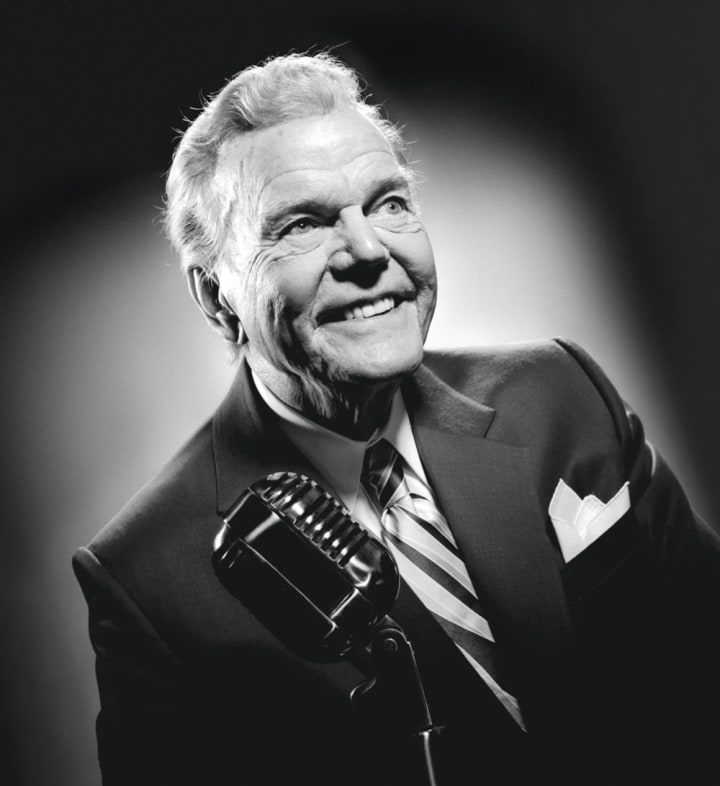
The third front in this legal storm is about content itself. The estate of Paul Harvey, one of the most famous broadcasters in American history, has sued Paramount Global. They claim a 2008 radio segment was chopped up and used without permission in the streaming series Landman. The family says his words were twisted into something he never intended.
On the surface this might look like a small copyright fight. But it is not. It represents the collision of two media worlds. On one side is traditional radio with its archives of voices and memories. On the other side is the fast growing world of streaming that is hungry for content. If Harvey’s estate wins, every company that ever archived radio audio will have to think twice before licensing it. If they lose, the message is just as loud. Big corporations can take the past, edit it, and use it as they want.
This case also makes me wonder what happens to today’s radio voices decades from now. Will someone cut their sound into a show or an ad long after they are gone? Who will control the words once they leave the microphone? Not to mention we are now living in a world of AI.
A Storm Hiding In Plain Sight
As I put these cases together, I see a storm hiding in plain sight. The money is shifting, the data is at risk, and even the voices of radio legends are in dispute. None of these lawsuits stand alone. They are threads in the same unraveling fabric.
Most listeners will not notice right away. The songs will still play, the ads will still run, and the hosts will still crack jokes. But beneath that surface, radio is under attack from all sides. Higher costs squeeze it, hackers stalk it, and lawsuits chip away at its history.
What worries me most is that the public still sees radio as stable and unchanging. That may be the greatest illusion of all. In truth, the lawsuits are rewriting the rules. The stations that survive will be the ones that adapt. The ones that fail may vanish quietly, leaving only static where a voice once lived. For radio, the clock is ticking.
Sources close to the federal government suggest that radio may be facing an even darker reckoning than lawsuits and cyberattacks. Whispers of ongoing investigations point to money laundering, racketeering, fraud, and even payola schemes hidden deep within the industry. If these probes move forward, the outcome could be RICO charges, the same legal weapon used to dismantle crime families. For decades radio has been painted as a trusted voice in the background of daily life, but these allegations raise the chilling possibility that behind the microphones lies a machine fueled by corruption. The idea of federal agents building cases against stations makes the future of radio feel less like entertainment and more like the next big courtroom drama.
Follow my Vocal Media page for more media news and coverage
About the Creator
NWO SPARROW
NWO Sparrow — The New Voice of NYC
I cover hip-hop, WWE & entertainment with an edge. Urban journalist repping the culture. Writing for Medium.com & Vocal, bringing raw stories, real voices & NYC energy to every headline.
Keep reading
More stories from NWO SPARROW and writers in Beat and other communities.
EXCLUSIVE: Ludacris Not Playing MAGA’s “Rock The Country” Concert
UPDATE: Ludacris is going to be blowing down the gas, allegedly, while performers like Kid Rock will. The decision came from his manager Chaka Zulu. Either it was a misprint or some kind change of mind, the reality is that the ultra-right wing gatherings will not see Mr. Christopher “Ludacris” Bridges.
By Skyler Saunders3 days ago in Beat



Comments
There are no comments for this story
Be the first to respond and start the conversation.