
Leopards of Jaipur: An Unforgettable Jhalana Safari Experience
The Jhalana Safari is conducted in open jeeps, led by trained naturalists who share insights into animal behavior, vegetation, and the history of the area.
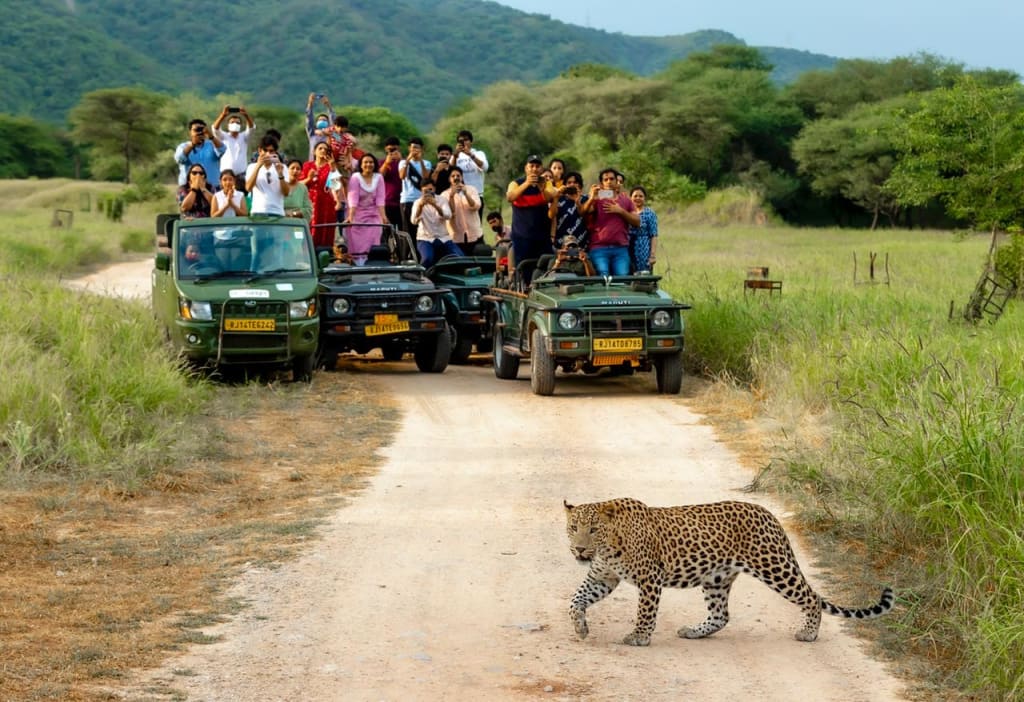
When most travelers think of Jaipur, images of grand palaces, bustling bazaars, and vibrant Rajasthani culture come to mind. However, tucked away on the outskirts of the city lies an extraordinary wilderness where leopards roam free—the Jhalana Leopard Safari Park. Often called the “wild heart of Jaipur,” this reserve offers visitors a rare chance to witness big cats in their natural habitat without venturing deep into the forests of central or southern India.
A Glimpse into Jhalana’s Wilderness
Spread across more than 20 square kilometers, Jhalana Leopard Safari Park was once the private hunting grounds of Jaipur’s royals. Today, it stands as a protected sanctuary where wildlife thrives amidst rocky hills, dense scrublands, and dry deciduous forests. Despite being located near an urban setting, the park is home to a surprising range of biodiversity.
The true stars of Jhalana are its resident leopards. Unlike tigers, which require vast territories, leopards adapt remarkably well to varied landscapes, including semi-arid regions like Rajasthan. Jhalana is believed to house over 30 leopards, making it one of the best places in India to spot these elusive predators.
What Makes Jhalana Special for Leopard Sightings?
Leopard sightings are notoriously unpredictable in most reserves. Yet, Jhalana has gained fame for offering relatively high chances of encounters. The unique topography, coupled with the leopards’ habituation to safari vehicles, allows visitors to observe them at close range. Early mornings and late afternoons are considered the best times for sightings, as leopards step out to patrol their territories or head toward waterholes.
Interestingly, Jhalana is one of the few reserves in India where leopards exist without competition from tigers. This gives them greater freedom of movement and increases the likelihood of spotting them during a safari.
Other Wildlife You Can Encounter
While leopards take center stage, Jhalana’s ecosystem supports a variety of species. Safari-goers may encounter:
- Hyenas, often spotted scavenging near the rocky hills.
- Blue bulls (nilgai), India’s largest antelopes, grazing in open fields.
- Spotted deer and sambars, which form a crucial prey base for leopards.
- Peacocks, jungle babblers, and parakeets add vibrant hues and calls to the wilderness.
The park also serves as a paradise for birdwatchers, with more than 200 recorded avian species, including migratory raptors during winter.
The Safari Experience
The Jhalana Safari is conducted in open jeeps, led by trained naturalists who share insights into animal behavior, vegetation, and the history of the area. Each safari typically lasts around two and a half hours and is divided into morning and evening slots.
Unlike larger reserves where safari bookings can be difficult, Jhalana offers a relatively seamless process through the Rajasthan Forest Department’s official portals. The limited number of vehicles per slot ensures minimal disturbance to wildlife while enhancing the exclusivity of the experience.
For visitors staying in Jaipur, Jhalana is only a short drive from the city center, making it one of the most accessible wildlife safaris in India.
Best Time to Visit
Jhalana Leopard Safari is open year-round, but the experience varies with the seasons:
Winter (October–March): Pleasant weather makes safaris comfortable, and visibility is high due to thinner vegetation.
Summer (April–June): Despite the heat, leopards are often seen around waterholes, increasing the probability of sightings.
Monsoon (July–September): The forest comes alive with greenery, and though spotting leopards becomes slightly trickier, the scenery is breathtaking.
Conservation Efforts and Eco-Tourism
Beyond tourism, Jhalana plays a significant role in leopard conservation. By creating awareness and offering a sustainable wildlife experience, the park helps reduce human-animal conflicts that are common in the region. Local communities also benefit through employment opportunities, making conservation a shared responsibility.
Eco-friendly practices are being encouraged, from limiting vehicle numbers to educating visitors on respecting the park’s rules. Responsible tourism ensures that the delicate balance between wildlife and human presence is maintained.
Tips for an Unforgettable Safari
- Book in advance to secure your preferred slot, especially during peak tourist seasons.
- Carry binoculars and a camera to capture both close-up encounters and the scenic landscapes.
- Dress comfortably in neutral-colored clothing to blend with the environment.
- Stay patient and alert—wildlife sightings are never guaranteed, but the anticipation adds to the thrill.
Final Thoughts
A visit to Jaipur is incomplete without stepping into the wild side of the city. The Jhalana Leopard Safari offers a unique blend of adventure, education, and conservation, making it more than just a tourist attraction. Whether you’re a wildlife enthusiast, a photographer, or simply a curious traveler, encountering a leopard in Jhalana’s rugged terrain is an experience that will stay with you for a lifetime.
So, the next time you plan your trip to the Pink City, remember to trade the palaces for a few hours in the wilderness—you might just lock eyes with the elusive spotted cat of Jaipur.
About the Creator
prince sain
Hey, I’m Prince, and I love traveling. Exploring new places and meeting new people is my jam. I get super excited about finding cool stuff in different places and learning about different cultures.
Keep reading
More stories from prince sain and writers in Beat and other communities.
Tea, Trails, and Tranquility: Your 3-Day Munnar Tour Guide
Tucked away in Kerala’s Western Ghats, Munnar is a refreshing escape that blends misty hills, sprawling tea gardens, winding trails, and a tranquil pace of life. Often called the “Kashmir of South India,” this hill station invites travelers with its unique mix of natural beauty, colonial charm, and adventure. Whether you are planning a Munnar tour package for a weekend getaway or a longer retreat, three days here are just enough to experience its highlights while leaving you yearning for more.
By prince sain5 months ago in Beat
EXCLUSIVE: Ludacris Not Playing MAGA’s “Rock The Country” Concert
UPDATE: Ludacris is going to be blowing down the gas, allegedly, while performers like Kid Rock will. The decision came from his manager Chaka Zulu. Either it was a misprint or some kind change of mind, the reality is that the ultra-right wing gatherings will not see Mr. Christopher “Ludacris” Bridges.
By Skyler Saunders2 days ago in Beat



Comments
There are no comments for this story
Be the first to respond and start the conversation.