
Judge Dismisses Drake’s Lawsuit Over Kendrick Lamar’s ‘Not Like Us’
Judge Dismisses Drake’s Lawsuit Over Kendrick Lamar’s ‘Not Like Us’

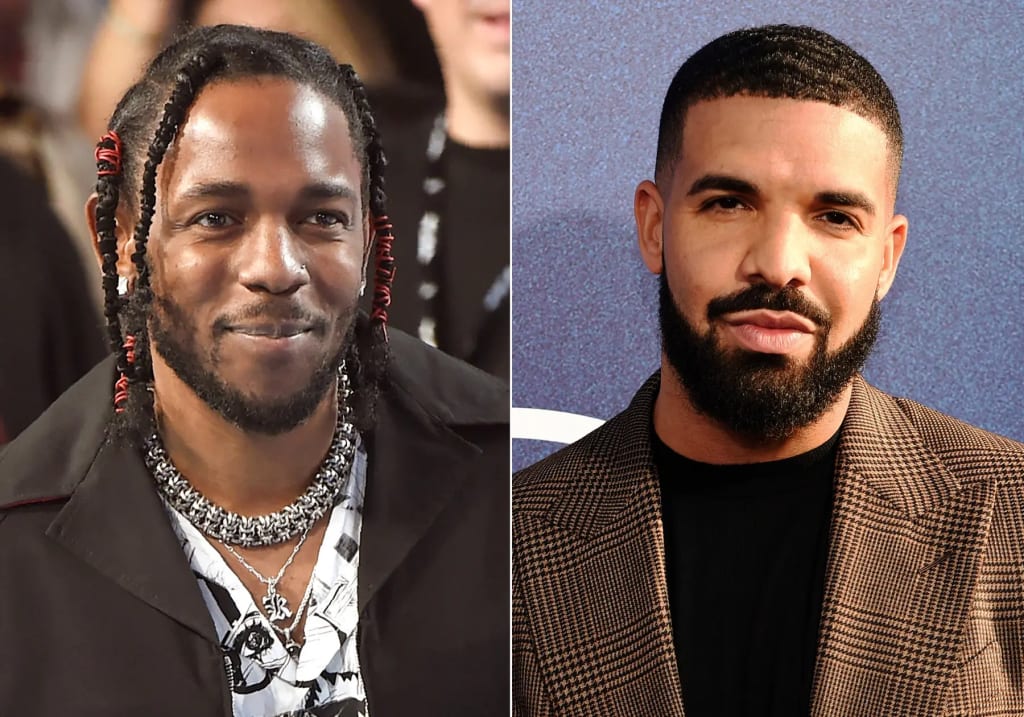
In a major development in hip-hop culture, a federal judge in New York has dismissed Canadian rapper Drake’s defamation and harassment lawsuit regarding Kendrick Lamar’s track “Not Like Us.” The ruling effectively ends what some have called one of the most publicized rap battles in recent music history.
According to reporting by The New York Times, Judge Jeannette A. Vargas described Lamar’s song as the “metaphorical killing blow” in the ongoing dispute, ruling that its lyrics constitute nonactionable opinion. This means that, legally, the track cannot be considered defamatory.
Drake, born Aubrey Drake Graham, had filed the lawsuit in January 2025, alleging that Universal Music Group (UMG) — the record company behind both artists — prioritized corporate gain over the safety and well-being of its musicians. His suit specifically targeted “Not Like Us,” a diss track released by Lamar in May 2024, which contained lyrics accusing Drake of pedophilia. The complaint claimed that the song and its accompanying cover art — which featured images of Drake’s Toronto residence alongside markers representing registered sex offenders — could incite vigilante behavior.
The judge’s ruling emphasized the context of the rap battle, noting that the lyrics are part of an ongoing exchange between the two artists. Judge Vargas wrote, “The average listener is not under the impression that a diss track is the product of a thoughtful or disinterested investigation, conveying to the public fact-checked verifiable content.” She also referenced prior lyrics by Drake, which contained personal attacks on Lamar, noting that Lamar’s track was hyperbolic in nature.
Following the news of the dismissal, producer Mustard, who contributed to “Not Like Us,” took to X to react. The producer shared a series of laughing emojis, signaling his amusement at the legal outcome. Meanwhile, fans quickly took to X to express their opinions, debating everything from artistic freedom to the impact of diss tracks on artist reputations. The social media response highlights how intertwined modern hip-hop culture is with online fan engagement.
Despite the controversy, both artists have continued to see commercial success. Lamar’s album GNX reached number one and became the foundation of an international stadium tour with SZA. Drake’s collaborative project Some Sexy Songs 4 U, featuring PartyNextDoor, also debuted at the top of the Billboard charts, with hints of a follow-up album titled Iceman already teased.
Universal Music Group issued a statement following the ruling, asserting that the lawsuit “was an affront to all artists and their creative expression” and expressing pleasure over the court’s decision. The label emphasized its continued commitment to promoting Drake’s music and supporting his career.
The dismissal of the lawsuit underscores a broader principle in entertainment law: lyrics, particularly in the context of artistic rivalry, are often considered opinion rather than fact. As diss tracks remain a core part of hip-hop culture, the ruling may serve as a reference point for future disputes between artists and labels.
For fans and industry observers, the case also serves as a reminder of the blurring lines between artistry and legal accountability in modern music. While the courtroom drama may have ended, the conversation surrounding creative freedom, fan influence, and the impact of public beefs continues — both online and in the culture at large.
The impact of this feud extends beyond the music itself. Social media platforms like X have become modern battlegrounds where fans dissect every lyric, speculate on hidden meanings, and debate which artist holds the upper hand. Hashtags related to the Drake-Lamar feud trended for days after the dismissal, with users sharing memes, video clips, and personal opinions about the culture of diss tracks. Some praised Lamar for his lyrical prowess and the boldness of “Not Like Us,” while others sympathized with Drake, emphasizing the personal nature of some accusations and questioning the boundaries of artistic expression.
Industry experts note that while diss tracks have historically been a form of competitive expression in hip-hop, the digital age has amplified their reach and potential consequences. Whereas Tupac and Biggie’s rivalries were largely contained to interviews and recorded tracks, today’s rappers face instantaneous reactions from millions of listeners worldwide. The viral nature of social media can elevate a feud from a simple musical disagreement to a cultural event, affecting not just artist reputations but also streaming numbers, concert ticket sales, and brand partnerships.
The case also highlights the evolving legal landscape for artists and record labels. Judges must carefully balance First Amendment protections of free speech with potential claims of defamation, harassment, or incitement. In this instance, the court ruled in favor of artistic expression, but experts caution that future disputes could test these boundaries further, especially as lyrics increasingly intersect with real-world events, personal allegations, and social media virality.
Both Drake and Lamar have leveraged the attention to their advantage. Lamar’s GNX tour, combined with his Super Bowl halftime performance, has solidified his status as one of the leading voices in modern hip-hop. Drake, despite the legal setback, continues to dominate charts globally, with Some Sexy Songs 4 U performing strongly and the anticipation for Iceman building momentum. The publicity surrounding the lawsuit, while potentially stressful for the artists, also served as a reminder of their cultural relevance and the commercial power of publicized rivalries.
Beyond commercial success, the feud sparked conversations about mental health, the responsibilities of record labels, and the effects of public scrutiny on artists. Fans, journalists, and fellow musicians debated whether UMG acted ethically by allowing the diss track to be released or if they had a duty to intervene. The discussion touches on larger industry questions: To what extent should corporations prioritize profit over artist well-being? How should artists navigate conflicts that play out on global platforms? And, importantly, how much responsibility do listeners have when consuming provocative content?
While the legal chapter has closed, the cultural discussion is far from over. Analysts predict that diss tracks, courtroom drama, and fan engagement will continue to influence music, marketing strategies, and the ways in which artists interact with their audiences. The Drake-Lamar saga serves as a case study in the intersection of music, law, and digital culture, illustrating both the opportunities and challenges modern artists face in an era where every lyric is scrutinized and amplified.
Ultimately, this high-profile feud and its legal conclusion reinforce a central truth in hip-hop: the genre thrives on competition, expression, and dialogue. Diss tracks are more than attacks — they are storytelling devices, cultural commentary, and markers of creative skill. And as fans continue to engage, debate, and analyze each release, the genre evolves, reflecting broader societal conversations about freedom, responsibility, and influence in the digital age.
About the Creator
Tiana smith
Supporting Emerging Artists 🥳🫶🏾
Keep reading
More stories from Tiana smith and writers in Beat and other communities.
Introducing Rakim Ocean: The Artist Who Turns Emotion Into Waves
Every artist has a beginning, but for Rakim Ocean, that beginning feels like the calm before something powerful. Born from passion, rhythm, and vision, Rakim isn’t just another name in music—he’s a storyteller who wants every beat to carry emotion, truth, and energy. His voice doesn’t just want to be heard—it wants to be felt.
By Tiana smith 3 months ago in Beat
EXCLUSIVE: Ludacris Not Playing MAGA’s “Rock The Country” Concert
UPDATE: Ludacris is going to be blowing down the gas, allegedly, while performers like Kid Rock will. The decision came from his manager Chaka Zulu. Either it was a misprint or some kind change of mind, the reality is that the ultra-right wing gatherings will not see Mr. Christopher “Ludacris” Bridges.
By Skyler Saunders2 days ago in Beat


Comments
There are no comments for this story
Be the first to respond and start the conversation.