
Into the Wild at Amagarh: A Leopard Safari Where Jaipur’s Secrets Come Alive
Amagarh is truly special in that it isn’t just a safari—it’s a living museum where heritage blends seamlessly with nature.
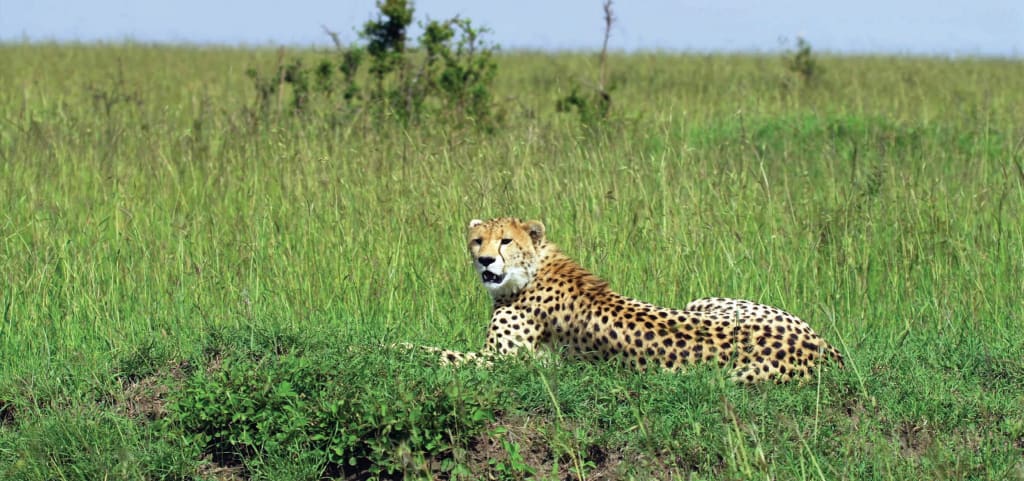
The Untold Wild Side of Jaipur
If you think Jaipur is only about palaces, forts, and bustling bazaars glowing in pink hues, then Amagarh Leopard Safari is here to rewrite that perception. Tucked just 20–25 minutes from the city centre, the rugged Aravallis hold a different kind of Jaipur—one where the air smells of acacia, where silence hums, and where leopards roam like the rightful kings of this ancient land.
I still remember my first glimpse of Amagarh: sunlit hills folding into one another, dusty trails winding into the forest, and a strange calmness you rarely experience in cities. This is a side of Jaipur most travellers skip—yet those who step into it walk away with goosebumps, stories, and a renewed love for the wild.
A Landscape Where History and Wildlife Coexist
What makes Amagarh truly special is that it isn’t just a safari—it’s a living museum where heritage blends seamlessly with nature. The area around the fortress and forest has sheltered wildlife for centuries, long before Jaipur became the capital of the Kachwaha dynasty.
As your jeep begins its climb through rocky paths, the first few minutes almost feel like a historical trail. Crumbling walls of the ancient Amagarh Fort peek through the thorny vegetation, their weathered stones whispering stories of queens, battles, and forgotten eras. But within moments, history gives way to thrill.
Here, leopards rule. Jaipur is known for having a surprisingly high density of leopards thanks to the Aravalli corridors, and Amagarh is one of the safest places to spot them. The safari guides know each leopard by name—from the calm “Sultan” to the elusive “Noori.” If you’re lucky, you may witness them crossing trails with stealth, lounging on sunlit rocks, or simply staring back with those intense, amber eyes.
Apart from leopards, you’ll encounter hyenas, desert foxes, langurs, nilgai, porcupines, and a colourful burst of birdlife—peacocks shimmering in blue, falcons spiralling above ridges, and francolins darting between the bushes.
Best Time to Visit: When the Forest Comes Alive
Though the safari runs throughout the year, the experience varies beautifully with the seasons. The best time to visit Amagarh Leopard Safari is from October to March, when the weather turns crisp, the sky is clear, and animals are most active.
Winter mornings are magical—the kind where the forest floor is wrapped in soft mist and you can see paw prints on the damp earth. Evening safaris during summers (April–June) are still rewarding as leopards often come out near dusk to escape the daytime heat. If you love monsoon moods, July–September transforms the rocky terrain into lush, green slopes, giving you postcard-perfect photos—though sightings can be slightly unpredictable.
How to Reach Amagarh: Easy, Quick & Scenic
Reaching Amagarh Leopard Safari is surprisingly simple, which is what makes it such a wonderful addition to any Jaipur itinerary.
If you’re staying in central Jaipur, the safari zone near the Amagarh Hills is about a 20–30 minute drive. You can book a cab, rent a scooter, or hire an auto. The route takes you past old neighbourhoods, winding lanes, and finally into open Aravalli landscapes.
For outstation travellers:
Nearest airport: Jaipur International Airport (30–40 minutes away)
Nearest railway station: Jaipur Junction (25 minutes away)
Once you arrive at the safari entry point, the guides help with permits and allotted jeeps. It’s a well-organised system, so even first-time visitors will find it smooth and hassle-free.
The Safari Experience: Thrill, Silence & Stories in Every Turn
Imagine this: the jeep engine hums softly as you move deeper into the terrain. The wind carries the scent of wild berries and dusty sandstone. Each turn feels like a possibility—of spotting a paw print, a fresh kill, or the swaying tail of a leopard disappearing into the thickets.
Safari guides are incredibly knowledgeable. They narrate stories of individual animals, explain territorial markings, and decipher calls—from sambars alarmed at predators to peacocks warning of sudden movement. It feels less like a tourist activity and more like a guided expedition.
If you enjoy photography, this is paradise. Sunlight spilling over ridges, silhouettes of birds against the sky, and leopards resting in golden light—Amagarh gives you frames you’ll want to print. Just remember to keep your shutter silent and respect the animals.
The safari usually lasts around 2 hours, offering enough time to cover key zones, explore viewpoints, and even hop off at designated safe spots for panoramic photos.
Nearby Attractions: Making the Most of Your Day
One of the best things about Amagarh is how easily it pairs with other memorable experiences around Jaipur. After the safari, you can explore:
Galta Ji Temple (Monkey Temple) – an ancient pilgrimage site set between cliffs, home to natural springs and playful monkeys.
Amagarh Fort – hike up for sunset views over the city.
Sisodia Rani Ka Bagh – a terraced Mughal garden perfect for relaxed strolls.
Nahargarh Fort – for panoramic views and evening cafés perched atop the hills.
These spots are only 10–20 minutes from each other, making it easy to craft a perfect day out.
Local Tips, Safety & Budgeting
A trip to Amagarh doesn’t require luxury planning, but a few thoughtful choices can elevate your experience:
- Wear neutral colours like brown, green or grey to blend with the forest.
- Avoid perfumes; strong scents can disturb wildlife.
- Keep noise minimal—whispering enhances your chances of sightings.
- Carry water, sunglasses, and a light jacket if you’re doing a morning safari.
- Book your safari in advance, especially in peak months.
- Respect safety protocols; the guides know the terrain better than anyone.
Safari prices are generally budget-friendly compared to many other wildlife destinations in India, making it accessible even for solo travellers and students.
Final Thoughts: Why Amagarh Belongs on Your Jaipur Bucket List
Some journeys stay with you—not because of grandeur or extravagance, but because of raw, unfiltered moments. Amagarh is one such place.
It’s where you might lock eyes with a leopard resting on an ancient wall. Where the breeze echoes tales of forts long forgotten. Where Jaipur reveals a secret, it doesn’t tell everyone.
If you’re someone who seeks experiences that feel personal, immersive, and a little wild, this safari deserves a space on your itinerary. It isn’t just a wildlife safari; it’s a reminder of how nature and history quietly shape the soul of a city.
About the Creator
prince sain
Hey, I’m Prince, and I love traveling. Exploring new places and meeting new people is my jam. I get super excited about finding cool stuff in different places and learning about different cultures.
Keep reading
More stories from prince sain and writers in Beat and other communities.
Where Adventures Unfold: A Complete Guide to Bandaje Falls Trek
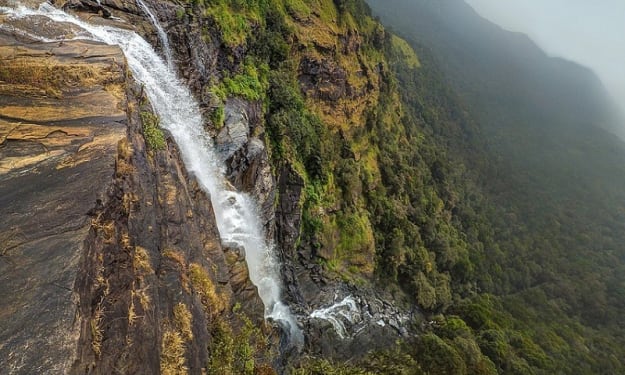
If there’s one trek in the Western Ghats that perfectly blends mystery, wilderness, and a splash of adrenaline, it’s the Bandaje Falls Trek. Tucked deep inside the Charmadi Ghats, this trail is as raw as it is rewarding. Every step feels like you’re peeling back a new layer of the forest—misty paths opening into grasslands, ancient ruins emerging out of nowhere, and finally, the grand reveal: Bandaje Falls plunging from a cliff into the deep green valley below.
By prince sain2 months ago in Beat



Comments
There are no comments for this story
Be the first to respond and start the conversation.