
Where Adventures Unfold: A Complete Guide to Bandaje Falls Trek
Bandaje isn’t just a trek—it’s a journey into the wild heart of the Western Ghats.
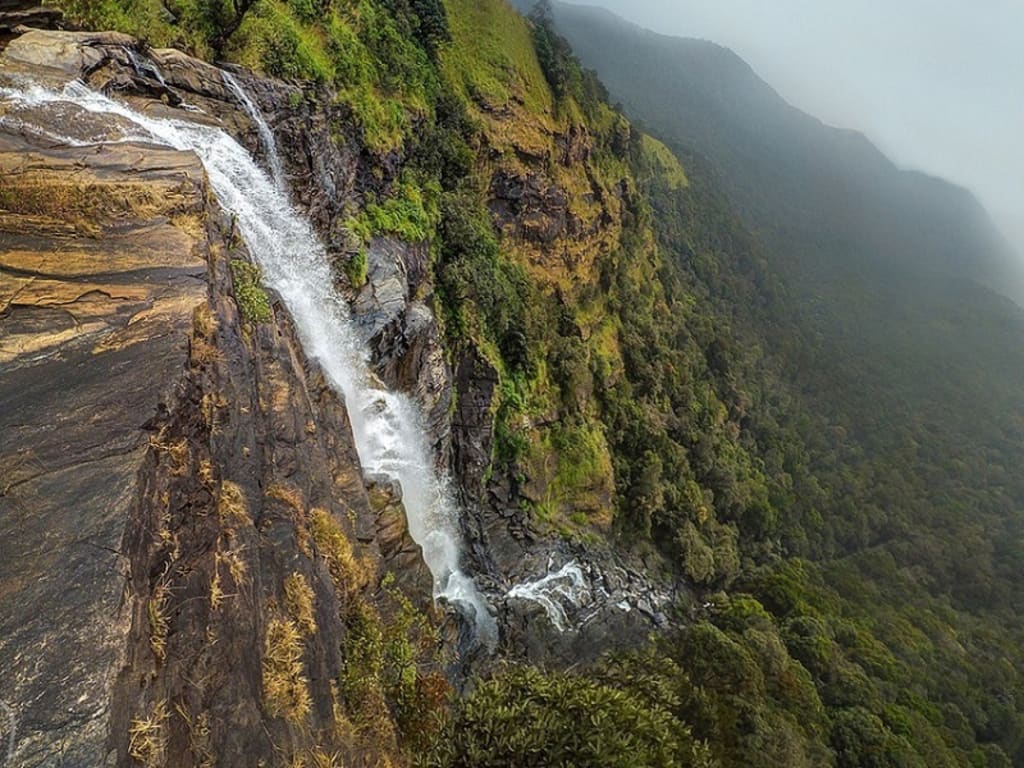
If there’s one trek in the Western Ghats that perfectly blends mystery, wilderness, and a splash of adrenaline, it’s the Bandaje Falls Trek. Tucked deep inside the Charmadi Ghats, this trail is as raw as it is rewarding. Every step feels like you’re peeling back a new layer of the forest—misty paths opening into grasslands, ancient ruins emerging out of nowhere, and finally, the grand reveal: Bandaje Falls plunging from a cliff into the deep green valley below.
Whether you’re a first-timer planning your adventure or a seasoned trekker seeking a fresh challenge, this guide will take you through everything you need to know: how to reach Bandaje Falls, the best time to visit, what to expect on the trail, nearby attractions, safety tips, and even a suggested itinerary.
So, tie those laces tight—let’s get into it.
Stepping Into the Ghats: What Makes Bandaje Falls Trek Special
Bandaje Falls isn’t your typical weekend waterfall destination. The trek carries a sense of discovery that’s rare. As soon as you enter the forest, the world behind fades out—replaced by moist earth, dense foliage, and a soundtrack of cicadas, rustling leaves, and the distant roar of water. The highlight, of course, is Bandaje Arbi (as locals call it), a powerful waterfall dropping nearly 200 feet from atop a rocky escarpment.
But what truly elevates the experience is the journey through rolling Shola grasslands, mist-laden ridges, and a trail that connects to the legendary Ballalarayana Durga Fort. This viewpoint is nothing short of spectacular—it gives you sweeping views of the Ghats, with clouds drifting at arm’s length.
Bandaje Falls Trek is a moderate-to-challenging trail, making it perfect for those who crave a bit of adventure without veering into extreme territory.
Finding Your Way: How to Reach Bandaje Falls
Reaching the Bandaje trek starting point is fairly straightforward, but knowing the nuances makes planning smoother. Most trekkers begin from the small village of Bandaje, located near Ujire in the Dakshina Kannada district. From Ujire, it’s about a 15–20 km drive to the forest check-post where the trail begins.
If you’re coming from Bengaluru, overnight buses to Dharmasthala or Ujire are the most convenient. From there, local taxis or autos can take you to the trailhead. Travellers arriving from Mangaluru can reach Ujire in roughly two hours by bus or cab. For self-drive enthusiasts, the roads are scenic and well-maintained—expect a beautiful ride through the Ghats.
Do note that entry into the forest is regulated. The Forest Department often issues restrictions during monsoons, both for safety reasons and to protect the ecosystem. It’s always wise to check ahead or book through a verified trekking organiser who keeps track of these updates.
Seasons of Magic: Best Time to Visit Bandaje Falls
Bandaje transforms with the seasons, and choosing the right window depends on the kind of adventure you’re after.
Post-monsoon (September to February) is hands down the best time to visit. The forest is lush, the grasslands are bright green, and the waterfall carries just the right amount of flow—powerful yet safe for viewing from the top. The weather is pleasantly cool and ideal for long hikes.
Winter (December–February) is incredible for photography, with clear skies and mesmerising views from Ballalarayana Durga Fort. If you prefer a more relaxed trek with minimal slush, winter is your sweet spot.
Monsoon (June–August), though extraordinarily beautiful, isn’t recommended due to leech infestations, slippery paths, and frequent Forest Department closures. If you love raw monsoon madness, you can visit nearby attractions instead—Kudremukh, Charmadi Ghat viewpoints, or Soormane Falls.
The Trail Experience: What the Bandaje Trek Feels Like
Imagine starting your day on a narrow mud path shadowed by towering trees. The first stretch leads you through thick forest—expect steep inclines, muddy patches, and the occasional fallen branch blocking your way. This part is humid and adventurous, and spotting small wildlife like frogs, lizards, or birds is common.
After 1–1.5 hours of climbing, the forest suddenly opens into vast grasslands. This is where the landscape changes dramatically—rolling ridges, golden hilltops, and a sense of freedom you didn’t know you needed. The wind gets stronger, the views wider, and you realise why trekkers fall in love with this route.
The final approach to Bandaje Falls takes you along the cliff edge. The sound of water crashing into the gorge grows louder, and when the waterfall finally appears—white, wild, and endless—it feels like stumbling upon a hidden world.
If you have extra stamina and time, the trail can be extended further to Ballalarayana Durga Fort, a surreal stone ruin perched on a hilltop. It’s the perfect sunset spot, and many trekkers combine the two in a single itinerary.
Nearby Attractions Worth Adding to Your Trip
What makes trekking around Ujire and Charmadi Ghats so satisfying is the abundance of places you can combine with Bandaje.
Ballalarayana Durga Fort is the most obvious extension—it’s literally part of the same mountain belt. But beyond that, you can explore Kudremukh National Park, the serene Bendru Theertha hot springs, Jamly Viewpoint, and even the Charmadi Ghat hairpin bends that offer jaw-dropping views.
If you’re spiritually inclined or simply enjoy heritage, Dharmasthala Temple is a short drive away. Nature lovers can visit Ermayi Falls or Kudrasthe Viewpoint. Each adds a different flavour to your itinerary without straying too far from the core trekking region.
Safety, Budgeting & Local Tips for a Smooth Trip
Because Bandaje is a raw, forest-heavy trek, safety should be at the front of your mind. Always begin early—preferably before 8 AM—to avoid the harsh afternoon sun. Carry at least 2 litres of water, energy bars, and electrolyte sachets. Mobile network is unstable in most parts of the trail, so keep your group close and avoid wandering alone.
Proper trekking shoes are essential; the rocks near the waterfall can be slippery. During the forest stretch, expect leeches—not dangerous, but mildly annoying. Carry Dettol spray or salt during monsoon months.
Locals are extremely friendly and familiar with trekkers. Many nearby homestays offer breakfast-and-drop packages to the starting point, which makes logistics easier.
A Simple Suggested Itinerary
If you’re planning a weekend getaway, here’s a smooth-flowing itinerary:
Day 1 (Bengaluru → Ujire):
Take an overnight bus. Check into a homestay or freshen up at a local lodge. Explore Ujire’s small cafés or take a short ride to Jamly Viewpoint for sunset.
Day 2 (Bandaje Falls Trek):
Start early. Trek to the falls, spend time at the cliff, explore the grasslands, and if you have the energy, push to Ballalarayana Durga. Descend by evening and return to your stay.
Day 3 (Nearby attractions → Return):
Visit Ermayi Falls, Dharmasthala Temple, or Charmadi viewpoints before heading back home.
Final Thoughts: Why Bandaje Should Be on Your Bucket List
Bandaje isn’t just a trek—it’s a journey into the wild heart of the Western Ghats. It’s the kind of place where adventure unfolds naturally, where the trail teaches you to slow down, observe, breathe, and be present. The waterfall may be the reward, but the real joy lies in the forest climbs, the whispering grasslands, and the silence that follows when the wind pauses for a second.
If you’re craving nature, challenge, and a dash of mystery, Bandaje Falls Trek deserves a top spot on your travel calendar.
About the Creator
prince sain
Hey, I’m Prince, and I love traveling. Exploring new places and meeting new people is my jam. I get super excited about finding cool stuff in different places and learning about different cultures.
Keep reading
More stories from prince sain and writers in Beat and other communities.
Rise With the Rolling Ridges: The Beauty and Challenge of Kudremukh Trek
If there’s a trek that truly captures the magic of the Western Ghats—its mist-kissed hills, wildflower meadows, dense shola forests, and sweeping ridges that seem to roll into infinity—it’s the Kudremukh Trek. Often called the “mini Scotland of India,” this trail is a dream come true for hikers who crave both beauty and challenge. Whether you’re a seasoned trekker or a curious beginner ready for your first big adventure, Kudremukh has a way of staying with you long after the hike is over.
By prince sain3 months ago in Beat
It's 2026. Songs Turning 10 This Year
In 2016, we saw the rise of short form videos and what would lead to the birth of TikTok. We cannot forget the Snapchat filters no matter how cringe worthy some of them might have been. It was also the year in which the hit series Stranger Things debuted.
By Jasmine Aguilar6 days ago in Beat
Just A Minute
Introduction As I write this or rather put this together, there are forty-one hours to go before the Vocal "Just A Minute" Challenge, and it got me thinking, what about a playlist of songs that last sixty seconds or less, and there are a lot of good ones that are literally gone in sixty seconds.
By Mike Singleton 💜 Mikeydred 2 days ago in Beat



Comments
There are no comments for this story
Be the first to respond and start the conversation.