
How Jack Johnson's Music Heals the Ocean
Explore how Jack Johnson dives into activism and how he is reinventing concert venues to become more eco-friendly while bringing joy to his listeners.

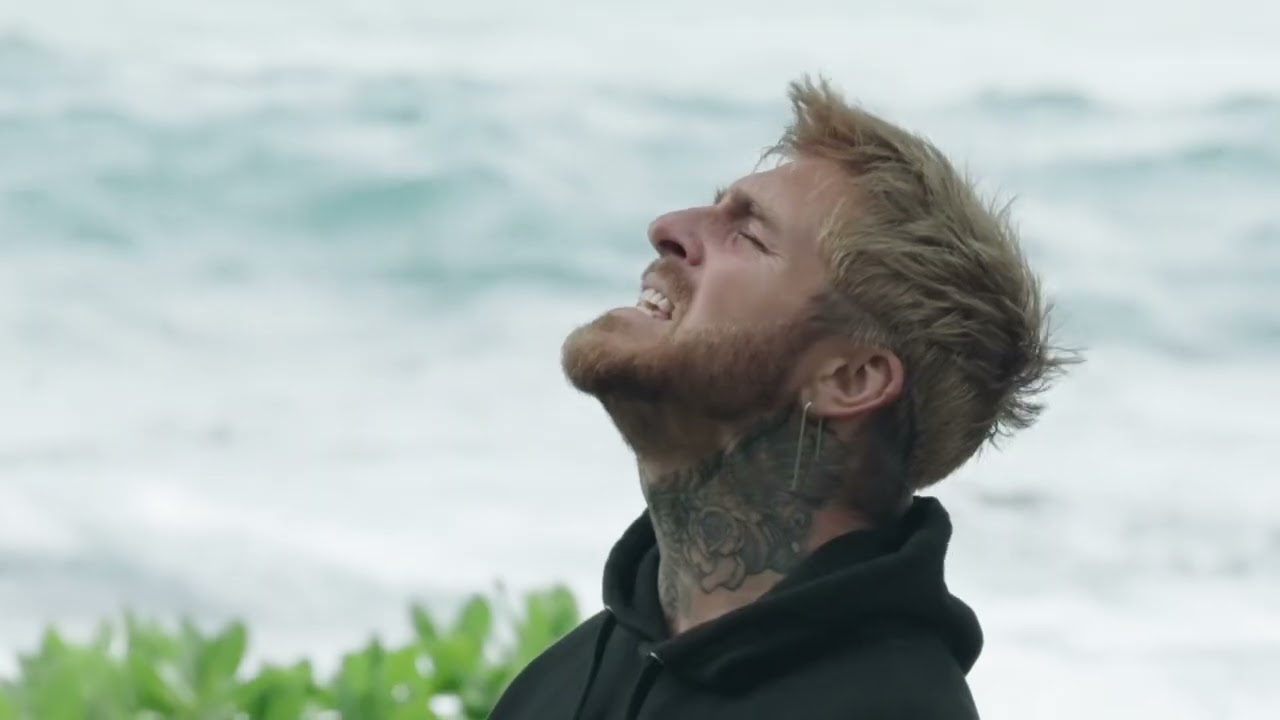
One of the most influential parts of Jack Johnson’s music and activism surrounding environmental awareness is his background in surfing. Johnson is a native Hawaiian, born and raised on the North Shore of Oahu, most known for one of the world’s most dangerous wave breaks “pipeline,” because of how close it breaks to the shallows of the reefs. He grew up lucky enough to have “pipeline” in his backyard, surfing every day. Because of this Johnson began his surfing career at age 5, becoming the youngest invitee ever to Pipeline Masters at age 17. Pipeline Masters is a 50-year tradition that is known as one of the most prestigious competitions in surfing, where its champions go on to make history in the surfing world. Pipeline is a place that brings joy yet can also end careers, it is where Johnson suffered a severe, near-deadly injury in 1992. Pipeline is where Johnson started his competitive career in surfing and where it ultimately ended. During the recovery process of his injuries, Johnson decided to take up music after finding it was his hidden talent. Even though he does not competitively surf anymore, the culture and sport of surfing are still heavily influential in Johnson’s current life.

In 1993 shortly after Johnson graduated high school, he decided to continue his music career in a higher education setting, at the University of California-Santa Barbara, where he majored in film studies. Even though he originally picked up the guitar when he was 8, he found himself learning much more after surrounding himself with other musicians at school. Specifically, the bands “Soil” and “Django” found bigger success when they opened for Sublime and Dave Matthews Band. After graduating in 1997, he continued to grow his career as he was featured on “Rodeo Clown” a song on G.Love’s album, “Philadelphonic” boosting him and allowing him to produce his debut album, “Bushfire Fairytales” in 2000.

Since surfing is heavily based on the conditions of nature, waves, and the environment, surfers are some of the first people to recognize the impacts of climate change on the oceans, including temperature, swell size, lack of constant seasons, sea-level rise, and fall. So, it is not surprising surfers are crucial in the climate change fight, Johnson being one of the foremost influential people in the world of surfing when it comes to this. Climate change and issues surrounding the environment are often not recognized as human rights issues in politics. It may seem unmanageable or irreversible, however many of the issues we face today are brought on by our impacts. If we have a hand that is negatively impacting nature, we can have a hand in helping restore it.
Johnson has several not-for-profit campaigns and foundations based around the devotion to restoring our planet. One of which is a worldwide campaign, “All at Once,” which includes over 400 groups who focus “on plastic-free initiatives, sustainable local food systems, and other hands-on environmental projects.” Beginning in 2008, Johnson donated 100% of his tour profits (merchandise and ticket sales) to local charities surrounding and supporting environmental relief efforts through “All at Once”.
Not only does he provide funding to environmental education and awareness groups he also incorporates ways of being eco-friendly on his tours and in everyday life. For instance, his tour sets use all energy-efficient light bulbs and carbon dioxide offsets, tour buses use generators with biodiesel fuel to power them, and all food catered was ethically sourced. Since fan-produced pollution is also a huge factor in tours, Johnson and his team decided to instate refillable drinking stations and re-usable drinkware, and alternative methods of transportation like bike valets and affordable ride-sharing apps. In addition to eco-friendly efforts, he and his tour team installed “village green” on all his tours finding vendors and organizations that can provide education to fans.

Johnson wrote his seventh studio album, “All the Light Above It Too” in collaboration with artists whom he worked alongside the film, “Smog of the Sea” which includes Johnson, fellow surfers Keith and Dan Malloy, bodysurfer Mark Cunningham, and spear fisherwoman Kimi Werner. Their journey takes them to explore how plastic and ocean pollution impacts the Sargasso Sea. The film’s purpose is to educate the cultures that are based around the ocean on how to take action to reduce single-use plastics and pollution ending up our earth’s sacred waters.
After writing the first song "Subplots" for the album he decided that the album would work in collaboration with the film and be used as a platform to create more attention around climate preservation acts. The album delves into how politicians should be acting and advocating for our earth. Johnson has described "Subplots" in addition to another song, "My Mind Is For Sale" as lyrical letters to President Donald Trump, who was campaigning for a border wall and destroying our beautiful lands for his own narcissistic and greedy agenda. He quotes in his song, “which part of yourself can you afford to lose,” “All the light under the Sun... Don’t shine for you.” He incorporated metaphors that are used to say that the environment and its people are not just pawns for politicians to use for their own personal vendettas, they are beautiful but need our help to be restored.
What makes Jack Johnson so special in the world of music, is his genuine love for nature and the art of surfing. Rather than living for music, he lives for nature and uses his platform to honor that love of the earth, it is what is taught in surfing, to not fight with the ocean but to fight for it. He leads with this love in his music, which increases his reach to more people and creates an environment of peace and joy surrounding environmental activism. Johnson’s efforts in environmental activism unlike many artists are not just performative he implements them in his day-to-day life. Musicians, especially ones in mainstream media, hold so much power and influence in society by becoming educated, speaking out on political issues, and working to make the world a better place others will follow in their efforts.
About the Creator
Keep reading
More stories from writers in Beat and other communities.
T.I. Previews Final Album "Kill The King" With New Pharrell-Produced Single
T.I. dropping new heat is welcome. His flow seems strong and his lyricism layered and catchy at the same time on the single “Let ‘Em Know.” It continues his unrelated “know” series along with “U Don’t Know Me” “What You Know” “You Know What It Is” and “Yeah You Know.” This single is in support of his reported final album, Kill The King (2026). Another throughline in his career which has included King (2006).
By Skyler Saunders4 days ago in Beat
How to Succeed at the Benson Directory®
Congratulations and welcome to the Benson Directory® employee #22391! As our newest call handler, you will have the privilege of speaking with dozens of unique and interesting people on a daily basis as well as the opportunity to earn bonuses for high performance. Contained within this handbook you will find a set of ease to follow instructions designed to help you settle in to your new role and begin paving the way to success.
By S. A. Crawford6 days ago in Fiction



Comments
There are no comments for this story
Be the first to respond and start the conversation.