
Faint Halos Illuminate the Quiet Wonders of Life on New Album "I can see a million lights"
Faint Halo's latest album blends folk intimacy with atmospheric soundscapes, and a reflective journey through memory, place and the bittersweet beauty of time.

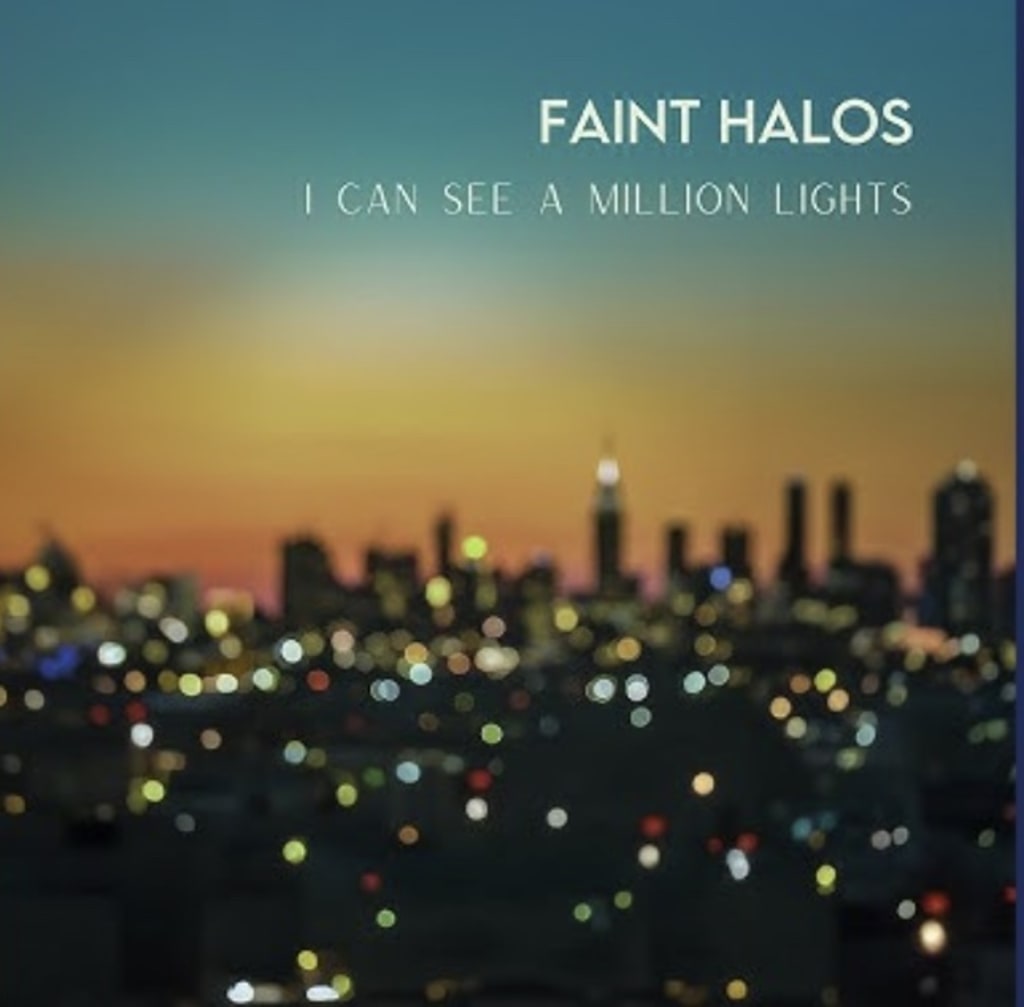
With "I can see a million lights", Paul Hashemi, the creative mind behind Faint Halos, has created an album that feels like both a personal journal and a widescreen film, blending intimate folk moments with larger, more atmospheric soundscapes.
It's a deeply layered project that explores life's fleeting moments, the tension between past and future, and the profound sense of place that grounds us in our memories.
Listen to the album here on Spotify:
https://open.spotify.com/album/18EIeXfHDiaKoSruRRb4OF
This collection of 10 tracks is an album that resonates with audiences worldwide, and has already achieved more than 100,000 streams on Spotify for its singles alone.
From the opening notes of "The Miracle Comes", Paul Hashemi sets a tone of vulnerability and introspection.
“Last Scenes of the Resistance,” a track inspired by the Syrian conflict, takes a more politically charged theme. Here, Hashemi shifts his focus outward, telling the story of a freedom fighter forced to leave his family behind to fight for a cause larger than himself.
The song is deeply moving not just because of its subject matter, but because of the way Hashemi humanizes the conflict and makes it much less about politics and more about the personal cost of war.
Hashemi’s storytelling shines, using vivid imagery and emotional depth to paint a picture of struggle, love, and loss on a global scale:
“Dedicate monuments / To the great counterfeits / It’s a blessing, it’s a bet” warns Hashemi as he narrates the story of a resistance fighter leaving home for what is likely the last time. “I had a specific story in mind when I wrote this,” he says, “but unfortunately the story is maybe too relevant in a lot of places - you fight against oppression for a better future for those you love, but maybe at the cost of having you in it.”
As the album unfolds, it reveals itself to be not just a collection of songs but a cohesive emotional journey.
“Skyline Hill” is another standout moment on the record, transporting listeners to the heart of Philadelphia where Hashemi sings about memories, place, and nostalgia. This track's more sparse arrangement, featuring shimmering guitars, subtle keys, and fluttering eBow work, mirrors the simplicity and beauty of a summer night in the city.
There’s a cinematic like quality to the song, as if we’re watching the lights of the Philadelphia skyline through Hashemi’s eyes, both familiar and distant at the same time. The lyrics strike a delicate balance between the personal and the global and capture the sense of belonging that a city can evoke in someone, the way memories of a place can stay with us long after we’ve left.
"Something to Lose (Acoustic)" is a re-worked version of a previously released Faint Halos song that strips away the modern rock edge of the original, leaving behind a delicate acoustic arrangement that feels raw and intimate. Here, the vocals are laid bare, without any embellishments of heavy production, and are paired with the harmonies from Hashemi's daughter Cate.
Adding to this song's unique texture are more unconventional instruments. Like using a kick drum to give an earthy, almost homespun quality that underscore Hashemi's knack for finding beauty in the ordinary.
While much of the album leans into softer, more introspective territory, tracks like “Disaster” inject a dynamic energy that shifts the mood.
The song begins with gentle, fingerpicked guitars and restrained percussion, but as it builds, it crescendos into a stormy instrumental bridge that feels urgent and raw.
Vocals which are typically subtle and understated on the album, take on a more forceful edge here. Lines like “Just calling to tell you that it never was a matter of faith / It’s getting harder to pretend that I am not gonna break." Here, Faint Halos channels classic indie rock vibes and turns the trope of suffering for art on its head, inviting in the muse to the unfussy production.
It’s a striking contrast to the album’s more subdued moments, highlighting Hashemi’s ability to balance softness with intensity, and reminding the listener that even in quiet reflection, there is often an undercurrent of tension waiting to be released.
As the album approaches its conclusion, it circles back to the theme of time and the bittersweet nature of growing older. “Wasted on Youth,” the closing track, is a reflective ballad that captures the tension between the choices made in youth and the wisdom gained in adulthood. The song’s soaring chorus, which is tinged with both regret and hope, mirrors the overarching themes of the album - a push and pull between past decisions and future possibilities.
The questions are posed: How do we reconcile who we were with who we are now? How do we find peace in the choices we’ve made, even when they lead to regret? It’s a powerful ending to an album that consistently challenges the listener to look inward and reflect.
"I can see a million lights" is indeed an album that rewards deep and reflective listening, with both the music and the emotions that it evokes. Paul Hashemi, as Faint Halos, has created a body of work here that is relatable and something that you want to keep listening to.
Keep up to date with Faint Halos:
Website / Facebook / Instagram / Spotify / Soundcloud / YouTube Music
About the Creator
Keep reading
More stories from Whitney Miller and writers in Beat and other communities.
Animals In Denial Release Latest Single "Coi"
Christian Imes, the creator of Animals In Denial, delivers a dark and visceral punch with latest single "Coi." Nearly two decades in the making, the evolution of this track mirrors Imes’ own personal and musical growth. What started out as a single electronic sequence created in 2003 has now emerged as a fully realized industrial rock anthem, packed with emotional weight and gritty intensity.
By Whitney Millerabout a year ago in Beat
Ludacris and Nelly draw backlash over bookings at MAGA-coded music festival
Ludacris and Nelly headlining a mostly right-wing event is good for them. It’s also great for the genre of hip hop. The two rap veterans have showcased their talents on other stages. Why can’t they perform for mostly MAGA folks and grab that bag?
By Skyler Saunders5 days ago in Beat



Comments
There are no comments for this story
Be the first to respond and start the conversation.