
AI Prank Trend Sparks Real Panic: The Viral ‘Homeless Intruder’ Videos on TikTok
A harmless joke or a dangerous use of AI? The viral prank making people question what’s real online.

The Viral Trend Everyone’s Talking About
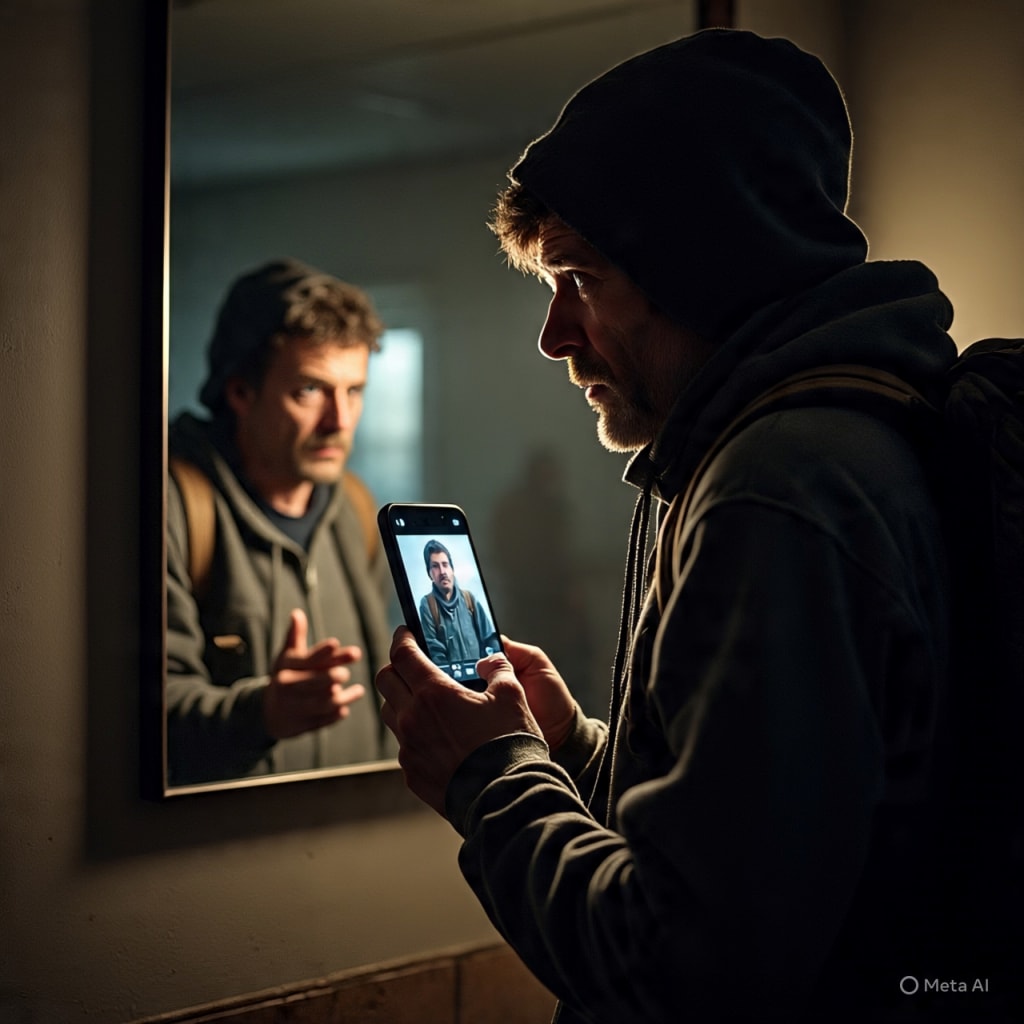
A new and strange trend on TikTok has caught the attention of millions. Users are creating fake photos of “homeless intruders” inside bedrooms, kitchens, or classrooms—using artificial intelligence—and then sending them to friends or family as a joke. The goal is to record their frightened reactions and post the clips online for views.
It sounds like harmless fun, but the results are not always funny. In some cases, people have called the police thinking a real person had broken into their home. Law enforcement in both the UK and the US has issued warnings, asking people to stop sharing this kind of content. The prank may begin as entertainment, but it can quickly turn into real fear and wasted emergency responses.
How the Prank Works
Most videos follow a similar pattern. Someone uses an AI image generator to create a picture of a person sitting or lying inside their home. The image is realistic—dim lighting, casual clothes, and believable background details make it hard to tell it’s fake. They then send the image to a family member with a message like “Who is this in our living room?” and record the panicked reaction that follows.
Some viewers laugh, while others point out how easily technology can trick the human eye. It raises an important question: if AI can create such convincing scenes, how will we know what’s real in the future?
Why It Went Viral
The prank spread quickly because it combines emotion and surprise. Viewers are shocked, amused, or even annoyed—all reactions that drive more engagement online. On social media, emotional content travels faster than calm information. The stronger the feeling, the faster it spreads.
This is not the first time TikTok trends have sparked concern. From dance challenges to dangerous stunts, the platform often walks the line between creativity and risk. But what makes this trend different is the use of artificial intelligence—a tool that can create false images faster than anyone can fact-check them
The Real Issue Behind the Prank
The “homeless intruder” trend is about more than jokes; it’s about trust in what we see online. In the past, people questioned photos edited in Photoshop. Now, AI can produce entire scenes that never happened. Anyone can make them in seconds with free apps.
Experts in digital safety say this is a turning point. The prank shows how easily fake images can cause real emotions—fear, anger, confusion—and how social platforms can spread misinformation even when the intent isn’t political or malicious. The risk is not just about this trend, but about a future where anyone can create false “proof” of anything.
What Platforms and Users Can Do
TikTok and other social media sites are being asked to review AI-generated content more closely. But moderation is difficult because the line between creativity and harm is thin. Platforms can encourage users to label AI-generated images and promote awareness campaigns about online safety.
Users, too, play a role. Before sharing, reacting, or recording a response, it helps to pause and think: “Could this be fake?” or “What if someone takes this seriously?” Social media is built on speed, but responsible sharing requires slowing down.
The Takeaway
Technology keeps changing how we communicate, laugh, and connect. The “homeless intruder” trend is a reminder that tools like AI are powerful—they can make art, tell stories, or create fear. What matters is how we use them.
A good rule for everyone online: if something feels too strange to be real, it probably isn’t. Double-check before reacting. The internet moves fast, but staying calm and informed is the best way to keep control of what we see and share.
About the Creator
Saad
I’m Saad. I’m a passionate writer who loves exploring trending news topics, sharing insights, and keeping readers updated on what’s happening around the world.
Ludacris and Nelly draw backlash over bookings at MAGA-coded music festival
Ludacris and Nelly headlining a mostly right-wing event is good for them. It’s also great for the genre of hip hop. The two rap veterans have showcased their talents on other stages. Why can’t they perform for mostly MAGA folks and grab that bag?
By Skyler Saunders4 days ago in Beat
Top Underground Rappers in 2026 You Need to Know
The definition of “underground rapper” has changed. In 2026, the underground is no longer a place artists sit while waiting to be discovered. It’s where many of the most effective careers are being built—intentionally. These artists aren’t invisible. They’re independent, data-aware, and often outperforming signed acts in engagement, consistency, and long-term value.
By RapRadarDigest7 days ago in Beat




Comments
There are no comments for this story
Be the first to respond and start the conversation.