Vikas Singh
Bio
Vikas is the Chief Technology Officer (CTO) at Brilworks, leads the company's tech innovations with extensive experience in software development. He drives the team to deliver impactful digital solutions globally.
Stories (107)
Filter by community
How Much Does It Really Cost to Build an App in 2025?
Building a mobile app is a significant investment, but how much does it actually cost? Whether you’re a startup looking to develop a simple app or a business aiming for something more complex, understanding the costs involved is essential. The mobile app development landscape has evolved over the years, and so have the expenses that come with it.
By Vikas Singh12 months ago in Journal
8 Essential Tips for Effective Mobile Application Maintenance
Launching a mobile app is just the beginning. Once your app is live, the real work starts: ensuring it remains functional, secure, and relevant. Mobile app maintenance plays a crucial role in keeping your app up to date, fixing bugs, and enhancing its performance. It’s not just about adding new features; it’s about continually improving the user experience and meeting their evolving needs. Ongoing maintenance keeps your app competitive and ensures user engagement, even as new app development trends emerge.
By Vikas Singh12 months ago in Journal
What’s Next? 10 Trends Driving Mobile App Development in 2025
The mobile application development field continues to boom based on constant innovation. The high rate of change in technology and the changing needs of users create a need to constantly update anyone entering this field on all the latest mobile application trends. In 2024 alone, mobile apps generated over $522 billion in revenue, highlighting their immense impact on businesses and consumers. And it is forecasted to reach higher in 2027.
By Vikas Singhabout a year ago in Journal
Top React Native Features Startups Should Explore in 2025
Is react native good to use for a startup? If you’re building an app with limited resources, tight deadlines, and the need for scalability, the answer is yes. React Native app development has become a top choice for startups because it offers a balance of efficiency, flexibility, and performance that’s hard to match.
By Vikas Singhabout a year ago in Journal
React Native vs Native Development: Pros and Cons
Two decades ago, mobile apps were written in native languages. Android was written in Java, and iOS used Swift. Though there were cross-platform development frameworks available at that time, they were not as popular as they are today. That is until React Native came along and completely changed the mobile app development scene. Developed by a team at Meta (formerly Facebook), it took cross-platform development to the next level.
By Vikas Singhabout a year ago in Journal
Building High-Performance React Native Apps
React Native has become a trusted framework for developers who want to build apps for both Android and iOS without juggling separate codebases. Its flexibility, backed by a large community and continuous updates, makes it a popular choice for startups and enterprises alike. However, as apps grow in complexity and user base, maintaining seamless performance becomes a critical challenge.
By Vikas Singhabout a year ago in Journal
AI vs. Traditional Software Development
You’ve probably noticed a shift in how software is being developed. On one side, we have traditional software development—well-structured, predictable, and efficient. On the other, there’s AI development, an approach that’s not just about writing code but about training models to make decisions, adapt, and improve on their own.
By Vikas Singhabout a year ago in Journal
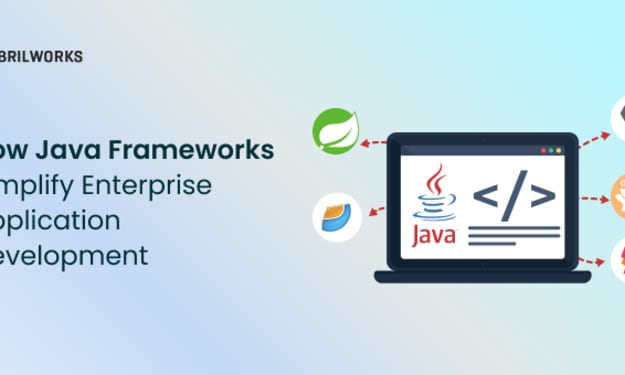
Streamlining Enterprise Application Development with Java Frameworks
Building enterprise applications often feels like assembling a complex puzzle. There’s the challenge of ensuring scalability, integrating with existing systems, and maintaining tight security—all while trying to meet demanding deadlines. Java frameworks play a crucial role in simplifying this process, offering a structured approach that makes development smoother.
By Vikas Singhabout a year ago in Journal
What You Need to Know About Java Packages
Java packages were created to help organize and manage large amounts of code. When software became more complex, developers needed a way to keep things organized. Packages group similar classes and interfaces together, making it easier to find and use them. This also helps avoid naming problems, where two classes might have the same name.
By Vikas Singhabout a year ago in Journal
What’s Changed in Java Versions: New Features and Deprecation
Java's Journey Through Time Java has been around for over two decades, powering robust applications across industries. It has consistently ranked as one of the most popular programming languages for building enterprise-grade applications. With the release of Java 23 and the end of support for Java 11, modern development now requires Java 17 as the baseline or newer versions.
By Vikas Singhabout a year ago in Journal