MusicIndustry123
Bio
Stories (178)
Filter by community
Content ID Claims vs. Copyright Strikes: What's the Difference?. AI-Generated.
n the ever-evolving world of digital content creation, it's common to encounter terms like "Content ID claims" and "copyright strikes," especially if you're sharing videos, music, or other media on platforms like YouTube. For many new creators, these terms can be confusing, and it’s essential to understand how they differ because the consequences of each can vary significantly. A "Content ID claim" is an automated notice issued by a platform when its system detects copyrighted material in your uploaded content. A copyright strike, on the other hand, is a much more serious issue, usually involving manual action by the copyright holder. This article will explore the key differences between Content ID claims and copyright strikes, helping creators understand their implications, how to handle them, and best practices for avoiding them altogether.
By MusicIndustry123about a year ago in Education
Top 5 Reasons to Use Instagram Story Lyrics (And How to Do It). AI-Generated.
Instagram Stories have transformed the way we share our daily lives, allowing users to be more expressive and creative. Among the many interactive features, adding music and lyrics has become particularly popular. This option allows you to display the lyrics of a song directly on your story, adding a new level of engagement and personalization to your content. But why has this feature gained so much traction, and how can you use it to your advantage? If you've ever wondered how to add lyrics on Instagram story, or why you should even consider it, this article will cover everything you need to know.
By MusicIndustry123about a year ago in Education
Music Contracts Demystified: A Beginner’s Guide for New Musicians. AI-Generated.
For many new musicians, entering the world of the music industry can be both exciting and overwhelming. From recording your first track to collaborating with other artists and seeking out promotional opportunities, there’s a lot to consider. However, amid all the creative processes, one crucial aspect that often gets overlooked is the legal protection of your music. Without proper legal safeguards, you risk losing control over your work, missing out on revenue, and even facing legal disputes. This is why protecting your music with proper contracts is so vital, especially for those just starting out in the industry.
By MusicIndustry123about a year ago in Education
Performing Rights vs. Mechanical Rights: A Comprehensive Breakdown for Music Producers. AI-Generated.
Music producers play a pivotal role in shaping the sound of a track, but their responsibilities often extend beyond the studio. Understanding the financial and legal aspects of the music industry is crucial, especially when it comes to how royalties are distributed. Two of the most important and frequently misunderstood components of music rights are Performing Rights vs. Mechanical Rights. Knowing the differences between these rights can significantly impact how producers earn money from their work. Performing rights involve royalties collected when music is played publicly, such as on the radio, in a live concert, or streamed online. Meanwhile, mechanical rights pertain to the reproduction of music, such as when tracks are downloaded or included on physical media like CDs or vinyl. For music producers, navigating these rights effectively can lead to a more profitable and sustainable career. In this comprehensive guide, we will delve into the details of performing rights vs. mechanical rights, how each applies to music production, and why it’s essential for producers to understand them.
By MusicIndustry123about a year ago in Education
Decoding Apple Music’s Payout Formula: A Guide for Songwriters and Composers. AI-Generated.
As the music industry continues to evolve, the ways in which songwriters and composers earn revenue have also transformed, with streaming now being a major source of income. For many, Apple Music has become a vital platform, providing access to millions of listeners worldwide. However, the mechanics behind how Apple Music pays songwriters and composers can be confusing, with various factors influencing how much you actually earn from each stream. In this article, we will decode Apple Music's payout formula, break down the key elements that determine royalties, and offer practical tips for songwriters and composers to optimize their earnings. Understanding this payment structure can empower creators to navigate the streaming ecosystem more effectively, ensuring they receive their fair share for their work.
By MusicIndustry123about a year ago in Education
Mechanical Royalties Explained: Apple Music’s Payout Structure for Songwriters. AI-Generated.
Introduction: For songwriters, earning revenue from their music is more accessible than ever, thanks to the rise of digital streaming platforms like Apple Music. However, with this accessibility comes a need for a deeper understanding of how different types of royalties work. One critical revenue stream for songwriters and music publishers is mechanical royalties. Whenever a song is reproduced or distributed—whether as a physical copy or through a digital stream—songwriters are entitled to mechanical royalties. With millions of users streaming music on Apple Music daily, this platform has become a major source of income for artists worldwide. In this article, we will break down Apple Music’s payout structure for mechanical royalties, clarify what you need to know to get paid accurately, and offer tips on how to maximize your earnings from streaming.
By MusicIndustry123about a year ago in Education
ISRC Codes: The Backbone of Music Distribution. AI-Generated.
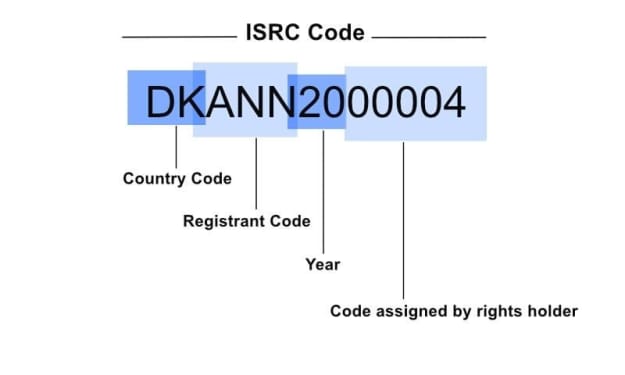
Ever wondered how your favorite songs are tracked across streaming platforms, radio stations, and even TV? The answer lies in a little-known yet immensely important tool called the International Standard Recording Code (ISRC). In the fast-paced digital age, where music is consumed globally across various platforms, ensuring that every play, stream, and download is accounted for is critical for both major and independent artists. This is where the importance of ISRC codes shines. ISRC codes serve as unique digital identifiers for each individual recording, allowing for easy tracking and management across different distribution channels. For any artist, understanding the role of ISRC codes is not just beneficial—it is essential for the efficient and effective distribution of music in today’s interconnected world.
By MusicIndustry123about a year ago in Education
The Role of Producers in Music Collaborations: Behind the Scenes. AI-Generated.
In the music industry, collaborations are often celebrated for their creativity and the magic that happens when two or more artists come together. However, the crucial role of the producer in these collaborations is frequently overlooked. While artists are the face of the music, it’s the producers who are quietly working behind the scenes, ensuring that the collaboration runs smoothly and results in a cohesive and polished final product. Producers act as the mediators, the technical experts, and the sonic architects, blending different styles and visions to craft something unique. Their ability to manage the creative process, navigate the technical challenges, and bring out the best in both parties is what often makes a collaboration successful. Understanding the power of collaboration in the music industry requires a closer look at how producers play a central role in shaping not just the sound, but the overall outcome of these partnerships.
By MusicIndustry123about a year ago in Education
How Free Music Distribution Empowers New Artists. AI-Generated.
Breaking into the music industry has never been easy, but the rise of free music distribution is providing a lifeline for new and struggling artists. Traditionally, musicians needed to secure record deals, which meant impressing gatekeepers in an industry dominated by major labels. This often created barriers for talented individuals without industry connections or financial backing. Now, however, anyone can release their music globally at the click of a button, thanks to platforms offering free distribution. By using these services, new artists have a real chance to make their mark in the music world, building their careers and fanbase from the ground up.
By MusicIndustry123about a year ago in Education
Understanding the 1,000 Streams Rule on Spotify: What Artists Need to Know. AI-Generated.
In the age of streaming, Spotify has transformed the way artists share their music with the world. For independent musicians, it offers a golden opportunity to bypass traditional industry gatekeepers and connect directly with fans. But while the platform offers immense potential, success doesn’t happen overnight. One of the first and most critical milestones for any emerging artist is reaching the 1,000 streams mark.
By MusicIndustry123about a year ago in FYI