
Mechanical Royalties Explained: Apple Music’s Payout Structure for Songwriters
Mechanical Royalties Explained

Introduction: For songwriters, earning revenue from their music is more accessible than ever, thanks to the rise of digital streaming platforms like Apple Music. However, with this accessibility comes a need for a deeper understanding of how different types of royalties work. One critical revenue stream for songwriters and music publishers is mechanical royalties. Whenever a song is reproduced or distributed—whether as a physical copy or through a digital stream—songwriters are entitled to mechanical royalties. With millions of users streaming music on Apple Music daily, this platform has become a major source of income for artists worldwide. In this article, we will break down Apple Music’s payout structure for mechanical royalties, clarify what you need to know to get paid accurately, and offer tips on how to maximize your earnings from streaming.
1. What Are Mechanical Royalties?
Mechanical royalties are payments made to songwriters, composers, and music publishers whenever a song they have written is reproduced. Historically, this included sales of vinyl records, CDs, and cassettes. In today’s digital age, mechanical royalties also cover digital downloads and streams. Whenever your song is streamed on Apple Music, you are entitled to receive a portion of the revenue generated by that stream, which is paid out as a mechanical royalty.
The term "mechanical" originates from the early days of music, where songs were mechanically reproduced on piano rolls. Though the technology has evolved, the concept of compensating songwriters for the reproduction of their work remains the same. With the shift from physical sales to digital streaming, understanding how mechanical royalties work on platforms like Apple Music is crucial for artists looking to build sustainable careers.
2. Apple Music’s Payment Model for Mechanical Royalties
Apple Music operates on a subscription-based model, where users pay a monthly fee to access millions of songs. Part of this subscription revenue is allocated to royalties, which are then paid out to rights holders, including songwriters who earn mechanical royalties. Unlike traditional radio, where artists earn performance royalties every time a song is played, streaming services like Apple Music pay both performance and mechanical royalties based on the number of times a song is streamed.
Apple Music calculates mechanical royalties through a "pro-rata" system. Here’s how it works:
Revenue Pooling: Apple Music pools all the revenue earned from subscriptions and advertising during a given period.
Stream Share: Each song's share of the total streams on the platform determines how much revenue is allocated to that song. The more streams your song gets, the higher your share of the revenue pool.
Payout Distribution: The revenue allocated to each song is then divided into performance and mechanical royalties. Apple Music ensures that songwriters receive their due share as part of this distribution.
Understanding this payout model is essential, as it means that your earnings are directly tied to the popularity and frequency of your music streams on Apple Music.
3. The Importance of Proper Song Registration
To receive mechanical royalties from Apple Music, it is crucial to have your songs registered correctly. This means ensuring that your compositions are registered with a performing rights organization (PRO) like ASCAP, BMI, or SESAC, as well as a mechanical rights organization or publisher. These organizations are responsible for tracking and collecting royalties on your behalf.
Proper registration ensures that your songs are correctly identified when streamed on Apple Music, allowing you to receive the mechanical royalties you are entitled to. Incorrect or incomplete registration can result in unclaimed royalties, leading to lost income. Always double-check that your metadata, including song titles, writer names, and publisher information, is accurate and up to date.
4. How Mechanical Royalties Are Split
The distribution of mechanical royalties can sometimes be complex, especially if there are multiple songwriters or publishers involved. Typically, mechanical royalties are split based on the agreements made between co-writers and publishers. Here’s a general breakdown:
Songwriters: If a song has multiple writers, the mechanical royalties are split according to the percentage agreed upon in the songwriting contract.
Publishers: Publishers manage the administration and collection of mechanical royalties. In return, they take a share of the royalties before paying the rest to the songwriters.
Performance Rights Organizations (PROs): Although PROs primarily handle performance royalties, they often work alongside mechanical rights organizations to ensure comprehensive royalty tracking.
5. The Difference Between Mechanical and Performance Royalties
It’s easy to confuse mechanical royalties with performance royalties, but they serve different purposes. Performance royalties are paid to songwriters and publishers when a song is played publicly, such as on the radio, in a store, or during a live concert. Mechanical royalties, on the other hand, are paid whenever a song is reproduced, which includes digital streaming on platforms like Apple Music.
. How to Ensure You Receive Mechanical Royalties from Apple Music
To maximize your earnings from mechanical royalties on Apple Music, here are a few essential steps you need to follow:
Work with a Reliable Music Publisher: A music publisher will handle the administration of your compositions, making sure they are properly registered and that all mechanical royalties are collected. They also ensure that your songs are registered with all necessary collection societies worldwide.
7. Maximizing Your Mechanical Royalties on Apple Music
Simply having your music available on Apple Music isn’t enough to maximize your mechanical royalties—you need to actively promote your tracks and grow your listener base. Here are some strategies to consider:
Promote Your Music on Social Media: Use platforms like Instagram, Twitter, and TikTok to share clips of your songs, behind-the-scenes content, and promotional materials that can drive more streams on Apple Music.
8. The Future of Mechanical Royalties on Apple Music
As the music industry continues to evolve, so does the way mechanical royalties are managed and paid out. In recent years, initiatives like the Music Modernization Act (MMA) have made it easier for digital platforms, including Apple Music, to handle mechanical royalties more transparently. This has led to quicker and more accurate payments for songwriters and publishers.
Conclusion: Navigating the world of mechanical royalties and Apple Music can be complex, but understanding how the payout system works is crucial for songwriters, composers, and publishers looking to earn income from their music. By ensuring your songs are properly registered, choosing reliable partners, and actively promoting your music, you can maximize your earnings from streams on Apple Music. The future of mechanical royalties appears bright, with ongoing improvements in how royalties are tracked and paid, promising even more opportunities for songwriters to earn from their creative work.
About the Creator
Keep reading
More stories from MusicIndustry123 and writers in Education and other communities.
ISRC Codes: The Backbone of Music Distribution
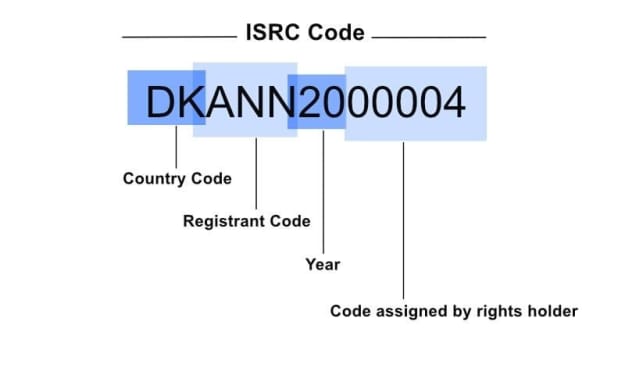
Ever wondered how your favorite songs are tracked across streaming platforms, radio stations, and even TV? The answer lies in a little-known yet immensely important tool called the International Standard Recording Code (ISRC). In the fast-paced digital age, where music is consumed globally across various platforms, ensuring that every play, stream, and download is accounted for is critical for both major and independent artists. This is where the importance of ISRC codes shines. ISRC codes serve as unique digital identifiers for each individual recording, allowing for easy tracking and management across different distribution channels. For any artist, understanding the role of ISRC codes is not just beneficial—it is essential for the efficient and effective distribution of music in today’s interconnected world.
By MusicIndustry123about a year ago in Education
9 Consistency Guarantees Fiber Channel Brings to Storage
Storage networks face constant pressure to deliver rock-solid performance. Your data needs to flow without interruption. Your applications demand reliability at every moment. This is where Fiber Channel steps in as your trusted ally.
By Olivia Barn4 days ago in Education
A Complete Guide to Monitoring and Automating Managed Infrastructure Performance
Modern IT environments are complex, fast-moving, and unforgiving. If your systems slow down, fail, or scale poorly, the business pays the price. That’s why monitoring and automation are not optional—they are survival tools in Managed Infrastructure.
By Prateek Sharma3 days ago in Education


Comments
There are no comments for this story
Be the first to respond and start the conversation.