Jullian Lee
Bio
Stories (1)
Filter by community
Decode Life: A Fast-Track Guide to DNA Structure & Replication - Crash Course Biology
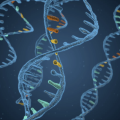
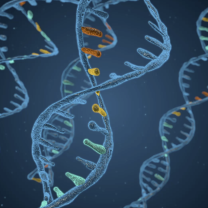
DNA serves as the ultimate blueprint for creating and maintaining the human body. It holds all the necessary information for the functioning of every living organism. Within each organism are trillions of cells, each requiring its own copy of this extensive manual. Printing out the 3 billion letters of genetic code within DNA would result in hundreds of thousands of pages. The recent completion of sequencing the human genome in 2022 marks a significant milestone in scientific history. This breakthrough could lead to a better understanding of various aspects, such as human similarities and differences with other species, individual responses to medications, and more effective treatments for diseases like cancer. Let's delve into the composition of DNA, made up of nucleotides containing a sugar molecule, a phosphate group, and one of four nitrogen-containing bases. These nucleotides combine to form the iconic double helix structure of DNA, resembling a twisted ladder. The sugar-phosphate backbones and nucleotide bases play crucial roles in DNA's structure and function. The pairing of adenine with thymine and guanine with cytosine, connected by hydrogen bonds, is essential in maintaining a healthy DNA strand. These four bases, A, T, C, and G, make up the genetic code's alphabet, determining individual characteristics and traits. The specific sequence of these bases in DNA distinguishes one organism from another. The genetic information stored in DNA is organized into chromosomes, coiled around proteins within the cell nucleus. Virtually every cell in the human body contains a complete set of chromosomes with the genetic blueprint encoded in DNA.
By Jullian Lee2 years ago in Humans