Javed Khan
Bio
Writer of educational articles, world news, and inspiring stories. Dedicated to sharing knowledge that informs, empowers, and encourages positive thinking.
Stories (19)
Filter by community
Bill Gates: From Software Pioneer to Global Philanthropist
Introduction Bill Gates is among the most remarkable figures of the modern technological age. Known globally as the co-founder of Microsoft and one of the world’s richest individuals, his journey goes far beyond business and wealth. Born on October 28, 1955, in Seattle, Washington, Gates helped bring computers into homes and offices around the world. Later, he transformed himself from a tech pioneer into a global philanthropist, focusing on solving real-world problems such as poverty, education, and public health.
By Javed Khan 4 months ago in History
Global Sumud Flotilla: When Humanity Sails for Gaza
The Global Sumud Flotilla is a recent international humanitarian effort aimed at delivering relief supplies to Gaza and drawing attention to the severe humanitarian crisis affecting its population. More than just delivering aid, this flotilla represents global solidarity, moral responsibility, and the resolve of ordinary people to act when others remain silent.
By Javed Khan 5 months ago in Humans
The First World War: Causes, Battles, and Lasting Consequences
Introduction World War I, also called the First World War or the Great War, remains one of the most significant events in modern history. It began on July 28, 1914, and ended on November 11, 1918. This conflict drew in the world’s most powerful nations, split into two opposing coalitions: the Allies (including Britain, France, Russia, Italy, and later the United States) and the Central Powers (Germany, Austria-Hungary, the Ottoman Empire, and Bulgaria).
By Javed Khan 5 months ago in History
The Origins of Cricket: From Village Greens to a Global Sport
Cricket is one of the most popular sports in the world. Today, it is played across continents by millions of players and watched by billions of fans. But the game’s roots go back several centuries. In this article, we will explore where cricket began, its basic rules, how players get out, and why it has become a truly global sport.
By Javed Khan 6 months ago in Education
Nepal’s Turning Point: Youth Protests, Political Collapse, and the Struggle for Reform
In recent weeks, Nepal has been facing one of the most intense political and social crises in its modern history. What started as a series of anti-corruption protests led mainly by young people has now grown into a nationwide movement that has shaken the country’s leadership and institutions. With the resignation of Prime Minister KP Sharma Oli and a rapidly rising death toll, Nepal stands at a critical turning point.
By Javed Khan 6 months ago in History
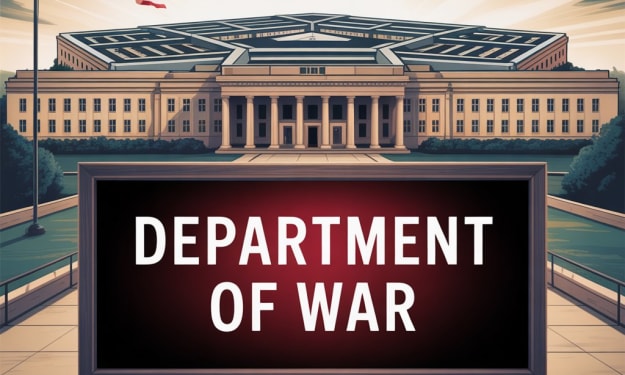
From Defense to War: The Symbolism Behind America’s Renaming Decision
.In recent days, reports surfaced that former U.S. President Donald Trump approved a symbolic decision to rename the Department of Defense as the Department of War. While this change may appear to be a simple alteration of terminology, it carries profound implications for how America views its military role in the world and how global audiences perceive U.S. policy. The renaming has sparked debate about history, symbolism, and the future direction of U.S. defense strategy.
By Javed Khan 6 months ago in History
When Silence Speaks: The Diplomatic Rift Between the U.S. and India
art writing...In the world of international diplomacy, communication plays a central role in maintaining trust and cooperation between nations. Recent reports from German and Indian media outlets revealed that Indian Prime Minister Narendra Modi avoided four phone calls from former U.S. President Donald Trump during a period of growing trade tensions. This unusual diplomatic development has raised questions about the stability of U.S.-India relations and what such actions might mean for future cooperation between two of the world’s largest democracies.
By Javed Khan 6 months ago in Education
Tesla’s Electric Revolution: How Elon Musk’s Cars Are Transforming Transportation
The automotive industry has gone through dramatic changes over the past century. For decades, petrol-powered cars dominated the roads, shaping economies, cultures, and industries worldwide. However, the growing concerns about air pollution, rising fuel prices, and climate change have inspired a shift toward cleaner and more sustainable transportation solutions. Leading this change is Elon Musk, the visionary entrepreneur behind Tesla, one of the world’s most influential electric vehicle (EV) companies. Tesla’s electric vehicles, manufactured in state-of-the-art factories often called Gigafactories, are redefining how we view cars, energy, and technology. These factories do more than assemble vehicles; they symbolize a global movement toward innovation and environmental responsibility. Let’s explore how Tesla’s electric cars differ from traditional petrol cars, their benefits, and why Musk’s factories are central to this revolution. Tesla’s Gigafactories: Where Electric Cars Are Born Tesla’s Gigafactories are some of the most advanced vehicle production facilities in the world. The term “Giga” reflects their massive scale, as these factories not only produce cars but also manufacture batteries, solar panels, and clean energy storage systems. Key facilities include: Gigafactory Nevada: Specializes in battery and energy product manufacturing. Gigafactory Shanghai: One of Tesla’s largest vehicle production plants, serving the global market. Gigafactory Texas: Tesla’s headquarters and the home of Cybertruck production. Gigafactory Berlin-Brandenburg: Focused on delivering vehicles to Europe with a sustainable production process. Unlike traditional car factories, Tesla integrates cutting-edge robotics, artificial intelligence, and renewable energy to assemble cars and batteries, significantly reducing environmental impact. Electric Cars vs. Petrol Cars: A Clear Comparison To understand Tesla’s impact, we need to compare electric cars to traditional petrol-powered vehicles: FeaturePetrol CarsElectric Cars (Tesla) Fuel SourceGasoline or dieselElectricity (battery-powered) Environmental ImpactProduces CO₂ emissions and air pollutantsZero tailpipe emissions MaintenanceFrequent oil changes, engine repairsFewer moving parts, lower maintenance costs Running CostsExpensive fuel and maintenanceLower cost per mile, cheaper to charge PerformanceTraditional engines, slower accelerationInstant torque, faster acceleration NoiseEngine noiseNear-silent driving Electric cars are not only environmentally friendly but also technologically advanced, offering features such as autonomous driving assistance, over-the-air software updates, and enhanced safety systems. The Benefits of Tesla’s Electric Cars Tesla’s electric vehicles come with several advantages that are reshaping the global auto market: 1. Environmentally Sustainable Tesla cars run entirely on electricity, meaning they produce no exhaust emissions. When paired with renewable energy sources, they can operate almost entirely carbon-free. This makes them an excellent alternative for countries seeking cleaner energy solutions. 2. Cost Savings Although electric vehicles may have a higher purchase price, they save owners money in the long term. Charging costs are significantly lower than buying petrol, and the vehicles require fewer mechanical repairs because they lack complex engines. 3. Advanced Technology Tesla is known for innovations like Autopilot, a semi-autonomous driving system that improves safety, and over-the-air updates that add new features remotely. These updates ensure Tesla cars remain modern even years after purchase. 4. Energy Independence Electric vehicles reduce reliance on oil and gasoline imports, promoting energy independence. In regions with solar power, Tesla owners can even charge their vehicles at home using solar panels, making transportation nearly free. 5. Performance and Comfort Tesla cars are built for both efficiency and performance. Many models can accelerate faster than sports cars while offering a smooth, quiet driving experience. Why Tesla’s Factories Are So Important Tesla’s factories are more than just car assembly plants; they are innovation hubs. They focus on: Battery Research: Tesla is constantly developing better battery technology to improve range, affordability, and charging speed. Sustainable Manufacturing: Gigafactories are designed to use renewable energy sources, reducing their carbon footprint. Global Accessibility: By building factories in different continents, Tesla can lower production costs and make electric vehicles available to more people worldwide. These factories also create thousands of jobs and support local economies, demonstrating that sustainable technology can drive both innovation and economic growth. The Future of Transportation As Tesla continues to grow, more people are embracing electric vehicles. Governments are also encouraging this shift by providing incentives and building charging infrastructure. Many car manufacturers are now investing heavily in electric models, showing that Musk’s vision has influenced the entire industry. The future may bring even longer battery ranges, faster charging times, and self-driving capabilities. With Tesla at the forefront, electric cars are becoming not only a symbol of progress but also a practical choice for everyday drivers. Conclusion Elon Musk’s Tesla has revolutionized transportation with its commitment to electric vehicles and sustainable energy solutions. By replacing petrol-powered cars with advanced electric alternatives, Tesla is reducing pollution, lowering fuel costs, and proving that clean technology can be both practical and profitable. Tesla’s Gigafactories are at the heart of this movement, driving innovation and shaping a future where sustainable transportation becomes the global standard.
By Javed Khan 6 months ago in Education
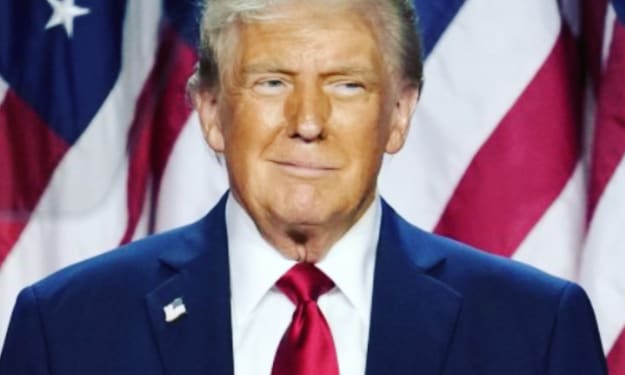
Donald Trump: From Business to the White House
Introduction Donald John Trump is one of the most recognized figures in modern American history. Known as a businessman, television personality, and the 45th President of the United States, his career has combined business, media, and politics in unique ways. This article provides an educational overview of Trump’s early life, business career, political rise, presidency, and legacy, with the aim of understanding his impact on American society and global politics. Early Life and Education Donald Trump was born on June 14, 1946, in Queens, New York City. He was the fourth of five children of Fred Trump, a successful real estate developer, and Mary Anne MacLeod Trump. Trump attended the New York Military Academy during his teenage years, where he was noted for his leadership skills. Later, he studied economics at the Wharton School of the University of Pennsylvania, graduating in 1968. Business Career After completing his education, Trump joined his father’s real estate company. By the 1970s, he had taken over the business, renaming it the Trump Organization. He expanded its operations into large-scale projects, including hotels, casinos, and office towers. Some of his most famous developments include Trump Tower in New York City and various resorts in Atlantic City. Trump also became well-known as a media personality. In 2004, he began hosting the television show The Apprentice, which further increased his fame and gave him a reputation as a tough businessman. His business career, however, was not without controversy. Several of his ventures faced bankruptcies, but Trump maintained a strong personal brand. Entry into Politics Although Trump had spoken about politics for decades, he formally entered the political arena in 2015 when he announced his candidacy for president. Running as a Republican, he focused on issues like immigration, trade, and American jobs. His slogan, “Make America Great Again”, became widely known. 2016 Presidential Election In 2016, Trump ran against Democratic candidate Hillary Clinton. Despite many experts predicting his loss, Trump won the Electoral College and became the 45th President of the United States. His victory marked a major political shift, as he positioned himself as an outsider to traditional politics. Presidency (2017–2021) During his presidency, Trump implemented several key policies. His administration focused on tax cuts, deregulation, and reshaping the U.S. Supreme Court with conservative judges. He also emphasized a strong stance on border security, introduced trade policies favoring American industries, and pursued changes in healthcare and immigration laws. In foreign policy, Trump’s administration made historic moves, such as engaging directly with North Korea, renegotiating trade agreements like NAFTA (replaced by USMCA), and recognizing Jerusalem as the capital of Israel. His presidency was also marked by tensions with China and efforts to reduce U.S. involvement in long-term overseas conflicts. Impeachments and Challenges Trump’s presidency faced two impeachments by the House of Representatives. The first, in 2019, was related to his dealings with Ukraine. The second, in 2021, followed the events at the U.S. Capitol. In both cases, he was acquitted by the Senate. These events made him the first U.S. president to be impeached twice. Post-Presidency Role After leaving office in January 2021, Trump remained active in American politics. He continued to influence the Republican Party and announced his intention to run again for president in the 2024 election. His supporters see him as a leader who challenges political traditions, while his critics remain opposed to his style of leadership. Legacy and Impact Donald Trump’s impact on American politics is undeniable. He reshaped the Republican Party, inspired new political debates, and left a lasting mark on domestic and international policies. Whether praised or criticized, his influence continues to be a central topic in political discussions. Conclusion Donald Trump’s journey from a businessman to the presidency highlights the complex relationship between media, business, and politics in the United States. His career demonstrates how personal branding, public communication, and determination can shape a political path. For students, researchers, and anyone interested in modern history, studying Trump offers valuable insights into leadership, controversy, and the evolving nature of democracy.
By Javed Khan 6 months ago in Education
Artificial Intelligence: Unlocking the Future of Human Innovation
Artificial Intelligence (AI) is one of the most transformative innovations of the modern era. From voice assistants in smartphones to advanced medical systems, AI is rapidly becoming part of our daily lives. But what exactly is AI, and why is it considered such a powerful force in shaping the future? This article explores the concept of AI, its applications, benefits, challenges, and what lies ahead. What is Artificial Intelligence? Artificial Intelligence refers to the ability of machines to perform tasks that normally require human intelligence. These tasks include problem-solving, decision-making, understanding language, recognizing patterns, and even learning from experience. Unlike traditional computer programs that follow fixed instructions, AI systems are designed to adapt and improve over time. There are two main types of AI: 1. Narrow AI – designed for specific tasks, such as search engines, translation tools, or chatbots. 2. General AI – a theoretical form of AI that could perform any intellectual task like a human. This type is still in research and does not exist yet. How AI Works AI systems rely on a combination of algorithms, data, and computing power. Machine Learning (ML), a subset of AI, allows machines to learn patterns from large datasets without being explicitly programmed. Deep Learning, which uses artificial neural networks, has made remarkable progress in areas like image recognition and speech processing. For example, when you type a message on your phone and predictive text suggests the next word, that’s AI at work. Similarly, when streaming platforms recommend movies or shows, they are using AI to analyze your preferences. Applications of AI AI is already being used in countless industries: Healthcare – AI assists in diagnosing diseases, analyzing medical scans, and even predicting patient risks. Education – Personalized learning platforms help students learn at their own pace. Business – Companies use AI for customer service chatbots, fraud detection, and data analysis. Transportation – Self-driving cars are being developed using AI technologies to improve road safety. Agriculture – AI-driven machines help farmers monitor crops, detect pests, and improve yield. Daily Life – From smart home devices to digital assistants like Siri or Alexa, AI is everywhere. Benefits of AI The benefits of AI are vast and undeniable. It improves efficiency, reduces human error, and saves time. In healthcare, AI can help doctors detect diseases early, potentially saving lives. In business, AI helps organizations make smarter decisions by analyzing huge amounts of data. For individuals, AI makes daily tasks more convenient and accessible. AI also has the potential to create new job opportunities in fields like data science, AI development, and robotics engineering. Just as previous technologies created new industries, AI is expected to do the same. Challenges and Concerns Despite its advantages, AI also presents challenges: Job Displacement – Some worry that automation could replace human workers in certain industries. Bias in AI – If AI is trained on biased data, it can produce unfair results. Privacy Issues – AI systems that process personal data raise concerns about how that information is used. Dependence on Technology – Relying too much on AI may reduce critical thinking and problem-solving skills in humans. Addressing these challenges requires careful regulation, ethical guidelines, and transparency in AI development. The Future of AI The future of AI is both exciting and uncertain. Researchers are working on making AI systems more reliable, ethical, and beneficial for society. We can expect AI to play a larger role in healthcare, education, business, and even space exploration. While some fear that AI could one day surpass human intelligence, most experts believe that with proper rules and safeguards, AI can be a powerful partner in building a better future. Conclusion Artificial Intelligence is more than just a technological trend; it is a revolution shaping how we live, work, and think. While it brings incredible opportunities, it also raises important questions about ethics, privacy, and human responsibility. The key is to use AI wisely—to enhance human potential, not replace it. If developed responsibly, AI has the power to make the world smarter, safer, and more connected.
By Javed Khan 7 months ago in Education
Trump and Putin Meet in Alaska: A New Chapter in Global Diplomacy
On August 15, 2025, the world’s attention turned to Alaska, where U.S. President Donald Trump and Russian President Vladimir Putin held an extraordinary summit. The meeting took place at the Joint Base Elmendorf–Richardson in Anchorage, one of the U.S. military bases geographically closest to Russia. This gathering was significant not only because of its location but also because of the sensitive political and diplomatic issues at stake, particularly the ongoing war in Ukraine and broader global relations. 🔵 Reception and Atmosphere The summit began with a formal welcoming ceremony. Both leaders were received on a red carpet, accompanied by a spectacular air show featuring the F-22 Raptor, F-35 Lightning II, and the B-2 Stealth Bomber. While this was officially a display of honor, many analysts interpreted it as a deliberate show of strength. What drew even more attention was that Trump and Putin appeared together before the press without translators, signaling an unusual effort to present unity and direct communication. Observers also noted the warmth with which Trump greeted Putin, in contrast to his relatively restrained interactions with Ukrainian President Volodymyr Zelensky in previous meetings. International media highlighted this difference extensively. 🔵 Key Talking Points The discussions lasted for nearly two and a half hours and focused on four major issues: 1. A possible ceasefire in Ukraine 2. The question of lifting or easing sanctions on Russia 3. The issue of NATO’s further expansion 4. Prospects for a new nuclear arms agreement President Trump stressed that he could not negotiate directly on behalf of Ukraine. He emphasized that any peace agreement would require Ukraine’s involvement. This position indicated that the U.S. was not seeking a quick fix under its own terms, but rather a longer process that included all parties. 🔵 Outcomes and Reactions No formal agreement was announced at the end of the meeting. Trump described the discussions as “highly productive,” while Putin called the summit “a success for diplomacy.” However, neither leader answered questions from the press, nor did they provide concrete details about future steps. According to American media outlets, the meeting gave Putin a renewed sense of legitimacy on the global stage, even though no substantial breakthroughs were achieved. Ukraine, on the other hand, expressed disappointment, stating that the summit had not delivered any real progress toward ending the war. 🔵 Military Show of Power and Concerns The military displays during the summit sparked debate. Some experts argued that showcasing advanced American aircraft in front of Russian officials risked revealing strategic secrets. Critics questioned whether the demonstration was a necessary part of diplomacy or primarily a symbolic gesture to reinforce U.S. strength. 🔵 The Road Ahead Trump suggested that a follow-up meeting could be held in Moscow, a prospect that raised eyebrows among analysts worldwide. If realized, such a move could open a new chapter in U.S.–Russia relations, signaling the possibility of continued dialogue despite ongoing conflicts. 🔵 Significance of the Meeting This summit carried multiple layers of significance: It marked Putin’s first visit to a Western country since the outbreak of the Ukraine war. It showed Trump’s desire to play a proactive role in international diplomacy. While immediate results were limited, the meeting underscored the fact that channels for dialogue remain open, even during times of deep conflict. 🔵Educational Value For students, teachers, and researchers in international relations, this event offers a valuable case study. It illustrates how power, military signaling, negotiations, and diplomacy intersect in shaping global politics. The meeting demonstrates that diplomacy is rarely about instant solutions; rather, it is a long process involving gradual steps, compromises, and sometimes symbolic gestures before any concrete agreements are achieved. 🔵Conclusion: The Alaska meeting between Trump and Putin will be remembered as an important moment in modern diplomatic history. Although it produced no immediate breakthroughs, it sent a crucial message: dialogue remains possible, even amid serious global tensions. The key question that now lingers is whether this summit was merely symbolic—or the first step toward genuine peace and cooperation.
By Javed Khan 7 months ago in History
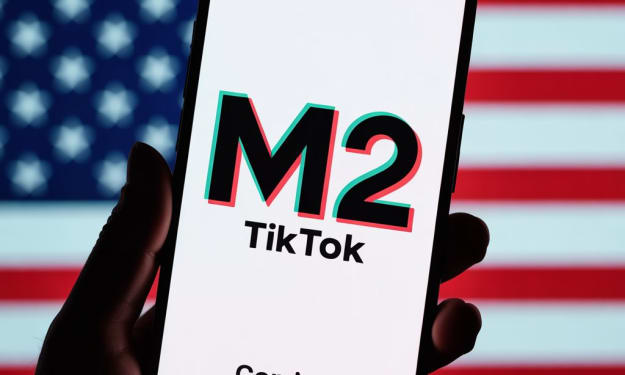
M2 TikTok: The New Era of Social Media in the U.S.
In the fast-changing world of social media, every innovation can shift the way people connect, share, and express themselves. The upcoming launch of M2 TikTok, scheduled for September 5th, marks one of the most significant changes in the platform’s history — especially for users in the United States. This new app version is not just an upgrade; it is a strategic move designed to address political, security, and cultural concerns while promising a fresh experience for millions of users. 🔵 What is M2 TikTok? M2 is the codename for a brand-new TikTok app built specifically for the U.S. market. Unlike the current global version of TikTok, M2 will operate with U.S.-based servers and its own unique code, potentially featuring a redesigned algorithm. This change comes amid growing pressure from U.S. lawmakers, who have raised concerns about data privacy and national security risks due to TikTok’s Chinese parent company, ByteDance. 🔵 Why is it launching now? The U.S. government has been considering a possible ban on TikTok unless ByteDance divests its U.S. operations. By creating M2, TikTok is offering a solution: a platform built for American users, managed under U.S. laws, and hosted on American servers. This move aims to satisfy national security requirements while preserving the app’s massive American user base. 🔵 Key Features and Potential Benefits M2 TikTok promises several advantages: 1. Improved Data Privacy: Storing user data on U.S.-based servers reduces concerns about foreign access to personal information. 2. Custom Algorithm: A new recommendation system could be designed to better align with American regulations and preferences. 3. Smoother Performance: With local infrastructure, the app may offer faster loading times and improved video quality. 4. Fresh User Experience: M2 could bring new editing tools, trending features, and an interface tailored to the U.S. audience. 🔵 Impact on Content Creators For creators, this transition could be both exciting and challenging. On one hand, M2 might offer better opportunities to reach American audiences and monetize content in new ways. On the other, it could require adjusting strategies to fit any new algorithm or content guidelines introduced in the app. 🔵 Economic and Cultural Significance TikTok is more than just a social media platform; it’s an economic engine for many small businesses, independent artists, and educators. The introduction of M2 could reshape digital marketing strategies in the U.S., giving brands more secure and locally managed advertising tools. Culturally, it will be fascinating to see whether M2 maintains the same global trends that made TikTok popular or evolves into a more uniquely American experience. 🔵 Challenges Ahead While M2’s launch is promising, it also raises questions. Will users need to download a separate app? How will their old TikTok data and followers transfer over? And will M2 actually win the trust of critics who have been calling for a complete ban? The answers will depend on how TikTok manages the transition and communicates its goals clearly to the public. 🔵 A New Chapter in Social Media History The debut of M2 TikTok could mark the start of a new chapter for short-form video in the United States. If successful, it might set a precedent for how global apps adapt to local laws and values. For users, this means more control over their data, potentially more relevant content, and a stronger sense of connection to a platform that truly operates within their own country. In a world where technology evolves faster than ever, M2 represents a careful balance between innovation and responsibility. It is a reminder that even in the age of global connectivity, local trust and ethical practices remain essential for digital success. As September 5th approaches, all eyes will be on TikTok to see if M2 can deliver on its promises and lead the way into a safer, more user-focused future.
By Javed Khan 7 months ago in Education