Isaac Ekow Anyidoho
Bio
A calm person with a cascading mind filled with ideas of my own and know that; I can make a difference with the support of people like you. Thank you.
Stories (126)
Filter by community
How Big Pharma Makes Health People Sick
Dave, a disabled veteran, suffered from chronic health issues as a result of long-term use of Ativan without informed consent. He emphasizes the necessity of patients being fully informed before being prescribed benzodiazepines to avoid potential long-term risks. After struggling with sleep problems and psychological distress following his military service, he sought help from a psychiatrist who prescribed lorazepam for sleep. However, the dosage appeared to have an adverse effect, causing intrusive and distressing thoughts. This made him question whether the medication was responsible for the change in his mental state. Additionally, he faced challenges with medication for depression and ADHD, experiencing emotional numbness, sexual dysfunction, and memory problems due to the side effects. Eventually, he realized the need to discontinue the medication for the sake of his emotional well-being. Despite recommendations from his therapist to start antidepressants, he resisted due to previous negative experiences. While taking medication, he encountered disturbing hallucinations. The military's reliance on medication for mental health issues, rather than seeking support from peers or loved ones, exacerbated his struggles. Physical symptoms resulting from stress in Baghdad led to dependence on medication. The military culture's inclination towards medicating mental health issues, coupled with a misdiagnosis of PTSD and subsequent overmedication, ultimately led to Dave's medical retirement and the loss of his career.
By Isaac Ekow Anyidoho2 years ago in Education
LET FOOD BE THY MEDICINE
Food being utilized as a form of medicine is the future of healthcare. The Center for Integrative Health and the Center for Integrative Nutrition both adopt integrative approaches to healthcare. Ayurvedic medicine, a comprehensive healing system, places a strong emphasis on food as medicine. Ayurveda's health approach revolves around prevention and empowering individuals to take charge of their healing. In contrast, Western medicine often merely treats symptoms, while Ayurveda delves into addressing the root cause. The Gerson Institute, on the other hand, focuses on utilizing diet and elimination methods to treat various medical conditions, originally developed by Dr. Gerson to alleviate his migraine headaches. By making dietary changes, three sons were able to recover from allergies, autism symptoms, asthma, and autoimmune issues. These sons had severe allergies, with one almost losing his life due to pecans in stuffing during Thanksgiving. Their recovery was attributed to incorporating organic food into their diet and nurturing their gut biome. The healthcare industry in the nation has the potential to be transformed, leading to the recovery of families. The laboratory's objective is to enhance transparency in the food system and educate the public about nutritional values and harmful substances. Understanding food quality enables parents to make informed decisions for their families. The demand for healthier food options creates opportunities for farmers to produce food free from harmful chemicals, resulting in increased nutritional benefits. The health of the soil and gut microbiomes significantly impacts overall well-being. Farming played a crucial role in saving a military veteran misdiagnosed with ankylosing spondylitis. Medical systems are facing challenges in dealing with tick-borne illnesses. A couple initiated a farming program to cultivate food for their community, constructing raised beds to grow their produce.
By Isaac Ekow Anyidoho2 years ago in Education
The World's Water Crisis
The world's drinking water is under threat from climate change and rising demand. The challenge is compounded by the increasing need for water in industry, agriculture, and a growing population. To address this issue, a combination of new technologies and ancient knowledge is being utilized to protect freshwater reserves sustainably. The balance between evaporation and precipitation is being disrupted by climate change, as a warmer climate leads to more water vapor entering the atmosphere. This instability in global temperatures poses a significant risk to the drinking water supply. It is important to note that only a small fraction, 0.3%, of the Earth's water is accessible to humans for drinking, with the majority stored as ice or snow in mountainous regions and at the poles. Society should consider the value of nature and make informed development decisions, rather than relying solely on scientific answers. Analysis of measurement data has revealed increased snowfall and the impact of melting glaciers on water supply.
By Isaac Ekow Anyidoho2 years ago in Earth
How Production Wins Wars"
Wars are won by factories, not battles. The mass production overwhelmed adversaries during the World Wars. The Japanese Mitsubishi Zero fighter played a crucial role in World War II. The first Zero was shot down by an American pilot, which was considered a lucky shot. The Japanese corporate society and military had significant control during the 1920s-30s. The Japanese military philosophy emphasized quality over quantity. The focus was on creating the best fighter possible by reducing weight for improved range and maneuverability. The Mitsubishi Zero out-performed American planes in terms of speed, weight, and agility due to its innovative design and materials. The Mitsubishi Zero demonstrated impressive performance in aerial combat, with increased range and maneuverability due to its fuel tank capacity. Armed with machine guns, cannons, and effective weapons, the Mitsubishi Zero was a formidable opponent. The significance of military production in achieving victory in wars cannot be understated. American pilots were cautioned against engaging in dogfights with the Zero and were encouraged to prioritize military production. The outcome of the Second World War relied heavily on factory capacity and the production of military equipment. Strategic American strikes severely damaged Japanese war factories. American submarines and aircraft successfully sank Japanese ships, disrupting the supply chain. Attacks from the Marianas islands targeted Japanese factories, underscoring the challenges in production. The American strategy led to the destruction of three Japanese aircraft carriers in a mere 4 minutes.
By Isaac Ekow Anyidoho2 years ago in Earth
Silicon Valley bank collapsed, and federal regulators took control, impacting tech startups, and leaving customers in limbo, with concerns about the broader economy
Silicon Valley bank failure results in federal regulators assuming control, impacting tech startups and leaving customers uncertain. Concerns arise regarding the broader economy. The Federal Reserve utilized quantitative easing as a measure to boost the economy during the financial crisis. Interest rates were reduced to near zero, and quantitative easing was initiated by purchasing government securities. Banks exploited the Fed's program designed to aid the real economy, focusing on maximizing profits quickly. The Fed's role in the economy has evolved to become the primary driver of economic growth in the United States. Democratic institutions are losing effectiveness, leading to a reliance on non-democratic entities such as the central bank. The Fed's loose monetary policies have led to a surge in the stock market and increased risk-taking. Quantitative easing artificially inflated stock prices, resulting in a temporary market boost. Wealth inequality has been exacerbated by quantitative easing, as lower interest rates drive stock prices up, benefiting the wealthiest individuals. The American dream is perceived as unattainable, with the system appearing rigged. Donald Trump's populist campaign highlighted the system's failure to support the poor and middle class. Government inaction and political gridlock have impeded economic investments and infrastructure development. The tax reduction policy has further exacerbated economic inequality. Jerome Powell's appointment as Federal Reserve chairman resulted in the hastening of interest rate hikes.
By Isaac Ekow Anyidoho2 years ago in Families
Death: Embracing Life's Final Journey with Compassion
Death is often avoided and hushed away in our culture. We learn not to talk about it, along with topics like sex and religion. Our avoidance of these subjects has made us unprepared for dealing with death and supporting those who grieve.1 But it's time to change this and see the value in discussing death freely.1
By Isaac Ekow Anyidoho2 years ago in Families
Inside Alpha Bay
The illicit online marketplace Alpha Bay was a hub for illegal trade, generating nearly $500 million annually. It served as a platform for anonymous transactions of prohibited items, such as drugs and weapons, through a sophisticated and seemingly legitimate interface. Alpha Bay played a significant role in the global drug trade, shifting the focus from local to international dealings by adopting a model similar to Amazon for unlawful products. The permanence of one's online identity poses potential risks, as past actions can resurface in the future. Thailand's lack of interception laws has made it a target for hackers worldwide, who exploit this loophole to carry out cyber-attacks without repercussions. Bitcoin is commonly used for anonymous transactions on the dark web, offering a level of financial secrecy not achievable with traditional currencies. Alpha Bay ensured end-to-end anonymity for illegal transactions, utilizing PGP authentication for privacy-centric account registration. Initially known for selling stolen data, Alpha Bay eventually became synonymous with the drug trade. It is crucial to exercise caution when engaging in black market activities on the dark web in Thailand, as law enforcement agencies work together to combat illegal operations within the country.
By Isaac Ekow Anyidoho2 years ago in Criminal
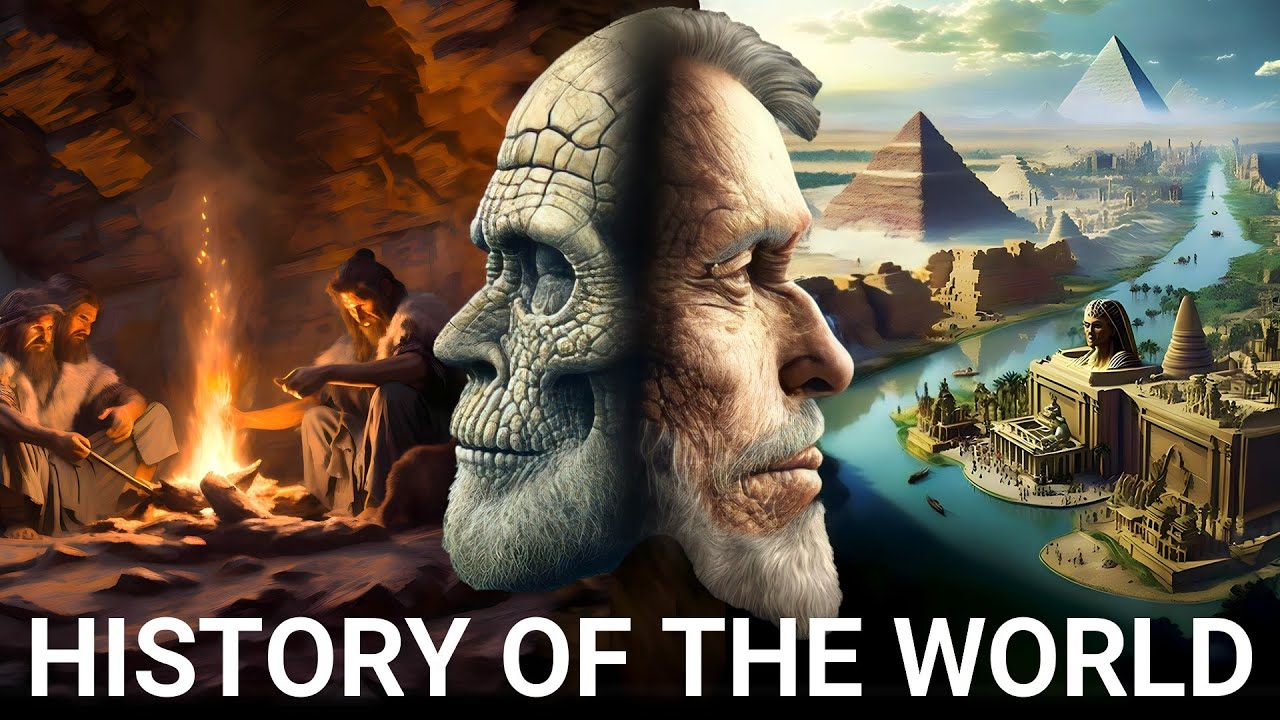
The history of humanity began billions of years ago as tiny atoms.
The tale of our history commenced many years ago. Approximately 3 billion years in the past, we existed as minuscule atoms in the vast petri dish of the world. The first hominids, including humans, emerged around 6 million years ago. Homo erectus was the initial species to venture out of Africa and settle in other regions of the globe, approximately 1.9 million years ago. Neanderthals made their appearance around 400,000 years ago and thrived in the cold climates of Europe and Western Asia. Homo sapiens ascended to global supremacy through the establishment of civilization. Our narrative unfolds in the fertile lands of Mesopotamia in 4000 BCE, where the city of Uric devised a method to cultivate cereal grains. This marked the inception of Agriculture, enabling us to cultivate our sustenance. Various civilizations throughout history enforced stringent laws and upheld unequal social structures. Babylon under Hammurabi implemented strict laws and categorized individuals into different castes based on their societal status. The Hittite Empire, under the leadership of Labarnis, unified city-states under a single authority and flourished. Mycenaean Greece comprised independent city-states with hierarchical political and economic systems. Egyptian society was organized in a social pyramid with the Pharaoh at the pinnacle. The social hierarchy consisted of various tiers, with peasants and slaves at the lowest level, responsible for manual labor such as agriculture and construction of the pyramids. Artisans, above them, crafted the art and sculptures sought after by the affluent. Merchants traversed the Nile, engaging in trade of commodities like gold, papyrus, and linen. Scribes were proficient in ancient Egyptian hieroglyphics, maintaining records of food supplies, tax records, and the daily affairs of the Pharaoh. Soldiers safeguarded the Egyptian Empire and launched preemptive strikes against adversaries. Bureaucrats carried out crucial governmental duties, while priests tended to temples and ensured the deities were properly revered. Nobles supervised specific regions of the empire and preserved order. The Pharaoh served as the supreme ruler, acting as a mediator between the gods and the world of humans. Upon the Pharaoh's death, they would be laid to rest in a pyramid, continuing their reign over the empire for eternity. In 1258 BCE, Ramses and Harusali signed the initial peace treaty, fostering a period of friendship between Egypt and Hattie. The Hittites imparted their knowledge of metalwork to the Egyptians, while the Egyptians shared their expertise in agriculture. Both civilizations thrived as a result of this peaceful agreement. The treaty remained intact until approximately 1200 BCE, when the Hittite Empire succumbed to relentless attacks from the sea people. Around the same time, the Olmec civilization, regarded as the ancestral civilization of Native Americans, emerged in present-day Mexico. Limited information is available about the Olmecs due to their hieroglyphic writing. The 17 colossal stone heads serve as significant remnants of the Olmec civilization, believed to encapsulate an individual's emotions, experiences, and soul. Despite their unknown identities, these stone heads have become enduring symbols of the Olmec civilization. In China, notable advancements occurred starting from 256 BCE. The Zhou dynasty introduced feudalism and a social hierarchy. The social pyramid encompassed peasants, soldiers, lords, and the king. Peasants cultivated crops, soldiers safeguarded the land, lords owned the land, and the king received the crops, accumulating wealth. The feudal system was crucial for sustaining the empire, and Eastern philosophy emphasized values such as respect, loyalty, and responsibility. In 753 BC, Romulus killed Remus, establishing the city of Rome. The brothers had disputed over the name of the settlement, with Romulus ultimately emerging victorious. Sparta, known for its harsh lifestyle and militaristic society, subjected its soldiers to rigorous training, encompassing physical conditioning and weapons proficiency, amidst challenging living conditions. Spartan society comprised three primary groups: the ruling class of aristocrats who held political power, free non-citizens who served in the military, and the helots, who were enslaved laborers. Life in Sparta was characterized by its severity, brutality, and military focus. The Human Experience is flawed, encompassing mortality and the pursuit of wisdom and spiritual awakening. Siddhartha renounced his opulent lifestyle to seek enlightenment beneath a fig tree, ultimately becoming the Buddha. Darius aimed to conquer Greece but was thwarted by Greek hoplites at the Battle of Marathon. The Persian invasion of Greece, along with the battles of Marathon, Thermopylae, and Salamis, are significant historical events. The Athenians successfully defended against the Persians at Marathon, while the Spartans valiantly fought at Thermopylae before being defeated. The Greeks secured a crucial victory at Salamis, altering the course of the conflict. The Peloponnesian War led to the decline of Athens and Sparta, diminishing their power. Legalism advocated for a system of rewards and punishments to uphold social order, based on the belief that people are inherently self-serving. Leaders in Legalism wielded complete authority over the military, economy, and society. The Zapotec civilization in Mexico prospered due to innovative farming techniques and an early writing system. Alexander the Great, hailing from Macedonia, was educated by Aristotle, renowned for his contributions to logic and biology. The ebb and flow of ancient empires, such as the Seleucids and Antigonids, paved the way for the ascent of Rome. The Seleucids and Antigonids, once formidable empires, waned in power and influence, while Rome emerged victorious in the Punic Wars against Carthage. The Carthaginian Empire met its ultimate defeat at the hands of Rome, resulting in its downfall. Rome expanded its empire by conquering various regions such as Athens, Jerusalem, Galilee, and Gauls. The Parthians attempted to prevent contact between China and Rome. General Lucius Cornelius Sola besieged and looted Athens, establishing Rome as a dominant power. The Romans successfully captured Jerusalem, Galilee, and even the village of Nazareth. Julius Caesar was appointed as the governor of Gaul and successfully conquered the Celtic tribes. The Gauls, under the leadership of Vercingetorix, tried to resist the Romans but were ultimately defeated by Caesar's forces in the Siege of Alicia. Caesar constructed fortifications, including a circumvallation wall and a second wall in a ditch, around Alicia. Both sides suffered heavy casualties during the arduous siege. Despite a second Gaelic army led by Versus Generics attempting to relieve the siege, they were defeated by the Romans. Versus Generics was compelled to surrender, effectively ending the Gauls' resistance to Roman rule. Caesar extended Roman control over the Gallic Empire and even granted citizenship. However, the Roman Senate demanded that Caesar resign his command and disband his army. Caesar faced a choice between obeying the Senate or initiating a civil war. Eventually, Octavian emerged as the undisputed ruler of Rome in 27 BCE. He defeated Caesar's assassins at the Battle of Philippi in 42 BCE. Tensions arose between Octavian and Anthony as they both sought control over the Roman Empire. Octavian emerged as the clear victor in the naval battle of Actium, while Anthony fled to Egypt and took his own life alongside Cleopatra. Octavian was then appointed as Augustus and became the first Roman Emperor. In the Andes region, various civilizations showcased impressive monumental structures and advanced fertilization techniques. The Mochi civilization, for instance, constructed monumental pyramids like the Waka Del Sol and Waka De La Luna, utilizing bird droppings as fertilizer. The Nazca civilization crafted vast geoglyphs, known as Nazca Lines, on the surface of the Nazca desert. Monty Alban became the capital of the Zap Attack, featuring urban planning, a grid pattern layout, and specialized districts. In Galilee, the Romans faced rebellion and responded by constructing a new city called Alia capitalina. Simon Barr Kokba led a rebellion against Roman rule in Galilee, resulting in the city of Alia capitalina being built over the ruins of Jerusalem. Barcopa was regarded as the Messiah by the Jews. Hadrian dispatched a force to conquer and subdue the Jewish people, leading to devastating consequences and numerous casualties in Judea. Diocletian divided the region into four and appointed separate Emperors within the Tetra Key. The Emperors were categorized into two types: Augustus and Caesar. In 305, power shifted when both Diocletian and Maximian retired. Constantine the Great was appointed as an Augustus and a Caesar to succeed his father. Maxentius believed he should have been appointed Caesar instead of Valerius Severus. Both Constantine and Maxentius vied for control over Rome. Maxentius commissioned the construction of the Milvian Bridge to solidify his grip on power. As the armies approached each other, Constantine had a vision of a cross in the sky with the words 'in this sign conquer.' Constantine's triumph in battle led to the issuance of the Edict of Milan, which established religious tolerance for Christians. Constantine witnessed a vision of victory under the Christian cross and had it painted on his soldiers' shields. He defeated Maxentius and pushed his forces back towards the Tiber River. Constantine met with Licinia in Milan to confirm political and dynastic arrangements. The Edict of Milan granted power to Eastern Rome and extended religious tolerance for Christians. However, the peaceful coexistence between Constantine and Licinia was short-lived. Constantine declared himself the sole leader of Rome and renamed the Eastern Roman capital as Constantinople. He presided over the First Council of Nicaea, where the Nicene Creed was established. The defeat of Attila the Hun in the Battle of the Catalonian Plains resulted in the collaboration between the Visigoths and the Romans against the Huns. Attila the Hun wreaked havoc on Roman territories until he established his Kingdom in what is now modern-day Spain. Attila's ruthless tactics earned him the infamous title of 'the scourge of God'. Numerous peace treaties were negotiated with Constantinople, with Attila receiving a significant annual tribute. The invasion of the Gauls by the Huns led to the alliance of the Visigoths and the Romans. According to legend, Attila's premonition of defeat came true in the Battle of the Catalonian Plains. Despite continuing to ravage Italy, Attila withdrew after allegedly encountering the apparitions of Saints Paul and Peter. The Western Roman Empire collapsed in 476 A.D. due to weakened defenses caused by malaria and a shortage of troops. The Eastern Roman Empire dispatched a general to suppress a revolt, but he turned against the Roman government and became the king of Italy. Muhammad's journey from Mecca to Medina marked the expansion of the Muslim Community. Muhammad faced resistance in Mecca and managed to gather a small following. Eventually, Muhammad and his followers were compelled to emigrate to Medina. Muhammad played a pivotal role in ending the Civil Wars and establishing a prosperous Muslim Community in Medina. The Quraish and their allies launched an attack on Medina, but Muhammad successfully defended the city by digging a trench. The Quraish forces were defeated due to adverse weather conditions, which marked a significant victory for the Muslims. The Muslim Army then marched into Mecca and captured the city with minimal casualties. Muhammad granted amnesty to his former enemies and converted a majority of the Meccan population to Islam. After Muhammad's demise, caliphs continued to lead and expand the Muslim Community. The Arab forces conquered various provinces of the Byzantine Empire, including Syria, Egypt, North Africa, and Spain, thereby expanding their Empire from Lisbon to China. In 636, Arab forces invaded Damascus and Jerusalem, leading to the downfall of the Sassanid Empire. Following years of conflict, they triumphed over the Byzantine Empire, seizing Alexandria in 642 A.D., which dealt a severe blow to the Byzantines economically. By 716, the Arab forces had expanded their dominion over a significant portion of North Africa, Carthage, and Spain, establishing a vast Empire. After securing their control over the Iberian Peninsula, the Arabs initiated incursions into present-day France in 732 A.D. Their ambitious campaign to extend their territory northwards was thwarted by Charles Martel and the Franks in the Battle of Tours. Subsequently, Charlemagne was crowned as the Holy Roman Emperor by Pope Leo III, heralding the inception of a new Roman Empire under his rule. The groundwork for a formidable empire was being laid. Over the course of the 9th century, Arab forces gradually seized control of Crete, Sicily, and Sardinia. The conquest of Crete was finalized in 827, while a substantial Arab fleet swiftly captured Sicily before moving on to Sardinia in the same year. In 843, the Treaty of Verdun divided the Holy Roman Empire into three kingdoms, with Charles the Bald receiving the West Frankish kingdom, Lewis the German obtaining the East Frankish kingdom, and Lothaire being granted the Middle Kingdom. Alfred the Great ascended to power in Wessex in 871, constructing fortifications known as Burrs to defend against Viking incursions in England. The tribes in Russia sought the assistance of the Varangians, also known as Vikings, to establish order and governance in the region. The Crusaders wrested control of the Holy Land from Muslim authority. In the 11th century, Arab caliph al-Hakim ordered the destruction of the Church of the Holy Sepulcher, shocking Christians in Europe, prompting Pope Sergius IV to call for a holy war. The Seljuk Turks, a Central Asian Turkic group, overtook the Muslim empire, capturing Medina and Mecca. Pope Urban II rallied for a Crusade to free the Holy Land from Muslim control, attracting numerous European nobles and knights to join the cause. The Christians were in a state of unity, while the Muslims were divided, resulting in the Crusaders successfully taking control of Jerusalem. In 1187, Saladin, the Muslim Commander, launched a holy war to reclaim Jerusalem from the Christians. The battle between Saladin's forces and the Crusaders ended in a triumph for Saladin, dealing a significant blow to the Christian forces. Despite subsequent attempts by Emperor Frederick, King Richard, and King Philip to recapture Jerusalem through another Crusade, they were unsuccessful. Gus was born to a mother who was kidnapped by his father and forced into marriage. Genghis Khan managed to unite various tribes and implemented progressive reforms. Under his leadership, Genghis Khan united a million people and formed alliances with other clans. He introduced reforms such as prohibiting the sale and abduction of women. Genghis Khan also promoted religious freedom, although he displayed brutality in warfare similar to his adversaries. He conquered the Shisha Kingdom and the Jin Dynasty in China, including the burning of the capital Zhongdu (now Beijing). In response to the demands of the Barons, King John agreed to negotiate and established the Magna Carta. This document outlined rights such as the right to a fair trial, due process of law, and protection against arbitrary arrests and imprisonment. The Muslim rule, the death of King Louis IX, and the English Parliament also played significant roles during this period. Mansa Musa, a Muslim ruler, amassed immense wealth and made Timbuktu the center of Muslim knowledge. The Aztec Legend recounts the tale of the establishment of an empire in the Americas. The Aztecs constructed impressive temples and practiced agriculture on floating gardens. The Great Temple was dedicated to the gods Wheat Sila, Poached, and Talaylock. The city of Tenochtitlan boasted a complex network of canals and causeways. Additionally, the Aztecs cultivated crops on chinampas in Lake Texcoco. Meanwhile, England and France were engaged in a war at that time. During the Hundred Years War, Europe was also grappling with the devastating Bubonic plague, which claimed the lives of millions. The fall of the Byzantine Empire in 1453 allowed the Ottoman Empire, under the rule of Sultan Mehmed II, to seize the opportunity for expansion. With a formidable force of 80,000 soldiers, including elite janissary troops and powerful artillery, the Ottomans laid siege to Constantinople. After a relentless two-month bombardment, they successfully breached the city walls and captured Constantinople, marking the end of the Byzantine Empire and the rise of Ottoman dominance. Concurrently, Ivan the Great led Russia to independence by driving out the Mongols in 1480. Meanwhile, in 1492, Christopher Columbus discovered the New World, making landfall in the Bahamas. The 1500s witnessed a flourishing of European culture, with the remarkable contributions of da Vinci, Michelangelo, and Machiavelli. In the Americas, Cortez and Pizarro achieved conquests of their own, toppling the Aztec and Incan Empires respectively. The arrival of Europeans also brought devastating diseases to the native populations, leading to their decline over time. Under the leadership of Suleiman, the Ottoman Empire reached its zenith, expanding its territories from Southeastern Europe to Arabia, and from the Mediterranean to Persia. Suleiman's conquests included the capture of numerous cities in Europe, the Middle East, and Persia, solidifying Ottoman dominance in the Mediterranean as a naval power. Henry VIII established the Church of England and separated from the Catholic Church. Despite Catherine of Aragon still being alive, Henry desired to marry Anne Boylan. In order to wed Anne, Henry broke away from the Catholic Church and established the Church of England. In 1534, Henry declared himself as the head of the Church of England. The act of Supremacy proclaimed the king, rather than the pope, as the Supreme head of the Church of England. This resulted in a division between the Church of England and the Catholic Church. In 1644, the Manchu Army invaded China, bringing an end to the Ming Dynasty. The Manchu forces swiftly conquered Beijing and installed a puppet emperor, marking the continuation of the cycle of dynasties in China. On July 4th, 1776, American Patriots signed a document that declared equality and unalienable rights. This document asserted that all men are created equal and possess certain rights. Meanwhile, Adam Smith published The Wealth of Nations, advocating for laissez-faire economics. Mozart composed the Hafner serenade, which showcased elegant melodies. During the American Revolution, the British found themselves trapped at Yorktown and eventually surrendered. The combined forces of the Americans and the French successfully defeated the British in a pivotal naval battle. Maximilian Robespierre emerged as a prominent figure in the French Revolution and the Reign of Terror. Robespierre championed the rights of ordinary people and opposed the power of the aristocracy. Under the guidance of his leadership, the Committee of Public Safety initiated a period of severe oppression famously known as the Reign of Terror. As time passed, the populace grew weary of the violence and instability, causing Robespierre's influence to diminish. Consequently, he was apprehended, imprisoned, and ultimately executed in 1794, signifying the conclusion of the reign of terror. Following the revolution, France transitioned to a directory government led by a five-member executive Council. The purpose of the directory was to maintain a balance between the interests of various factions. However, the directory proved to be unsuccessful, leading to the eventual overthrow of the government by Napoleon Bonaparte. Napoleon's ascent and downfall, Bolivar's liberation campaigns, and the concept of Communism emerged. Napoleon triumphantly conquered a significant portion of Europe but faced defeat in Russia, ultimately being compelled to abdicate. Bolivar successfully led uprisings and secured the independence of numerous Latin American countries. Meanwhile, Marx and Engels authored The Communist Manifesto, introducing the ideology of Communism. The assassination of Archduke Franz Ferdinand in 1914 triggered the onset of World War One. This assassination, carried out by a Serbian nationalist, sparked a diplomatic crisis. Subsequently, Austria-Hungary declared war on Serbia, setting off a complex network of alliances and treaties. Germany and France followed suit, drawing other nations into the conflict. After enduring four years of brutal warfare, an Armistice was finally signed in November 1918, effectively bringing an end to the war. World War II commenced with Adolf Hitler's invasion of Poland and concluded with Germany's surrender in 1945. The surrender of Hiroshima, Japan marked the end of the war. This pivotal moment served as a turning point in global history.
By Isaac Ekow Anyidoho2 years ago in Earth
"Exploring Europe's Mega Infrastructure Projects”
Europe is currently in the process of constructing a remarkable cross-country transport network. One of the key projects is the Fehmarn Belt Fixed Link, an 18km underwater tunnel in the Baltic Sea. This ambitious endeavor aims to enhance travel efficiency throughout the continent by connecting all corners of Europe through Roads, Railways, and shipping lanes. By doing so, it will facilitate seamless cross-border trade and integration. The Fehmarn belt link, in particular, will significantly reduce travel time between Hamburg and Copenhagen. The plan includes a 20 km long road and rail link that will allow trains to cross the strait in just 7 minutes, while cars will only take 10 minutes. Initially, alternative options such as a cable-stayed bridge and tunnel boring were considered, but they were ultimately dismissed due to concerns such as strong Eastern winds and unsuitable seabed conditions. The chosen design for the tunnel will be an immersed tube tunnel made up of prefabricated segments, making it the longest tunnel ever built. This impressive transport network is just one example of the mega projects taking place in Europe and Las Vegas, which are set to transform commerce and entertainment. The European Union is even supporting Finland's 10% share in the construction of a long-lasting tunnel to boost commerce. Meanwhile, in Las Vegas, the MSG Sphere, a $2.3 billion entertainment venue, is aiming to revolutionize the entertainment industry. Notably, the Las Vegas Sphere will feature the largest LED screen on Earth. However, construction delays caused by lockdowns and supply chain crises have led to budget escalations. Nevertheless, the Exosphere's programmable LED panels will still showcase a wide range of artistic content and serve as a captivating marketing attraction. The sphere, located at the Venetian, will truly revolutionize entertainment and host a variety of events. It is specifically designed to provide immersive experiences in cinema and performance, rather than for sports or traditional music venues. Additionally, the sphere will boast the second-largest fan zone on the circuit and offer live entertainment as well as guided tours conducted by robots.
By Isaac Ekow Anyidoho2 years ago in Education
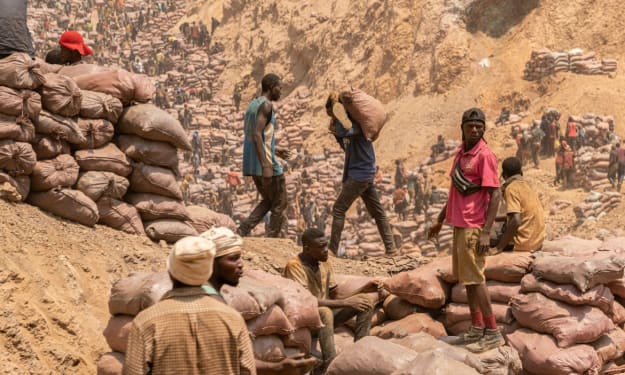
Thousands of people in the Democratic Republic of the Congo mine cobalt, in high demand for electric vehicle batteries
The extraction of cobalt in the Democratic Republic of the Congo plays a vital role in the global shift towards electric vehicles. The demand for cobalt is particularly high due to its use in the production of batteries for electric vehicles. To accelerate the transition, the European Union has announced plans to ban the sale of new cars with internal combustion engines from 2035 onwards. The majority of the world's cobalt supply comes from Congo, but this mining activity has resulted in significant environmental and social issues in the region. Foreign companies, including those from China and Switzerland, have been exploiting the cobalt reserves for their gain. Additionally, artisanal mining in the Congo is a major source of cobalt supply, but it comes at a cost. Artisanal miners face dangerous working conditions and receive low wages. The Congolese government has struggled to effectively regulate the industry, further exacerbating the problems. Chinese companies have been known to manipulate scales and cobalt content, impacting the profits of the miners. The artisanal mining of cobalt in the DRC is exploitative and detrimental to the local population. The cobalt mines in the DRC primarily cater to Chinese entrepreneurs, resulting in wealth generation for foreign companies. Shockingly, children as young as seven are forced to work in these mines, putting their lives and health at risk. This supply chain has faced significant public backlash, as big tech companies and car manufacturers benefit from it. The heavy reliance on Congolese cobalt has become a concern for the transition to electric vehicles. To address this issue, Europe has set a goal of establishing 30 giga factories by 2035 to ramp up battery production. Northvolt, the first battery factory in Europe, aims to compete with Asian manufacturers. Furthermore, Finland possesses deposits of all the minerals required for battery production. Europe's objective is to have 30 million electric vehicles on its roads by 2030.
By Isaac Ekow Anyidoho2 years ago in Confessions
"Wonders of Grand Canyon"
The Grand Canyon, a magnificent natural wonder carved by the powerful Colorado River, has been championed by President Theodore Roosevelt for its unparalleled beauty. This majestic canyon not only boasts breathtaking views but also influences its weather patterns, creating a unique environment that supports a diverse range of wildlife, including the majestic California condors. These condors form lifelong partnerships, contributing to the preservation and future of their species within the park. Since its designation as a national park in 1919, the cliffs of the Grand Canyon have been protected, providing a haven for condor families and other wildlife. The park offers a variety of habitats, from towering rock faces to the Kaibab Plateau, which is home to unique animals like the Kaibab squirrel. However, the newborn wildlife in national parks face numerous challenges in their struggle for survival. For instance, elk calves are particularly vulnerable to predators and rely on the protection of their herd. Similarly, condor chicks face their own set of challenges as they grow up in high-rise nurseries, navigating the treacherous cliffs and learning to fly. Javelinas and mule deer also encounter difficulties in finding water within the vast expanse of the Grand Canyon National Park. Javelinas, also known as 'Skunk pigs,' rely on their keen sense of smell to strengthen family bonds and mark their territory. Living in close-knit groups, they face the risk of dehydration during the scorching summer months. On the other hand, a mule deer and her young offspring brave a perilous descent into the canyon in search of water. Fortunately, the Grand Canyon National Park offers natural water sources such as seeps and springs, providing a lifeline for the park's inhabitants. Predators within the park have developed their survival tactics. The Gila monster, for example, feasts on quail eggs to store fat for digestion in her burrow. Meanwhile, the mountain lion strategically hides her prey to avoid scavengers and adapts to the challenges posed by summer storms. Fires, although destructive, can also stimulate new life in forests. By thinning the canopy, more sunlight reaches the forest floor, allowing new grasses and flowers to flourish. These protected lands also serve as a sanctuary for iconic birds like the condor, ensuring their continued existence. In Yosemite National Park, winter brings its own set of challenges. Coyotes rely on their exceptional hearing to hunt for food beneath the snow-covered landscape. The unique geography and natural water supply of Yosemite make it an oasis in a state that is experiencing.
By Isaac Ekow Anyidoho2 years ago in Earth
Unraveling Earth's Cycles
The Earth's climate is influenced by a variety of intricate cycles. Factors such as Milankovitch cycles, atmospheric wind patterns, solar and lunar influences, and movements within the Earth's core all contribute to shaping our weather patterns. The Earth's tilt causes seasonal changes, with different parts of the world experiencing summer and winter based on their position relative to the Sun. The orbit and tilt of the Earth impact temperature fluctuations, affecting how sunlight reaches the surface and leading to variations in temperature - the equator, for example, experiences less change. Over a span of 100,000 years, the changing shape of the Earth's orbit alters our distance from the Sun, resulting in temperature changes throughout the year. The Earth's tilt and rotation also play a role in the occurrence of ice ages. The tilt of the Earth fluctuates between 22.1 and 24.5 degrees over a period of 41,000 years, influencing seasonal variations. A decrease in tilt could potentially cause ice sheets to spread due to the reflection of sunlight by icy surfaces. Various Earth cycles, including Milankovitch cycles and El Niño Southern Oscillation, have an impact on global temperatures and climate. Long-term trends lasting 100,000 years and shorter cycles occurring every 41,000 years leave their mark on fossil records. Fluctuations in CO2 and methane levels drive changes in global temperatures, affecting the formation and melting of ice as well as the reflection of sunlight. Shifts in the Pacific Jet Stream have far-reaching effects on global weather patterns. A southward shift in the Pacific Jet Stream affects regions such as the US, Canada, the Gulf Coast, Coastal South America, Peru, and Ecuador. El Niño events can trigger weather anomalies worldwide, leading to severe consequences like floods in Peru and famines in India. Conversely, La Niña alters Earth's cycles with distinct regional impacts, bringing warmer waters to Asia and causing the upwelling of cold, nutrient-rich water near the Americas.
By Isaac Ekow Anyidoho2 years ago in Earth