Hridya Sharma
Bio
Stories (445)
Filter by community
Generosity of Spirit: What We Can Learn from Ratan Tata
Ratan Tata, the esteemed former chairman of the Tata Group and a prominent figure in Indian industry, died on Wednesday at the age of 86. His life exemplified qualities such as compassion, resilience, humility, and perseverance, serving as an inspiration for those in public service. The Taj Mahal Palace Hotel, founded by Ratan Tata's grandfather in 1903, was targeted during the 2008 Mumbai attacks. In response, Ratan Tata dedicated himself to assisting the families of the hotel employees who were killed or injured, promising to provide lifelong salaries to the families of those who lost their lives, as reported by the BBC.
By Hridya Sharmaabout a year ago in Journal
The Pressure of Perfection: Are South Asian Parents to Blame?
Imposter syndrome is a common experience that many of us hesitate to acknowledge. It stems from our unique life choices, societal conditioning, and the perceptions we hold, which shape our reality. This feeling of inadequacy often leads individuals to attribute their successes to external factors like luck or chance, rather than their own abilities. In South Asian households, particularly for women, there is a cultural expectation to downplay one's achievements and to adopt a humble demeanor, influenced by patriarchal norms. This article explores how parental influence contributes to the development of imposter syndrome in the South Asian context, highlighting the societal pressures that encourage women to minimize their accomplishments.
By Hridya Sharmaabout a year ago in Humans
The Pressure of Perfection: Are South Asian Parents to Blame?
Imposter syndrome is a common experience that many of us hesitate to acknowledge. It stems from our unique life choices, societal conditioning, and the perceptions we hold, which shape our reality. This feeling of inadequacy often leads individuals to attribute their successes to external factors like luck or chance, rather than their own abilities. In South Asian households, particularly for women, there is a cultural expectation to downplay one's achievements and to adopt a humble demeanor, influenced by patriarchal norms. This article explores how parental influence contributes to the development of imposter syndrome in the South Asian context, highlighting the societal pressures that encourage women to minimize their accomplishments.
By Hridya Sharmaabout a year ago in Families
Generosity of Spirit: What We Can Learn from Ratan Tata
Ratan Tata, the esteemed former chairman of the Tata Group and a prominent figure in Indian industry, died on Wednesday at the age of 86. His life exemplified qualities such as compassion, resilience, humility, and perseverance, serving as an inspiration for those in public service. The Taj Mahal Palace Hotel, founded by Ratan Tata's grandfather in 1903, was targeted during the 2008 Mumbai attacks. In response, Ratan Tata dedicated himself to assisting the families of the hotel employees who were killed or injured, promising to provide lifelong salaries to the families of those who lost their lives, as reported by the BBC.
By Hridya Sharmaabout a year ago in Motivation
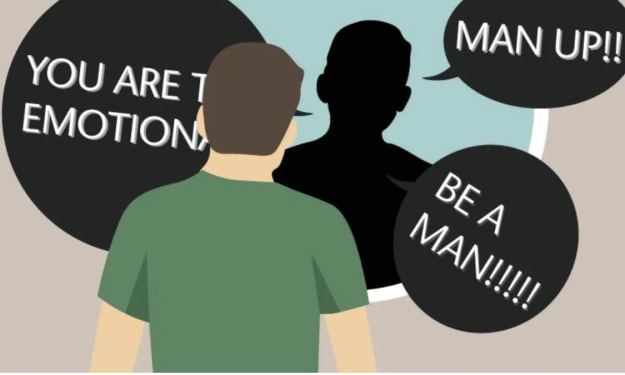
The Need to Be Strong: The Reasons Why Men Don't Discuss Their Emotions
Are you a girl? Why are you crying?! Boys don't cry, they are meant to lead the family and be the bearers of the family. Our society has conditioned both men and women about the way they should react and behave to be deemed normal and acceptable in a social setting. It is harrowing to see societal standards and perceptions of how both genders should act and lead their lives, impacting individuals to embrace their authentic light and nurture their needs and wants.
By Hridya Sharmaabout a year ago in Journal
The Pressure to Be Strong: Why Men Avoid Talking About Their Feelings
The Pressure to Be Strong: Why Men Avoid Talking About Their Feelings Are you a girl? Why are you crying?! Boys don't cry, they are meant to lead the family and be the bearers of the family. Our society has conditioned both men and women about the way they should react and behave to be deemed normal and acceptable in a social setting. It is harrowing to see societal standards and perceptions of how both genders should act and lead their lives, impacting individuals to embrace their authentic light and nurture their needs and wants.
By Hridya Sharmaabout a year ago in Men
10 reminders for those who don’t know what they are doing with their life.
The word hustle is often emphasized a lot by the social media influencers and motivational videos, the world we dwell in is established by humans who thrive in whatever they stumble upon. Society has emerged from the foundationalism of being ultra productive every day to achieve milestones after milestones in every step of your trajectory. But the question lies how do we stay fluid towards every circumstance life brings upon us and work tirelessly towards our aims and desires. Achievements are often sources of validation for self that build our esteem and trust in the decisions we make for ourselves. It is normal for an individual to not forge their way restricted by the timelines that are benchmarked upon us. Here are 10 reminders that will help you realize life is more than hustling for productivity every day.
By Hridya Sharmaabout a year ago in Confessions
Unveiling the Buzz: Kay by Katrina and Huda Beauty’s Recent Collaboration
Katrina Kaif is all set to take her beauty brand, Kay by Katrina to the next level. She recently teamed up with Huda Kattan, the creator of Huda Beauty, for an engaging video that has generated a lot of excitement among fans. This collaboration not only displays their makeup talents but also emphasizes Katrina's smart marketing approach.
By Hridya Sharmaabout a year ago in Interview
Anna Perayil's Story: When Work Turns Into a Nightmare
In our modern world, meeting the expectations of those around us, working tirelessly to the point of insanity, and racing towards the next big goal are all highly valued. Sadly, we fail to understand that nothing outside of ourselves—not society's opinion of us, not a job, not our performance at work, not social deadlines—matters more than our mental and physical health. In a recent tragic case, we discuss a vibrant young professional. Workplace culture and excessive pressure to perform were the reasons behind Anna Sebastian Perayil's death.
By Hridya Sharmaabout a year ago in Journal