Aessy Lefiano
Stories (40)
Filter by community
Psychology Hacks: Understanding the Mind and Harnessing its Power
1. The Power of Perception: Framing and Priming Our perceptions are heavily influenced by how information is presented or “framed.” By tweaking the presentation of information, we can influence people’s decisions and behaviors. For instance, offering two options where one is significantly less attractive can make the other option more appealing (this is known as the decoy effect). Additionally, priming is a technique where exposure to one stimulus can influence a person’s response to a subsequent stimulus. Utilize positive priming by surrounding yourself with uplifting cues to improve your mood and mindset. 2. Anchoring: Nudging Decision-Making Anchoring is a cognitive bias where people rely heavily on the first piece of information they receive when making decisions. To harness this psychology hack, present a favorable reference point or anchor early on in negotiations or discussions. This can influence subsequent decisions and lead to more favorable outcomes. 3. The Halo Effect: Impression Management The halo effect is a cognitive bias where our overall impression of a person influences our perceptions of their specific traits or abilities. Use this to your advantage by consciously creating a positive impression in one area of your life to improve perceptions in other areas. 4. The Power of Body Language: Nonverbal Communication Body language plays a significant role in communication, often conveying more than words alone. By adopting open and confident postures, maintaining eye contact, and mirroring the body language of others, you can establish rapport and enhance the quality of your interactions. 5. Reciprocity and Influence The principle of reciprocity suggests that when someone does something for us, we feel obligated to return the favor. You can leverage this psychology hack by initiating small acts of kindness and generosity, which can create a positive cycle of give-and-take in your relationships. 6. Loss Aversion: Leveraging Fear of Loss Loss aversion is the tendency to fear losses more than we value gains. In marketing or negotiations, emphasize what someone might lose if they don’t take action, as this can be a more compelling motivator than potential gains. 7. The Pygmalion Effect: Positive Expectations The Pygmalion effect, also known as the self-fulfilling prophecy, is the phenomenon where higher expectations of others lead to improved performance. When you believe in someone’s potential and communicate your belief, it can inspire them to achieve more. 8. Cognitive Dissonance: Resolving Inner Conflicts Cognitive dissonance occurs when our beliefs or attitudes conflict with our actions, leading to discomfort. By aligning our actions with our values, we can reduce cognitive dissonance and experience greater internal harmony. 9. The Zeigarnik Effect: Completing Unfinished Tasks The Zeigarnik effect is the tendency to remember unfinished tasks more than completed ones. Utilize this psychology hack by starting a task or project, even if just in a small way, as it can create a stronger drive to complete it. 10. The Power of Storytelling: Making Information Memorable Humans are wired to connect with stories emotionally, making them a powerful tool for communication and information retention. Use storytelling to convey complex ideas or data in a compelling and memorable way. 11. Nudging Health Behavior: Choice Architecture Choice architecture involves arranging the environment to encourage desired behaviors. To improve health habits, make healthy choices more accessible and appealing by placing fruits and vegetables within easy reach or using smaller plates to promote portion control. 12. The Placebo Effect: Harnessing the Mind’s Healing Power The placebo effect is a phenomenon where a person experiences real improvements in symptoms or conditions after receiving a treatment with no active ingredients. This highlights the mind’s role in healing and illustrates the potential power of positive expectations. 13. The Four Tendencies: Understanding Motivation Gretchen Rubin’s Four Tendencies framework categorizes individuals based on how they respond to internal and external expectations. Knowing your tendency can help you better understand your motivation and develop strategies for goal attainment. 14. The 80/20 Principle: Prioritizing Efficiency The 80/20 Principle, also known as the Pareto Principle, suggests that roughly 80% of effects come from 20% of causes. Use this principle to identify the most impactful tasks or activities and prioritize them for maximum efficiency. 15. The Spotlight Effect: Overcoming Self-Consciousness The spotlight effect is the belief that others are paying more attention to us than they actually are. Knowing this can help you overcome self-consciousness and reduce social anxiety by realizing that people are often more focused on themselves than on you. 16. Emotional Intelligence: Enhancing Social Skills Emotional intelligence (EI) involves understanding and managing emotions, both in oneself and others. By developing EI, you can enhance your social skills, navigate interpersonal relationships effectively, and cultivate empathy and understanding. 17. Positive Visualization: Visualizing Success Positive visualization involves imagining successful outcomes in specific situations. By regularly visualizing success, you can build confidence and mental resilience, enhancing your performance in various areas of life. 18. Sunk Cost Fallacy: Letting Go of Unproductive Investments The sunk cost fallacy is the tendency to continue investing in something based on the resources already committed, rather than the potential future benefits. Recognize when this cognitive bias is influencing your decisions, and be willing to cut your losses and move on when necessary. 19. The Power of Gratitude: Fostering Well-Being Practicing gratitude has been linked to improved well-being, increased happiness, and better mental health. Make it a habit to express gratitude daily by acknowledging the positive aspects of your life. 20. The GROW Model: Goal Setting and Achievement The GROW model is a goal-setting and problem-solving technique that involves defining goals, assessing the current reality, exploring options, and developing a plan of action. Use this model to clarify your objectives and create a roadmap for achievement. Conclusion Psychology hacks offer valuable insights into the complexities of the human mind and behavior, providing us with tools to navigate life’s challenges more effectively. From understanding cognitive biases and behavioral patterns to harnessing the power of positive thinking and social influence, these psychological principles can be applied in various aspects of our lives to improve our well-being, relationships, and decision-making. By taking a deeper look into the workings of the mind, we can gain a better understanding of ourselves and others, making informed choices and fostering personal growth and development. As you integrate these psychology hacks into your life, remember to approach them with mindfulness and ethical considerations, using your newfound knowledge for the betterment of yourself and those around you.
By Aessy Lefiano3 years ago in Psyche
Psychology Hacks for Dealing with a Liar: Unmasking Deception and Navigating Truth
1. Recognizing Signs of Deception The first step in dealing with a liar is to recognize signs of deception. While no single behavior guarantees someone is lying, there are common cues to watch for: - Inconsistent stories: Liars may struggle to keep their lies straight, leading to inconsistencies in their accounts. - Avoiding eye contact: Some individuals may avoid direct eye contact when lying, feeling uncomfortable with sustained gaze. - Microexpressions: These fleeting facial expressions can reveal true emotions, even when someone is attempting to conceal them. - Overcompensating gestures: Liars may overuse hand gestures or fidget excessively as they try to distract from their dishonesty. - Verbal cues: Excessive use of filler words, stammering, or avoiding direct answers are potential indications of deception. 2. Remain Calm and Non-Confrontational When confronted with a potential liar, it’s essential to remain calm and non-confrontational. Accusing someone outright can lead to defensiveness and further dishonesty. Instead, create a comfortable environment where open communication is encouraged, and people feel safe to share their thoughts and feelings. 3. Build Rapport and Trust Establishing rapport and trust is crucial when dealing with a liar. Building a strong foundation of trust can encourage honesty and openness, making it more likely for the individual to disclose the truth willingly. Listen actively, show empathy, and create an atmosphere where honesty is valued and respected. 4. Ask Open-Ended Questions Open-ended questions are questions that prompt detailed responses rather than simple “yes” or “no” answers. Asking open-ended questions can help elicit more information and provide opportunities for the liar to reveal inconsistencies in their story. Phrases like “Can you tell me more about that?” or “What happened next?” can encourage more extensive explanations. 5. Observe Body Language and Microexpressions Body language can be a telling indicator of deception. Pay attention to the individual’s body language, looking for any signs of discomfort, defensiveness, or incongruence with their verbal responses. Microexpressions, which are brief facial expressions lasting only fractions of a second, can also offer insights into true emotions. 6. Use the Baseline Technique The baseline technique involves establishing a person’s normal behavior and responses in non-threatening situations. Understanding how someone behaves under usual circumstances can help you identify deviations from their baseline when they might be lying. 7. Be Mindful of Verbal Cues Verbal cues can also provide clues to deception. Liars may engage in excessive self-justification or provide vague and evasive answers to avoid giving straightforward responses. Pay attention to changes in their tone of voice, speed of speech, and the use of filler words like “um” or “uh.” 8. Practice Reflective Listening Reflective listening involves paraphrasing what the individual has said to show that you understand and are actively listening. This technique can encourage the person to share more information and may help reveal inconsistencies in their story. 9. Avoid Traps and Leading Questions Avoid asking leading questions that suggest the answer you want to hear or imply that you know the truth. Leading questions can inadvertently elicit false confessions or cause the liar to become defensive and shut down communication. 10. Be Patient and Persistent Unmasking deception can be a challenging process that requires patience and persistence. Don’t be discouraged if you don’t uncover the truth immediately. Continue to build trust, ask probing questions, and observe the individual’s responses over time. 11. Seek Collaboration, Not Confrontation Approach the situation with the intention of seeking collaboration and understanding rather than confrontation. Present the conversation as an opportunity to clear up misunderstandings and work together to find a resolution. 12. Trust Your Intuition, But Verify Intuition can be a valuable tool in detecting deception, but it’s essential to verify your suspicions with concrete evidence whenever possible. Relying solely on intuition may lead to hasty judgments and misunderstandings. 13. Consider the Context and Motivation Understanding the context and the potential motivations behind the lie can provide valuable insights. People may lie to protect themselves, avoid consequences, or maintain their self-image. Taking the context into account can help you approach the situation with empathy and understanding. 14. Offer an Out: The Path of Honesty Give the individual an opportunity to come clean and choose honesty. Assure them that you value truthfulness and are willing to work through any challenges together. Offering an “out” can make it easier for them to admit to their deception and move towards a path of honesty. 15. Set Boundaries If you discover a pattern of dishonesty or deceit in a relationship, it’s essential to set boundaries to protect yourself from further harm. Establish clear expectations regarding honesty and communicate the consequences of continued deception. 16. Be Mindful of Gaslighting Gaslighting is a form of psychological manipulation where someone makes another person doubt their reality or question their sanity. If you suspect gaslighting, seek support from trusted friends, family, or a mental health professional to help you navigate the situation. 17. Consider Professional Help If the lies and deception significantly impact your well-being or relationships, consider seeking help from a therapist or counselor. A mental health professional can offer guidance and support in understanding and addressing the underlying issues. Conclusion Dealing with a liar requires a combination of empathy, understanding, and psychological insight. By recognizing signs of deception, building trust and rapport,
By Aessy Lefiano3 years ago in Longevity
Building the Foundation for Success: 15 Healthy Habits Every Student Must Maintain
As students navigate the world of academia, maintaining good health and well-being is essential for achieving success in both academic and personal pursuits. The demands of coursework, exams, and extracurricular activities can be overwhelming, making it crucial for students to develop and uphold healthy habits that support their physical, mental, and emotional well-being. In this article, we will explore 15 essential healthy habits that every student should cultivate to enhance their academic performance, overall happiness, and long-term success
By Aessy Lefiano3 years ago in Motivation
Unlock the Secrets to Healthy and Gorgeous Hair: A Comprehensive Guide to Hair Care Procedures
Understanding the Importance of Hair Care Procedures While daily hair care, including cleansing and conditioning, is vital, there are additional procedures that can take your hair care routine to the next level. Hair care procedures offer specialized benefits, addressing specific concerns and enhancing the overall health of your hair. Here are some reasons why hair care procedures are essential: 1. Nourishment and Moisture: Hair care procedures such as deep conditioning treatments and oil massages provide intense nourishment and moisture to your hair. They help replenish lost nutrients and strengthen your strands from root to tip. 2. Repair and Restoration: Exposure to environmental factors, heat styling, and chemical treatments can cause damage to your hair. Hair care procedures help repair and restore your hair’s health, reducing breakage and split ends. 3. Scalp Health: A healthy scalp is crucial for promoting hair growth and preventing issues like dandruff and itchiness. Hair care procedures that focus on scalp health can improve blood circulation, reduce inflammation, and balance sebum production. 4. Hair Growth: Certain hair care procedures, such as scalp massages and stimulating treatments, can stimulate hair follicles and promote hair growth. 5. Preventive Care: Regular hair care procedures act as preventive measures, protecting your hair from potential damage and preserving its beauty. Now that we understand the importance of hair care procedures let’s explore a variety of treatments and techniques that can help you achieve healthy and good-looking hair: 1. Deep Conditioning Treatments: Intense Nourishment for Your Hair Deep conditioning treatments are an excellent way to provide intense nourishment and hydration to your hair. These treatments use specialized hair masks or conditioners that penetrate deeply into the hair shaft, delivering essential nutrients and moisture. Here’s how to perform a deep conditioning treatment: - Choose the right product: Select a deep conditioning mask or treatment that matches your hair type and addresses your specific concerns, such as dryness, damage, or color-treated hair. - Shampoo your hair: Before applying the deep conditioner, shampoo your hair to remove any dirt and product buildup. This helps the treatment penetrate more effectively. - Towel-dry your hair: Gently squeeze out excess water from your hair with a soft towel. Your hair should be damp, not soaking wet, to allow the deep conditioner to be absorbed properly. - Apply the deep conditioner: Take a generous amount of the deep conditioning product and apply it to your hair, focusing on the mid-lengths and ends. Avoid applying the product to the roots, as it can weigh down your hair. - Comb through your hair: Use a wide-tooth comb to distribute the deep conditioner evenly through your hair. This ensures that every strand receives the nourishing benefits. - Allow time for treatment: Follow the recommended time for the deep conditioning treatment. This usually ranges from 5 to 30 minutes, depending on the product and your hair’s condition. - Add heat (optional): For even better results, consider adding heat to your deep conditioning treatment. You can use a shower cap to trap heat and enhance the product’s absorption. Alternatively, sit under a hooded dryer or use a warm towel. - Rinse with cool water: After the treatment time is up, rinse your hair with cool water to seal the cuticle and lock in the moisture. - Frequency: How often you should do a deep conditioning treatment depends on your hair’s condition. For damaged or dry hair, you may benefit from weekly treatments. Otherwise, once every two weeks is generally sufficient. 2. Hair Masks: Targeted Solutions for Hair Concerns Hair masks are specialized treatments that target specific hair concerns, such as frizz, split ends, and lack of shine. They come in various formulations, including hydrating, repairing, and smoothing masks. Here’s how to use hair masks effectively: - Choose the right hair mask: Select a hair mask that addresses your specific needs and concerns. For example, if your hair is dry and frizzy, opt for a moisturizing and smoothing mask. - Shampoo your hair: Before applying the hair mask, shampoo your hair to remove any buildup and prepare your hair for better absorption. - Towel-dry your hair: Gently remove excess water from your hair with a soft towel. Your hair should be damp but not dripping wet. - Apply the hair mask: Take a generous amount of the hair mask and apply it to your hair, focusing on the mid-lengths and ends. Avoid applying the product to the roots. - Comb through your hair: Use a wide-tooth comb to distribute the hair mask evenly and ensure every strand receives the treatment. - Allow time for treatment: Follow the recommended time for the hair mask treatment, as indicated on the product packaging. - Rinse with cool water: After the treatment time is up, rinse your hair with cool water to seal the cuticle and enhance shine. - Frequency: How often you should use a hair mask depends on your hair’s condition and the product’s instructions. Generally, once a week or every other week is sufficient for most hair types. 4. Scalp Massages: Stimulate Hair Growth and Scalp Health Scalp massages are not only relaxing but also beneficial for stimulating hair growth and maintaining scalp health. Massaging the scalp increases blood flow, which nourishes hair follicles and promotes hair growth. Here’s how to perform a scalp massage: - Use your fingertips: Use the pads of your fingertips to gently massage your scalp. Avoid using your nails, as they can cause irritation. - Apply gentle pressure: Apply gentle pressure in circular motions all over your scalp. Focus on areas where you experience tension or dryness. - Use oil (optional): If you prefer, you can use a few drops of hair oil or a scalp oil blend during the massage. This provides additional nourishment and helps moisturize the scalp. - Duration: Aim to massage your scalp for at least 5 to 10 minutes. You can do this while shampooing your hair or as a separate treatment. - Frequency: You can perform a scalp massage as often as you like. Some people incorporate it into their hair care routine a few times a week, while others enjoy a daily scalp massage. 5. Hair Oil Treatments: Nourishment and Shine Hair oil treatments provide an extra boost of nourishment and shine to your hair. These treatments use natural oils that are rich in nutrients and fatty acids to moisturize and protect your hair. Here’s how to perform a hair oil treatment: - Choose the right oil: Select a hair oil that suits your hair type and concerns. Common hair oils include coconut oil, argan oil, jojoba oil, and almond oil. - Warm the oil: Gently warm the hair oil by placing the container in a bowl of warm water or microwaving it for a few seconds. Warm oil is more comfortable to apply and allows for better absorption. - Apply the Oil: Take a small amount of the warmed oil and apply it to your hair, focusing on the mid-lengths and ends. You can also apply a small amount to your scalp if you have dry or itchy skin. - Comb through your hair: Use a wide-tooth comb to distribute the oil evenly through your hair and ensure every strand receives the treatment. - Wrap your hair: To enhance the effectiveness of the hair oil treatment, you can wrap your hair in a warm towel or wear a shower cap. This traps heat and allows the oil to penetrate better. - Allow time for treatment: Follow the recommended time for the hair oil treatment. This can range from 30 minutes to overnight, depending on your hair’s condition and the type of oil used. - Rinse and shampoo: After the treatment time is up, rinse your hair thoroughly with cool water. Follow with shampoo to remove any excess oil. - Frequency: How often you should do a hair oil treatment depends on your hair’s condition. For dry or damaged hair, once a week is beneficial. Otherwise, once every two weeks is generally sufficient. 6. Hair Trims: Maintain Healthy Ends Regular hair trims are essential for maintaining healthy ends and preventing split ends. Trimming your hair removes damaged and frayed ends, promoting hair growth and overall hair health. Here’s what you need to know about hair trims: - Frequency: How often you should trim your hair depends on your hair’s condition and how quickly it grows. On average, getting a trim every 6 to 8 weeks is beneficial for most people. - Choose the right hairdresser: Find a hairdresser or stylist who understands your hair type and listens to your preferences. Communicate your hair care goals and the amount you want to trim off. - Consider hair health: If your hair is in excellent condition, you may only need a small trim to maintain its shape and remove any split ends. If your hair is damaged or has split ends, you may need a more significant trim to refresh your hairstyle. 7. Hair Steam Treatments: Deep Hydration and Softness Hair steam treatments offer deep hydration and softness to your hair. The steam helps to open the hair cuticle, allowing products to penetrate more effectively. Here’s how to do a hair steam treatment: - Choose the right products: Select a hair mask or deep conditioner that you want to use for the steam treatment. - Apply the product: Apply the hair mask or deep conditioner to your hair, focusing on the mid-lengths and ends. - Use a steamer or warm towel: You can use a hair steamer or wrap a warm towel around your head to create steam. The steam should be warm, not too hot. - Duration: Leave the steam on for the recommended time, as indicated on the product packaging. - Rinse with cool water: After the treatment time is up, rinse your hair with cool water to seal the cuticle. - Frequency: How often you should do a hair steam treatment depends on your hair’s condition and the product’s instructions. Generally, once a week or every other week is sufficient. 8. Hair Protein Treatments: Strengthen and Repair Hair protein treatments are ideal for strengthening and repairing damaged hair. These treatments contain proteins that help fortify your hair and reduce breakage. Here’s how to do a hair protein treatment: - Choose the right product: Select a protein-based hair treatment that suits your hair type and concerns. - Apply the treatment: Apply the protein treatment to your hair, focusing on the mid-lengths and ends. Avoid applying it to your roots. - Allow time for treatment: Follow the recommended time for the protein treatment, as indicated on the product packaging. - Rinse with cool water: After the treatment time is up, rinse your hair with cool water to seal the cuticle. - Frequency: How often you should do a hair protein treatment depends on your hair’s condition. For damaged or weakened hair, once a week or every other week is beneficial. Otherwise, once every two weeks is generally sufficient. 9. Hair Dye and Chemical Treatments: Proceed with Caution Chemical treatments such as hair dyeing and perming can alter your hair’s structure and lead to damage. If you choose to use chemical treatments, proceed with caution and take steps to protect your hair: - Consult a professional: For complex or drastic changes, it’s best to consult a professional hairdresser or colorist. They can assess your hair’s condition and recommend the best approach. - Use high-quality products: Opt for high-quality hair dyes and chemical treatments to minimize damage. - Follow the instructions: Always follow the instructions provided with the product to ensure safe and effective application. - Limit frequency: Avoid excessive use of chemical treatments, as frequent use can weaken your hair and lead to breakage. - Use hair masks and treatments: After chemical treatments, use deep conditioning treatments and hair masks to replenish moisture and repair damage. - Consider semi-permanent options: Semi-permanent hair dyes and treatments are less damaging than permanent ones. They gradually fade over time, reducing the risk of harsh regrowth lines. Incorporating these hair care procedures into your routine can make a significant difference in the health and appearance of your hair. Remember that consistency is key, and it’s essential to choose procedures that suit your hair type and concerns. With proper care and attention, you can achieve the healthy, vibrant, and good-looking hair you’ve always dreamed of.
By Aessy Lefiano3 years ago in Lifehack
Unlock the Secrets to Gorgeous Hair: A Comprehensive Guide to Hair Care Routines
Understanding the Basics of Hair Care Before delving into the specifics of a hair care routine, it’s essential to understand the basics of hair care and the factors that can impact the health and appearance of your locks: 1. Hair Structure Hair is composed primarily of a protein called keratin, which forms the hair shaft. Each hair strand consists of three layers: the cuticle, cortex, and medulla. The cuticle is the outermost layer, protecting the inner layers of the hair shaft. Understanding your hair’s structure can help you choose the right products and treatments for optimal results. 2. Hair Type and Texture Hair types and textures vary from person to person. Hair can be straight, wavy, curly, or kinky, and it may be fine, medium, or coarse. Each hair type has its unique characteristics and care requirements. Identifying your hair type and texture is essential for tailoring a hair care routine that suits your specific needs. 3. Environmental and Lifestyle Factors External factors such as sun exposure, pollution, humidity, and chemical treatments can impact the health of your hair. Additionally, lifestyle choices, such as heat styling, frequent hair coloring, and diet, can influence the condition and appearance of your locks. Being aware of these factors helps you make informed choices to promote healthy hair. Now that we have an overview of the basics, let’s explore the essential elements of a hair care routine and the steps you can take to maintain gorgeous hair: 1. Cleansing: The Foundation of Healthy Hair Regular cleansing is the cornerstone of a hair care routine. Proper cleansing removes dirt, excess oil, product buildup, and environmental pollutants from your hair and scalp. Here’s how to cleanse your hair effectively: - Choose the right shampoo: Select a shampoo that is suitable for your hair type and addresses your specific concerns, such as dryness, oily scalp, or color-treated hair. Avoid shampoos containing harsh sulfates, as they can strip your hair of natural oils. - Rinse your hair thoroughly: Before applying shampoo, wet your hair thoroughly with warm water. This helps to open the hair cuticle and allows the shampoo to penetrate effectively. After shampooing, rinse your hair thoroughly to ensure no residue remains. - Massage your scalp: While shampooing, gently massage your scalp with your fingertips in circular motions. This stimulates blood flow to the scalp and promotes hair growth. Be gentle to avoid tangling or damaging your hair. - Avoid over-shampooing: Washing your hair every day may strip it of its natural oils, leading to dryness and breakage. For most people, shampooing every two to three days is sufficient. Adjust the frequency based on your hair type and lifestyle. 2. Conditioning: Nourishing Your Locks Conditioning is essential for replenishing moisture, smoothing the cuticle, and reducing frizz. It helps to keep your hair soft, manageable, and protected from damage. Follow these tips for effective conditioning: - Choose the right conditioner: Select a conditioner that matches your hair type and addresses your specific needs, such as hydrating, volumizing, or repairing conditioner. If you have fine hair, focus on applying conditioner to the ends to avoid weighing down your hair. - Apply conditioner after shampooing: After shampooing, apply the conditioner to damp hair, focusing on the mid-lengths and ends. Avoid applying conditioner to the roots, as it can lead to greasiness. - Comb through your hair: Use a wide-tooth comb to distribute the conditioner evenly through your hair. This helps ensure every strand receives nourishment and reduces tangles. - Follow the recommended time: Leave the conditioner on for the recommended time, usually a few minutes, to allow it to work its magic. - Rinse with cool water: Rinse the conditioner with cool water to close the cuticle and seal in moisture. This enhances shine and reduces frizz. 3. Styling: Minimize Heat and Protect Your Hair Styling can transform your hair and enhance your overall look, but excessive heat styling and harsh techniques can lead to damage. Here’s how to style your hair while minimizing damage: - Limit heat styling: Reduce the use of heat styling tools such as blow dryers, flat irons, and curling wands. Embrace natural hairstyles whenever possible. - Use heat protectants: Before using heat styling tools, apply a heat protectant spray or serum to shield your hair from damage. This creates a protective barrier between your hair and the heat. - Lower the heat setting: If you must use heat styling tools, set them to a lower heat setting. High heat can lead to dryness, frizz, and split ends. - Use the right styling products: Choose styling products that suit your hair type and the look you want to achieve. Use volumizing products for fine hair, smoothing serums for frizz control, and styling creams for definition and hold. - Avoid tight hairstyles: Avoid hairstyles that pull on your hair, such as tight ponytails, braids, or buns
By Aessy Lefiano3 years ago in Lifehack
The Complete Guide to a Healthy Teeth Care Routine: Your Path to a Radiant Smile
Understanding the Importance of a Teeth Care Routine Before delving into the specifics of a teeth care routine, let’s explore why oral hygiene is so vital for our overall health and well-being: 1. Preventing Dental Issues A teeth care routine is the first line of defense against dental problems such as cavities, gum disease, and bad breath. Regular brushing and flossing help remove plaque, bacteria, and food particles that can lead to these issues. 2. Enhancing Overall Health Good oral hygiene has a significant impact on overall health. Poor oral health has been linked to various systemic health conditions, including heart disease, diabetes, respiratory infections, and adverse pregnancy outcomes. 3. Boosting Confidence and Self-Esteem A healthy and attractive smile boosts confidence and self-esteem, positively impacting social and professional interactions. A radiant smile makes a lasting impression and can make you feel more comfortable and confident in various situations. 4. Saving Time and Money Investing time in a teeth care routine can save you from costly dental treatments and potential pain in the long run. Preventive care is more affordable and less time-consuming than addressing dental issues that arise from neglect. 5. Promoting Long-Term Dental Health Consistent oral care from an early age sets the stage for long-term dental health. Establishing good habits and regular dental check-ups can prevent oral health problems throughout your life. Now that we understand the importance of a teeth care routine, let’s dive into the key components that form a comprehensive and effective oral hygiene regimen: 1. Brushing: The Foundation of Your Teeth Care Routine Brushing your teeth is the cornerstone of any teeth care routine. It helps remove plaque, food particles, and bacteria from the surfaces of your teeth, reducing the risk of cavities and gum disease. Here are the key elements of effective brushing: - Brush at least twice a day: Brush your teeth for two minutes, at least twice a day – once in the morning and once before bedtime. - Use a soft-bristled toothbrush: Opt for a toothbrush with soft bristles to avoid damaging your enamel and gums. - Use fluoride toothpaste: Fluoride helps strengthen your tooth enamel and prevent tooth decay. Choose a toothpaste with the American Dental Association (ADA) Seal of Acceptance. - Brush all surfaces of your teeth: Ensure you clean the fronts, backs, and chewing surfaces of your teeth, as well as your tongue and roof of your mouth. - Brush gently: Avoid aggressive brushing, as it can lead to gum recession and enamel erosion. Use gentle circular motions to clean your teeth effectively. - Replace your toothbrush regularly: Replace your toothbrush every three to four months or sooner if the bristles are frayed. A worn-out toothbrush is less effective at cleaning your teeth. 2. Flossing: Reaching Where Your Toothbrush Can’t Flossing complements brushing by cleaning areas that your toothbrush cannot reach, such as between your teeth and below the gumline. Flossing is essential for removing plaque and preventing gum disease. Follow these tips for effective flossing: - Floss at least once a day: Flossing once a day, preferably before bedtime, is sufficient to maintain healthy gums and prevent cavities. - Use the right flossing technique: Gently guide the floss between your teeth, curving it into a C-shape around each tooth. Slide the floss up and down, ensuring you clean the sides of each tooth. - Be gentle with your gums: Avoid snapping the floss into your gums, as it can cause irritation and bleeding. Use a gentle up-and-down motion. - Consider floss alternatives: If traditional flossing is challenging, consider using interdental brushes, floss picks, or water flossers as alternatives. 3. Mouthwash: An Additional Layer of Protection Mouthwash, or oral rinse, can be a valuable addition to your teeth care routine. Mouthwash helps reduce harmful bacteria, freshens your breath, and may contain fluoride to strengthen your teeth. Here are some considerations when using mouthwash: - Choose the right mouthwash: Select a mouthwash that addresses your specific needs, such as fluoride mouthwash for cavity prevention or antibacterial mouthwash for gum health. - Use mouthwash at a different time: Some studies suggest that using mouthwash immediately after brushing may rinse away the beneficial fluoride from toothpaste. Consider using mouthwash at a different time of day. - Follow the instructions: Read and follow the instructions on the mouthwash label to ensure you use it safely and effectively. 4. Tongue Cleaning: Eliminating Bacteria and Bad Breath The tongue harbors bacteria that can cause bad breath. Cleaning your tongue as part of your teeth care routine can help eliminate bacteria and improve your breath. Here’s how to clean your tongue effectively: - Use a tongue scraper or toothbrush: You can use a tongue scraper or the bristles of your toothbrush to clean your tongue gently. - Start at the back: Begin cleaning your tongue from the back and move forward, rinsing your scraper or toothbrush after each pass. - Rinse thoroughly: Rinse your mouth with water after cleaning your tongue to remove any loosened debris. 5. A Balanced Diet for Dental Health A well-balanced diet plays a crucial role in maintaining good oral health. The nutrients you consume impact the health of your teeth and gums. Here are some dietary considerations for healthy teeth: - Limit sugary and acidic foods: Sugar and acids can contribute to tooth decay and enamel erosion. Reduce your consumption of sugary snacks, candies, sodas, and acidic fruits and drinks. - Choose tooth-friendly foods: Include foods rich in calcium, phosphorus, and vitamins A and C, which promote strong teeth and healthy gums. Examples include dairy products, leafy greens, nuts, and fruits. - Drink plenty of water: Drinking water helps wash away food particles and neutralizes acids in your mouth. It also promotes saliva production, which helps protect your teeth. 6. Limit Harmful Habits Certain habits can be detrimental to your oral health. Minimize or avoid the following practices to protect your teeth and gums: - Smoking and tobacco use: Smoking and using tobacco products can stain your teeth, cause bad breath, and increase your risk of gum disease and oral cancer. Quitting tobacco use is essential for your oral and overall health. - Teeth grinding (bruxism): Teeth grinding can lead to tooth wear, enamel damage, and jaw pain. If you grind your teeth, talk to your dentist about wearing a mouthguard to protect your teeth. 7. Dental Check-Ups: Partnering with Your Dentist Regular dental check-ups are vital for maintaining good oral health. During dental visits, your dentist will assess the health of your teeth and gums, clean your teeth professionally, and address any concerns.
By Aessy Lefiano3 years ago in Lifehack
Unlocking the Secrets to a Radiant Smile: Teeth Care Hacks and Remedies for Healthy Teeth
Understanding the Importance of Oral Hygiene Before delving into the teeth care hacks and remedies, let’s take a moment to understand why oral hygiene is so crucial: 1. Dental Health and Overall Health Oral health is closely linked to overall health. Poor oral hygiene can lead to various dental issues, such as tooth decay, gum disease, and bad breath. Additionally, certain dental problems have been associated with serious medical conditions, including heart disease, diabetes, and respiratory infections. 2. Preventing Dental Problems Regular and proper oral hygiene practices can prevent many dental problems from occurring in the first place. By taking care of your teeth and gums, you can avoid issues such as cavities, gingivitis, and tooth loss. 3. Boosting Self-Confidence A healthy smile boosts self-confidence and enhances our social interactions. A bright, white smile can leave a lasting positive impression on others and make you feel more comfortable and confident in social situations. Now that we understand the importance of oral hygiene let’s explore a range of teeth care hacks and remedies that will help you achieve optimal dental health and a radiant smile: Teeth Care Hacks: 1. Brush Your Teeth Properly The foundation of good oral hygiene starts with proper brushing. Use a soft-bristled toothbrush and fluoride toothpaste. Brush your teeth for at least two minutes, twice a day – once in the morning and once before bedtime. Make sure to clean all surfaces of your teeth, including the fronts, backs, and chewing surfaces. 2. Floss Regularly Flossing is essential for removing plaque and food particles from areas that your toothbrush cannot reach, such as between your teeth and below the gumline. Floss at least once a day to maintain healthy gums and prevent gum disease. 3. Rinse with Mouthwash Using a fluoride mouthwash can help strengthen your teeth and prevent cavities. Additionally, an antibacterial mouthwash can help reduce harmful bacteria in your mouth, leading to fresher breath and improved oral health. 4. Don’t Forget Your Tongue Don’t neglect your tongue when cleaning your mouth. Use a tongue scraper or the bristles of your toothbrush to gently clean your tongue. This practice helps remove bacteria and debris that can contribute to bad breath. 5. Limit Sugary and Acidic Foods Sugar and acids are the primary culprits behind tooth decay. Limit your consumption of sugary and acidic foods and beverages, such as soda, candies, and citrus fruits. When you do indulge in these treats, rinse your mouth with water afterward to help neutralize acids and minimize their impact on your teeth. 6. Drink Plenty of Water Water is not only essential for overall health but also for dental health. Drinking water throughout the day helps rinse away food particles and neutralizes acids in your mouth. Additionally, staying hydrated promotes saliva production, which plays a crucial role in preventing cavities. 7. Chew Sugarless Gum Chewing sugarless gum after meals can help stimulate saliva production, which aids in neutralizing acids and washing away food particles. Look for gum with the American Dental Association (ADA) Seal of Acceptance. 8. Use a Straw for Sugary Drinks If you choose to consume sugary or acidic beverages occasionally, use a straw to minimize their contact with your teeth. This reduces the risk of enamel erosion and cavities. 9. Avoid Smoking and Chewing Tobacco Tobacco products, including smoking and chewing tobacco, are harmful to both oral and overall health. They can cause stains, bad breath, gum disease, and even oral cancer. Quitting tobacco use is one of the best things you can do for your dental health. 10. Visit Your Dentist Regularly Regular dental check-ups are essential for maintaining good oral health. Visit your dentist every six months for a comprehensive exam and professional cleaning. This allows your dentist to catch and treat dental issues early and keep your teeth and gums in top shape. Teeth Care Remedies: 1. Oil Pulling Oil pulling is an ancient practice that involves swishing oil in your mouth to remove harmful bacteria and promote oral health. Coconut oil is a popular choice for oil pulling due to its antimicrobial properties. Swish a tablespoon of coconut oil in your mouth for about 15-20 minutes, then spit it out and rinse your mouth with water. 2. Baking Soda Baking soda, or sodium bicarbonate, is a natural tooth whitener and can help neutralize acids in your mouth. You can mix a small amount of baking soda with water to create a paste and use it as toothpaste. However, use it sparingly, as excessive use can erode tooth enamel. 3. Saltwater Rinse A saltwater rinse can help reduce inflammation and soothe irritated gums. Dissolve half a teaspoon of salt in warm water and swish it around your mouth for about 30 seconds before spitting it out. 4. Aloe Vera Gel Aloe vera gel has natural antibacterial and anti-inflammatory properties. Applying a small amount of aloe vera gel to your gums can help reduce inflammation and promote healing. 5. Clove Oil Clove oil has analgesic and antiseptic properties and can be used to alleviate toothache. Apply a small amount of clove oil to a cotton ball and place it on the affected tooth for temporary relief. However, if you have persistent tooth pain, consult your dentist to address the underlying cause. 6. Turmeric Paste Turmeric has anti-inflammatory and antimicrobial properties, making it beneficial for gum health. Create a paste using turmeric powder and water, then apply it to your gums for a few minutes before rinsing. However, turmeric can stain, so use it sparingly and brush your teeth afterward. 7. Tea Tree Oil Tea tree oil has antimicrobial properties that can help fight bacteria and reduce gum inflammation. Dilute a drop of tea tree oil in water and use it as a mouthwash. Remember not to swallow it, as it can be toxic if ingested in large amounts. 8. Hydrogen Peroxide Rinse Hydrogen peroxide is an effective antibacterial agent that can help reduce harmful bacteria in your mouth. Mix equal parts of hydrogen peroxide and water and use it as a mouthwash. Be sure not to swallow the solution. Conclusion Proper oral hygiene is essential for maintaining healthy teeth and gums and promoting overall well-being. By following the teeth care hacks and remedies outlined in this article, you can achieve and maintain a radiant smile. Remember to brush and floss regularly, use mouthwash, and visit your dentist for regular check-ups. Additionally, make healthy dietary choices, limit sugary and acidic foods, and avoid harmful habits like smoking. Practicing these tips and remedies will not only enhance your dental health but also boost your self-confidence and overall quality of life. Remember, a healthy smile is a reflection of a healthy you.
By Aessy Lefiano3 years ago in Lifehack
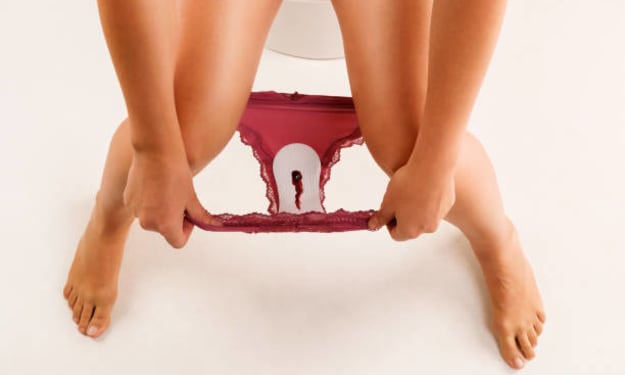
Menstruation 101: Understanding the Basics
Before delving into the do’s and don’ts, let’s take a moment to understand the basics of menstruation: 1. What is Menstruation? Menstruation is the natural process that occurs in individuals with a menstrual cycle, typically starting during puberty and continuing until menopause. During this monthly cycle, the uterus prepares for pregnancy by thickening its lining. If pregnancy does not occur, the uterus sheds this lining, leading to vaginal bleeding known as menstruation. 2. Menstrual Cycle Length The length of the menstrual cycle varies from person to person but typically lasts around 28 days, although it can be shorter or longer. The menstrual cycle is counted from the first day of one period to the first day of the next. 3. Menstrual Flow The menstrual flow can vary in color, consistency, and volume. It usually lasts between three to seven days, but again, this can vary from person to person. Now that we have a basic understanding of menstruation, let’s explore the do’s and don’ts for managing it effectively and promoting overall well-being during this time: The Do’s: 1. Do Track Your Menstrual Cycle Keeping track of your menstrual cycle can be immensely helpful for understanding your body’s patterns and anticipating your periods. You can use a calendar, a menstrual tracking app, or a journal to record the start and end dates of your periods, as well as any symptoms or changes you experience during each cycle. 2. Do Practice Good Hygiene During menstruation, maintaining good hygiene is essential. Change your sanitary products regularly, whether you use pads, tampons, menstrual cups, or period panties. Wash your hands before and after handling menstrual products to prevent infections. Additionally, ensure you shower regularly to stay fresh and clean. 3. Do Choose the Right Menstrual Products for You There is a wide range of menstrual products available, and choosing the right one depends on your comfort, flow, and lifestyle. Experiment with different options, such as pads, tampons, menstrual cups, or period panties, to find what works best for you. Consider eco-friendly options to reduce your environmental impact. 4. Do Eat a Balanced Diet Maintaining a balanced diet during menstruation can help alleviate symptoms and boost your energy levels. Include a variety of nutrient-rich foods, such as fruits, vegetables, whole grains, lean proteins, and healthy fats, in your diet. Stay hydrated by drinking plenty of water. 5. Do Manage Menstrual Pain Menstrual pain, also known as dysmenorrhea, is a common symptom for many individuals. Applying a heating pad or taking a warm bath can help soothe cramps. Over-the-counter pain relievers, such as ibuprofen or acetaminophen, may also provide relief. If pain is severe or persistent, consult with a healthcare professional. 6. Do Get Adequate Rest During menstruation, your body is undergoing hormonal changes that can lead to fatigue. Make sure to get enough rest and prioritize sleep to support your overall well-being. 7. Do Stay Active Engaging in regular physical activity can help manage menstrual symptoms and improve mood. Light exercises like walking, yoga, or swimming can be beneficial. Listen to your body, and if you feel fatigued or unwell, take it easy. 8. Do Practice Self-Care Menstruation can bring about a range of emotions, and practicing self-care can help you navigate this time with greater ease. Engage in activities that bring you joy, such as reading, meditating, spending time with loved ones, or pursuing hobbies. 9. Do Address Menstrual Challenges with Your Healthcare Provider If you experience severe or unusual symptoms during menstruation, such as heavy bleeding, irregular cycles, or intense mood swings, don’t hesitate to discuss them with your healthcare provider. They can help identify any underlying health issues and provide appropriate guidance and treatment. 10. Do Educate Yourself and Others Knowledge is empowering. Educate yourself about menstruation, and don’t be afraid to educate others. Breaking the stigma around periods and promoting open conversations can help create a more supportive and understanding environment for everyone. The Don’ts: 1. Don’t Skip Meals Skipping meals during menstruation can lead to decreased energy levels and worsen symptoms. Make sure to eat regular, balanced meals to nourish your body and support overall well-being. 2. Don’t Overindulge in Caffeine and Salt Caffeine and excessive salt intake can contribute to bloating and worsen menstrual discomfort. Limit your consumption of caffeinated beverages and salty foods during your period. 3. Don’t Ignore Your Body’s Signals Pay attention to your body’s signals and rest when needed. Pushing yourself too hard during menstruation can lead to increased fatigue and discomfort. 4. Don’t Use Unsanitary Menstrual Products Ensure you use clean and sanitary menstrual products to avoid the risk of infections. Always follow the manufacturer’s instructions for use and disposal. 5. Don’t Be Afraid to Seek Support If you are experiencing challenges or discomfort during menstruation, don’t be afraid to seek support from friends, family, or healthcare professionals. Menstruation is a natural process, and you don’t have to navigate it alone. 6. Don’t Engage in Strenuous Exercise if You’re Not Feeling Up to It While staying active is beneficial, don’t push yourself to engage in strenuous exercise if you’re not feeling up to it during menstruation. Opt for gentle activities that make you feel comfortable and energized. 7. Don’t Use Menstruation as an Excuse to Limit Yourself Menstruation is a normal part of life, and it doesn’t have to limit your activities or accomplishments. With proper self-care and management, you can continue to engage in your regular routine. 8. Don’t Ignore Changes in Menstrual Patterns If you notice significant changes in your menstrual patterns, such as irregular cycles or unusually heavy bleeding, don’t ignore them. Reach out to your healthcare provider for an evaluation. Conclusion Menstruation is a natural and essential aspect of the human reproductive system. By following the do’s and don’ts outlined in this article, individuals can better manage their menstrual cycles and promote overall well-being during this time. It’s crucial to prioritize self-care, maintain good hygiene, and seek support if needed. Embracing open conversations about menstruation and educating oneself and others can contribute to breaking the stigma surrounding periods and creating a more supportive and understanding society for all. Remember that every menstruating person’s experience is unique, and it’s essential to listen to your body and tailor your approach to menstruation accordingly.
By Aessy Lefiano3 years ago in Education
Unlock the Secrets to Healthy and Gorgeous Hair: A Comprehensive Guide to Hair Care Procedures
Understanding the Importance of Hair Care Procedures While daily hair care, including cleansing and conditioning, is vital, there are additional procedures that can take your hair care routine to the next level. Hair care procedures offer specialized benefits, addressing specific concerns and enhancing the overall health of your hair. Here are some reasons why hair care procedures are essential: 1. Nourishment and Moisture: Hair care procedures such as deep conditioning treatments and oil massages provide intense nourishment and moisture to your hair. They help replenish lost nutrients and strengthen your strands from root to tip. 2. Repair and Restoration: Exposure to environmental factors, heat styling, and chemical treatments can cause damage to your hair. Hair care procedures help repair and restore your hair's health, reducing breakage and split ends. 3. Scalp Health: A healthy scalp is crucial for promoting hair growth and preventing issues like dandruff and itchiness. Hair care procedures that focus on scalp health can improve blood circulation, reduce inflammation, and balance sebum production. 4. Hair Growth: Certain hair care procedures, such as scalp massages and stimulating treatments, can stimulate hair follicles and promote hair growth. 5. Preventive Care: Regular hair care procedures act as preventive measures, protecting your hair from potential damage and preserving its beauty. Now that we understand the importance of hair care procedures let's explore a variety of treatments and techniques that can help you achieve healthy and good-looking hair: 1. Deep Conditioning Treatments: Intense Nourishment for Your Hair Deep conditioning treatments are an excellent way to provide intense nourishment and hydration to your hair. These treatments use specialized hair masks or conditioners that penetrate deeply into the hair shaft, delivering essential nutrients and moisture. Here's how to perform a deep conditioning treatment: - Choose the right product: Select a deep conditioning mask or treatment that matches your hair type and addresses your specific concerns, such as dryness, damage, or color-treated hair. - Shampoo your hair: Before applying the deep conditioner, shampoo your hair to remove any dirt and product buildup. This helps the treatment penetrate more effectively. - Towel-dry your hair: Gently squeeze out excess water from your hair with a soft towel. Your hair should be damp, not soaking wet, to allow the deep conditioner to be absorbed properly. - Apply the deep conditioner: Take a generous amount of the deep conditioning product and apply it to your hair, focusing on the mid-lengths and ends. Avoid applying the product to the roots, as it can weigh down your hair. - Comb through your hair: Use a wide-tooth comb to distribute the deep conditioner evenly through your hair. This ensures that every strand receives the nourishing benefits. - Allow time for treatment: Follow the recommended time for the deep conditioning treatment. This usually ranges from 5 to 30 minutes, depending on the product and your hair's condition. - Add heat (optional): For even better results, consider adding heat to your deep conditioning treatment. You can use a shower cap to trap heat and enhance the product's absorption. Alternatively, sit under a hooded dryer or use a warm towel. - Rinse with cool water: After the treatment time is up, rinse your hair with cool water to seal the cuticle and lock in the moisture. - Frequency: How often you should do a deep conditioning treatment depends on your hair's condition. For damaged or dry hair, you may benefit from weekly treatments. Otherwise, once every two weeks is generally sufficient. 2. Hair Masks: Targeted Solutions for Hair Concerns Hair masks are specialized treatments that target specific hair concerns, such as frizz, split ends, and lack of shine. They come in various formulations, including hydrating, repairing, and smoothing masks. Here's how to use hair masks effectively: - Choose the right hair mask: Select a hair mask that addresses your specific needs and concerns. For example, if your hair is dry and frizzy, opt for a moisturizing and smoothing mask. - Shampoo your hair: Before applying the hair mask, shampoo your hair to remove any buildup and prepare your hair for better absorption. - Towel-dry your hair: Gently remove excess water from your hair with a soft towel. Your hair should be damp but not dripping wet. - Apply the hair mask: Take a generous amount of the hair mask and apply it to your hair, focusing on the mid-lengths and ends. Avoid applying the product to the roots. - Comb through your hair: Use a wide-tooth comb to distribute the hair mask evenly and ensure every strand receives the treatment. - Allow time for treatment: Follow the recommended time for the hair mask treatment, as indicated on the product packaging. - Rinse with cool water: After the treatment time is up, rinse your hair with cool water to seal the cuticle and enhance shine. - Frequency: How often you should use a hair mask depends on your hair's condition and the product's instructions. Generally, once a week or every other week is sufficient for most hair types. 3. Scalp Massages: Stimulate Hair Growth and Scalp Health Scalp massages are not only relaxing but also beneficial for stimulating hair growth and maintaining scalp health. Massaging the scalp increases blood flow, which nourishes hair follicles and promotes hair growth. Here's how to perform a scalp massage: - Use your fingertips: Use the pads of your fingertips to gently massage your scalp. Avoid using your nails, as they can cause irritation. - Apply gentle pressure: Apply gentle pressure in circular motions all over your scalp. Focus on areas where you experience tension or dryness. - Use oil (optional): If you prefer, you can use a few drops of hair oil or a scalp oil blend during the massage. This provides additional nourishment and helps moisturize the scalp. - Duration: Aim to massage your scalp for at least 5 to 10 minutes. You can do this while shampooing your hair or as a separate treatment. - Frequency: You can perform a scalp massage as often as you like. Some people incorporate it into their hair care routine a few times a week, while others enjoy a daily scalp massage. 4. Hair Oil Treatments: Nourishment and Shine Hair oil treatments provide an extra boost of nourishment and shine to your hair. These treatments use natural oils that are rich in nutrients and fatty acids to moisturize and protect your hair. Here's how to perform a hair oil treatment: - Choose the right oil: Select a hair oil that suits your hair type and concerns. Common hair oils include coconut oil, argan oil, jojoba oil, and almond oil. - Warm the oil: Gently warm the hair oil by placing the container in a bowl of warm water or microwaving it for a few seconds. Warm oil is more comfortable to apply and allows for better absorption. - Apply the oil: Take a small amount of the warmed oil and apply it to your hair, focusing on the mid-lengths and ends. You can also apply a small amount to your scalp if you have dry or itchy skin. - Comb through your hair: Use a wide-tooth comb to distribute the oil evenly through your hair and ensure every strand receives the treatment. - Wrap your hair: To enhance the effectiveness of the hair oil treatment, you can wrap your hair in a warm towel or wear a shower cap. This traps heat and allows the oil to penetrate better. - Allow time for treatment: Follow the recommended time for the hair oil treatment. This can range from 30 minutes to overnight, depending on your hair's condition and the type of oil used. - Rinse and shampoo: After the treatment time is up, rinse your hair thoroughly with cool water. Follow with shampoo to remove any excess oil. - Frequency: How often you should do a hair oil treatment depends on your hair's condition. For dry or damaged hair, once a week is beneficial. Otherwise, once every two weeks is generally sufficient. 5. Hair Trims: Maintain Healthy Ends Regular hair trims are essential for maintaining healthy ends and preventing split ends. Trimming your hair removes damaged and frayed ends, promoting hair growth and overall hair health. Here's what you need to know about hair trims: - Frequency: How often you should trim your hair depends on your hair's condition and how quickly it grows. On average, getting a trim every 6 to 8 weeks is beneficial for most people. - Choose the right hairdresser: Find a hairdresser or stylist who understands your hair type and listens to your preferences. Communicate your hair care goals and the amount you want to trim off. - Consider hair health: If your hair is in excellent condition, you may only need a small trim to maintain its shape and remove any split ends. If your hair is damaged or has split ends, you may need a more significant trim to refresh your hairstyle. 6. Hair Steam Treatments: Deep Hydration and Softness Hair steam treatments offer deep hydration and softness to your hair. The steam helps to open the hair cuticle, allowing products to penetrate more effectively. Here's how to do a hair steam treatment: - Choose the right products: Select a hair mask or deep conditioner that you want to use for the steam treatment. - Apply the product: Apply the hair mask or deep conditioner to your hair, focusing on the mid-lengths and ends. - Use a steamer or warm towel: You can use a hair steamer or wrap a warm towel around your head to create steam. The steam should be warm, not too hot. - Duration: Leave the steam on for the recommended time, as indicated on the product packaging. - Rinse with cool water: After the treatment time is up, rinse your hair with cool water to seal the cuticle. - Frequency: How often you should do a hair steam treatment depends on your hair's condition and the product's instructions. Generally, once a week or every other week is sufficient. 7. Hair Protein Treatments: Strengthen and Repair Hair protein treatments are ideal for strengthening and repairing damaged hair. These treatments contain proteins that help fortify your hair and reduce breakage. Here's how to do a hair protein treatment: - Choose the right product: Select a protein-based hair treatment that suits your hair type and concerns. - Apply the treatment: Apply the protein treatment to your hair, focusing on the mid-lengths and ends. Avoid applying it to your roots. - Allow time for treatment: Follow the recommended time for the protein treatment, as indicated on the product packaging. - Rinse with cool water: After the treatment time is up, rinse your hair with cool water to seal the cuticle. - Frequency: How often you should do a hair protein treatment depends on your hair's condition. For damaged or weakened hair, once a week or every other week is beneficial. Otherwise, once every two weeks is generally sufficient. 8. Hair Dye and Chemical Treatments: Proceed with Caution Chemical treatments such as hair dyeing and perming can alter your hair's structure and lead to damage. If you choose to use chemical treatments, proceed with caution and take steps to protect your hair: - Consult a professional: For complex or drastic changes, it's best to consult a professional hairdresser or colorist. They can assess your hair's condition and recommend the best approach. - Use high-quality products: Opt for high-quality hair dyes and chemical treatments to minimize damage. - Follow the instructions: Always follow the instructions provided with the product to ensure safe and effective application. - Limit frequency: Avoid excessive use of chemical treatments, as frequent use can weaken your hair and lead to breakage. - Use hair masks and treatments: After chemical treatments, use deep conditioning treatments and hair masks to replenish moisture and repair damage. - Consider semi-permanent options: Semi-permanent hair dyes and treatments are less damaging than permanent ones. They gradually fade over time, reducing the risk of harsh regrowth lines. Incorporating these hair care procedures into your routine can make a significant difference in the health and appearance of your hair. Remember that consistency is key, and it's essential to choose procedures that suit your hair type and concerns. With proper care and attention, you can achieve the healthy, vibrant, and good-looking hair you've always dreamed of.
By Aessy Lefiano3 years ago in Education
The Do’s and Don’ts of Cat Care: A Comprehensive Guide for Feline Owners
Cats are fascinating creatures that have been beloved companions to humans for thousands of years. Their playful and independent nature, combined with their endearing personalities, make them excellent pets. As cat owners, it is our responsibility to provide them with the best possible care and ensure their well-being. However, cat care is not as straightforward as it may seem, and there are several essential do’s and don’ts that every feline owner should be aware of to guarantee a happy and healthy life for their furry friends.
By Aessy Lefiano3 years ago in Petlife
A Comprehensive Guide to the Do’s and Don’ts of Responsible Dog Ownership
Part I: The Do’s of Dog Ownership 1. Do Provide Proper Nutrition: A well-balanced diet is the cornerstone of good health for your dog. Consult with a veterinarian to determine the best diet for your dog’s age, size, and specific health requirements. Choose high-quality dog food that meets their nutritional needs, and avoid feeding them table scraps, as certain human foods can be harmful to dogs. 2. Do Regular Exercise: Regular exercise is essential for a dog’s physical and mental well-being. Take your dog for daily walks, engage in playtime, and consider activities such as fetch or agility training to keep them mentally stimulated and physically fit. 3. Do Schedule Routine Veterinary Check-ups: Regular visits to the veterinarian are crucial to monitor your dog’s health, receive vaccinations, and address any potential medical concerns. Establishing a preventive healthcare routine can prevent serious illnesses and ensure your dog lives a longer, happier life. 4. Do Socialize Your Dog: Socialization is key to raising a well-adjusted and friendly dog. Introduce your dog to various people, animals, and environments from a young age, and use positive reinforcement to build their confidence and trust. 5. Do Provide Mental Stimulation: Dogs are intelligent creatures that need mental stimulation to prevent boredom and destructive behavior. Puzzle toys, interactive games, and training sessions can engage your dog’s mind and strengthen your bond. 6. Do Keep Your Dog Safe: Ensure your dog’s safety by providing a secure and comfortable environment. Secure your yard with proper fencing, use a leash during walks, and keep toxic substances, plants, and small objects out of your dog’s reach. 7. Do Practice Positive Reinforcement Training: Positive reinforcement training, such as using treats, praise, and affection, is a humane and effective way to teach your dog commands and desirable behavior. Reward-based training builds trust and strengthens the bond between you and your dog. 8. Do Consider Adoption: If you’re ready to welcome a dog into your family, consider adopting from a shelter or rescue organization. Adoption not only provides a loving home for a dog in need but also brings joy and fulfillment to your life. Part II: The Don’ts of Dog Ownership 1. Don’t Neglect Grooming: Regular grooming is essential for your dog’s hygiene and overall health. Brush your dog’s coat to prevent matting and shedding, clean their ears, and trim their nails regularly. Neglecting grooming can lead to skin issues and discomfort. 2. Don’t Overlook Dental Care: Dental health is often overlooked in dogs, but it is critical to their well-being. Brush your dog’s teeth regularly, offer dental treats, and schedule dental check-ups with your veterinarian to prevent dental problems. 3. Don’t Leave Dogs Alone for Extended Periods: Dogs are social animals that thrive on companionship. Leaving them alone for long periods can lead to anxiety and behavioral issues. If you have a busy schedule, consider hiring a dog walker or enrolling your dog in doggy daycare. 4. Don’t Use Punishment-Based Training: Punishment-based training methods, such as hitting or yelling, are harmful and counterproductive. They can lead to fear and aggression in dogs. Instead, focus on positive reinforcement and patience during training sessions. 5. Don’t Skip Vaccinations and Preventative Medications: Vaccinations and preventative medications are essential to protect your dog from diseases and parasites. Stay up-to-date with their vaccinations and administer flea, tick, and heartworm preventatives as recommended by your veterinarian. 6. Don’t Allow Off-Leash Walking in Unsafe Areas: While off-leash walking can be enjoyable for dogs, it should only be done in safe, designated areas. Uncontrolled off-leash dogs can pose a risk to other dogs, wildlife, and even themselves. 7. Don’t Overfeed or Underfeed: Maintaining a healthy weight is crucial for your dog’s overall health. Obesity can lead to numerous health issues, while underfeeding can result in malnutrition and weakness. Follow your veterinarian’s feeding guidelines and adjust based on your dog’s activity level and age. 8. Don’t Ignore Behavioral Changes: If your dog’s behavior suddenly changes, such as increased aggression, lethargy, or loss of appetite, it could be a sign of underlying health issues. Seek veterinary attention promptly to address any medical concerns. Conclusion: Owning a dog is a rewarding experience that comes with great responsibility. By following the do’s and don’ts outlined in this guide, you can provide your canine companion with the love, care, and attention they deserve. Remember, each dog is unique, and understanding their individual needs is crucial to building a strong and lasting bond. With proper care and attention, you and your dog can enjoy a fulfilling and joyous life together.
By Aessy Lefiano3 years ago in Petlife
Unveiling Nature’s Wonders: Exploring the Unique Talents of Various Animals
Part I: Avian Aces – The Marvels of Flight: 1. Hummingbirds – Aerial Acrobats: Hummingbirds, the tiniest of birds, are masters of flight, capable of hovering in mid-air by rapidly flapping their wings. Their wings can beat up to 80 times per second, enabling them to fly forwards, backward, and even upside down. Their acrobatic skills are essential for accessing nectar from flowers and evading predators. 2. Albatrosses – Masters of Long-Distance Travel: Albatrosses have the ability to travel immense distances across the ocean. Some species can fly up to 10,000 miles in a single journey, powered by their impressive wingspan, which can exceed 11 feet. These majestic birds are highly skilled at gliding effortlessly over the waves, conserving energy during their extensive voyages. 3. Ravens – Clever Problem Solvers: Ravens are known for their remarkable intelligence and problem-solving abilities. They can use tools to obtain food and have been observed working together to achieve common goals. Their cognitive prowess rivals that of great apes, showcasing their adaptability and resourcefulness. 4. African Grey Parrots – Exceptional Mimics: African Grey parrots are renowned for their exceptional mimicry skills. They can imitate human speech and various environmental sounds with astonishing accuracy. These talented parrots possess a high level of vocal learning, allowing them to communicate and bond with humans on a unique level. Part II: Aquatic Aces – The Wonders of the Deep: 1. Dolphins – Masters of Communication: Dolphins are among the most intelligent marine animals and have complex communication systems. They produce a wide range of clicks, whistles, and other vocalizations, which they use to navigate, locate food, and communicate with each other. Their sophisticated echolocation abilities allow them to “see” through sound underwater. 2. Octopuses – Masters of Camouflage: Octopuses are unparalleled masters of camouflage. Their skin can change color and texture in an instant, allowing them to blend seamlessly with their surroundings. This incredible talent serves as both a defense mechanism against predators and a hunting strategy to surprise prey. 3. Humpback Whales – The Singing Stars of the Ocean: Humpback whales are renowned for their hauntingly beautiful songs, which can last for hours. These complex vocalizations are thought to be a form of communication, possibly related to mating and navigation during their migratory journeys. Each population of humpback whales has its own unique song, passed down through generations. 4. Electric Eels – Stunning Electric Discharge: Electric eels have an astonishing talent: they can generate powerful electric shocks to stun prey and defend themselves from predators. Specialized organs in their bodies, called electrocytes, produce electrical discharges of up to 600 volts. This incredible ability aids them in navigating murky waters and capturing prey with pinpoint accuracy. Part III: Land Legends – The Marvels of Terrestrial Life: 1. Cheetahs – Speed Demons of the Savanna: Cheetahs are the fastest land animals on Earth, capable of reaching speeds of up to 70 miles per hour in short bursts. Their slender, aerodynamic bodies and specialized leg muscles enable them to achieve such incredible speed, making them formidable hunters in the African savanna. 2. Elephants – Social Sentinels: Elephants are highly social creatures that demonstrate strong emotional bonds within their herds. They possess a remarkable ability to communicate across vast distances using low-frequency sounds called infrasound. These deep rumbles allow them to coordinate group movements and warn each other of potential dangers. 3. Jumping Spiders – Acrobatic Hunters: Jumping spiders may be tiny, but they are acrobatic marvels with their precise jumping abilities. These arachnids can leap many times their body length in a single bound, using silk threads as safety lines to return to their starting points. Their extraordinary jumping skills help them capture prey and escape from predators. 4. Bowerbirds – Masterful Architects: Bowerbirds are talented builders and decorators, known for their intricate and artistic bowers. These elaborate structures are created by male bowerbirds to attract females. The males carefully arrange colorful objects, such as flowers, berries, and even bits of plastic, in their bowers to create visually stunning displays. Part IV: Creepy Crawlers – The Wonders of Adaptation: 1. Camouflage – Nature’s Disguise Artists: Many animals have developed remarkable camouflage strategies to blend in with their surroundings. From stick insects resembling twigs to leaf-tailed geckos that mimic foliage, these creatures have evolved extraordinary adaptations to hide from predators and ambush unsuspecting prey. 2. Geckos – Wall-Climbing Wizards: Geckos possess the unique ability to climb walls and ceilings with ease. Specialized structures on their toes, called setae, create van der Waals forces, allowing them to adhere to surfaces without the need for sticky secretions. This remarkable talent enables geckos to access hard-to-reach places and escape from danger quickly. 3. Bombardier Beetles – Chemical Warfare Experts: Bombardier beetles are masters of chemical defense. When threatened, they can release a volatile and scalding chemical spray from their abdomen. This noxious concoction can reach temperatures of up to 212 degrees Fahrenheit, deterring predators with its intense heat and strong odor. Conclusion: The animal kingdom is a treasure trove of extraordinary talents and adaptations that continually inspire and fascinate us. From the skies to the depths of the ocean, from the savannas to the rainforests, animals have evolved an astonishing array of abilities that allow them to thrive in their unique habitats. By understanding and appreciating these exceptional talents, we gain a deeper appreciation for the wonders of nature and the beauty of life on Earth. As we strive to protect and conserve the natural world, let us also celebrate and marvel at the incredible diversity and ingenuity of the animal kingdom.
By Aessy Lefiano3 years ago in Petlife