How is Sudan's foreign policy drawn?
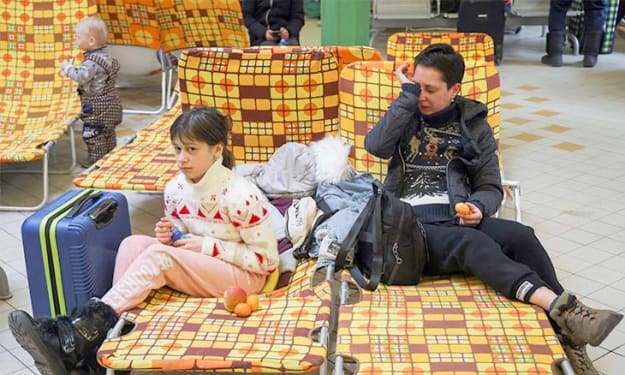
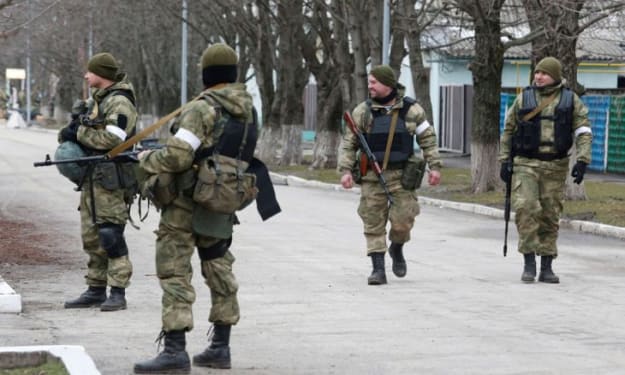
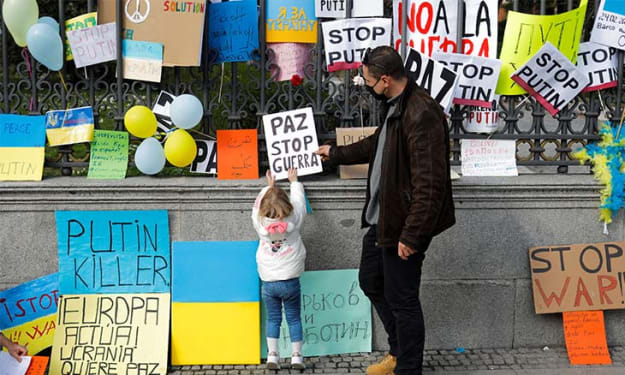
Political science specialists define foreign policy as the sum of the official activities of the state with the various actors of the international system, and it is prepared according to a well-planned and targeted program, and it is made within the state and is considered a reflection of its internal policy. Making foreign policy requires understanding and careful study of the various factors and determinants that directly or indirectly affect the making of this policy. The first thing that confronts the decision maker is the extent to which he is properly aware of the situation he is dealing with, for example, how to deal with the international crisis emerging today from the Russian invasion of Ukraine, and to conjure up a group of alternatives regarding this situation, one of which is chosen based on the availability of certain information related to it, and then he makes the decision that is supposed to It brings maximum benefits and minimum possible losses to the country. The process of making, taking and implementing decisions on the country’s foreign policy goes through several stages, starting with the preparatory stage, which includes defining the main criterion and determining the variables related to the subject, measuring these variables with the main criterion, then choosing the goal and drawing up a strategy to achieve it, after which comes the decision-making stage by choosing one of the alternatives and translating it into The practical reality through concrete actions, activities and programs of action, whether this decision is in the context of action or reaction, and finally comes the stage of reactions, evaluation and drawing conclusions. The official bodies in the state, as institutions and not individuals, are ultimately responsible for making the country's foreign policy. This scientific definition of foreign policy, which is available in all political science outlets, books and Sphere websites, if we drop it on our miserable reality, literally, we will be shocked by the fact that our current transitional period is still absent from the strategic vision for our foreign policy, and even our movements are characterized in this important aspect. The fateful is randomness and the absence of priorities, and it may come in response to interests that may contradict the interests of the nation. In this, it is in complete contradiction with the goals of the December Revolution, which came at the forefront of its priorities, to reconsider the entirety of our foreign policy for the benefit of the homeland and its people, and in accordance with internationally agreed principles.