
Wood Carving in Saharanpur: A Timeless Heritage
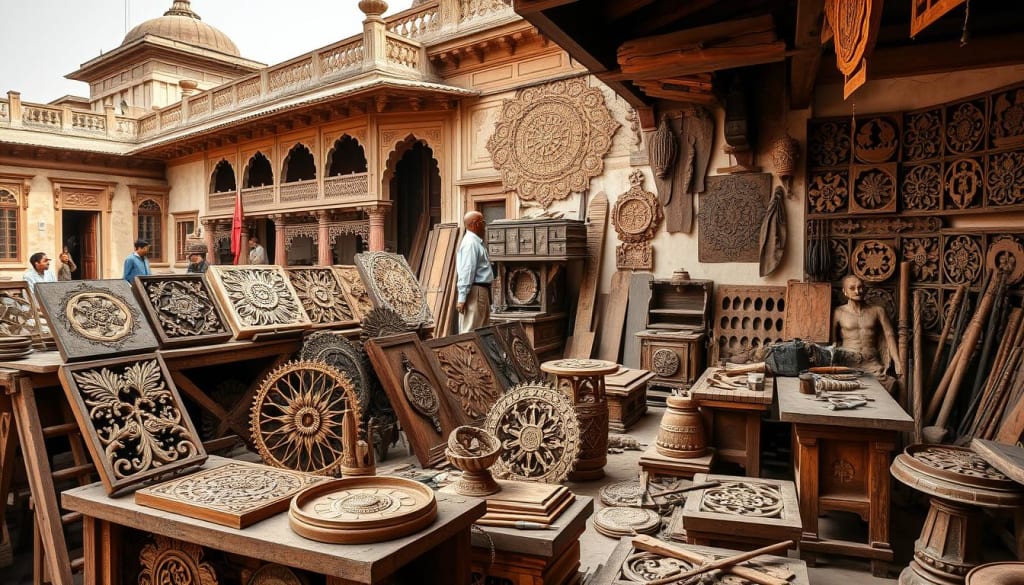
Wood carving in Saharanpur is a cornerstone of India's cultural heritage. It is recognized for its captivating designs and the craftsmanship of traditional artisans. These Indian artisans have passed on their skills for generations, capturing the essence of craftsmanship. Has been refined. Their work is not only visible in the surrounding areas and communities but also receives praise and recognition internationally. This ancient art form connects the past with the present, offering a glimpse of India's rich artistic history. It also sets the stage for future generations to continue this revered tradition. Wood carving in Saharanpur is more than just an art; It is an expression of the enduring spirit of Indian craftsmanship. https://youtube.com/watch?v=EZfcLN2cXRA Key Takeaways Saharanpur is celebrated for its exceptional wood carving tradition. The intricate designs reflect centuries of craftsmanship. Traditional artisans play a crucial role in preserving this heritage craft. Wood carving in Saharanpur showcases the diversity of Indian artistry. This art form fosters cultural pride and community identity. Appreciation for wood carving can enhance support for local artisans.

The Rich History of Wood Carving in Saharanpur
The history of wood carving in Saharanpur is a testament to the evolution of traditional skills. It beautifully merges artistry with craftsmanship. This practice deeply reflects the industrial and cultural heritage of the region. Over the centuries, artisans have perfected ancient techniques, shaping the unique identity of Saharanpur craftsmanship.
Ancient Techniques and Skills
Wood carving has been a cornerstone of Saharanpur's rich cultural heritage. Artisans have employed a variety of hand tools and methods, passed down through generations. These techniques focus on understanding wood properties and the art of transforming raw materials into artistic expressions. Essential hand tools, like chisels and chiseling knives, are crucial for creating intricate designs that define Saharanpur’s woodwork.
Cultural Significance Through the Ages
The cultural significance of wood carving in Saharanpur goes beyond mere decoration. It plays a crucial role in local traditions, festivals, and rituals. Artisans create pieces that are both functional and symbolic of cultural identity. This craftsmanship has fostered community pride and significantly contributed to the local economy, making it a vital part of Saharanpur's trade.
Aspect
Details
Techniques
Hand tools and mastery of wood properties
Cultural Role
Integral to traditions and festivals
Artisan Skills
Passed down through generations
Economic Impact
Supports local trade and craftsmanship
Legacy and Heritage of Wood Carving in Saharanpur
The wood carving legacy in Saharanpur is evident in the detailed designs artisans create. It is also rooted in the tools and materials they use. This tradition is passed down through generations, showcasing the skills and traditions that define the region's artistic identity.
Traditional Tools and Materials Used
Artisans in Saharanpur have long used traditional tools that remain significant today. Chisels, hammers, and gouges are crucial for the detailed craftsmanship wood carving demands. These tools allow artisans to carve intricate patterns, reflecting the area's rich cultural heritage.
When it comes to materials for wood carving, local woods like Sheesham and teak are preferred. Sheesham wood, known for its strength and fine finish, symbolizes quality in wood carving. The choice of materials greatly affects the character and longevity of the carvings, ensuring each piece carries a piece of the region's culture.
The continued use of traditional tools and locally sourced materials preserves authentic methods. It also reinforces the artisan skills that are crucial to Saharanpur's identity. This connection to both past and present ensures the wood carving legacy thrives. It allows new generations to contribute their interpretations while honoring their predecessors.
Notable Styles and Designs in Saharanpur's Wood Carving
The wood carving of Saharanpur showcases a blend of cultural heritage and innovation. Artisans display their expertise through diverse wood carving styles, featuring intricate motifs and patterns. These traditional art forms are not only visually stunning but also carry deep historical significance.
Intricate Motifs and Patterns
The wood carvings of Saharanpur are known for their intricate motifs and patterns. Floral carvings highlight the beauty of nature, while geometric designs emphasize symmetry and precision. These elements deeply resonate with local traditions, allowing artisans to honor their heritage while creating exceptional pieces.
Modern Adaptations of Traditional Art
Recently, there has been a rise in modern adaptations that merge traditional aesthetics with contemporary influences. Artisans are now creating innovative designs that appeal to today's audience, ensuring the craft remains relevant. This evolution showcases the adaptability of wood carving, allowing traditional art forms to flourish in a changing market.
Influence of Wood Carving on Local Communities
The art of wood carving deeply influences Saharanpur's communities, being a key part of their cultural tradition. It offers local artisans a stable source of income, boosting the area's economy. Through their work, artisans not only support their families but also safeguard their cultural heritage.
Wood carving engagement brings a unique community impact, where artisans celebrate their artistic identity together. It fosters a strong sense of belonging, uniting community members in their appreciation for this traditional art. Each piece tells stories and skills passed down through generations, boosting community pride.
Wood carving's significance goes beyond individual artisans; it's vital for Saharanpur's cultural landscape. As artisans teach younger generations, they keep this timeless tradition alive. Workshops and collaborative projects strengthen community bonds, showcasing the artistry that defines them.
Aspect
Influence
Economic Stability
Provides a reliable source of income
Cultural Preservation
Ensures traditional techniques are maintained
Community Identity
Fosters pride and unity among residents
Inter-generational Learning
Encourages skill transfer to younger generations
The wood carving's influence goes beyond economic benefits, becoming a cornerstone of community identity and collaboration in Saharanpur.
Famous Wood Carvers of Saharanpur
Saharanpur is a hub for famous wood carvers, each leaving a mark in the world of wood carving. These master craftsmen bring unique techniques and artistic visions to the table. Their work is a testament to the rich heritage of Saharanpur artisans, showcasing skills passed down through generations.
Profiles of Master Craftsmen
Each artisan in Saharanpur brings their own distinct style, adding to the elegance of woodwork. Here are some notable master craftsmen and their contributions:
Khalid Ahmed - Known for his intricate floral motifs, Khalid's craftsmanship blends traditional techniques with modern designs. His dedication to preserving Saharanpur's legacy is evident in every piece.
Fatima Sheikh - As one of the few female wood carvers, Fatima has shattered stereotypes. Her unique approach incorporates vibrant colors and patterns, elevating her artisanal profiles within the community.
Rashid Khan - A true wood carving legend, Rashid specializes in traditional inlay work. His masterpieces often feature detailed scenes from nature, captivating audiences worldwide.
The artistry of Saharanpur's wood carvers not only furthers the reputation of this craft but also enhances the cultural fabric of the region. Solidifying their standing as renowned Saharanpur artisans, these master craftsmen remain integral to the continuation of the traditional wood carving heritage.
Preservation Efforts for Wood Carving Traditions
The wood carving traditions of Saharanpur face threats from modernization and shifting consumer tastes. It's vital to engage in preservation efforts to protect these skills for the next generations. Initiatives have been launched to keep the artistry alive and celebrated.
Organizations Promoting Craftsmanship
Wood carving organizations are key in preserving these traditions. They promote craftsmanship through various activities, including:
Granting artisans funds to hone their skills.
Hosting exhibitions to display traditional woodwork.
Setting up programs to connect artisans with global markets.
These actions boost the economic value of traditional crafts and keep their cultural importance alive.
Workshops and Training Programs
Local workshops and training programs are crucial for passing on knowledge. They provide young artisans with the chance to learn from experienced craftsmen. The focus on traditional skills ensures these techniques are not lost. Key aspects of these programs include:
Hands-on experience with traditional tools and materials.
Mentorship from seasoned artisans.
Focus on preserving local styles and techniques.
These efforts help the community to continue nurturing and evolving their wood carving legacy.
The Economic Impact of Wood Carving in Saharanpur
The wood carving economy in Saharanpur is vital to the region's financial health. It not only preserves cultural heritage but also drives economic growth. Through wood carving, many artisans in Saharanpur have found stable income sources, boosting community prosperity.
Job Creation and Skill Development
Wood carving in Saharanpur creates many jobs, supporting local families. The detailed craftsmanship required in this field promotes skill development among artisans. They learn techniques passed down through generations, benefiting both artisans and the community.
Many families depend on wood carving as a primary source of income.
Artisans possess unique skills that enhance the quality of handcrafted products.
Workshops and training programs facilitate skill enhancement and innovation.
The export market for these handcrafted items boosts the economic impact of wood carving. Saharanpur artisans reach a wider customer base. As demand for authentic, quality craftsmanship grows, local economies thrive. This encourages artisans to improve their skills and meet market demands.
Wood Carving as an Art Form in Contemporary Society
The wood carving art form has seen a significant shift in today's society. Artists now blend this ancient craft with modern elements, creating wood art that appeals to contemporary tastes. They use new techniques and viewpoints, making wood carving a reflection of our current culture and aesthetics.
Saharanpur craftsmanship is a cornerstone of this evolution. Artisans merge traditional skills with modern methods, producing pieces that honor their heritage while exploring new designs. These creations are not just functional but also express deep artistic sentiments.
Exhibitions and galleries dedicated to this art have emerged, showcasing the range and creativity of wood art today. From detailed sculptures to simple designs, these displays demonstrate wood's versatility and the artisans' skill. These platforms connect the past with the present, drawing in a broader audience to the captivating world of wood carving.
Art Form
Traditional Characteristics
Contemporary Innovations
Examples
Wood Carving
Intricate motifs, cultural significance
Abstract designs, mixed media
Modern sculptures, functional art
Saharanpur Craftsmanship
Handcrafted techniques, local materials
Fusion with modern aesthetics
Contemporary installations, art pieces
Modern Craftsmanship
Focus on tradition, storytelling
Environmental considerations, sustainable materials
Eco-friendly art, upcycled projects
Wood carving's role as an art form is ever-growing, bridging the gap between past and present. This ongoing dialogue between tradition and modernity inspires both viewers and creators. It highlights the profound beauty and depth that wood carving can bring to our contemporary world.
How to Support Wood Carving Artisans in Saharanpur
Supporting wood carving artisans in Saharanpur is vital for preserving their craft. It ensures they can continue making authentic handcrafted items. By taking meaningful steps, individuals can aid these artisans and appreciate Saharanpur woodcarving's rich cultural heritage. Engaging in cultural heritage promotion sustains artisan initiatives, allowing these skilled individuals to thrive.
Purchasing Authentic Handcrafted Items
Purchasing authentic handcrafted items is a direct way to support artisans. These unique products showcase the artistry, tradition, and skills developed over generations. When individuals invest in these pieces, they contribute to the artisans' livelihoods and help preserve their craft.
Awareness and Promotion of Cultural Heritage
Raising awareness about Saharanpur woodcarving's significance is crucial. Individuals can advocate for its preservation by sharing knowledge in their communities. They can participate in cultural programs or support local events that highlight this heritage. Collaborating with organizations focused on cultural heritage promotion amplifies these efforts, ensuring artisan initiatives receive the recognition they deserve.
Conclusion
Wood carving in Saharanpur showcases a blend of heritage preservation and craftsmanship, enduring through time. This art form, deeply rooted in history, holds significant cultural value. It displays intricate techniques, passed down through generations. The historical significance of this craft is vital to the artisans' identity and the local community.
Every carved piece narrates a story of tradition and skill. The economic role of wood carving in Saharanpur is substantial. It significantly contributes to job creation and skill development, offering artisans a sustainable income. As we look ahead, supporting these craftsmen is crucial to ensure their skills endure modern challenges.
The need for heritage preservation is a call to remember our collective past. Recognizing wood carving in Saharanpur's importance reaffirms our dedication to cultural significance and timeless artistry. Together, we can create an environment where these traditions not only endure but also thrive for future generations.
FAQ
What is the significance of wood carving in Saharanpur?
Wood carving in Saharanpur is a cornerstone of India's cultural heritage. It's celebrated for its intricate designs and traditional craftsmanship. This art form offers a glimpse into the region's rich history and showcases the artisans' exceptional skills.
What traditional techniques are used in Saharanpur's wood carving?
In Saharanpur, artisans use ancient techniques with hand tools to work with various woods. These methods have been perfected over generations. They highlight the artisans' deep understanding of wood properties and their craftsmanship.
What types of wood are commonly used by Saharanpur artisans?
Artisans in Saharanpur often use local woods like Sheesham and teak. These woods are prized for their durability and beauty. They are essential in defining the quality of the carvings.
How has wood carving evolved in Saharanpur over the years?
Wood carving in Saharanpur has evolved, blending traditional aesthetics with modern influences. This fusion creates unique styles that appeal to a wider audience. It keeps the art form vibrant and relevant.
How does wood carving impact local communities in Saharanpur?
Wood carving is a vital economic activity in Saharanpur, providing livelihoods and supporting families. It instills pride and identity among residents. It also plays a key role in preserving culture and fostering community connections.
Who are some renowned wood carvers from Saharanpur?
Saharanpur is home to several celebrated wood carvers who have made significant contributions to the craft. Their distinctive styles and contributions have elevated the region's reputation in wood carving globally.
What efforts are being made to preserve wood carving traditions in Saharanpur?
Efforts to preserve wood carving traditions in Saharanpur include promoting craftsmanship through grants and exhibitions. Educational initiatives and workshops ensure the skills are passed to younger artisans. This sustains the art form for future generations.
What are the economic benefits of wood carving in Saharanpur?
The wood carving industry is a significant contributor to Saharanpur's economy. It generates employment and fosters skill development among artisans. Many families rely on this craft for their income, supporting both local and export markets.
How is wood carving perceived in contemporary society?
Today, wood carving is viewed as a sophisticated art form, not just a craft. Modern artists experiment with wood, participating in exhibitions that showcase the artistry and relevance of wood carving in contemporary art.
How can individuals support Saharanpur's wood carving artisans?
Supporting artisans in Saharanpur can be done by purchasing authentic handcrafted items. This helps sustain their livelihoods. Raising awareness about the cultural heritage of wood carving and collaborating with local organizations to promote artisans are also effective ways to show support.
About the Creator
umar khalid
I'm Umar Khalid article writer, I'm able to create high quality content that appeals to readers across multiple industries and topics. With a keen eye for detail and continuity, I strive to produce, informative engaging articles.
Keep reading
More stories from umar khalid and writers in Art and other communities.
International Yoga Day
International Yoga Day is not a new international festival, but celebrated every year on June 21, has seen a significant increase in popularity in a relatively short period of time. In just ten years, it has transformed from a national initiative to a globally recognized phenomenon. Let us learn about the history, significance and vibrant tapestry of this unique festival.
By umar khalid2 years ago in Art
'Till Death We Do Art
There would be nothing divine in this world without art. Nature may surpass the divine to all intents and purposes, but like everything it absorbs and is absorbed by, it remains here, stuck on the surface of this world, ever-present, physically bound to the universe.
By Avocado Nunzella BSc (Psych) -- M.A.P 25 days ago in Art
The Rise of Decentralized Social Media and What It Means for Content Creators
For most of the past two decades, a small number of centralized platforms have dominated the social media landscape. Companies like Facebook, Instagram, X (formerly Twitter), and TikTok built massive ecosystems that attracted billions of users, but they did so under a model where the platform holds ultimate control over content, data, and revenue distribution. Creators who poured time and energy into building audiences on these platforms often found themselves at the mercy of opaque algorithms, sudden policy changes, and revenue-sharing structures that heavily favored the platform itself.
By Chaturbateme2 days ago in Art




Comments
There are no comments for this story
Be the first to respond and start the conversation.