
Why Shoe Brands Are Investing in Reusable and Stackable Boxes
Discover how thoughtful shoe box design can elevate your brand, boost customer satisfaction, and turn buyers into lifelong fans.

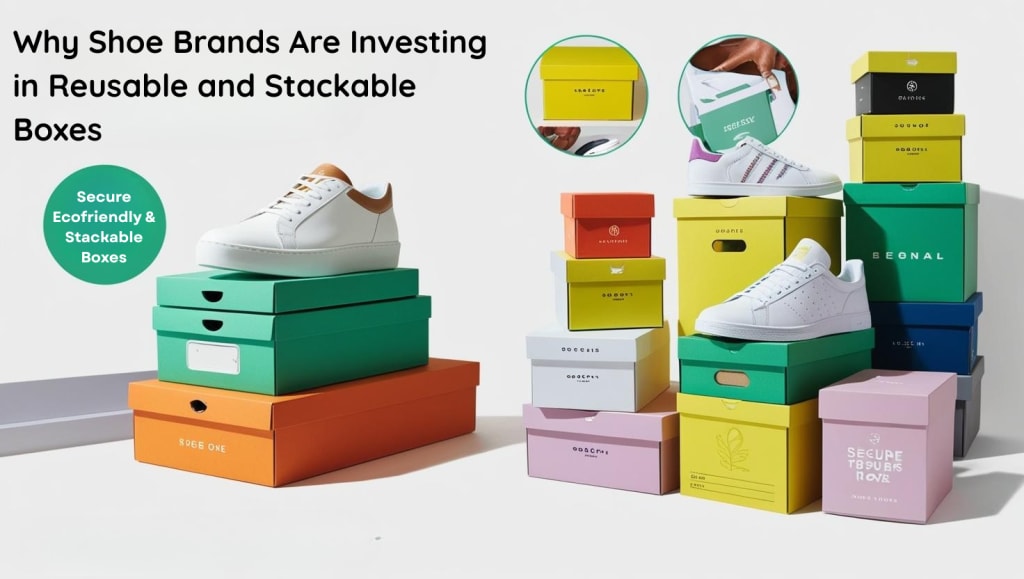
Introduction
Ever unboxed a new pair of shoes and felt a little guilty tossing the packaging away? You're not alone. In a world where sustainability is becoming a lifestyle, not just a buzzword, brands are scrambling to meet eco-conscious expectations—and the humble shoebox is getting a major glow-up.
The Push for Sustainability in Fashion
The fashion industry has long been under fire for its environmental impact, and packaging waste is a big part of the problem. Traditional shoeboxes are often made from virgin cardboard, coated in plastic laminates or filled with synthetic inserts. That’s a lot of waste for something we usually throw away within minutes.
Consumers, especially Millennials and Gen Z, are demanding change. They want brands to care about the planet—and prove it with actions, not just ads.
What Are Eco-Friendly Shoe Boxes?
Eco-friendly shoe boxes are designed with the environment in mind from start to finish. They're made from sustainable materials, use minimal ink, skip plastic, and are often recyclable or even biodegradable. But the new trend goes beyond just being “eco”—it’s about being reusable and practical, too.
Popular Sustainable Materials
You’ll find a variety of earth-friendly materials being used:
- Recycled Cardboard: The most common and affordable option.
- Biodegradable Plastics: These break down naturally and safely.
- Organic Fibers: Think bamboo, hemp, or jute—renewable and sturdy.
Lifecycle Benefits of Eco-Friendly Packaging
Sustainable boxes have a longer useful life, and once they’re done serving their purpose, they’re easier on the environment. Whether they’re recycled or reused around the house, they help cut down landfill contributions.
Why Reusability Matters
A shoebox that looks good, stacks neatly, and holds up over time becomes more than just packaging—it becomes a storage tool. People use them to store old photos, organize closets, or even as DIY decor. That’s free marketing for brands and less waste in the bin.
Cost-Efficiency for Brands and Buyers
Yes, sustainable boxes might cost more up front, but they save money in the long run. Think about reduced waste disposal costs, fewer damaged returns thanks to sturdier packaging, and better shipping efficiency.
Aligning with Customer Values
Consumers are smarter than ever. They’ll check a brand’s sustainability claims and call out greenwashing in a heartbeat. Offering reusable or eco-friendly packaging builds trust and brand loyalty, especially with younger audiences.
The Rise of Stackable Shoebox Designs
Stackable shoeboxes are making waves not just for their practicality, but also for their aesthetics. These are designed with rigid corners, lids that fit snugly, and dimensions that make them easy to store neatly.
Convenience for Retailers and Consumers
Retailers love them because they simplify warehouse storage and reduce shipping damage. Consumers love them because they can be reused to organize closets or shelves. It’s a win-win.
Aesthetic and Branding Opportunities
Stackable boxes look sleek and intentional—perfect for brands wanting to make a strong first impression. They also make the unboxing experience more satisfying, which is gold in the social media era.
Custom Shoebox Design as a Branding Tool
Custom designs let brands go wild with creativity. Imagine a shoebox that unfolds into a tote bag, or one that tells the brand’s story through QR codes or augmented reality. Packaging is no longer just functional—it’s an extension of the brand experience.
Case Studies: Brands Leading the Way
Nike’s Move to Zero
Nike is pushing boundaries with its “Move to Zero” campaign, which includes using recycled cardboard packaging. Some of their shoeboxes are designed to be shipped without an outer box, reducing material use even further.
Allbirds’ Eco Boxes
Allbirds uses packaging made from 90% recycled cardboard. Their boxes are dual-purpose—serving as both the shoebox and the shipping box. It’s efficient and environmentally smart.
Challenges in Switching to Sustainable Packaging
The switch isn’t easy. Sustainable materials can be more expensive and harder to source. Brands also need to educate consumers on how to dispose of or reuse these boxes properly. But despite the challenges, the benefits far outweigh the costs.
The Future of Shoebox Innovation
Expect more brands to experiment with tech-infused packaging—like QR codes for recycling instructions, or returnable packaging that encourages customers to send boxes back for reuse. We're entering an era where the packaging is just as important as the product.
Conclusion
The move toward reusable and stackable shoeboxes isn’t just a trend—it’s a reflection of changing consumer expectations and a greater responsibility toward the environment. Brands that embrace this shift are not only reducing their carbon footprint but also strengthening customer loyalty. So next time you buy a pair of shoes, take a closer look at the box—it might just be the most innovative part of your purchase.
FAQs
1. What materials are best for eco-friendly shoe boxes?
Recycled cardboard, biodegradable plastics, and organic fibers like bamboo or hemp are excellent sustainable options.
2. Can reusable shoeboxes really make a difference?
Yes! They reduce landfill waste, save resources, and encourage responsible consumer behavior.
3. Are stackable boxes more expensive?
They might cost slightly more upfront, but the long-term savings in logistics and branding often outweigh the initial cost.
4. How can consumers reuse shoe boxes?
They can be used for storage, craft projects, organizing, or even as gift boxes.
5. Which brands use sustainable packaging?
Nike, Allbirds, Adidas, and Need Custom Packaging are a few brands actively investing in sustainable, reusable packaging.
About the Creator
Larry Clark
I am a dedicated and skilled professional specializing in custom packaging solutions. With a deep understanding of packaging design, I focus on creating high-quality, tailored boxes for cakes, food, and cosmetics.
Keep reading
More stories from Larry Clark and writers in Art and other communities.
How Restaurants Can Boost Repeat Business With Every Order
In the competitive restaurant industry, customer retention is just as crucial as attracting new patrons. While food quality and service remain top priorities, one often-overlooked element can significantly influence repeat business: restaurant packaging.
By Larry Clark10 months ago in Art
'Till Death We Do Art
There would be nothing divine in this world without art. Nature may surpass the divine to all intents and purposes, but like everything it absorbs and is absorbed by, it remains here, stuck on the surface of this world, ever-present, physically bound to the universe.
By Avocado Nunzella BSc (Psych) -- M.A.P 24 days ago in Art
Leadership Behind the Experience: The Role of Brandon Cody Verran at Big Sky
In the world of hospitality and resort management, great guest experiences rarely happen by accident. Behind every smooth operation, welcoming atmosphere, and memorable stay is a team of dedicated professionals working together. At Big Sky Resort, one of the most renowned mountain destinations in North America, leadership plays a key role in ensuring that guests receive the level of service they expect. Among those helping guide operations is Brandon Cody Verran, who serves as an assistant general manager within the larger organization of Boyne Resorts.
By ORM_Specialist5 days ago in Art
Becca
"Everything is so... flat." Denille said stupidly as she looked around her new neighborhood. She looked around at the muted desert where even the smallest sign of life seemed to have given up. The plant life was shrubs that were half cooked by the heat and where there should have been a lawn, a mess of white rocks laid glistening in the sun. Even the sky looked stretched thin, like the sun had ironed it smooth. She’d moved from Riverside, where at least there were hills, but here in Barstow, everything felt baked and brittle.
By Sara Wilson8 days ago in Fiction




Comments
There are no comments for this story
Be the first to respond and start the conversation.