
Why Rubbing Alcohol Is a Must-Have in Your Candle-Making Kit
Why Rubbing Alcohol Is a Must-Have in Your Candle-Making Kit
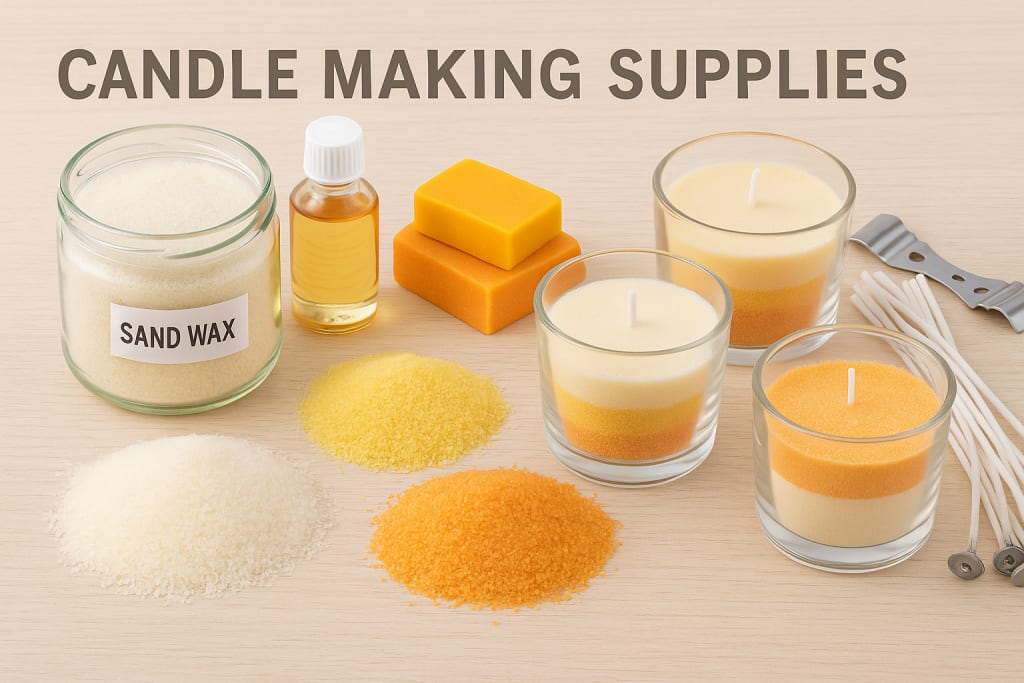
Rubbing alcohol may not be the first tool that will come to your mind when you are organizing your supplies to make candles. This seemingly mundane household item, however, can serve a number of vital purposes that can greatly enhance your candle-making efforts. Knowing the right way to use rubbing alcohol will assist you in making professional-quality candles in terms of appearance, performance, and longevity—making it a valuable addition to your candle making kit.
Important Functions of rubbing alcohol in Candle-Making
- Removal of Air Bubbles
Air trapped in the wax is one of the widely encountered issues of candle makers. Such bubbles leave ugly holes and weak points in the end-product candle. Fueling this problem is the use of rubbing alcohol, which is the solution to this problem.
When a fine mist of rubbing alcohol is sprayed over newly poured wax, it removes the surface tension to help outgas trapped air. The alcohol evaporation is fast, leaving a smooth, bubble-free surface.
- Reduction in Surface Tension
This scientific strategy of the effectiveness of rubbing alcohol is presented in lowering the surface tension. Wax tends to stick to, and thus, air may be trapped below the skin. Rubbing off the wax with an alcohol based liquid, such as rubbing alcohol, helps to keep this surface formation down, giving the wax a more uniform and finished settling.
- Cleaning and Preparation
Candle making requires proper preparation, and rubbing alcohol is among the best cleaning solutions that exist to clean different parts:
- Wick preparation: Metal wick tabs should also be cleaned with rubbing alcohol to remove any oils or other residues that could influence wick performance
- Container cleaning: Cleanse glass jars, tins, and molds to remove dust, fingerprints, and manufacturing deposits
- Maintenance of tools: Maintain your thermometers, spoons, and measuring tools clean
- Work surface cleanliness: Keep a hygienic work area to avoid contact contamination of your wax
- Eliminating Wax Residue
Alcohol is a good generic cleaner, since wax residue can be removed with it. Waxy residue can be eliminated without leaving streak marks or water stains. This is what makes it priceless when it comes to storing your equipment in between projects.
Proper Application Techniques
- Spray Bottle technique
Rubbing alcohol is most useful in the candle-making process when using a fine-mist spray bottle. Take 70 percent isopropyl alcohol. Higher ones evaporate too fast, whereas lower ones can be ineffective.
The spray bottle should be 6-8 inches away from the wax and make a thin, layered mist on the surface. Do not spray too thick, because too much alcohol will leave dimples or impact the temperature of the wax. Normally, one or two light passes are all that is required.
- Timing Considerations
When you pour your wax, apply the rubbing alcohol as soon as possible with a liquid surface but a slight skin on it. Leave it too long, and the alcohol will not go in as easily. You may ruin the pattern of the wax pour by applying it too soon.
Temperature Awareness
Rubbing alcohol is best used when the wax is between 140–160°F. At higher temperatures, it evaporates too quickly. If the wax is too cold, the alcohol won’t penetrate effectively. Temperature awareness is key when using rubbing alcohol in your candle making kit.
Advantages, in addition to removing the bubble
- Increased Scent Throw
Pure tools and containers guarantee that there is nothing to mess with your perfume, wet chemicals. These oils or contaminants that are left behind may change fragranting compounds or diminish the range of the fragrance. Rubbing alcohol preserves the quality of your favorite perfumes.
- Professional Appearance
Bubble-less, smooth candles appear more professional and sell better when you are in the candles business. The low amount paid for the rubbing alcohol results in enhanced product quality and customer satisfaction.
- Long-lasting Equipment Life
Cleaning using rubbing alcohol stops the buildup of wax on your tools and equipment. This servicing increases their life cycle and promotes a similar performance in a number of projects.
Safety Considerations
- Ventilation Requirements
Rubbing alcohol should always be used in ventilated places. The fumes are distracting inside buildings and can bring on a headache or a light spell. Keep windows open or use fans to ensure that the air is circulating.
- Fire Safety
Rubbing alcohol should never be used around a source of open flame or heat over 180° F. The small quantities that are utilized in the manufacture of candles are not dangerous, but by putting safe habits in place, one can avoid accidents.
- Storage Guidelines
Rubbing alcohol should be kept in a cool, dry area and should not be exposed to heat or sun. Containers should be well sealed to avoid evaporation and maintain their efficacy.
Choosing the Right type
- Concentration Levels
- 70 percent isopropyl alcohol: Suitable in most applications of candle making
- 91 percent isopropyl alcohol: Cleans faster, suitable in cleaning duties that require speed
- Ethyl alcohol: An alternative to consider, but less accessible
- Quality Considerations
Apply clean, additive-free rubbing alcohol. There are products with moisturizers or fragrances that may act as interference in your candle making. Read the label and select products that has pure formulations.
Conclusion
Rubbing alcohol plays a crucial role in improving the quality and consistency of your candles. It’s a low-cost yet high-impact addition to any candle making kit. From eliminating bubbles and cleaning tools to enhancing scent throw and surface finish, rubbing alcohol ensures that every candle you make looks and performs professionally.
FAQs
1. Can I use rubbing alcohol to fix frosting or sinkholes in candles?
Yes. A light mist can smooth minor imperfections. For deeper sinkholes, use a heat gun or repour.
2. Is rubbing alcohol safe to mix directly into candle wax?
No. It is flammable and should only be used externally for cleaning and surface prep.
3. What type of rubbing alcohol should I avoid when making candles?
Avoid any with fragrances, dyes, or moisturizers. Use pure, unscented alcohol for best results in your candle making kit.
4. Can I use rubbing alcohol to clean up spilled wax?
Yes. It works well on non-porous surfaces like glass or metal.
5. Does using rubbing alcohol affect the scent throw of my candle?
Indirectly, yes. Clean tools and containers help maintain the purity and strength of your fragrance oils.
About the Creator
Keep reading
More stories from amcsupplies and writers in Art and other communities.
Isopropyl Alcohol and Epoxy Resin: Essential Tips for Perfect Bonding and Finish
Epoxy resin has become an essential material in both DIY projects and professional applications, thanks to its versatility, durability, and strength. Whether you're crafting beautiful resin jewelry, coating tabletops, or working on industrial tasks, epoxy resin offers a smooth, glossy finish that enhances any surface. However, to achieve the best results with epoxy resin, knowing how to properly prepare and clean your work area is crucial. One essential item in this process is isopropyl alcohol, a powerful tool for cleaning, degreasing, and ensuring the perfect bond.
By amcsupplies9 months ago in Art
Why Nietzsche Belongs in 2026
As the world moves toward 2026, it does not feel like a calm progression into the future—it feels like a collision. Rapid technological acceleration, cultural fragmentation, economic uncertainty, and a deep crisis of meaning define the modern condition. Traditional authorities are distrusted, ideologies compete aggressively, and individuals feel both empowered and exhausted by choice. In such a landscape, Friedrich Nietzsche’s philosophy emerges not as a comfortable guide, but as a necessary one. Unsettling, demanding, and brutally honest, Nietzsche may offer the most fitting philosophical framework for the year ahead.
By Fred Bradford4 days ago in Art


Comments
There are no comments for this story
Be the first to respond and start the conversation.